TrendingHome repair refund policy updates · Amazon Prime hidden charges · Best free AI tools · New phishing scam alerts · Water heater replacement cost guide  ·  Home repair refund policy updates · Amazon Prime hidden charges · Best free AI tools · New phishing scam alerts · Water heater replacement cost guide
    Category

    🚗Car Ownership & Costs

    Buying, maintaining, and fixing your car without overpaying.

    Cars are one of the biggest expenses most people have, and the costs do not stop at the dealership. This section helps you make smarter car decisions: how to buy without getting ripped off, how to handle repairs and maintenance, what insurance you actually need, and how to sell or trade in fairly. Practical, honest, and focused on keeping more money in your pocket.

    100 articles in Car Ownership & Costs

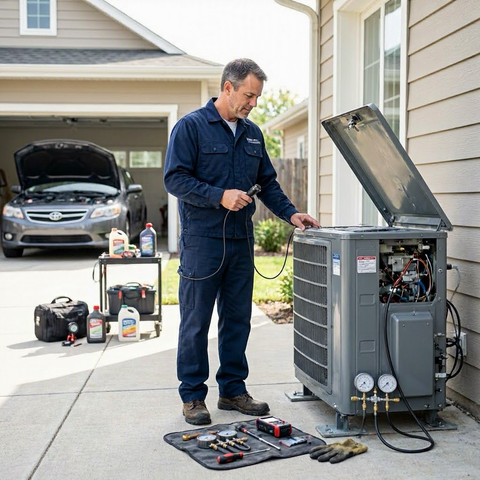
    Summer road trip car prep cost: tires, fluids, AC, and emergency kit

    Summer road trip car prep cost: tires, fluids, AC, and emergency kit

    Summer road trips promise adventure, from coastal drives along California Highway 1 to cross-country hauls through the Midwest. But hot weather stresses your vehicle, raising risks of tire blowouts, overheating, fluid failures, and breakdowns. Prepping tires, fluids, air conditioning (AC), and an emergency kit helps avoid stranding your family. Costs range $200-$2,000 depending on needs—get estimates and tips here.
    Winter car maintenance cost checklist for U.S. drivers

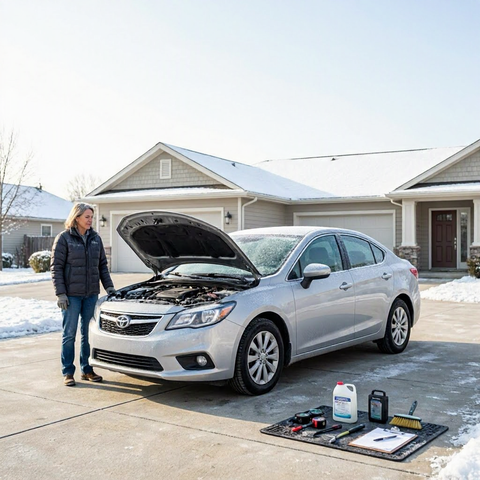
    Winter car maintenance cost checklist for U.S. drivers

    Prepare for U.S. winter driving with this cost checklist. Key items like tires, battery, brakes prioritized by urgency. Average costs, DIY tips, shop questions to cut bills on snow, ice, salt prep. Avoid surprises with estimates $500-$2,000.

    Hybrid battery replacement cost and signs of battery failure

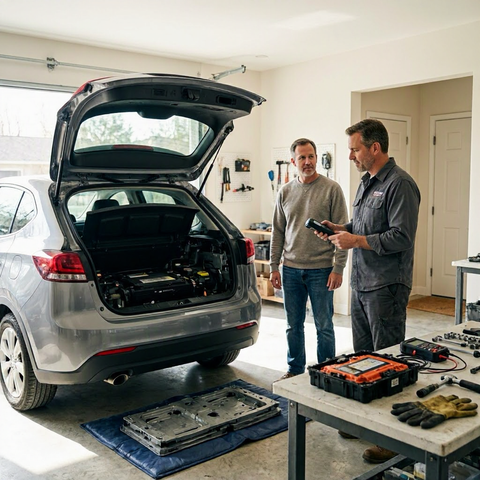
    Hybrid battery replacement cost and signs of battery failure

    Hybrid battery failure can strand you and cost thousands. Discover key signs like reduced fuel economy, dashboard warnings, and sluggish acceleration. Get cost breakdowns for popular models (Toyota Prius $4,000-9,000 total), diagnosis tips, replacement process, and ways to lower bills via warranties or remanufactured packs.

    EV battery replacement cost and warranty questions for used EV buyers

    EV battery replacement cost and warranty questions for used EV buyers

    Buying a used electric vehicle (EV) in the US saves thousands vs. new, but high-voltage battery replacement costs $5,000-$30,000 worry buyers. Most last 8-15 years/100k-200k miles. Learn warranties (transferable), degradation signs, pre-buy checks, and ownership costs.

    State vehicle inspection cost and common repairs that fail inspection

    State vehicle inspection cost and common repairs that fail inspection

    State vehicle inspections ensure safety and compliance, with costs varying by state and type. Common failures include worn brakes, bad lights, low tire tread, and emissions issues. Repair estimates range from $20 bulb swaps to $3,000 catalytic converters. Prepare with checklists and pre-inspections to pass easily and renew registration without hassle.

    Emissions test failure repair cost: common fixes before retesting

    Emissions test failure repair cost: common fixes before retesting

    Failing an emissions test risks fines and registration holds. Common fixes like gas cap replacement ($10-$30), O2 sensors, and catalytic converters have clear costs. Learn diagnostics, shop smart, check warranties, and prep for retest.

    Toll violation fees: how to dispute wrong plate or rental car charges

    Toll violation fees: how to dispute wrong plate or rental car charges

    Toll violation fees can turn a $3 toll into $50+ due to unmatched plates on rental cars or errors. Learn why they happen, how to verify notices, collect proof like registrations and statements, and dispute effectively with agencies.

    Parking ticket late fees: what to do before they grow

    Parking ticket late fees: what to do before they grow

    Parking tickets hit hard in US cities, but late fees make them worse—turning $50 into hundreds fast. Act quickly to check details, pay promptly, contest with evidence (20-50% success), get extensions/payment plans, or prevent violations. Avoid towing ($100+), boots ($75+), license suspension, and collections.

    Impound lot fees after towing: daily storage, release, and paperwork

    Impound lot fees after towing: daily storage, release, and paperwork

    Getting your car towed to an impound lot can catch any driver off guard. It often happens after parking violations, accidents, or abandoned vehicles, leaving you facing unexpected fees for towing, storage, and release. These charges add up quickly, sometimes reaching hundreds of dollars within days.

    Roadside assistance cost: auto club vs insurance add-on vs credit card

    Roadside assistance cost: auto club vs insurance add-on vs credit card

    Roadside assistance covers flat tires, dead batteries, lockouts, fuel delivery, and towing. Options include auto clubs ($50-$200/year with unlimited calls), insurance add-ons ($5-$25/month bundled), and credit cards (free membership, pay per incident). Factors like usage, location, and vehicle affect costs—compare features, scenarios, and tips to save.

    Towing cost after a breakdown: membership, insurance, and out-of-pocket options

    Towing cost after a breakdown: membership, insurance, and out-of-pocket options

    When your car breaks down, towing costs can add up fast. Explore options like roadside assistance memberships (AAA, AARP), insurance add-ons from Geico or State Farm, and direct pay services. Learn safety signs requiring a tow, cost breakdowns, comparison table, and ways to minimize bills.

    Rental car fees: how to compare total cost beyond the daily rate

    Rental car fees: how to compare total cost beyond the daily rate

    The advertised daily rate for a rental car looks like a bargain, but hidden fees, taxes, insurance upsells, and surcharges can double or triple the cost. Learn to calculate the full total cost beyond the base rate, compare companies apples-to-apples, and use tips to lower your bill with major US providers like Hertz, Enterprise, Avis, and Budget.

    End-of-lease wear and tear charges: what drivers can dispute

    End-of-lease wear and tear charges: what drivers can dispute

    Facing end-of-lease wear and tear charges? Understand normal wear guidelines by vehicle area, gather key documents, follow our dispute steps, and use sample appeal letters to reduce or waive fees. Real driver stories and US consumer rights included.

    Mileage overage fees on a car lease: how to estimate and avoid them

    Mileage overage fees on a car lease: how to estimate and avoid them

    Most car leases limit annual mileage to 10,000-15,000 miles. Exceed it and pay steep overage fees at lease-end. This guide covers how limits work, finding your allowance and rate, estimating costs with examples, factors like taxes and vehicle type, tracking methods, avoidance strategies, handling overages, and more.

    Early lease termination cost and alternatives

    Early lease termination cost and alternatives

    Leasing a car offers lower monthly payments than buying in many cases, but life changes can make sticking to the full term tough. Job loss, relocation, family growth, or buying a more suitable vehicle might push you to end the lease early. In the United States, early termination means ending the lease before its scheduled end date, and it often comes with significant costs.

    Lease buyout cost: taxes, fees, inspection, and financing

    Lease buyout cost: taxes, fees, inspection, and financing

    Explore lease buyout costs beyond residual value, including taxes, fees, inspection, and financing. Get quotes, inspect your vehicle, shop loans, and negotiate to own your leased car affordably. US-focused advice with FTC resources.

    Salvage title car costs: insurance, financing, and resale risks

    Salvage title car costs: insurance, financing, and resale risks

    Salvage title cars offer upfront savings of 20-50% but come with higher long-term costs in insurance (premiums 25-100% more), financing hurdles (rates up to 25% APR), resale risks (values drop 20-60%), repairs, and inspections. Understand impacts on value, safety, and ownership before buying.

    Flood-damaged used car checklist before you buy

    Flood-damaged used car checklist before you buy

    Flood-damaged used cars from auctions or storms hide expensive repairs and safety risks. Use this checklist for history reports, visual inspections, smell tests, test drives, seller questions, and pro inspections to buy safely.

    Odometer rollback warning signs before buying a used car

    Odometer rollback warning signs before buying a used car

    Odometer rollback fraud makes used cars appear to have fewer miles, leading buyers to overpay. Spot warning signs like loose odometer digits, worn pedals and seats, mileage discrepancies in reports, and evasive sellers to protect yourself and save thousands.

    Yo-yo financing after driving the car home: what buyers should do

    Yo-yo financing after driving the car home: what buyers should do

    Yo-yo financing scams let you drive off then demand worse terms. Don't panic—stop driving, document everything, contact the dealer in writing, and use FTC-backed rights to unwind or fix the deal.

    Dealer promised repairs after sale: how to get it in writing

    Dealer promised repairs after sale: how to get it in writing

    Dealers often promise fixes for dents, rattles, or lights to close the deal, but verbal assurances vanish without writing. This guide shows U.S. car buyers how to get repair promises documented, negotiate addendums, and protect against disputes.

    Lemon law basics: documents to keep when a new car keeps failing

    Lemon law basics: documents to keep when a new car keeps failing

    Bought a new car that's constantly in the shop? It might be a lemon. Lemon laws protect you from unfixable defects after multiple repair attempts. This guide covers basics, when a car qualifies, and crucial documents to organize: purchase contracts, service records, demand letters, and more. Build your paper trail from day one to secure a refund, replacement, or cash settlement.

    How to report a vehicle safety problem to NHTSA

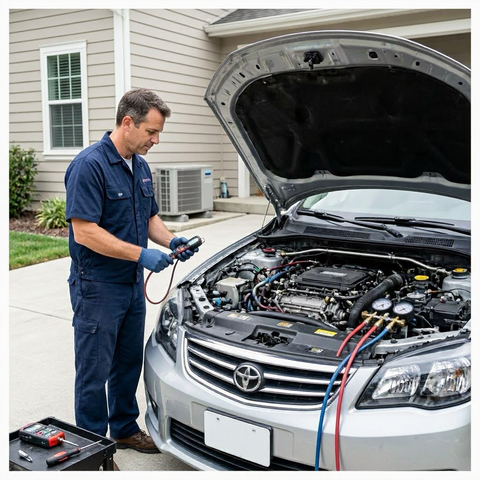
    How to report a vehicle safety problem to NHTSA

    Noticed brakes, steering, or airbags failing? Learn why reporting to NHTSA matters, what qualifies as a safety defect, how to check recalls with your VIN, and step-by-step reporting online, phone, or mail. Contribute to investigations and potential recalls for free fixes.

    Vehicle safety ratings: how to compare crash tests before buying

    Vehicle safety ratings: how to compare crash tests before buying

    When shopping for a new or used car in the United States, safety ratings from crash tests offer key insights into how well a vehicle protects occupants during a collision. These ratings, provided by independent organizations, help you compare models side-by-side and make informed decisions that go beyond price and features. For everyday drivers, families with kids, commuters, or gig workers logging high miles, prioritizing safety can lower long-term ownership costs through reduced insurance premiums, fewer repair bills after minor incidents, and better resale value.

    Airbag recall repair: is it free and how long does it take

    Airbag recall repair: is it free and how long does it take

    Car seat recall checklist for parents and caregivers

    Car seat recall checklist for parents and caregivers

    Car seats protect children during vehicle crashes, but defects can make them less effective. The National Highway Traffic Safety Administration (NHTSA) oversees recalls for child car seats in the United States. ... This checklist guides you through verifying your seat's status. It covers gathering details, using official tools, and handling results. Follow it annually, after buying used, or when rotating seats for growing kids.

    Tire recall lookup: how to check DOT codes and replacement rights

    Tire recall lookup: how to check DOT codes and replacement rights

    Tires are the only part of your car that touches the road, so defects can cause blowouts or loss of control. NHTSA tracks US tire recalls for safety. Check DOT codes and VIN for free replacements to protect your family and wallet.

    Open safety recall before buying a used car: what to do

    Open safety recall before buying a used car: what to do

    Buying a used car saves money upfront, but skipping a recall check can lead to safety risks and unexpected costs. An open safety recall means the manufacturer has identified a defect that could cause crashes, fires, or injuries, and the fix is free. Always verify recalls using the vehicle's VIN before handing over cash.

    How to check car recalls by VIN before paying for repairs

    How to check car recalls by VIN before paying for repairs

    Before approving expensive car repairs, check for open recalls using your VIN. NHTSA's free tool reveals safety defects fixed at no cost by manufacturers, regardless of age or mileage. Learn to locate your VIN, run checks, handle results, and integrate into routines to save hundreds on brakes, airbags, and more.
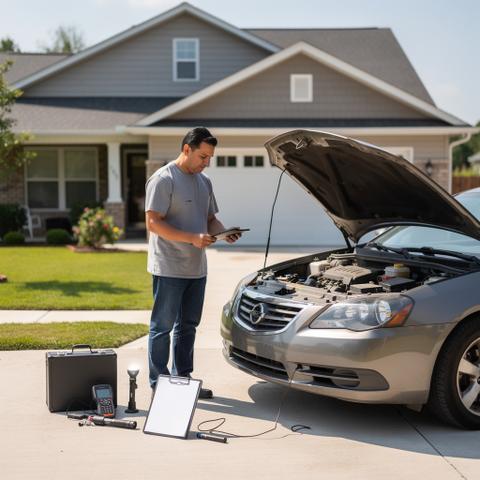
    Key fob replacement cost: dealer, locksmith, and programming fees

    Key fob replacement cost: dealer, locksmith, and programming fees

    Stranded without a working key fob? Key fob replacement costs in the US range from $150 at locksmiths to $500+ at dealers, plus programming fees. Learn breakdowns, dealer vs locksmith pros/cons, cost factors, and steps to minimize expenses without compromising security.

    ADAS calibration cost after windshield or bumper repair

    ADAS calibration cost after windshield or bumper repair

    After windshield or bumper repairs, ADAS calibration is crucial for safety and can cost $300-$1,200. This guide covers what triggers it, cost factors, typical ranges, insurance, and how to find qualified shops.

    Windshield replacement cost: insurance, calibration, and deductibles

    Windshield replacement cost: insurance, calibration, and deductibles

    A cracked windshield can become a safety hazard and major expense, with replacement costs averaging $300-$800 for sedans, up to $2,000+ for trucks needing calibration. Discover how insurance comprehensive coverage applies, deductible impacts, calibration requirements for ADAS features, and steps to file claims or save money out-of-pocket.

    Exhaust system repair cost: muffler, pipe, gasket, and hanger

    Exhaust system repair cost: muffler, pipe, gasket, and hanger

    Your car's exhaust system directs harmful gases away from the engine, reduces noise, and helps meet emissions standards. Problems with muffler, pipes, gaskets, or hangers lead to noise, poor MPG, failed inspections, leaks. US costs vary by vehicle, location, shop. Guide covers repair costs, symptoms, factors, savings tips.

    Wheel bearing replacement cost and safety risks

    Wheel bearing replacement cost and safety risks

    Wheel bearings ensure smooth wheel spin but wear out from potholes, rust, and mileage, causing humming, vibrations, and severe safety risks like wheel detachment. This US-focused guide details replacement costs ($300-$1,500), symptoms, diagnosis, pricing factors, shopping tips, recalls, and prevention for sedans, SUVs, and trucks.

    Suspension repair cost: shocks, struts, control arms, and ball joints

    Suspension repair cost: shocks, struts, control arms, and ball joints

    Your car's suspension absorbs bumps, maintains tire contact, and ensures stable handling with shocks, struts, control arms, and ball joints. Worn parts lead to poor control, uneven tire wear, and safety risks. Ignoring issues after 50,000-100,000 miles can escalate costs. This guide covers symptoms, replacement costs, factors like vehicle type and location, and smart repair steps.

    Fuel pump replacement cost and diagnosis checklist

    Fuel pump replacement cost and diagnosis checklist

    Fuel pump failure can leave you stranded, with replacement costs ranging $800-$2,000 depending on your vehicle and location. This guide covers common symptoms like sputtering and whining noises, a detailed diagnosis checklist including pressure tests and OBD codes, safety risks, detailed cost breakdowns, and smart strategies to get quotes, check warranties, and minimize expenses.

    Water pump replacement cost and timing belt overlap

    Water pump replacement cost and timing belt overlap

    In many cars, water pump replacement overlaps with timing belt service since accessing the pump requires belt removal. Bundling saves 30-50% on labor ($800-$2,500 total). Spot leaks, overheating, noises early to avoid engine damage and towing fees.

    Radiator replacement cost and coolant leak warning signs

    Radiator replacement cost and coolant leak warning signs

    Coolant leaks lead to overheating and costly repairs. Key warning signs: puddles under car, low coolant reservoir, dashboard overheating light, sweet smell from engine. Expect $500-1,500 radiator replacement costs. Learn factors, estimates, diagnosis steps & safety tips for US drivers.


    Car AC compressor replacement cost: repair or replace

    Car AC compressor replacement cost: repair or replace

    Facing hot air from your car's AC vents? A failing compressor could cost $900-$3,000 to fix. This guide breaks down symptoms, professional diagnosis, when to repair vs. replace, nationwide cost averages, labor and parts details, quote tips, warranty checks, and prevention maintenance to keep your AC running cool.

    Air conditioning recharge cost for a car: leak test vs simple recharge

    Air conditioning recharge cost for a car: leak test vs simple recharge

    Wondering about car AC recharge cost? A simple recharge runs $100-250, but shops often recommend a leak test first ($100-300). This guide compares costs, processes, signs of issues, and steps to avoid overpaying.

    Catalytic converter replacement cost and theft prevention expenses

    Catalytic converter replacement cost and theft prevention expenses

    Catalytic converters reduce emissions but cost $1,000-$3,500 to replace due to wear or theft surges. Spot signs like check engine light or rattling, understand cost factors, insurance claims, prevention strategies, and warranties to avoid fines and downtime.

    Check engine light cost: common repairs and how to avoid overpaying

    Check engine light cost: common repairs and how to avoid overpaying

    The check engine light signals issues from loose gas caps to major faults. Discover frequent causes, typical costs (gas cap: $20-$100; catalytic converter: $800-$3,500+), diagnostic steps using free OBD-II scans, questions to ask shops, and strategies to get fair prices and avoid upsells. U.S. drivers save thousands with smart choices.

    Engine diagnostic fee: what the mechanic should include

    Engine diagnostic fee: what the mechanic should include

    When your check engine light comes on or your car runs rough, an engine diagnostic fee covers the investigation to pinpoint issues before costly repairs. Expect OBD-II scans, visual checks, live data monitoring, and detailed reports. US fees range $50-$250 depending on shop type and vehicle. Know what's standard to avoid overpaying and ensure safety.

    Transmission replacement cost: rebuild, used, remanufactured, and new

    Transmission replacement cost: rebuild, used, remanufactured, and new

    Your car's transmission failure can lead to costly repairs rivaling a used car down payment. Explore rebuilt, used, remanufactured, and new replacement options with typical costs ($2,000-$10,000+), pros/cons, warranties, and factors like vehicle type and location affecting the bill. Learn signs of failure, how to get quotes, and when to skip replacement.

    Transmission fluid change cost vs transmission flush cost

    Transmission fluid change cost vs transmission flush cost

    A transmission fluid change costs less than a flush, exchanging 40-60% of fluid via drain and fill versus 90-100% in a machine flush. Learn key differences, price factors by vehicle and location, pros/cons, and how to decide for routine maintenance.

    Serpentine belt replacement cost and warning signs

    Serpentine belt replacement cost and warning signs

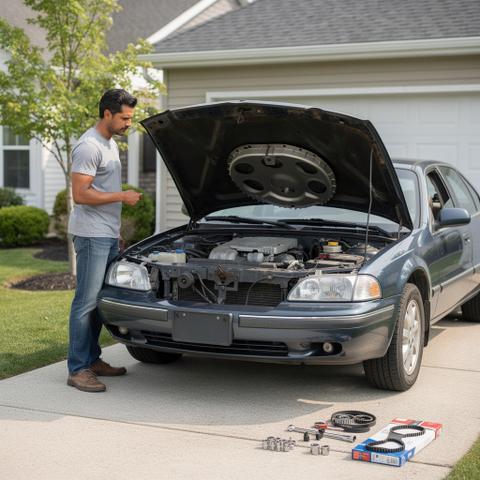
    The serpentine belt powers key accessories like your alternator, power steering, water pump, and A/C. Replacement is needed every 60,000-100,000 miles. Ignoring signs like squealing, visible cracks, or failing accessories leads to $150-$600 repairs or worse. This guide details warning signs, cost factors by vehicle and location, shop quotes, DIY pros/cons, and maintenance tips for US drivers.

    Timing belt replacement cost and why delaying can destroy an engine

    Timing belt replacement cost and why delaying can destroy an engine

    Timing belts synchronize your engine's crankshaft and camshaft, lasting 60,000-100,000 miles. Ignoring replacement risks catastrophic failure, especially in interference engines common in 70% of vehicles. Average replacement costs $800-$2,500 nationwide, far less than $3,000-$15,000 engine repairs from a snap. Spot signs like ticking noises or cracks early to avoid disaster.

    Spark plug replacement cost and when it improves fuel economy

    Spark plug replacement cost and when it improves fuel economy

    Spark plugs ignite your engine's air-fuel mixture for optimal combustion and fuel economy. Worn plugs cause misfires, rough idling, and lower MPG, hiking gas costs. Replacing at 30K-100K miles restores efficiency, saving hundreds yearly on fuel.

    Starter replacement cost: symptoms, labor, and parts

    Starter replacement cost: symptoms, labor, and parts

    Failing starter symptoms include clicking, no crank, grinding. Learn diagnosis, labor costs (1-3 hrs), parts breakdown, total prices ($300-$1,000+), and how to lower bills with multiple quotes, reman parts, and scam avoidance.

    Alternator replacement cost and signs it is failing

    Alternator replacement cost and signs it is failing

    Discover common signs your car's alternator is failing, from dashboard battery light to electrical glitches and strange noises. Get realistic US replacement costs ($500-$1,500), diagnosis tips, shop quotes, warranty checks, and ways to lower your bill without scams.

    Car battery replacement cost: standard, AGM, and EV 12-volt battery

    Car battery replacement cost: standard, AGM, and EV 12-volt battery

    Car batteries last 3-5 years but fail from heat, short trips or accessories. Replacement costs vary by type: standard flooded lead-acid ($150-$400 total), AGM ($250-$650), EV 12V ($250-$900). Get free tests at AutoZone or O'Reilly, compare quotes, learn DIY steps and pro advice to avoid scams and extend life.

    Wheel alignment cost and signs your car needs one

    Wheel alignment cost and signs your car needs one

    Discover wheel alignment costs ($75-$200 avg), key signs your car needs service (pulling, vibrations, uneven tires), causes like potholes, how often to align, shop tips, and ways to save money while improving safety and tire life.

    Tire replacement cost: all-season, performance, truck, and EV tires

    Tire replacement cost: all-season, performance, truck, and EV tires

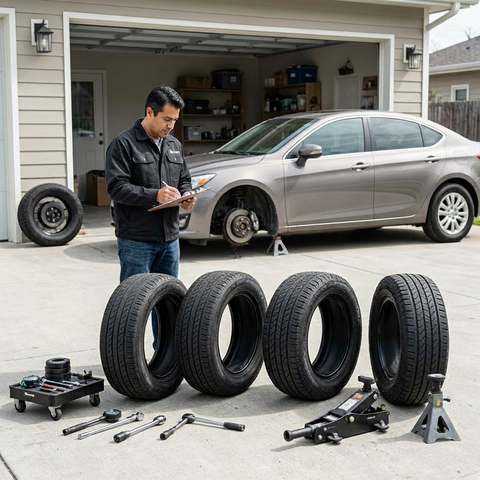
    Tires are critical for safety, handling, and efficiency. Replace every 4-6 years or 40k-60k miles. This guide covers costs for all-season ($500-1,200), performance ($800-2,000), truck ($800-2,400), and EV tires ($1,000-3,000), plus factors, installation fees, shopping tips, warranties, and when to replace urgently for US drivers.

    Brake pad and rotor replacement cost by axle

    Brake pad and rotor replacement cost by axle

    Oil change cost: synthetic vs conventional and dealer vs shop

    Oil change cost: synthetic vs conventional and dealer vs shop

    Discover why oil change prices vary from $35 to $150+, comparing synthetic vs conventional oil costs and dealer vs independent shop rates. Get tips on quotes, avoiding upsells, warranty compliance, and long-term savings strategies.

    Premium gas vs regular gas: when paying more is unnecessary

    Premium gas vs regular gas: when paying more is unnecessary

    Drivers overpay billions yearly on unneeded premium gas. Learn octane differences, vehicle requirements, myths, risks, cost savings, and tips to switch to regular if your car allows—saving $560/year on average.

    Tire pressure and fuel economy: how small changes affect gas costs

    Tire pressure and fuel economy: how small changes affect gas costs

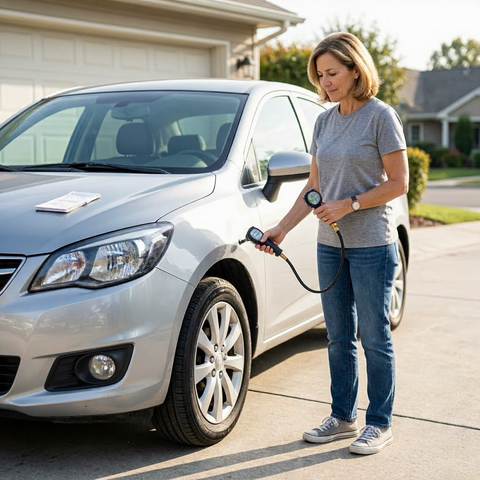
    Maintaining proper tire pressure saves hundreds annually on gas for average U.S. drivers (13,500 miles/year). Just 1 PSI low across tires cuts fuel economy 0.2-0.4%. Get steps to check, tools, calculations, and tips to boost MPG and cut costs.

    EV charging at home vs public charging: real monthly cost comparison

    EV charging at home vs public charging: real monthly cost comparison

    EV owners save big with home charging: $29-$72/month vs $96-$240 public for common profiles. See US rates, Level 2 setups, TOU plans, and hybrid strategies in this detailed breakdown.

    Hybrid vs gas car ownership cost: fuel, maintenance, and battery risk

    Hybrid vs gas car ownership cost: fuel, maintenance, and battery risk

    Break down hybrid vs gas car true ownership costs: fuel efficiency, maintenance schedules, brake savings, and hybrid battery longevity. Practical calculators, tables, and steps to estimate 5-10 year expenses for commuters and families.

    How gas mileage changes the real cost of owning a car

    How gas mileage changes the real cost of owning a car

    Owning a car in the United States involves more than the sticker price or monthly payments. Fuel expenses can add thousands of dollars over the life of a vehicle, making gas mileage one of the biggest factors in total ownership costs. Learn to calculate, compare, and improve MPG for real savings.

    Annual fuel cost calculator: how to compare cars before buying

    Annual fuel cost calculator: how to compare cars before buying

    Fuel costs are among the biggest car expenses for US drivers averaging 13,500 miles/year. Use the annual fuel cost calculator on FuelEconomy.gov to project realistic expenses based on MPG, mileage, and local gas prices. Compare sedans, SUVs, trucks, hybrids, and EVs side-by-side.

    Car accident deductible reimbursement: when you may get it back

    Car accident deductible reimbursement: when you may get it back

    If you've paid your car insurance deductible after a crash not your fault, you may qualify for reimbursement. This guide covers common scenarios, step-by-step process to pursue it via subrogation, essential documents, pitfalls to avoid, and state variations for U.S. auto insurance claims.

    What to do if insurance repair estimate is too low

    What to do if insurance repair estimate is too low

    When your insurance repair estimate falls short of shop quotes, take action. Review your policy, gather evidence, obtain multiple estimates, and communicate professionally to secure the funds needed for quality repairs and vehicle safety.

    Total loss car insurance payout: how to review the settlement

    Total loss car insurance payout: how to review the settlement

    When your car is totaled, insurers offer a settlement based on actual cash value (ACV) minus deductible and salvage. But lowballs are common. This guide walks you through requesting the valuation report, checking comps and adjustments, identifying red flags, negotiating effectively, and escalating via appraisal or state complaints to secure a fair payout.

    Diminished value claim after a car accident: what to document

    Diminished value claim after a car accident: what to document

    After a car accident, even perfect repairs might not restore your vehicle's full market value. This loss is called **diminished value**. Buyers often hesitate to pay top dollar for a car with an accident history, regardless of how well it was fixed. Diminished value claims seek compensation for this drop in resale or trade-in value. They typically target the at-fault driver's insurance company, not your own collision coverage. In the United States, these claims depend on your state's laws and your policy details.

    Rental car insurance at the counter: what to check before paying

    Rental car insurance at the counter: what to check before paying

    At the rental counter, agents push pricey insurance add-ons. But your auto policy or credit card may cover you already. Review this guide's steps: confirm coverage, understand CDW/LDW/SLP, use our checklist, and know when to buy.

    Teen driver insurance cost: ways families can lower premiums

    Teen driver insurance cost: ways families can lower premiums

    Adding a teen driver to your auto insurance policy can significantly increase your premiums. Teens aged 16-19 face higher rates due to inexperience and crash risk. Families see jumps of hundreds annually, varying by state, vehicle, and record. Discover factors influencing costs, average rates, and strategies to lower premiums: comparison shopping, discounts for good grades and training, safer vehicles, coverage tweaks, and more.

    SR-22 insurance cost: who needs it and how long it lasts

    SR-22 insurance cost: who needs it and how long it lasts

    An SR-22 is a document your insurer files with the state DMV proving minimum liability coverage for high-risk drivers. Required after DUI/DWI, reckless driving, multiple accidents, or driving without insurance. Expect premiums 50-200% higher ($1,500-$4,000+ annually), lasting 3 years typically (up to 5 for repeat offenders). Shop quotes from providers like Progressive or Geico, consider non-owner policies, and use discounts to lower costs.

    Car insurance lapse: fees, registration risk, and how to restart coverage

    Car insurance lapse: fees, registration risk, and how to restart coverage

    A car insurance lapse occurs when coverage ends due to missed payments or late renewals, even for a few days. Face immediate fees from insurers, higher future premiums, DMV registration blocks, state fines, license suspension, and personal liability in accidents. This guide covers causes, penalties by state, restart steps, and prevention tips for continuous coverage.

    Uninsured motorist coverage: when it helps after an accident

    Uninsured motorist coverage: when it helps after an accident

    Uninsured motorist coverage, often called UM coverage, protects you if you're injured or your vehicle is damaged in an accident caused by a driver who lacks insurance. In the United States, about 1 in 8 drivers operates without auto insurance, according to estimates from the Insurance Information Institute. This coverage steps in to cover your costs when the at-fault driver's policy won't, paying for medical bills, lost wages, pain and suffering, and property damage.

    Comprehensive vs collision coverage: when each pays for damage

    Comprehensive vs collision coverage: when each pays for damage

    When your car is damaged, collision coverage handles crashes with vehicles, objects, or rollovers, regardless of fault. Comprehensive covers theft, weather, vandalism, fire, and falling objects. Learn key differences, examples, exclusions, and tips to file claims and save on premiums with this complete guide.

    Liability vs full coverage car insurance: what drivers pay for

    Liability vs full coverage car insurance: what drivers pay for

    Most drivers need car insurance for state requirements and accident protection. Liability covers damage you cause others; full coverage protects your vehicle too but costs more. Factors like location, age, credit, and record affect premiums—urban drivers in CA or MI pay higher. Learn differences, costs, and smart choices.

    How auto insurance deductibles affect repair costs after a claim

    How auto insurance deductibles affect repair costs after a claim

    Your auto insurance deductible is the out-of-pocket amount you pay before coverage kicks in on repairs. See how it directly affects costs after accidents, total losses, and more, with real examples and steps to file claims effectively.

    Car loan modification scams: warning signs before paying for help

    Car loan modification scams: warning signs before paying for help

    Falling behind on car loan payments? Beware of modification scams charging upfront fees for services your lender offers free. This guide reveals red flags, real examples from FTC complaints, legitimate steps to contact your servicer, and free government resources to protect your vehicle and wallet.

    Deficiency balance after repossession: how to review and dispute it

    Deficiency balance after repossession: how to review and dispute it

    If your car was repossessed, the deficiency balance is the remaining debt after sale. Lenders may overcharge with improper fees or low sale prices. This guide explains how to demand documentation, review calculations, gather evidence, and dispute inaccuracies using federal laws like FDCPA to protect your finances and credit.

    Car repossession notice: what borrowers should do first

    Car repossession notice: what borrowers should do first

    Getting a car repossession notice starts a countdown. Act fast to verify it's real, review loan docs, call your lender same day, and explore hardship options. This guide outlines first actions to keep your vehicle, avoid fees, and minimize credit damage.

    Voluntary repossession cost: fees, credit impact, and deficiency balance

    Voluntary repossession cost: fees, credit impact, and deficiency balance

    Struggling with car payments? Voluntary repossession avoids surprise repos but incurs fees ($500-$2,000), severe credit damage (100-150 FICO drop), and deficiency debt. This U.S. guide details costs, differences from involuntary, credit effects, and steps to minimize fallout or explore options like refinancing.

    What to do if your car loan payment is unaffordable

    What to do if your car loan payment is unaffordable

    If your monthly car payment exceeds 10-15% of take-home pay, it's unaffordable. Signs include skipping bills or using credit cards for essentials. Act fast: review loan terms, build a budget, contact your lender for deferrals or modifications, refinance if credit allows, or sell/trade the car. Options like voluntary repossession or bankruptcy are last resorts. Free resources from CFPB and NFCC help U.S. drivers resolve issues without losing their vehicle.

    Long-term car loans: how 72 and 84 month payments raise total cost

    Long-term car loans: how 72 and 84 month payments raise total cost

    Many United States drivers turn to 72-month or 84-month auto loans for lower monthly payments. But these terms raise total costs through extra interest. Learn how loan length impacts finance charges, real examples, and steps to compare offers.

    How to compare APR, loan term, and monthly payment on a car loan

    How to compare APR, loan term, and monthly payment on a car loan

    Dealers push low monthly payments, but compare APR, loan term, and total interest to save thousands on car loans. This guide covers definitions, calculations, comparisons, red flags, and steps for smart decisions.

    Car loan preapproval: how it can lower dealership financing costs

    Car loan preapproval: how it can lower dealership financing costs

    Car loan preapproval gives you a firm loan amount and rate before shopping, empowering you to beat dealership financing markups, skip unnecessary add-ons, and lower overall costs. Discover how it works, negotiation strategies, and steps to get started.

    Auto service contract cancellation: how to get money back

    Auto service contract cancellation: how to get money back

    Discover how to cancel your auto service contract and get money back. From gathering documents and reviewing terms to submitting requests and handling refunds, this guide covers free look periods, pro-rated calculations, common challenges, and state-specific rights for U.S. drivers.

    Extended car warranty cost vs factory warranty coverage

    Extended car warranty cost vs factory warranty coverage

    Factory car warranties are included free with new vehicles, typically offering 3 years/36,000 miles bumper-to-bumper and 5 years/60,000 miles powertrain coverage against defects. Extended warranties cost $1,000-$4,000 on average but extend protection up to 8-10 years/150,000+ miles with deductibles and extras like roadside assistance. This guide breaks down costs, coverage, and helps you decide.

    GAP insurance cost: when it is worth it and when to skip it

    GAP insurance cost: when it is worth it and when to skip it

    GAP insurance covers the difference between your auto loan or lease balance and your car's actual cash value if it's totaled or stolen. Average cost: $20 to $40 per month or $500 to $1,000 upfront. Discover when this protection is a smart buy, like for new vehicles with long loans, and when to skip it to lower car ownership costs.

    Dealer add-ons to question before signing a car contract

    Dealer add-ons to question before signing a car contract

    Dealers pitch add-ons that inflate your car’s out-the-door price and loan payments. Learn the most common ones—extended warranties, GAP insurance, paint protection—plus essential questions to ask, a quick reference table, buyer checklist, and strategies to negotiate or skip them for big savings.

    How to estimate sales tax before buying a car

    How to estimate sales tax before buying a car

    Sales tax significantly impacts your car buying budget. This guide shows how to estimate it using state rates, deductions like trade-ins, and online tools for new, used, private sales, and special situations across the US.

    Buying a car out of state: tax, registration, and inspection costs

    Buying a car out of state: tax, registration, and inspection costs

    Buying a car from another state offers deals on used vehicles and lower taxes, but adds complexity with home-state use tax (4%-10%), registration ($100-$500), and inspections ($20-$200). This guide details costs, steps, and tips to plan ahead and verify via your DMV.

    Temporary tags after buying a car: costs, deadlines, and risks

    Temporary tags after buying a car: costs, deadlines, and risks

    Temporary tags let you drive legally after buying a car before permanent plates arrive. Learn costs (dealer $20-$100, DMV $10-$40), deadlines (15-60 days), how to get them from dealers or DMV, renewal options, risks of expired tags (fines, impoundment, no insurance), and permanent registration steps. State tips and checklists included.

    License plate replacement cost after theft, loss, or damage

    License plate replacement cost after theft, loss, or damage

    Losing your license plate to theft, loss, or damage requires prompt replacement to avoid tickets and towing. Fees vary by state ($5-$50+), but insurance may cover. This guide details reporting, DMV process, costs, and savings tips.

    Duplicate car title cost and steps when the title is lost

    Duplicate car title cost and steps when the title is lost

    A car title proves vehicle ownership. Losing it prevents selling, registering, or transferring. Learn first steps to confirm loss, required documents, application methods, costs by state, special situations, and prevention tips for U.S. drivers.

    Car registration renewal fees: what affects the amount you pay

    Car registration renewal fees: what affects the amount you pay

    Car registration renewal fees are essential for keeping your vehicle legal on US roads, but costs differ widely by state rules. Key factors include your state of residence, vehicle type and class, value and age, weight, emissions/safety inspections, local taxes, late penalties, plate type, and multi-year options. Use DMV estimators, checklists, and strategies to anticipate, lower, and manage fees effectively.

    Title transfer cost after buying a car in another state

    Title transfer cost after buying a car in another state

    Buying a car from another state saves on price but requires title transfer to your home state. Costs vary by state: title fees ($10-$100), sales tax (4-10%), registration ($20-$200+), plus inspections. Check your DMV via USAGov for exact rules.

    Private party car sale checklist for buyers in the USA

    Private party car sale checklist for buyers in the USA

    Buying a used car from a private seller in the USA saves money over dealerships but risks hidden issues and scams. This step-by-step checklist guides you through research, inspection, test drive, paperwork, and more for a secure purchase.

    Certified pre-owned car costs: warranty, inspection, and dealer fees

    Certified pre-owned car costs: warranty, inspection, and dealer fees

    Certified pre-owned (CPO) cars provide peace of mind with thorough inspections and extended warranties, but premiums and hidden fees add up. This guide details warranty terms, inspection processes, common dealer charges like doc fees and market adjustments, and strategies to calculate the true out-the-door price while negotiating savings.

    As-is used car purchase: what repairs you may have to pay for

    As-is used car purchase: what repairs you may have to pay for

    Buying a used car "as-is" means you take full responsibility for any repairs after the purchase. Dealers or private sellers often sell vehicles this way to avoid warranty claims, especially for older or high-mileage cars. In the United States, federal law through the FTC requires dealers to disclose "as-is" status clearly on the Buyers Guide. Discover common issues, costs, and steps to minimize risks.

    FTC Buyers Guide on used cars: what it means for warranty coverage

    FTC Buyers Guide on used cars: what it means for warranty coverage

    The FTC Used Car Buyers Guide is a required window sticker on used cars at US dealers, stating if the vehicle has warranty coverage or is sold 'as is'. This impacts your repair responsibilities post-purchase. Understand federal rules, warranty options, risks, and shopping strategies to protect against costly breakdowns like engine or transmission failures.

    Vehicle history report checklist before buying a used car

    Vehicle history report checklist before buying a used car

    Buying a used car? Don't skip the vehicle history report (VHR). This checklist covers what to review for title brands, odometer fraud, accidents, liens, and more to ensure a safe purchase and save thousands.

    Used car inspection cost before buying from a dealer or private seller

    Used car inspection cost before buying from a dealer or private seller

    Buying a used car? A pre-purchase inspection (PPI) costs $100-$400 but saves thousands by revealing hidden issues like engine wear or frame damage. Essential for dealer or private seller purchases, this guide covers average US costs, what's included, factors, and how to choose.

    Dealer doc fee explained: when it is negotiable and when it is not

    Dealer doc fee explained: when it is negotiable and when it is not

    Out-the-door car price: how to calculate taxes, title, and dealer fees

    Out-the-door car price: how to calculate taxes, title, and dealer fees

    The out-the-door (OTD) price is your total cost to drive a new or used car home, including negotiated price plus taxes, title, registration, and dealer fees. Learn to calculate it step-by-step, compare states, negotiate lower, and avoid dealer tricks.

    Explore other categories

    Home Repair Costs

    Typical price ranges, what affects cost, and how to avoid overpaying.

    View

    Refunds & Cancellations

    How to get refunds and cancel subscriptions for popular services.

    View

    AI Tools & Prompts

    Practical AI tools and ready-to-use prompts for everyday tasks.

    View

    Digital Safety

    Spot scams, secure your accounts, and protect your family online.

    View

    Productivity & Remote Work

    Work better from home: focus, tools, schedules, and remote habits.

    View

    Money, Bills & Financial Survival

    Navigate bills, emergency funds, and everyday money problems.

    View

    Government Benefits & Programs

    Find and apply for benefits you may already qualify for.

    View

    Healthcare Navigation

    Understand medical bills, insurance, and how to get care faster.

    View

    Legal Self-Help & Know Your Rights

    Everyday legal basics: contracts, tenant rights, and small claims.

    View

    Taxes

    Filing basics, deductions, and fixing common tax problems.

    View

    Student Debt & Education Costs

    Manage student loans, choose schools, and lower education costs.

    View

    Banking & Credit

    Choose accounts, build credit, and handle banking problems.

    View

    Saving Money & Everyday Costs

    Cut bills, find deals, and keep more of what you earn.

    View

    Online Shopping & E-Commerce Rights

    Shop smarter, return fairly, and fix order problems fast.

    View

    Immigration & Visa Basics

    Understand visas, green cards, and common immigration steps.

    View

    Career & Education

    Build skills, update your resume, and navigate career changes.

    View