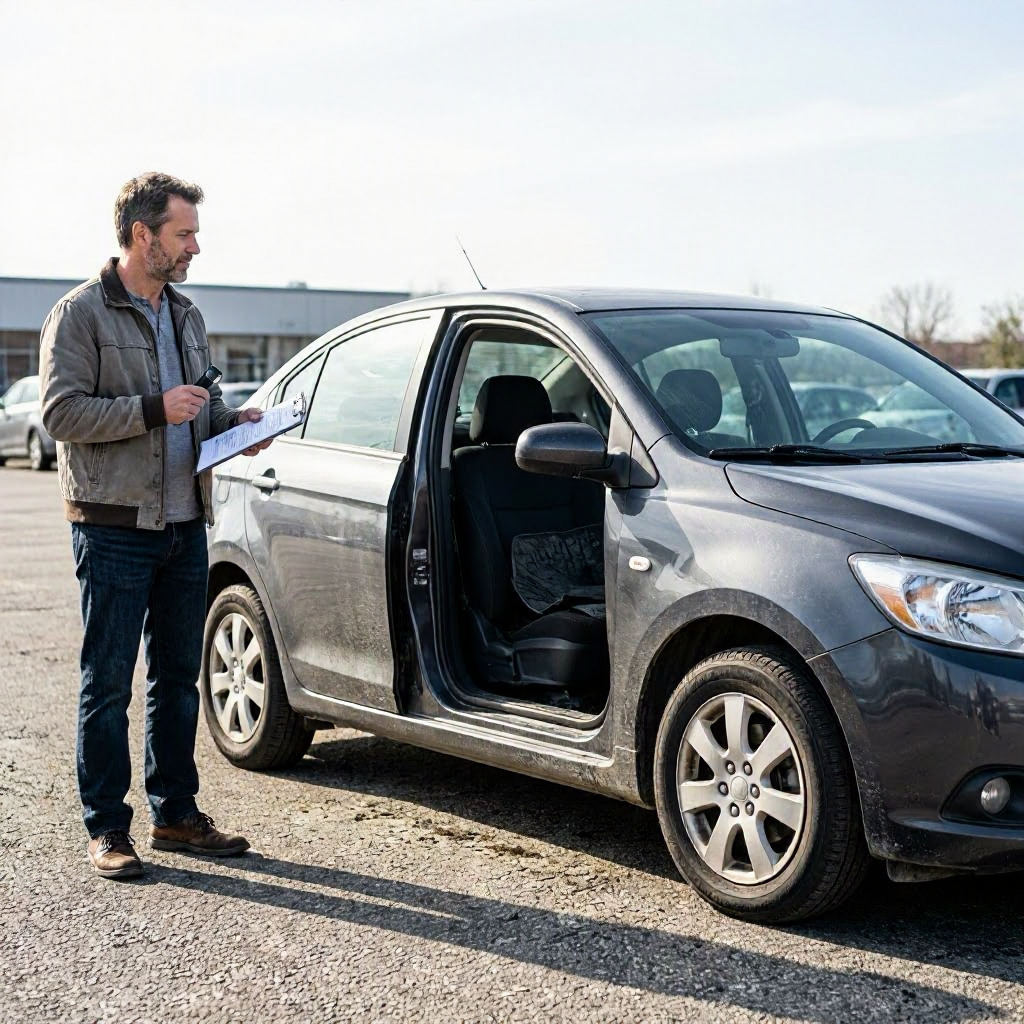
Flood-damaged used car checklist before you buy
Why Flood-Damaged Used Cars Are a Bad Buy
Buying a used car can save money, but flood-damaged vehicles pose serious risks. These cars, often from hurricanes, river overflows, or heavy storms, may look fine on the surface but hide costly problems. Water infiltrates electrical systems, engines, transmissions, and safety features, leading to failures down the road.
In the US, flood-damaged cars frequently end up in auctions and resurface on lots or private sales. Sellers might clean them up and skip disclosures. Repair costs for flood damage can exceed $10,000 to $20,000 or more, depending on severity, vehicle type, and location. Worse, they often fail prematurely, creating safety hazards like faulty airbags or brakes.
Before buying any used car, especially in flood-prone areas like Florida, Texas, or the Gulf Coast, use this checklist. It helps spot issues early, avoid lemons, and protect your wallet. Always verify through official sources and professionals.
Run a Vehicle History Report First
Start with a full vehicle history report. This is non-negotiable for used cars. Services like Carfax, AutoCheck, or the National Motor Vehicle Title Information System (NMVTIS) reveal past flood claims, salvage titles, or auction history.
- Order reports from multiple sources for accuracy. NMVTIS, run by the US Department of Justice, provides title and salvage data from states.
- Look for terms like "flood damage", "water damage", "hurricane", or "salvage/rebuilt title".
- Check odometer readings for rollbacks, common in auction flips.
A clean report doesn't guarantee no damage, but red flags mean walk away. Costs for reports run $20 to $50 each. The FTC recommends this step in their buying a used car guide.
Review the Title and Ownership History
Title status is key. Flood cars often get salvage titles after insurance totals them, then "rebuilt" titles after repairs. Rules vary by state, so check your DMV.
- Ask for the title and run it through your state DMV or NMVTIS.
- Salvage titles mean major damage; rebuilt titles indicate repairs, but quality varies.
- In states like California or New York, rebuilt titles require inspections before road use.
Private sellers must disclose known damage under FTC rules. Dealers face stricter laws. If the title is from a flood-heavy state like Louisiana post-Hurricane Ida, dig deeper. Contact your state DMV website for title verification processes.
Exterior Visual Inspection Checklist
Park the car in bright daylight and inspect every inch. Flood water leaves telltale signs, even after cleaning.
Body and Paint Checks
- Look for mismatched paint or overspray on trim, hinges, or door jambs, signs of rushed bodywork.
- Check panel gaps; uneven lines suggest crash or flood repairs.
- Rust bubbles under paint, especially on rockers, wheel wells, or under doors.
Underbody and Wheels
- Jack up the car or use a lift if possible (ask the seller). Mud, silt, or rust on frame rails, suspension, or exhaust screams flood exposure.
- Inspect wheel wells for fresh gravel or sand not matching mileage.
- Tires: Uneven wear or non-matching brands could hide frame issues.
Doors, Trunk, and Hood
- Open and close doors, hood, and trunk smoothly. Sticking or misalignment points to twisted frames.
- Watermarks or discoloration on seals, hinges, or latches.
Take photos of everything. If selling privately, insist on this before a test drive.
Interior Inspection for Water Damage
Flood water soaks carpets, seats, and electronics. Sellers often replace carpets, but smells and stains linger.
- Smell test: Turn on AC and heater. Musty, mildew odors indicate hidden moisture.
- Lift floor mats and pull back carpets. Check for dampness, stains, or rust on floor pans.
- Seats and headliner: Saggy fabric, stains, or discoloration.
- Electronics: Test all buttons, windows, sunroof, gauges. Foggy lenses or sticky controls signal corrosion.
Sun damage mimics flood wear, but combined signs confirm issues. Probe upholstery seams for softness from rot.
Under the Hood and Engine Bay Scrutiny
Pop the hood and look closely. Water damages wiring, computers, and fluids.
- Wiring harnesses: Corrosion, green patina, or melted insulation.
- Battery tray and fuse box: Rust or water marks.
- Fluids: Milky oil (water contamination), rusty coolant, gritty brake fluid.
- Engine block and firewall: Silt, mud, or mismatched bolts.
Airbags and modules hide water damage, leading to deployment failures. Avoid DIY deep dives; note issues for a mechanic.
Test Drive Red Flags
Drive on varied roads: highways, stops, hills. Flood cars falter under stress.
| Warning Sign During Test Drive | Possible Flood-Related Issue |
|---|---|
| Hesitation or stalling | Electrical shorts or ECM failure |
| Burning or electrical smell | Wiring corrosion |
| AC blows weak or musty | Evaporator mold from water |
| Hard shifting or slipping | Transmission fluid contamination |
| Dashboard warning lights | Faulty sensors or modules |
| Squeaks or rattles | Rusted suspension components |
Listen for unusual noises. Overheat quickly? Walk away—floods warp radiators. Test brakes hard (safely); spongy feel means absorbed moisture.
Hire a Professional Pre-Purchase Inspection
Never skip this. A trusted mechanic's eyes catch what you miss. Expect to pay $100 to $200.
- Choose an independent shop, not the seller's mechanic.
- Request a flood-specific inspection: Frame check, electrical scan, underbody scan.
- Ask for OBD-II scan for error codes hidden from casual looks.
PPI reports detail findings with photos. If damage shows, negotiate price down or bail. The FTC's buying and owning a car page stresses third-party inspections.
Questions to Ask the Seller
Grill the seller politely but firmly. Honest answers build trust; dodges signal trouble.
- "Has this car been in a flood, storm, or high water?"
- "Can I see service records and why fluids were recently changed?"
- "What's the title history? Any salvage or rebuilt status?"
- "Why are you selling? Any recent electrical or AC issues?"
- Dealer-specific: "Does your inventory include flood cars from auctions?"
Get answers in writing, like email or text. Record conversations if legal in your one-party consent state.
Paperwork and Legal Checks
Review all documents before signing.
- Bill of sale: Matches VIN, mileage, price.
- Warranty info: Flood cars rarely qualify for manufacturer coverage.
- Emissions/safety inspection: Recent passes don't rule out flood history.
- Insurance quotes: Factor higher premiums for salvage titles.
Transfer title promptly at your DMV. Some states brand flood titles permanently. Keep copies for your records.
Hidden Costs of Flood Cars
Even if cheap upfront, ownership bites.
- Repairs: Wiring harness $1,000+, ECM $500+, transmission rebuild $3,000+.
- Insurance: Salvage cars cost more or get denied coverage.
- Resale: Flood history tanks value 30-50%.
- Fuel economy drops from drag of wet underbody.
Calculate total ownership: purchase + repairs + insurance + lost trade-in. Tools like Kelley Blue Book factor damage.
Common Scams with Flood-Damaged Cars
Scammers flip auction flooders as gems.
- Title washing: Register in lax states to clean history.
- Fake Carfax: Altered reports or none provided.
- Curbstoning: Dealers pose as private sellers to dodge rules.
- Online bait: Photos hide damage; insist on in-person.
Verify VIN on NHTSA's site for recalls, which flood cars often have. Report suspicions to your state attorney general or FTC.
Final Checklist Before Signing
Use this summary to confirm you've covered bases.
- Vehicle history reports from Carfax/NMVTIS: Clean?
- Title: No salvage/rebuilt/flood brands?
- Exterior clean, no rust/mud/paint mismatches?
- Interior dry, no smells, electronics work?
- Under hood: No corrosion, clear fluids?
- Test drive smooth, no warnings?
- PPI report: Approved?
- Seller disclosures in writing?
- Insurance quote feasible?
- Total cost makes sense long-term?
Walk if any major no. Better deals exist on dry cars.
When to Walk Away
Trust your gut. If the deal feels off, it is. Flood cars rarely pay off. Post-disaster, auctions flood markets—shop later.
For safe used car buying, combine this with general checklists. Your state DMV offers buyer guides. Save thousands and drive worry-free by spotting flood damage early.

About the TDL Expert Panel
TDL Expert Panel · TheDigitalLife Editorial Team
TDL Expert Panel is the editorial team behind TheDigitalLife. The team researches, reviews, and creates practical guides to help everyday readers make better decisions about home repair costs, refunds, AI tools, digital safety, productivity, and useful online resources. Each guide is written to be clear, useful, and easy to understand.