Payment Failed but Money Was Deducted: How to Get It Back
Investigate a failed payment with a balance reduction by checking authorization and settlement, tracing the merchant record, and using the correct provider process.
Streaming, apps, airlines, hotels, gym memberships, online courses — every service has its own refund window and cancellation flow, and most of them are designed to make you give up. This section gives you simple step-by-step guides for requesting refunds and cancelling subscriptions cleanly, plus the exact wording to use when companies push back. The goal is to help you get the money you are owed without spending hours on hold.
Subtopics covered in this hub
Netflix, Prime, Disney+, Spotify and more.
iPhone, Android, web subscriptions.
Airlines, hotels, OTAs, travel insurance.
Udemy, Coursera, bootcamps.
Amazon, marketplaces, returns and chargebacks.
Cancel without surprise renewal fees.
Count business days to a refund, return or dispute deadline.
Find the date a set number of days after a purchase or charge.
Begin with these complete, source-supported guides, then browse the full category.
Stop a recurring card charge by identifying the merchant and contract, cancelling through the correct account, revoking authorization, and disputing later errors.
Whether you get money back depends on whether you paid for a diagnosis, a repair, or a result. How to read the invoice, ask for a warranty visit or refund, and escalate if refused.
Losing the email behind a subscription does not lock you in. Find who bills you, recover or verify the account another way, and stop payments at your bank if the company will not help.

Investigate a failed payment with a balance reduction by checking authorization and settlement, tracing the merchant record, and using the correct provider process.
Resolve a payment with no order by determining whether the transaction is pending or posted, checking merchant records, preserving proof, and escalating correctly.

Decide how long to wait for an approved refund by separating merchant approval from submission, checking payment routing, and calendaring provider deadlines.

Trace a missing card refund by confirming the original payment method, obtaining the merchant's refund record, checking issuer processing, and preserving dispute deadlines.
A duplicate debit-card charge reduces available cash immediately. Confirm both entries posted, request merchant correction, notify the bank, and protect bill payments.

Two credit-card entries may be duplicate authorizations, separate purchases, or duplicate posted charges. Map each entry to receipts before disputing one.

Resolve a persistent pending card charge by identifying the authorization type, asking the merchant for a reversal, checking issuer timing, and watching settlement.

A card alert without an order confirmation may be a pending authorization, delayed order, duplicate attempt, or unauthorized charge. Identify its status first.

Trace a cancelled-order refund by confirming the cancellation terms, distinguishing a card hold from a posted charge, and preserving merchant and issuer deadlines.

A refund to a closed card or account does not vanish, but it may loop back to the merchant. What happens with replaced cards, closed credit accounts and closed bank accounts, and who to call.
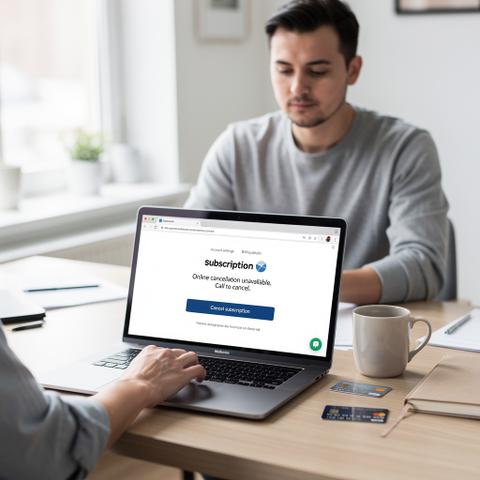
What federal and state law do and do not guarantee, how to document the obstacle, which cancellation channels to try and how to stop the money anyway.
Work out what the charge is, contact the company with a specific request, stop more charges, dispute it on a credit card within 60 days and report it.
A free trial may convert to paid service, but the date, amount, disclosure, consent, and cancellation record determine how to challenge the charge.

Find who really bills you, put the demand in writing, revoke payment authorization with your bank, dispute posted charges and report the company.

A forgotten login does not erase the subscription record. Trace the receipt and billing platform, recover the correct account safely, or cancel through verified support.

Losing the email behind a subscription does not lock you in. Find who bills you, recover or verify the account another way, and stop payments at your bank if the company will not help.
Which records carry the most weight, how to capture terms and confirmations, how to build a timeline and what to do when the company gave you nothing.

Separate ending the contract, stopping payments and recovering charges, send a dated notice, know where law helps and escalate in order.

Where to file an Apple refund request, what the 24 to 48 hour wait means, what to do if the charge is missing, family purchases and next steps after a denial.

Google's 48-hour refund rule, how to request a refund, what the refund statuses mean, when to contact the developer and what to do if both say no.
Cancel an Apple subscription on iPhone, Mac or Windows, why trials need 24 hours notice, how iCloud+ differs and what to do when it is not in your list.
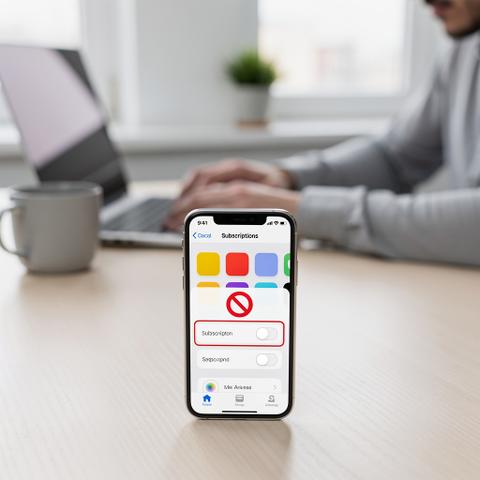
Cancel a Google Play subscription on Android or a computer, what you keep after cancelling, authorization holds, missing subscriptions and pausing.
Why Apple can charge after you cancel, how to identify the charge, check the account and family purchases, request a refund and escalate to a card dispute.

How to confirm a Google Play charge, decide between a refund request and an unauthorized charge report, the 48-hour and 120-day windows and how to prevent repeats.

Trace an accidental in-app purchase to the billing platform, submit the correct refund request quickly, stop repeat charges, and preserve evidence.

A refund may depend on the store, billing route, location, timing, account controls, and purchase history. Identify every transaction before requesting it.

An unfamiliar app charge may be a renewal, family purchase, direct developer bill, or account compromise. Identify the billing channel before disputing it.

A developer’s refusal may not be the final decision if Apple, Google, or another processor billed the purchase. Match the complaint to the actual seller.
Stop a recurring card charge by identifying the merchant and contract, cancelling through the correct account, revoking authorization, and disputing later errors.
Where to check a refund's status, how long each payment method takes, why a refund may be partial or a gift card credit, and how to trace a credit with Amazon and your bank.

What to check first, the 48-hour wait, how Amazon-shipped and seller-shipped orders differ, A-to-z Guarantee timing, USPS options and credit card disputes.
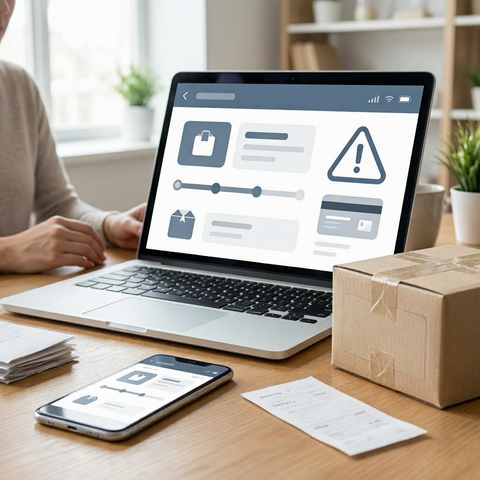
What 'received' means to Amazon, refund types, processing times, third-party seller returns, the A-to-z Guarantee and an escalation checklist, with an illustrative timeline.

How to identify a Prime charge, what Amazon's terms say about refunds after cancelling, how to ask for one, and what the FTC settlement does and does not cover.

Where Walmart sends refunds, why its published timelines differ, how Marketplace returns work and a step-by-step checklist when a refund is late.

Pending hold or posted charge, how long Walmart's published timelines say holds last, what to do if a charge posted after cancellation, and how to dispute it.
Where Target sends refunds, the two timing stages, why a refund can arrive early or be reversed, return windows and what to do when time runs out.

Return types, Best Buy's published processing times, refund method exceptions such as checks and gift cards, return windows and an escalation checklist.

What Costco's satisfaction guarantee covers, the 90-day and non-refundable exceptions, how fast online returns are refunded and what to do if a refund is late.

Why change-of-mind returns depend on store policy, which situations give you more rights, how to ask a manager and when a card dispute is fair to use.
How to report missing or incorrect items, what photos DoorDash asks for, credits vs refunds, the 24-hour grocery rule, refund timing and next steps after a denial.

Most missing Uber Eats refunds are in Uber Cash or netted into a pending charge. Where to look first, a dated example, and how to escalate with Uber and then your bank.
Grubhub's terms promise refunds only case by case, so the report decides the outcome. How to report missing items, ask for money instead of credit, and when to use your card issuer.
Instacart totals move because of holds, replacements and weighed items. How to read each receipt line, spot a real overcharge, get it corrected and dispute only the wrong part.

Rule out a temporary hold, a cancellation fee and a shared account, then report the trip within 30 days. See what Uber's refund policy covers and how to dispute with your card.

Lyft puts a dispute button inside each ride. Learn why daily combined charges, pending lines and cancel or no-show fees can look wrong, and how to dispute with facts.
An order marked delivered but missing is usually refunded if you report it fast and in the right category. The first ten minutes, each app's steps, and what to do if refused.
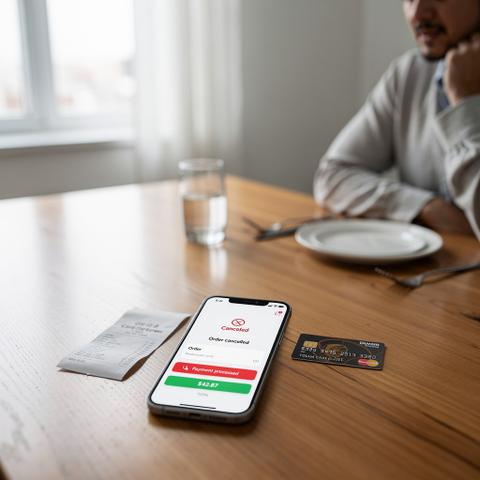
A canceled order usually leaves a pending authorization, not a real charge. How to tell the two apart, who to contact for a release or refund, and when to dispute.

A bank dispute works best after the app has had a fair chance and the facts are on paper. When to dispute, how to build the case, and how credit and debit card rules differ.
A tip you did not choose is an incorrect charge. How to check what you authorized, ask the restaurant or app to correct it, and dispute only the difference if it will not.
A step-by-step path from the cancellation notice to the money: what not to accept, what to send, what the refund should include, the DOT deadlines and where to escalate.
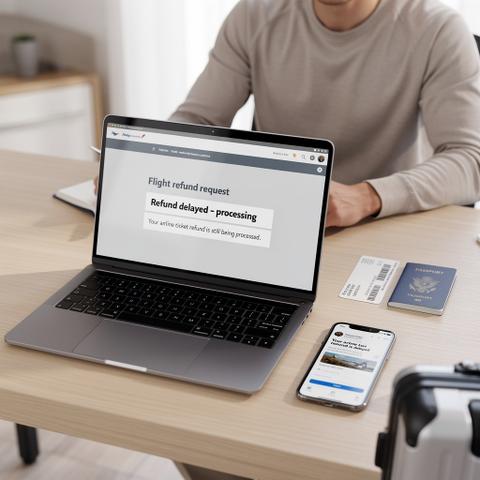
Work out whether the refund is late yet, paid but unseen, issued as a voucher or caught with a booking site, then escalate to the DOT and your card issuer with the clock running.

A credit is allowed only if you choose it. See what the DOT automatic refund rule says, which changes trigger a refund, a worked example and how to decline in writing.

A hotel cancellation fee is fair only if you canceled late under the rate you booked. How to check the policy and deadline, ask for a reversal, and dispute a fee charged in error.

A hotel 'deposit' is often a released hold waiting on your bank, sometimes a real charge to refund, sometimes a deduction. How to tell them apart using the folio, and what to do.
A host's no is only the first layer. See Airbnb's 72-hour reporting rule, what the Resolution Center can and cannot do, how to build your evidence and when to dispute with your card.

A late Booking.com refund is held by the property, by Booking.com, or by your bank. How to find out which, check the cancellation policy, escalate with dates, and use your card issuer.
Work out who took your payment, what kind of booking you made and whether the cancellation was confirmed. See Expedia's 24-hour and 7-business-day timings and when to dispute with your card.

Rental car deposits are delayed, reduced or withheld. How refunds work by payment method using Enterprise's rules, how to read the receipt, and how to challenge unsupported charges.
Most travel insurance denials turn on a missing document, an unlisted reason, or an exclusion. How to read the denial against the policy, build an appeal, and bring in your state regulator.

Follow the contract's cancellation method, keep proof, and know why stopping your card can backfire. See what the FTC alleges, state-law checks and the 60-day card dispute clock.
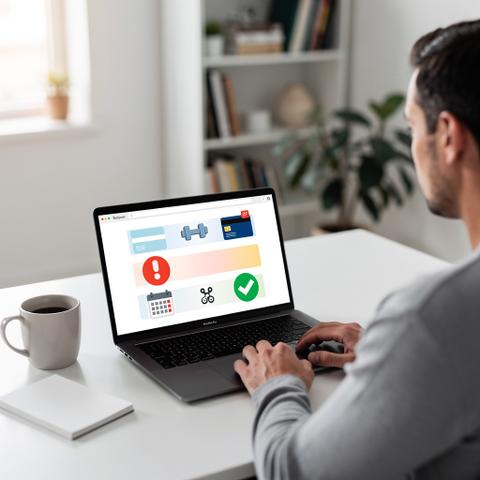
Check the contract's notice rules, separate add-on charges, gather proof of what you sent, ask for a refund in writing, stop the next charge and dispute it.

Planet Fitness cancellation rules come from your home club's agreement. How to cancel in a way you can prove, which state laws help, and how to reverse charges taken after you canceled.

Most charges after cancelling trace to an unfinished cancellation, a restart, another billing company or the final cycle. Check each, then ask Netflix in writing and dispute if needed.
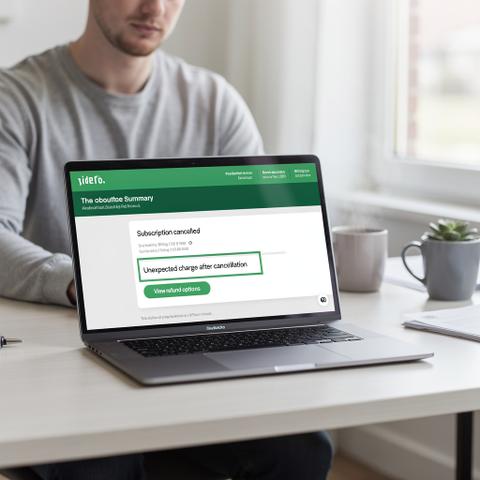
Hulu's agreement sets the cancellation deadline at 11:59 p.m. Eastern the day before billing and refunds partial periods only at its discretion. See what to do for direct and app-store billing.
The Subscriber Agreement counts billing periods strictly. Check the 11:59 p.m. Eastern deadline, plan switches, shifted billing dates and third-party billing before you ask for the charge back.

Spotify's help pages separate a final payment taken just before you cancel from a cancellation that never finished. Read your account page, then ask for a refund or dispute the charge.

Resolve post-cancellation internet charges by reconstructing the effective date, checking the final bill and equipment, requesting corrections, and escalating with proof.
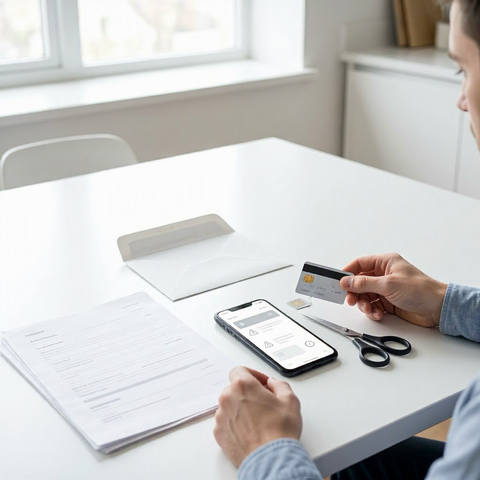
A final carrier bill mixes fees, device balances and lost credits. How to tell which charges your agreement allows, ask for removal, use servicemember rights, and file an FCC complaint.

A cancellation request needs a provable date, account scope, equipment record, and final-bill review. Escalate the specific failure instead of starting over.

Whether you get money back depends on whether you paid for a diagnosis, a repair, or a result. How to read the invoice, ask for a warranty visit or refund, and escalate if refused.

Appeal a denied warranty claim by matching the written coverage to the defect, correcting evidence gaps, and escalating through the warrantor's formal process.

A contractor who takes a deposit and never starts can be put on notice, reported, and pursued through bonds, card disputes and court. Deposit limits, demand letters and the steps in order.

Home warranty denials rest on a few contract clauses. How to read the denial, gather evidence that answers it, write an appeal, and complain to the state agency that regulates home warranties.

An extended-warranty refund depends on the contract, cancellation date, claims, financing, fees, and state rules. Send notice to the correct administrator.

The estimate, authorization and invoice decide most repair disputes. How to check the bill, prove work was not done with old parts and a second inspection, and where to complain.

Evaluate an unsuccessful car repair by comparing the authorized diagnosis and work with the invoice, warranty, current symptoms, and an independent inspection.

A strong cleaning-service complaint connects the agreed scope to specific missed or damaged areas, prompt notice, photos, and a proportionate remedy.

A charge for a visit that never happened is usually reversible. How to check what you agreed to, prove the no-show, ask for a refund, and dispute it if the business will not budge.

The end of a written warranty is not always the end of your options. Implied warranties, recalls, manufacturer goodwill and card benefits, in the order most likely to work.
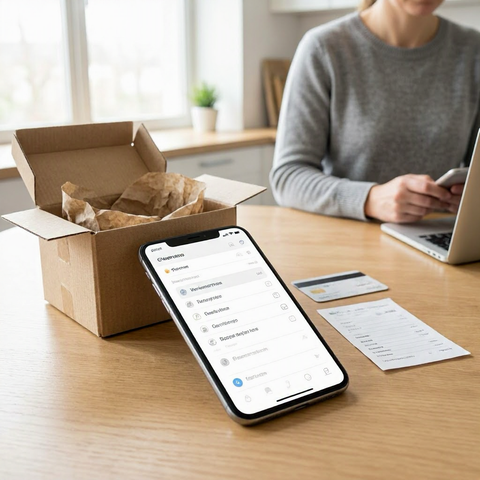
Meta's Purchase Protection covers only onsite checkout. What to do if you paid through checkout, what to do if you paid the seller directly, and how to report the seller.

eBay's guarantee lets you return a misdescribed item even when the seller offers no returns. See the deadlines, the 3-business-day seller clock, when to ask eBay to step in and what is excluded.

Etsy needs you to message the seller first, wait 48 hours, then open a case. See which problems qualify, how timing differs across Etsy's pages and when to dispute with your card.
Mercari decides refunds on a 72-hour clock and a 'significantly not as described' test. Find the reason for the denial, ask for a review that can succeed, and know your options after.
Posh Protect refunds items that never ship or do not match the listing, if you report within 3 days. What qualifies, how to report, the 5-day return rule, and what to do if denied.
Craigslist cannot refund you, so recovery depends on how you paid. The first call for each payment method, a dated example, where to report the seller, and the follow-up scams to ignore.

Fake stores rarely refund, so recovery runs through your payment provider. How to tell a fake from a slow store, who to call, what to send your card issuer, and where to report.

What to keep, how to report damage to the seller, carrier claim deadlines at USPS, UPS and FedEx, and when a card dispute fits a damaged item.
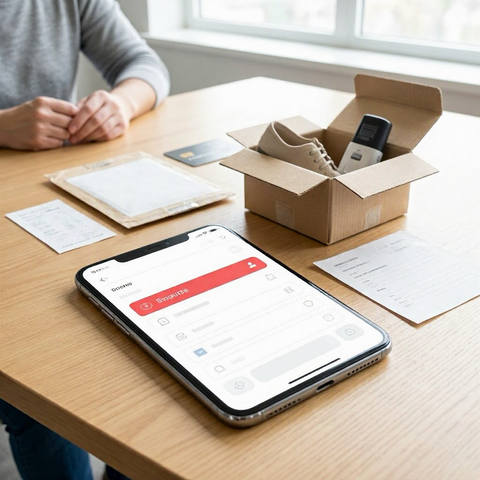
A wrong item is a delivery failure, not an opinion. Photograph it, ask for a specific fix in writing, use the marketplace guarantee, and dispute with your card issuer if needed.

No federal law requires free returns, but a seller's mistake should not cost you postage. How policy, state disclosure laws and the reason for the return decide who pays.

A refund is the merchant's decision; a chargeback is your card issuer's. See how the 60-day billing-error clock, debit card rules and the good-faith requirement decide which to try first.

A card dispute works when the charge was wrong or the goods or service were not delivered as agreed. How to tell a dispute from a disagreement, which rules apply, and how to file one that holds up.
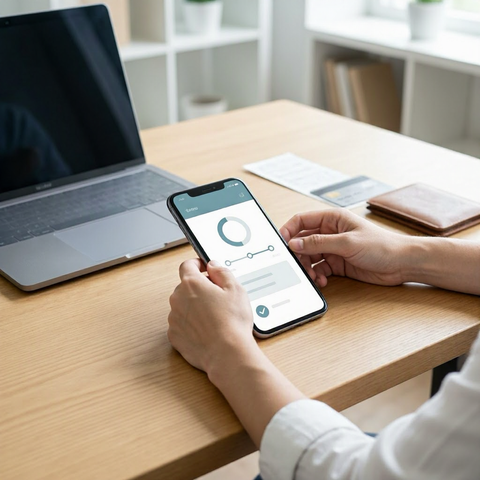
A card refund moves through three stages, and only the merchant's stages have deadlines. Learn what to count, a dated example, and what to check when the credit is late.

Reporting a bad online seller is a short ladder: the seller, your card issuer, your state office, then federal agencies. See what each rung does and what to put in every report.

There is no general federal right to return anything. This guide separates store policy, the FTC mail-order and cooling-off rules, card billing-error rights, debit rules and state law.
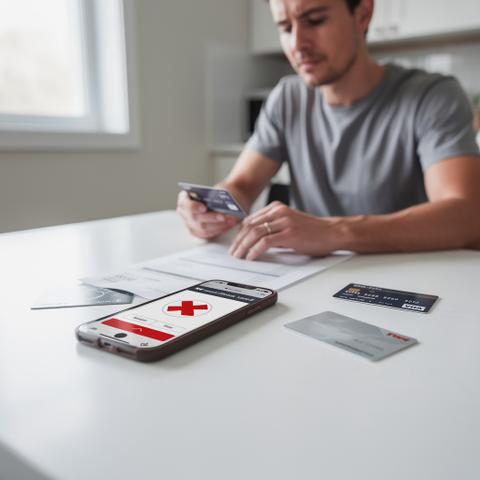
A denial letter is often one stage of the process. Read the reason, ask for the evidence, rebut with documents, and escalate to the CFPB, using the Regulation Z and Regulation E deadlines.

A state office can mediate and investigate, but it will not act as your lawyer. Learn when contacting it is worth it, how to find the right one and what to include.

A good refund email states the amount, the facts and a deadline. See what FTC guidance says to include, a fill-in template, tweaks for common problems and mistakes to avoid.

A complaint gets a front-line refusal in front of someone who can approve a refund. Which agency handles your problem, how to write a complaint that gets read, and what to do alongside it.
This is general consumer information, not legal advice. Refund and cancellation rights vary by state, by seller, and by service terms. For disputes involving large amounts, consider contacting your bank, your card issuer, or your state attorney general's consumer protection office.