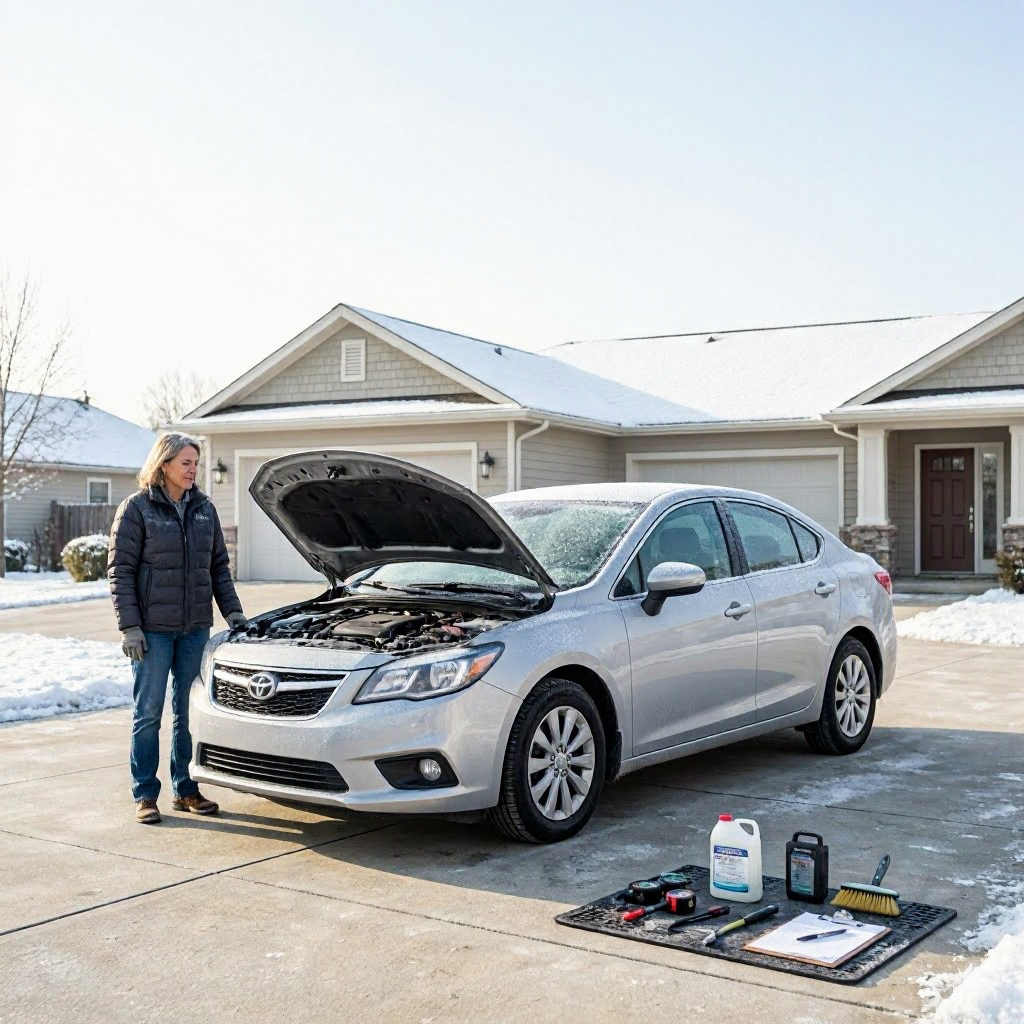
Winter car maintenance cost checklist for U.S. drivers
Why Winter Car Maintenance Matters for U.S. Drivers
Winter driving across the U.S. brings challenges like snow, ice, salt-treated roads, and freezing temperatures that can strain your vehicle. Skipping maintenance risks breakdowns, accidents, or expensive emergency repairs, which often cost more than planned seasonal checks. For instance, a commuter in the Midwest facing daily slush might deal with corroded brakes, while a California mountain driver contends with chain requirements and sudden storms.
This checklist focuses on key winter prep items, cost factors, and steps to keep expenses down. Costs vary widely by your vehicle's make, model, year, location, shop labor rates (typically $100-$200 per hour in urban areas), parts quality, and whether work falls under warranty. Always get written estimates before approving repairs, and check for recalls at NHTSA.gov/recalls to avoid paying for covered fixes.
Regular winter checks can prevent $1,000+ in surprise bills, like towing from a dead battery or blowouts from worn tires. Start by reviewing your maintenance records and scheduling a pre-winter inspection at a trusted mechanic or dealership.
Create Your Personalized Winter Maintenance Checklist
Begin with a full vehicle walk-around and dashboard scan. Note any warning lights, unusual noises, or handling issues. Use this as your baseline to prioritize tasks.
Gather these documents before visiting a shop:
- Owner's manual for fluid specs and maintenance intervals.
- Service records for warranty claims.
- Vehicle history report if buying tires or major parts.
- Insurance policy for coverage on safety-related repairs.
Prioritize safety items first: Tires, brakes, battery, and lights directly impact winter road safety. Defer non-urgent cosmetics until spring.
Quick Prioritization Table
| Maintenance Item | Urgency Level | Why Check Now |
|---|---|---|
| Tires (tread, pressure) | High | Snow and ice reduce traction; blowouts common below 32°F. |
| Battery | High | Cold cuts capacity by 60%; failures spike in winter. |
| Brakes | High | Salt and moisture accelerate wear; test in safe lot. |
| Fluids (antifreeze, wipers) | Medium | Freezing leads to cracks or poor visibility. |
| Lights and wipers | Medium | Shorter days mean more night driving; ice buildup deadly. |
| Exhaust/heat | Low-Medium | Cabin warmth and emissions tests fail without it. |
This table helps you decide what to tackle first based on your driving needs, like rural commutes versus city parking.
Tires: The Top Winter Cost Driver
Tires top the winter checklist because they handle 100% of road contact. In snowy states like New York or Colorado, inadequate tread causes most skids.
Check first: Measure tread depth with a penny (Lincoln's head should be hidden; below 2/32" needs replacement). Inspect sidewalls for cracks, bulges, or uneven wear. Maintain 32-35 PSI cold, per door sticker.
Cost factors:
- All-season vs. winter tires: Winter sets add $400-$1,200 for a pair, but last longer in harsh conditions.
- Size and brand: Economy tires cheaper upfront, premiums offer better grip.
- Rotation/balancing: $20-$50 every 5,000 miles.
- Location: Rural shops charge less than urban dealerships.
How to lower the bill:
- Rotate tires yourself if handy (jack, stands, torque wrench).
- Shop sales at Tire Rack or Discount Tire; compare four quotes.
- Ask: "Are these OEM or aftermarket? What's the treadwear warranty?"
If chains are required (check state DOT sites), budget $50-$150. Replace four tires if one is worn to avoid imbalance. A pre-winter alignment ($75-$150) prevents pulling on icy roads.
Keep receipts for insurance claims or resale value.
Battery: Cold Weather's Silent Killer
Batteries lose power fast below freezing, stranding drivers nationwide. AAA reports millions of jump-starts from November to March.
Check first: Test voltage (12.6V+ engine off; 14V+ running). Look for corrosion on terminals. Most last 3-5 years; replace proactively.
Cost factors:
- Standard vs. AGM: $100-$250 installed.
- Labor: 30-60 minutes.
- Diagnostics: $20-$50, often waived if replacing.
- Vehicle type: Diesels or hybrids cost more.
Pro tips:
- Clean terminals with baking soda/water mix (DIY-safe).
- Get a free test at AutoZone or Advance Auto Parts.
- Ask: "Does this include load testing? Warranty length?"
Extended warranties cover many failures. Avoid charging in extreme cold; tow if dead. Install before November to beat rush fees.
Brakes: Safety on Slippery Roads
Winter salt eats brake components, turning pads into dust. Test by braking firmly in a parking lot; listen for grinding.
Check first: Inspect pads (under 3mm thick = replace), rotors for grooves, fluid level/color. ABS light means professional scan.
Cost factors:
- Pads/rotors: $300-$800 front set; full system $1,000+.
- Drum vs. disc: Older cars cheaper.
- Shop rates and parts markup.
Save money:
- Flush brake fluid yearly ($100-$200) prevents sponginess.
- Get second opinion on "resurfacing" rotors vs. new.
- Ask: "Itemized parts/labor? What's covered under warranty?"
Do not drive with grinding noises or pulling, risking crashes. Document with photos for disputes.
Fluids and Cooling System: Prevent Costly Freezes
Antifreeze protects against -30°F bursts; low levels lead to $2,000+ engine repairs.
Check first: Coolant level in reservoir (pink/orange/green per manual). Test freeze point at shop. Also inspect oil, transmission, power steering fluids.
Cost factors:
- Flush/fill: $100-$250.
- Hoses/clamps: $200-$500 if cracked.
- Thermostat: $300-$600.
DIY where safe: Top off washer fluid with winter formula ($5/gallon). Use proper mixes to avoid gelling.
Ask shops: "50/50 premix or concentrate? Test results included?" Change oil before cold snaps; synthetics flow better.
Wipers, Lights, and Visibility Essentials
Poor visibility kills in blizzards. Replace blades yearly; ice shreds rubber.
Check first: Spray washer fluid; blades should clear fully. Test all lights (headlights, brakes, signals). Defrosters blow hot air evenly?
Cost factors:
- Blades: $20-$60 set.
- Bulbs: $10-$50 each, $100+ HID/LED.
- Fluid: $10-$20 winter mix.
Budget hacks:
- Replace blades DIY (10 minutes).
- LED upgrades last longer, but verify DOT approval.
- Ask: "Beam alignment included?"
Foggy windshields? Check cabin filter ($20-$50). Keep an ice scraper/brush kit ($15).
Suspension, Exhaust, and Underbody Protection
Potholes and salt attack shocks, struts, and exhaust. Rattles or smoke signal issues.
Check first: Bounce each corner (excessive = worn shocks). Exhaust for holes/rust. Underbody for rust (jack safely).
Cost factors:
- Shocks/struts: $500-$1,500 set.
- Exhaust patch/muffler: $200-$800.
- Rustproofing: $100-$300 spray.
In salt-belt states (Rust Belt), wash undercarriage monthly ($20 self-serve). Ask: "OEM parts? Labor warranty?"
Heating System and Cabin Comfort
No heat strands families. Clogged heaters cause $400+ heater core jobs.
Check first: Full hot air both sides. Coolant clean.
Cost factors: Blower motor $300-$600; core $800+.
Belt tensioners fail in cold; listen for squeals.
Estimating Your Total Winter Bill
Add up checklist items based on your vehicle. A mid-size sedan might run $500-$2,000 total, trucks/SUVs higher for bigger parts.
| Cost Category | Typical Range | Ways to Reduce |
|---|---|---|
| Tires/Rotation | $200-$1,200 | Promotions, DIY rotate |
| Battery | $150-$300 | Free tests, shop around |
| Brakes/Fluids | $400-$1,000 | Multi-point inspections |
| Fluids/Wipers/Lights | $100-$400 | DIY fluids/blades |
| Other (suspension, etc.) | $300-$1,000 | Prioritize safety |
Total varies 2-3x by neglect level and location (e.g., Alaska pricier than Arizona). Bundle services for discounts; loyalty programs at chains save 10-20%.
Track in a spreadsheet: Item, shop quote, date, mileage.
Finding Reliable Shops and Avoiding Upsells
Search ASE-certified mechanics via AAA or Yelp. Dealerships for warranties, independents for savings.
Questions to ask:
- Written estimate with parts/labor breakdown?
- Shop supplies, taxes, disposal fees included?
- Warranty on work (90 days typical)?
- Can I supply parts?
Get 2-3 quotes for $500+ jobs. Watch for "flush everything" pitches without diagnostics.
Red flags: No invoice details, pressure to approve now, unrelated "needs."
Warranty, Recalls, and Insurance Angles
Check manufacturer warranty (often 3yr/36k basic). Powertrain covers some winter failures.
Verify recalls at NHTSA.gov/recalls or safercar.gov. Free fixes!
Insurance may cover battery if theft-damaged, but not wear. Review policy for comprehensive.
Keep all records digitally/physical for claims or sales.
Driving Habits to Extend Maintenance Value
Ease into brakes, avoid jackrabbit starts. Park in garage to shield from elements. Scrape windows fully.
Install block heater in sub-zero areas ($100-$200) for easier starts.
Long-Term Winter Cost Savings Strategies
Switch to winter tires if frequent snow; ROI via fewer accidents. Annual inspections ($50-$150) catch issues early.
Gig workers or families: Budget $100/month into a car fund. Sell traded fluids responsibly.
For used cars, factor winter history in purchases.
This checklist equips you to prep safely and affordably. Inspect now, drive confidently through winter. Verify local rules via state DOT sites.

About the TDL Expert Panel
TDL Expert Panel · TheDigitalLife Editorial Team
TDL Expert Panel is the editorial team behind TheDigitalLife. The team researches, reviews, and creates practical guides to help everyday readers make better decisions about home repair costs, refunds, AI tools, digital safety, productivity, and useful online resources. Each guide is written to be clear, useful, and easy to understand.