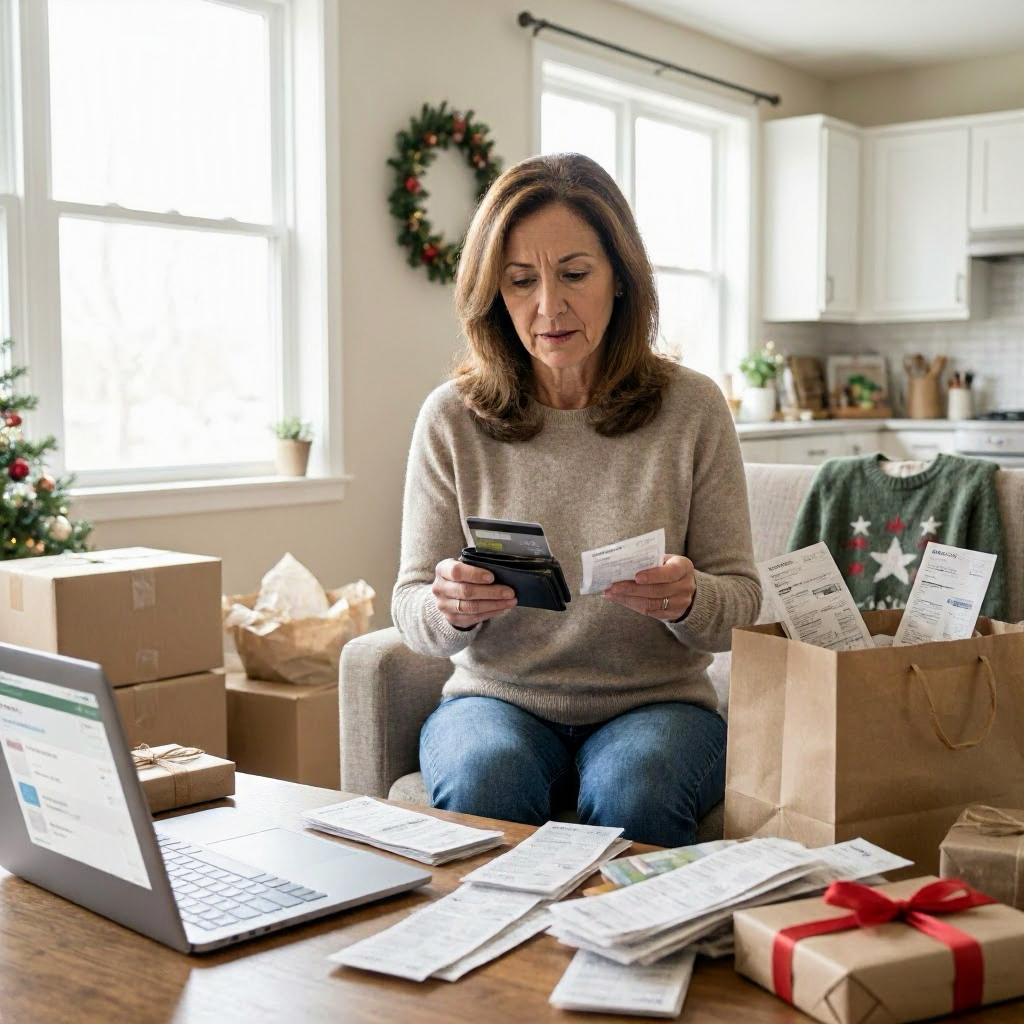
Mistakes that make holiday shopping more expensive
Why Holiday Shopping Mistakes Drain Your Wallet
Holiday shopping season brings excitement, but it also tempts many U.S. households into costly errors. With Black Friday, Cyber Monday, and end-of-year sales, spending can spiral quickly. The average American family might overspend by hundreds of dollars due to simple oversights, according to consumer reports from trusted sources like the Federal Trade Commission (FTC).
These mistakes often hide in plain sight: impulse buys at checkout, overlooked shipping fees, or chasing "limited-time deals" that aren't deals at all. Recognizing them lets you shop smarter, stick to your budget, and keep more money in your pocket. This guide breaks down the most common pitfalls and gives practical steps to avoid them, tailored for U.S. shoppers facing sales tax, retailer loyalty programs, and online fees.
Mistake 1: Not Setting a Realistic Holiday Budget First
Jumping into shopping without a budget is like driving without a map, especially when ads bombard you with "must-have" gifts. Many forget to account for total holiday costs, including gifts, shipping, wrapping, cards, food, and travel. This leads to maxed-out credit cards and regret in January.
Start with a simple budget breakdown. List everyone you're buying for, then assign dollar amounts per person or category. For a family of four, aim for $50-100 per gift recipient, adjusting for income. Use free tools like bank apps or a spreadsheet to track planned versus actual spending.
Review your recent bank statements for last year's holiday outlays. Subtract fixed December expenses like rent, utilities, and bills first. Build in a 10-20% buffer for surprises. Check renewal dates on subscriptions or insurance to avoid overlapping costs.
Track spending daily during the season. Apps from major U.S. banks like Chase or Bank of America often have holiday trackers. This prevents the "I'll worry about it later" trap that adds unnecessary interest charges.
Mistake 2: Shopping Without a Pre-Made List
Wandering stores or sites without a list invites impulse purchases. Retailers design layouts and algorithms to push extras, like suggested items on Amazon or end-caps at Target. You end up buying unneeded stocking stuffers or duplicates.
Make a detailed list before you shop. Note specific gifts, recipients, maximum prices, and stores. For example, "Uncle Bob: work socks under $20 at Walmart." Cross off items as bought to avoid repeats.
Plan around sales cycles: Black Friday for electronics, Cyber Monday for online deals. Use weekly ads from retailers like Kroger or Safeway via their apps. Prioritize needs over wants, separating "essential gifts" from "nice-to-haves."
Incorporate family input. Share a Google Doc or group text for wishlists to match needs without overspending. This cuts waste, like buying clothes in the wrong size.
Mistake 3: Ignoring Total Costs Beyond the Sticker Price
Focusing only on the sale price misses hidden add-ons like sales tax, shipping, or service fees. Online orders from sites without free shipping can add $10-20 per item, while in-store pickup avoids this but eats time.
Always calculate the final checkout total. Add estimated state sales tax (5-10% in most areas), shipping, and any "protection plans." Compare Amazon Prime benefits if you have it, versus Walmart+ or free pickup at stores like Best Buy.
For big-ticket items, factor in assembly or delivery fees. Use retailer price comparison tools or sites like Google Shopping to see all-in costs. Avoid "free shipping over $35" traps by not padding carts with extras.
Keep receipts for tax deductions if eligible, like charitable donations. Review your cart before finalizing, and abandon if fees make it pricier than alternatives.
Mistake 4: Falling for Impulse Buys at Checkout
Retailers place low-cost items near registers to boost averages by 20-30%. Online, "frequently bought together" suggestions prey on this. That $15 ornament set or candy bag adds up across multiple trips.
Practice the 24-hour rule for non-list items. Add to a wishlist or cart, then wait a day. If you still need it, revisit during a targeted sale.
Shop with cash or debit only for small spends to limit exposure. Set phone timers for store visits: 30 minutes max. Eat before shopping to curb snack temptations.
Review bank alerts post-purchase. Categorize impulse buys in your budget tracker to spot patterns next year.
Mistake 5: Chasing "Limited-Time Deals" Without Verification
Flash sales sound urgent, but many are inflated prices dropped to "sale" levels. Retailers like Macy's or Kohl's sometimes hike pre-sale prices, per FTC warnings on deceptive pricing.
Verify deals with price histories. Use tools like CamelCamelCamel for Amazon price tracking or Honey browser extension for coupons. Check if the "50% off" beats regular prices elsewhere.
Compare across competitors: Target RedCard vs. Amazon, or Best Buy vs. Walmart. Look at unit prices for multiples, like toys or baking supplies.
Avoid FOMO by sticking to your list. Real deals align with planned buys, not new wants.
| Common "Deal" Red Flag | What to Check Instead |
|---|---|
| "Limited stock" pressure | Price history on retailer site or Google Shopping |
| Price was higher "yesterday" | Competitor prices and regular pricing |
| Requires email signup | Legitimate coupons via loyalty apps |
| "Today only" across sites | Weekly ads from multiple stores |
Mistake 6: Overbuying in Bulk or Multi-Packs "Because It's a Deal"
Warehouse clubs like Costco or Sam's Club tempt with bulk buys, but perishables spoil, and extras gather dust. You might spend $100 on gifts you don't need, tying up cash.
Buy bulk only for verified needs. Check home inventory first: pantry staples, wrapping paper. Calculate per-unit cost versus regular sizes at Aldi or Dollar General.
Split memberships with family if possible, per terms. For non-perishables like batteries, confirm usage rates. Return unopened extras if policy allows, keeping receipts.
Test small quantities first. Track if bulk truly saves after waste.
Mistake 7: Using Buy Now, Pay Later (BNPL) Without Reading Terms
Services like Affirm or Afterpay seem interest-free, but late fees hit $7-10 per missed payment. High-pressure holiday use leads to debt cycles, as noted by the Consumer Financial Protection Bureau (CFPB).
Treat BNPL like credit. Compare total cost to cash price, including fees. Limit to one big item, paying off before new ones.
Read fine print: approval impacts credit, returns complicate refunds. Use only if you have the cash set aside.
Opt for 0% APR credit cards with rewards if better, paying in full monthly. Check statements for surprise charges.
Mistake 8: Neglecting Rewards, Cashback, and Loyalty Programs
Skipping sign-up bonuses or points means missing 5-20% back. But unused programs waste time tracking.
Activate programs strategically. Stack Target Circle, Ibotta for groceries/gifts, or Rakuten for online cashback. Link cards to loyalty apps pre-shopping.
Compare rewards value: 2% cashback beats 1% points unless redeemable high. Use gift cards bought at discount for extra savings.
Review accounts post-season for unredeemed points. Cancel unused ones via official portals.
Mistake 9: Last-Minute Shopping and Rushed Decisions
Procrastination forces premium shipping ($20+ overnight) or full-price buys. Stores jack prices on December 23rd.
Shop early and spread out. Start in October with lists. Use price alerts on apps for drops.
Batch errands: one trip per store type. Opt for curbside pickup to save time/gas.
Build a calendar: Black Friday for deals, early December for shipping buffers.
Mistake 10: Overlooking Return Policies and Post-Purchase Fees
Buying without checking returns leads to restocking fees (15-25%) or no-refund losses. Online policies vary: Amazon 30 days, others shorter.
Read policies before buying. Note windows, conditions (tags on, original packaging), and free return shipping.
Keep all receipts, boxes, and order confirmations. Photograph unboxings for disputes.
Shop stores with lenient policies like Kohl's or JCPenney for flexibility.
Mistake 11: Falling for Holiday Scams and Phishing
Fake sites mimic Amazon or Walmart, stealing card info. Phishing emails promise "extra 20% off" with malware links, per FTC alerts.
Verify everything officially. Shop only known sites (amazon.com, not copycats). Use bookmarks, not search links.
Check for HTTPS locks, no odd spellings. Avoid unsolicited calls offering "deals."
Report suspicions to FTC at consumer.ftc.gov. Use credit cards for purchase protection.
| Scam Warning Sign | Safer Action |
|---|---|
| Urgent "claim your deal" emails | Go directly to retailer site |
| Unsolicited calls/texts | Hang up, check account portal |
| Too-good prices (80% off iPhones) | Compare official listings |
| Payment via gift cards/crypto | Never; use card or PayPal |
Mistake 12: Shopping When Tired, Stressed, or Emotional
Late-night online scrolls or crowded mall rushes lead to poor choices. Hunger amplifies buys.
Optimize conditions. Shop rested, fed, with a companion for accountability. Set session limits: 45 minutes online.
Take breaks, review carts soberly. Use incognito mode to avoid personalized temptations.
Holiday Shopping Cost Checklist
Use this quick audit to catch mistakes:
- Budget check: Under limit? Buffer intact?
- List match: Every item planned?
- Total cost: Tax, shipping, fees included?
- Price verify: Best deal confirmed?
- Rewards used: Coupons, cashback applied?
- Policy review: Returns clear?
- Scam scan: Official site only?
Track weekly: Compare planned vs. spent. Adjust mid-season.
Building a Smarter Holiday Savings Plan
Combine fixes for real impact. Start with a 30-day prep: Audit statements, make lists, set budgets. Mid-season, review progress.
Long-term: Save monthly into a "holiday fund" via bank transfers. Use high-yield savings if available.
Post-holiday: Analyze receipts/statements. Note wins/losses for next year. Cancel unused trials immediately.
Focus on experiences over stuff: homemade gifts cut costs 50-80%. Prioritize joy without debt.
By dodging these mistakes, U.S. shoppers keep holidays merry without the financial hangover. Verify details on retailer sites or CFPB/FTC resources for your state. Your wallet will thank you.

About the TDL Expert Panel
TDL Expert Panel · TheDigitalLife Editorial Team
TDL Expert Panel is the editorial team behind TheDigitalLife. The team researches, reviews, and creates practical guides to help everyday readers make better decisions about home repair costs, refunds, AI tools, digital safety, productivity, and useful online resources. Each guide is written to be clear, useful, and easy to understand.