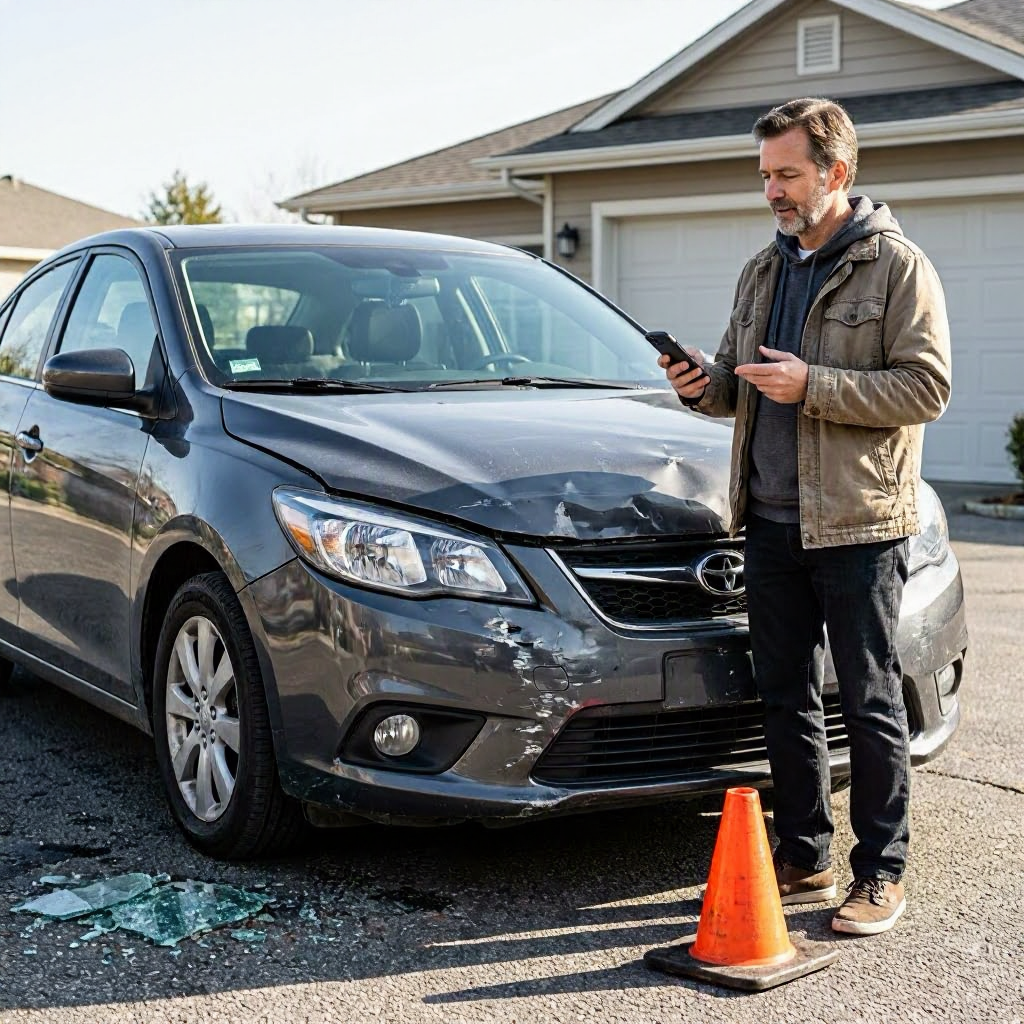
Comprehensive vs collision coverage: when each pays for damage
Understanding Collision and Comprehensive Coverage
When your car gets damaged, your auto insurance policy determines what gets covered and how much you pay out of pocket. Two key coverages, collision and comprehensive, handle different types of damage, but they often confuse drivers because both can apply to your vehicle regardless of fault.
Collision coverage pays for damage to your car from collisions. Comprehensive coverage handles non-collision events like theft or weather damage. Knowing when each kicks in helps you file the right claim, avoid surprises with your deductible, and decide if your policy meets your needs.
In the United States, these are optional coverages unless your lender requires them for a financed or leased vehicle. State insurance rules vary, so check your policy declarations page or contact your insurer for specifics. Resources like the NAIC consumer auto insurance guide explain basics, while your state DMV site covers local requirements via USAGov motor vehicle services.
What Collision Coverage Includes
Collision coverage protects your vehicle when it's damaged in a crash with another car, object, or rollover, no matter who is at fault. It covers repairs or replacement up to your car's actual cash value (ACV), minus your deductible.
For example, if you rear-end a stopped truck, collision pays to fix your front bumper and hood. Even if the other driver is at fault and their liability insurance covers it, you can use collision for faster repairs while waiting on them.
This coverage also applies to single-car accidents, like hitting a guardrail or tree. If your car flips during a high-speed turn, collision covers the damage. It does not cover the other driver's car or injuries, which fall under liability or their policy.
Exclusions are common: damage from normal wear, mechanical failure without impact, or off-road use in some cases. Review your policy for details, as insurers like State Farm or Geico may have slight variations.
Real-Life Examples of Collision Claims
Consider a busy highway commute in California. You swerve to avoid a deer and scrape a concrete barrier. Collision covers the side panel dents and scratches, after your $500 deductible. The claim process starts with calling your insurer's claims hotline, often listed on your insurance ID card.
Another scenario: parking lot fender-bender at a Texas Walmart. You back into a pole while checking your phone. Collision pays for the rear damage, even though you're 100% at fault and no police report exists.
For financed cars, lenders often require collision until paid off. Skipping it risks repossession if totaled. Always keep your policy documents, photos of damage, and repair estimates for claims.
What Comprehensive Coverage Includes
Comprehensive coverage handles damage to your car from events outside of collisions, such as theft, fire, vandalism, falling objects, or natural disasters. Like collision, it pays ACV minus deductible.
If a hailstorm dents your roof in Colorado, comprehensive covers the repairs. It also pays if someone keys your doors in a Chicago suburb or lightning strikes your engine in Florida.
This coverage is broader for non-crash perils. Animals hitting your car? Comprehensive, not collision. Floodwater totals your sedan during a Midwest storm? Comprehensive steps in, subject to policy limits.
Exclusions might include pests damaging interiors or wear-and-tear floods from poor maintenance. Comprehensive often pairs with liability and uninsured motorist for full protection.
Common Comprehensive Claim Scenarios
Imagine your SUV stolen from a New York apartment lot. Comprehensive reimburses the ACV after police report and investigation, minus deductible. Rental car reimbursement might apply if in your policy.
Vandalism hits a family minivan in Atlanta: smashed windows and slashed tires. Comprehensive covers glass replacement and tire fixes, faster than liability if no suspect.
Wildlife strikes count here too. A deer smashes your grille in rural Pennsylvania—comprehensive pays, as it's not a "collision" with another vehicle.
Document everything: photos, police reports, witness statements. Contact your insurer promptly via app or phone to start the claim.
Key Differences Between Collision and Comprehensive
The main split is collision versus non-collision damage. Collision requires impact with another vehicle or object. Comprehensive covers theft, weather, fire, or mischief without crashes.
Both use ACV, pay after deductible, and exclude intentional damage or racing. Premiums differ: collision often costs more for sports cars or young drivers due to crash risk.
| Scenario | Collision Pays? | Comprehensive Pays? | Notes |
|---|---|---|---|
| Rear-end crash with another car | Yes | No | Regardless of fault |
| Theft from driveway | No | Yes | Requires police report |
| Hail damage in parking lot | No | Yes | Weather-related |
| Hit a deer at 60 mph | No | Yes | Animal collision |
| Tree branch falls on roof | No | Yes | Falling object |
| Sideswipe a guardrail | Yes | No | Single-object crash |
| Vandalism (smashed windows) | No | Yes | Non-impact damage |
| Rollover on icy road | Yes | No | Crash dynamics |
This table shows typical payouts; your policy dictates final coverage. Factors like state no-fault laws (e.g., Michigan) can influence claims.
Similarities include optional status, pairing with liability, and rental coverage add-ons. Neither covers medical bills—use personal injury protection (PIP) or health insurance for that.
When Collision Coverage Pays Out
Collision activates in at-fault or not-at-fault crashes damaging your car. You hit a utility pole during a rain-slicked commute: collision covers after deductible.
Not-at-fault example: another driver runs a red light in Phoenix, totaling your sedan. Their liability pays first, but if insufficient, your collision fills the gap.
Single-vehicle wrecks qualify too. Drunk swerve into a ditch? Collision, minus deductible. Total loss? Insurer cuts a check for ACV based on market data like Kelley Blue Book.
Claims process: notify insurer within days, get an adjuster appraisal, choose a repair shop (insurer-approved or independent). Keep all receipts for reimbursement.
Limits and Exclusions for Collision
Policies cap at ACV, depreciated for older cars. A 10-year-old Honda might value at $5,000, so payout maxes there.
Exclusions: drag racing, illegal use, or unreported minor damage later claimed. Gap insurance helps if you owe more on a loan than ACV.
State rules vary—New York requires certain notices. Verify via your insurer or NAIC guide.
When Comprehensive Coverage Pays Out
Comprehensive shines for unpredictable perils. Fire from faulty wiring in your garage: full ACV payout.
Theft recovery: if found damaged, comprehensive covers repairs. Animals, riots, or explosions qualify.
Glass-only claims (e.g., cracked windshield from rock) often waive deductibles in full comprehensive policies. Check yours.
Limits and Exclusions for Comprehensive
Earthquakes or floods may need separate endorsements—standard comprehensive skips them in some states like California. Wear from long-term water exposure isn't covered.
Intentional acts by you or household members exclude. Terrorism or war acts sometimes omitted.
Factors Affecting Premiums for Both Coverages
Premiums depend on your driving record, location, car type, mileage, age, credit (in most states), and deductible choice. Sports cars like Mustangs cost more for collision than sedans.
Urban areas (e.g., Los Angeles) raise comprehensive rates due to theft/vandalism. Bundling home/auto saves 10-25%.
Higher deductible ($1,000 vs $500) lowers premiums but increases out-of-pocket costs. Shop quotes from three insurers annually.
Discounts: good driver, anti-theft devices (for comprehensive), safety courses. Multi-car policies help families.
No national averages—use tools like your insurer's app or independent sites, but verify quotes directly.
Deductibles: How They Work in Claims
Both coverages apply your deductible first. $500 collision deductible means you pay $500 on a $2,000 repair; insurer pays $1,500.
Choose based on savings: higher saves on premiums if low-risk. Waived glass deductibles common for comprehensive.
Claims impact future rates—collision more than comprehensive, as it signals crash risk. At-fault claims hurt worse.
File small claims? Weigh premium hikes vs repair costs. Under $1,000 damage might mean self-pay.
Filing a Claim: Steps for Collision or Comprehensive
- Ensure safety, call 911 if needed.
- Document: photos, videos, police report (required for theft/vandalism).
- Contact insurer via app, website, or 24/7 line—get claim number.
- Get repair estimates from two shops.
- Adjuster inspects; approve repairs.
- Keep rental if covered; track mileage.
Police reports prove comprehensive claims like theft. Retain all docs for disputes.
Choose shops: insurer directs to preferred, but you pick any—insist on written estimates including parts/labor.
Stacking with Other Coverages
Collision/comprehensive work with liability. Not-at-fault crash? Other driver's liability primary, yours secondary.
Uninsured/underinsured motorist (UM/UIM) physical damage mirrors collision/comprehensive if they lack coverage.
PIP/MedPay for injuries. Gap for loans.
Do You Need Both Coverages?
Yes, if car value exceeds emergency fund or financed. Drop for paid-off clunkers under $4,000 ACV if you self-insure risks.
Renters/students: comprehensive for theft-prone areas. Gig workers (Uber): higher limits needed.
Lenders mandate both. Seniors: keep for medical cost protection.
Compare total costs: liability-only cheapest, but risky.
Scenarios Where Coverage Overlaps or Doesn't Apply
Backover accident into your own garage: collision.
Mystery dent overnight: comprehensive if vandalism suspected.
Hit-and-run: police report triggers collision or UM.
Tornado flips car: comprehensive.
Parking lot door ding by unknown: often not covered—liability if identified.
Use policy glossary or agent for edge cases.
Reviewing and Updating Your Policy
Pull your declarations page annually. Check limits: $100,000/$300,000 liability common, but match assets.
Life changes: new car, move, teen driver—update. Shop rates every renewal.
Ask: "Does this cover hail/deer?" Get quotes including both.
State minimums exclude these—exceed for protection.
Reducing Costs Without Sacrificing Coverage
Raise deductibles gradually. Install anti-theft for comprehensive discount.
Drive safely for collision savings. Park in garages.
Bundle policies. Pay annually.
Telematics apps track habits for discounts.
Common Mistakes and How to Avoid Them
Assuming liability covers your car: no, only others'.
Skipping photos: weakens claims.
Ignoring deductibles in quotes.
Not shopping: loyalty costs 20-30% more.
File fraudulently: felony risk, policy cancel.
Verify adjuster via insurer site.
When to Get Professional Help
Complex claims: public adjuster or attorney if disputed.
Total loss disputes: appraise independently.
State insurance departments handle complaints—find via NAIC.
For personalized advice, consult licensed agents, not online forums.
Protecting Yourself Long-Term
Keep digital policy copies, ID cards in apps.
Annual reviews prevent gaps.
New car? Update before driving off lot.
Safe driving minimizes claims overall.
Understanding these coverages empowers better decisions, saving money and stress after damage. Verify your policy today.

About the TDL Expert Panel
TDL Expert Panel · TheDigitalLife Editorial Team
TDL Expert Panel is the editorial team behind TheDigitalLife. The team researches, reviews, and creates practical guides to help everyday readers make better decisions about home repair costs, refunds, AI tools, digital safety, productivity, and useful online resources. Each guide is written to be clear, useful, and easy to understand.