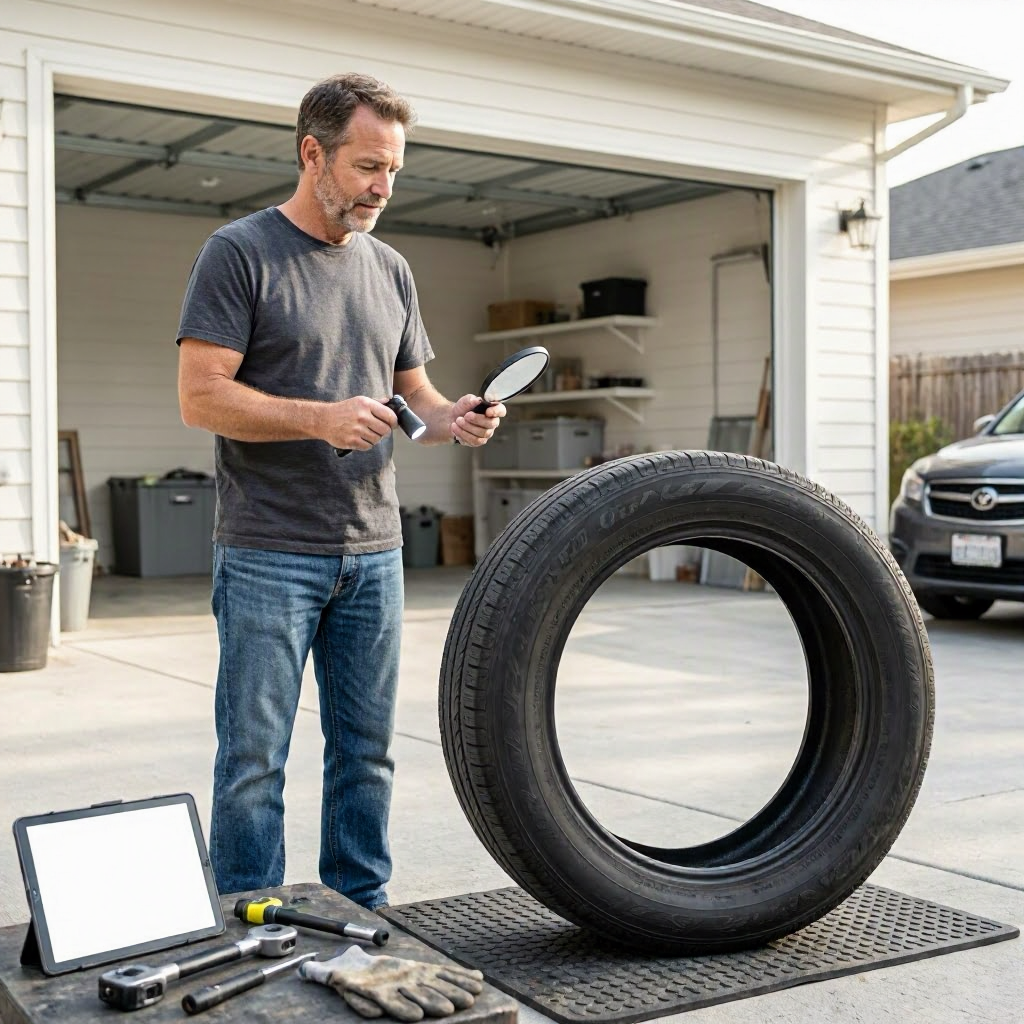
Tire recall lookup: how to check DOT codes and replacement rights
Why Tire Recalls Matter for Your Safety and Wallet
Tires are the only part of your car that touches the road, so a defect can lead to blowouts, poor traction, or loss of control. In the United States, the National Highway Traffic Safety Administration (NHTSA) tracks tire recalls because faulty tires contribute to crashes every year. Checking for recalls helps you avoid safety risks and potentially get free replacements.
If your tires are recalled, manufacturers typically offer free replacement at authorized dealers or tire shops. Ignoring a recall could mean paying out of pocket for new tires or facing repair bills after an incident. United States drivers, from daily commuters to families on road trips, should make tire recall checks part of routine maintenance.
Recalls often stem from issues like tread separation, sidewall failures, or manufacturing defects. Your state's vehicle inspection might flag bad tires, but it won't always catch recalls. Start by locating the DOT code on each tire, then use official tools to verify status.
Locating and Decoding DOT Codes on Tires
Every tire sold in the US has a DOT code stamped on the sidewall, near the edge where it meets the rim. This code proves compliance with Department of Transportation standards and includes key details like manufacturing date and plant location.
Look for letters and numbers starting with "DOT" followed by a string like DOT ABCD 4B1O XXGX 3219. The last four digits show the manufacture date: "3219" means the 32nd week of 2019. Tires over six years old from that date are often considered too old, regardless of tread wear.
Step-by-Step Guide to Reading DOT Codes
- Park safely and inspect all four tires (plus spare if equipped).
- Find the DOT code on the outer sidewall, usually in small raised letters.
- Note the last four characters: first two are the week (01-52), last two the year (e.g., "1023" = 10th week of 2023).
- Write down the full code, tire size, brand, and model for recall checks.
- Compare dates across tires; mismatched ages can signal uneven wear or prior replacements.
DOT codes help pinpoint if your tires fall under a recall batch. Tires made before 2000 use three digits for the year, but most drivers have newer ones. If faded or worn off, replace the tire immediately, as it's unsafe and unidentifiable.
Using NHTSA for Tire Recall Lookups
The NHTSA website is your primary free tool for US tire recalls: nhtsa.gov. It covers vehicles and equipment like tires. Enter your Vehicle Identification Number (VIN) for car-specific recalls, which may include original tires.
For aftermarket or replacement tires, search by tire brand, model, size, or DOT code. NHTSA lists open recalls with details on risks, affected units, and remedy steps. As of recent data, thousands of tire units get recalled yearly for defects.
How to Check Recalls on NHTSA Step by Step
- Visit nhtsa.gov.
- Select "Check for Recalls" and enter your 17-digit VIN (found on dashboard, door jamb, or title).
- Review results for tire-related issues.
- Use the "Equipment" tab: input tire brand (e.g., Michelin, Goodyear), size (e.g., P215/65R17), or DOT serial.
- Note recall number, manufacturer contact, and stop-sale orders if active.
Download the owner's notification letter if available. NHTSA also offers a SaferCar app for mobile VIN scans and alerts. Sign up for email notifications on your vehicle.
Cross-Checking with Tire Manufacturer Sites
Tire makers like Bridgestone, Continental, Firestone, and Cooper maintain recall pages. Search "[brand] tire recall lookup" on their official US sites. Provide your DOT code for precise matches.
For example, if your DOT code matches a known batch, the manufacturer confirms eligibility. They often partner with NHTSA, so results align. Call the listed hotline only after online checks to avoid scams.
Keep VIN and DOT notes handy. If buying used tires or a pre-owned car, insist on full recall history from the seller.
Understanding Your Replacement Rights Under Recalls
US federal law requires tire manufacturers to remedy safety defects free of charge, including parts and labor. This applies to original equipment tires on new vehicles or separately purchased ones under recall.
Replacement rights typically cover:
- Mounting and balancing new tires.
- Disposal of old ones.
- No mileage limits if the defect caused premature wear.
Contact the manufacturer or NHTSA-listed dealer promptly. Some recalls have deadlines, though most stay open indefinitely. If your tire shop installed them, they may handle the claim.
Key Factors Affecting Your Rights
- Proof of purchase: Keep receipts, but DOT code often suffices.
- Recall scope: Must match exactly; partial tread wear recalls may need inspection.
- Vehicle compatibility: New tires must fit your rims and specs.
- State laws: Some states mandate recall fixes for registration or inspections.
Dealers can't charge diagnostics for recall work. If denied, escalate to NHTSA at 1-888-327-4236 (verify number on official site) or file a complaint online.
Steps to Take If Your Tires Are Recalled
Act quickly to stay safe. Recalled tires may fail suddenly, especially in heat or at highway speeds.
- Inspect tires: Check for bulges, cracks, uneven wear, or low tread (use penny test: Lincoln's head should not show).
- Limit driving: Avoid highways; get towed if unsafe.
- Schedule repair: Use manufacturer locator on NHTSA or brand site.
- Document everything: Photos of tires, DOT codes, VIN, recall notice, and shop visits.
- Get confirmation: Written proof of fix for records.
Replacement usually takes 1-2 hours per tire. Ask for OEM-equivalent tires and warranty details on the new set.
| Recall Status | Action Priority | Potential Risks |
|---|---|---|
| Open recall on all four tires | High: Schedule ASAP | Blowout, hydroplaning |
| Recall on two tires | Medium: Replace pair | Uneven handling |
| Resolved recall | Low: Verify fix | None if documented |
| No recall found | Monitor wear | Age-related failure |
When Replacements Aren't Free: Cost Factors and Estimates
Not every tire issue is a recall. Age (over 6-10 years), damage, or wear require paid replacement. Costs vary by tire size, brand, vehicle type, location, and shop rates.
Cost drivers include:
- Tire price: Depends on all-season vs. performance, brand (budget vs. premium).
- Labor: Mounting, balancing, alignment (often bundled).
- Additional fees: Taxes, shop supplies, disposal, road hazard warranty.
- Urgency: Emergency service adds premiums.
Get written estimates from 2-3 shops. Ask if parts are new, not retreads, and warranty length (typically 1-5 years pro-rated). Alignment checks prevent uneven new-tire wear.
For gig workers or commuters, prioritize fuel-efficient tires to offset costs long-term. Used-car buyers should budget $400-1000 for a set, factoring insurance hikes if safety ignored.
Safety Signs That Tires Need Immediate Attention
Tires under recall amplify risks, but check these regardless:
- Tread depth under 2/32 inch: Use tread gauge; replace before wet roads.
- Sidewall damage or bulges: Stop driving; structural failure imminent.
- Vibration or pulling: Could indicate defect or imbalance.
- Dashboard tire pressure light: Low pressure hides defects.
Never drive on recalled or damaged tires if blowout risk exists. Call roadside assistance via AAA or your insurer. In crashes, unrepaired recalls may affect insurance claims.
Maintenance Tips to Extend Tire Life and Avoid Recalls
Proper care reduces replacement needs:
- Rotate every 5,000-8,000 miles.
- Maintain 32-35 PSI (check door sticker).
- Align after hitting potholes.
- Store spare properly.
Track service in a log with receipts for warranty or resale value.
Avoiding Tire Recall Scams and High-Pressure Sales
Scammers pose as NHTSA or manufacturers, demanding fees for "recall processing." Verify calls via official sites only. Fake sites mimic NHTSA; stick to .gov domains.
At shops, watch for upsells: "All tires need replacing" without explanation. Demand diagnostics in writing. For used cars, check seller's recall proof.
Checklist for Safe Recall Handling
- Use only NHTSA.gov or manufacturer sites.
- Note recall number before calling.
- Decline unsolicited offers for "extended protection."
- Keep records 10+ years for liability.
Integrating Tire Checks into Car Ownership Routine
Make recall lookups annual or at rotation time. Families with minivans or SUVs face higher stakes on interstates. Students with older sedans save by catching issues early.
Consult your owner's manual for tire specs. If leasing, report recalls to lessor immediately to avoid mileage penalties.
Advanced Tools and Alerts for Ongoing Monitoring
Beyond basics, NHTSA's VIN-based alerts notify of new recalls. Apps like Tire Rack or Discount Tire offer DOT scanners. For fleets or multiple vehicles, use manufacturer portals.
If totals exceed budget, shop sales but prioritize safety. Compare total ownership: safer tires lower insurance risks.
This process empowers US drivers to protect themselves without unnecessary spending. Regular checks turn potential hazards into simple fixes.

About the TDL Expert Panel
TDL Expert Panel · TheDigitalLife Editorial Team
TDL Expert Panel is the editorial team behind TheDigitalLife. The team researches, reviews, and creates practical guides to help everyday readers make better decisions about home repair costs, refunds, AI tools, digital safety, productivity, and useful online resources. Each guide is written to be clear, useful, and easy to understand.