Windshield replacement cost: insurance, calibration, and deductibles
Why Windshield Replacement Can Be a Major Car Expense
A cracked or chipped windshield often starts as a small annoyance from road debris, but it can quickly turn into a safety hazard and a costly repair. In the United States, driving with a damaged windshield that obstructs your view is illegal in every state, and it can lead to failed safety inspections or tickets during traffic stops. Beyond legal issues, a compromised windshield weakens the structural integrity of your vehicle, making it less effective in protecting you during a crash.
Replacement costs add up due to parts, labor, and sometimes advanced recalibration for modern safety features. If you have comprehensive auto insurance, your policy might cover most of it, but deductibles apply in many cases. This guide breaks down what drives windshield replacement costs, how insurance factors in, the role of calibration, and steps to minimize your out-of-pocket expenses. You'll learn practical ways to compare quotes, file claims, and decide if repair or replacement makes sense.
Common Causes of Windshield Damage
Windshields crack from flying rocks, hail, temperature swings, or even vandalism. Highway driving exposes you to more debris from trucks, while parking in hail-prone areas like the Midwest increases risks. For United States drivers, these incidents often happen unexpectedly, prompting questions about insurance claims and total costs.
If the damage is in your direct line of sight or larger than a dollar bill, replacement is usually necessary. Smaller chips might be repairable, but ignoring them can worsen cracks from daily vibrations or weather changes. Always prioritize safety, as poor visibility contributes to accidents.
Factors Influencing Windshield Replacement Costs
Costs vary widely based on your vehicle, location, and repair needs. No single national price exists, as shops charge different labor rates, parts availability changes, and state taxes apply. Here's what typically affects the bill:
- Vehicle make, model, and year: Luxury cars or trucks with heated windshields, rain sensors, or heads-up displays require specialized glass, pushing costs higher. For example, a basic sedan glass differs from one in a Ford F-150 or Tesla Model 3.
- Glass type: Original equipment manufacturer (OEM) glass matches factory specs but costs more than aftermarket options. Some policies require OEM for claims.
- Labor rates: Urban areas like New York or California have higher hourly rates, often $100 to $150 per hour, compared to rural shops.
- Location and shop type: Dealerships charge premiums, while independent auto glass specialists or chains like Safelite may offer competitive pricing with mobile service.
- Calibration needs: Modern vehicles with advanced driver assistance systems (ADAS) require recalibration after replacement, adding significant expense.
- Urgency and extras: Rush jobs, towing, or disposal fees increase totals. Taxes and shop supplies also add 10-20%.
| Cost Factor | Why It Matters | What to Check |
|---|---|---|
| Vehicle Type | Larger or specialty glass (e.g., SUVs, luxury) costs more | Confirm OEM fit for your VIN |
| ADAS Features | Lane-keeping, adaptive cruise need recalibration | Ask if your car has these systems |
| Labor Location | City rates 20-50% higher than suburbs | Get quotes from 3 local shops |
| Glass Quality | OEM vs aftermarket affects warranty and insurance | Review policy for approved types |
Expect totals to fluctuate with these elements. Always get written estimates detailing parts, labor, taxes, and fees before approving work.
Typical Windshield Replacement Cost Breakdown
Without insurance, a standard replacement might range from $200 to $1,500, but averages hover around $300 to $800 for sedans. Trucks or vehicles needing calibration push toward the higher end, sometimes exceeding $2,000. These figures depend on the factors above and current parts pricing, which you can verify locally.
Breakdown example for a mid-size sedan:
- Glass: 50-70% of total
- Labor: 20-30%
- Calibration: $200-$600 extra if required
- Taxes, fees: 5-10%
For precise quotes, contact local shops with your vehicle details. Mobile services save time but may add travel fees.
How Auto Insurance Covers Windshield Replacement
Most United States auto policies include comprehensive coverage for windshield damage from non-collision events like rocks or hail. Collision coverage handles at-fault accidents, but comprehensive is key for random impacts. Check your policy declarations page or contact your insurer via their app or website for confirmation.
Some states, like Florida, Kentucky, and South Carolina, have no-deductible glass coverage laws, meaning you pay nothing if you file a claim. Others apply your full comprehensive deductible, typically $100 to $1,000. Full glass coverage riders waive the deductible entirely, a common add-on costing $10-30 yearly.
Coverage limits cap payouts, but they rarely apply to windshields. Visit the NAIC auto insurance page for state-specific basics. Filing a claim usually doesn't raise rates for glass-only repairs, unlike at-fault accidents.
Understanding Deductibles in Windshield Claims
Your deductible is the amount you pay before insurance kicks in. For a $500 deductible and $600 repair, you'd pay $500, insurer covers $100. If damage is under your deductible, pay out of pocket to avoid a claim on your record.
Waived deductible options:
- Full glass coverage: Common with providers like Progressive or Geico.
- State laws: No deductible in 12 states for comprehensive glass claims.
- Policy discounts: Bundling home/auto might lower effective costs.
Review your policy or call your agent to confirm. Ask: "Does my comprehensive coverage waive the deductible for windshield replacement?"
ADAS Calibration: An Often-Overlooked Extra Cost
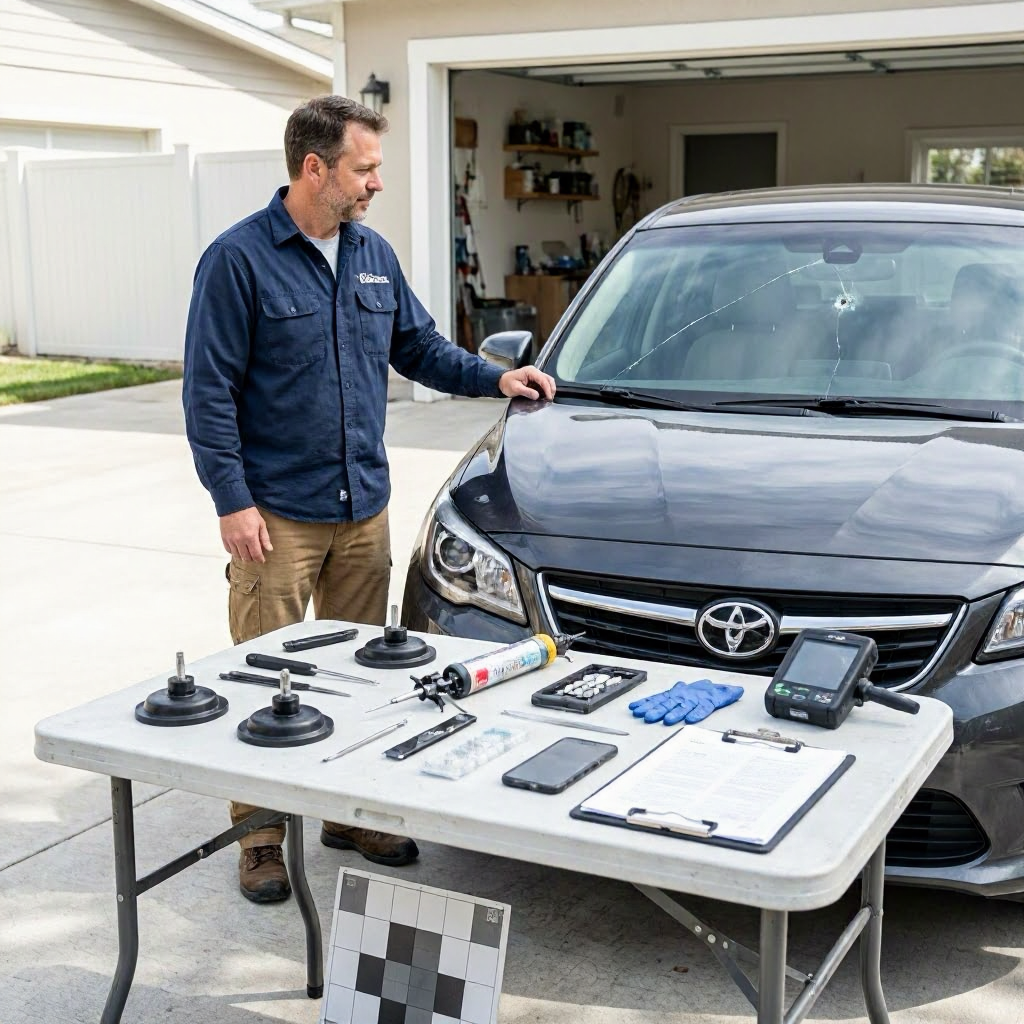
Many newer vehicles (post-2015) have ADAS features like automatic emergency braking, blind-spot monitoring, and lane departure warnings. These rely on cameras and sensors mounted behind or in the windshield. Replacing the glass requires recalibration to realign them, ensuring they work correctly.
Two types:
- Static calibration: Done in a shop with targets and lasers, cheaper but needs precise setup.
- Dynamic calibration: Road test with diagnostics, more accurate for some systems.
Costs add $200 to $800, depending on vehicle complexity. Not all shops offer it; certified ones use manufacturer tools. Skipping calibration risks malfunctioning safety systems, which could void warranties or fail inspections.
Check if needed: Scan your dashboard for ADAS icons or consult your owner's manual. Shops inspect during estimates.
When Does Insurance Require Calibration?
Insurers often mandate calibration for ADAS-equipped vehicles to approve claims. Failure to calibrate could lead to denied coverage or future liability issues. Document the process with photos, invoices, and calibration reports for your records.
Step-by-Step Guide to Filing a Windshield Insurance Claim
- Assess damage: Take clear photos from multiple angles, noting date, location, and weather.
- Contact insurer: Use the app, website, or number on your insurance card. Provide VIN, policy number, and photos.
- Get repair authorization: Insurer may send an adjuster or approve a preferred shop like Safelite.
- Choose shop: Use network providers for waived deductibles or towing.
- Review estimate: Ensure it includes calibration if needed.
- Pay deductible: Complete repair, keep all receipts.
- Follow up: Confirm claim closure; request no-rate-increase confirmation.
Keep police reports if vandalism occurred. Claims process varies by insurer, so follow their instructions.
Paying Out of Pocket: Smart Ways to Save
Skip the claim if damage is minor and under your deductible. Shop around for quotes from 3+ providers, specifying mobile service if convenient.
Tips to lower costs:
- Opt for aftermarket glass if policy allows and quality matches.
- Schedule during off-peak times.
- Bundle with other maintenance.
- Check for coupons from chains.
Compare written estimates line-by-line: parts sourcing, labor hours, warranty terms.
Repair vs. Replace: Making the Right Choice
Repairs cost $50 to $250 and work for chips under 6 inches or cracks under a foot, if not in the driver's view. Pros fill and polish; success rate is 90% if done soon.
Replace if:
- Crack >6 inches
- Multiple cracks
- Edge damage
- Affects wiper sweep or sensors
Shops use resin tests to decide. Repairs preserve OEM glass; replacements reset ADAS cleanly.
| Damage Type | Repair Possible? | Next Step |
|---|---|---|
| Small chip (<quarter size) | Yes, if not starred | Fill promptly |
| Long crack (>12 inches) | No | Get replacement quote |
| Edge chip | No | Inspect for spread risk |
| ADAS area damage | Rarely | Prioritize calibration |
Questions to Ask Your Auto Glass Shop
Before signing:
- Is OEM or aftermarket glass used? Warranty differences?
- Does this include calibration? Static or dynamic?
- What's the labor warranty (e.g., lifetime)?
- Are taxes, disposal, shop fees itemized?
- Mobile service available? Extra cost?
- Can I see the calibration certificate?
Request itemized estimates and photos post-repair.
Safety Risks of Delaying Windshield Replacement
A damaged windshield reduces visibility, especially at night or rain. It can shatter on impact, failing to protect in rollovers. Do not drive if cracks obscure >6 inches of view or spread rapidly. Pull over safely and call roadside assistance via AAA or your insurer.
State inspections (required in 15 states) fail bad windshields. Check USAGov motor vehicle services for your state's rules.
Avoiding Common Windshield Replacement Pitfalls
Watch for:
- Upsell pressure: Shops pushing unneeded calibration.
- Fake quotes: Lowball then add fees.
- Poor parts: Cheap glass cracks sooner.
- Claim mishandling: Insurer picks subpar shops.
Verify shops via BBB ratings. Dispute claims with your insurer's appeals process if needed.
Long-Term Ways to Protect Your Windshield and Wallet
- Park in garages during storms.
- Maintain 3-second following distance.
- Add glass coverage to policies.
- Keep records: Invoices aid resale value.
For gig workers or commuters, frequent replacements signal high-mileage risks; budget accordingly.
Checklist for Windshield Replacement
- [ ] Photos of damage
- [ ] Policy review: Deductible, coverage
- [ ] 3 written quotes
- [ ] Calibration confirmation
- [ ] Post-repair test drive
- [ ] File records for insurance/DMV
This approach keeps costs controlled and safety first. Verify local details through your state DMV site or insurer for peace of mind.

About the TDL Expert Panel
TDL Expert Panel · TheDigitalLife Editorial Team
TDL Expert Panel is the editorial team behind TheDigitalLife. The team researches, reviews, and creates practical guides to help everyday readers make better decisions about home repair costs, refunds, AI tools, digital safety, productivity, and useful online resources. Each guide is written to be clear, useful, and easy to understand.