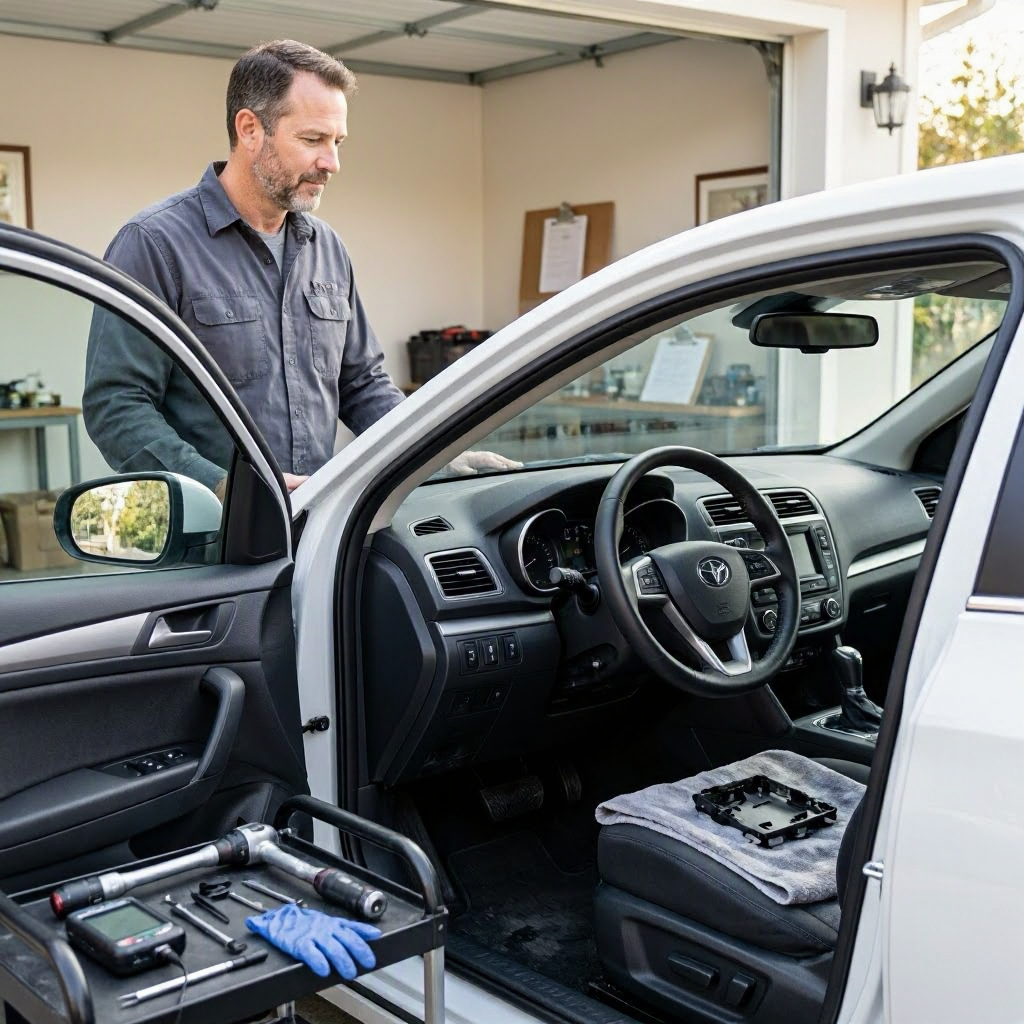
Airbag recall repair: is it free and how long does it take
What Are Airbag Recalls and Why Do They Matter?
Airbag recalls address defects that can prevent proper deployment during a crash or cause dangerous malfunctions. These safety systems are designed to protect drivers and passengers, but faulty parts like inflators can rupture and send metal fragments flying. In the United States, the National Highway Traffic Safety Administration (NHTSA) oversees recalls to ensure vehicles meet federal safety standards.
Millions of vehicles have faced airbag recalls over the years, especially those with Takata inflators exposed to heat and humidity. Ignoring a recall leaves your family at risk, as a bad airbag might not inflate or could explode prematurely. Federal law requires manufacturers to notify owners and fix these issues at no cost.
If your dashboard shows an airbag warning light, stop driving the vehicle immediately if possible. Have it towed to a dealer for inspection, as this could signal a recall or other fault. Airbags are a critical safety feature, and delaying action increases crash injury risks.
Are Airbag Recall Repairs Always Free?
Yes, airbag recall repairs are free under U.S. federal law. Manufacturers must cover all costs, including parts and labor, for safety recalls. This applies regardless of your vehicle's age, mileage, or warranty status. You won't pay for diagnostics, towing in some cases, or loaner vehicles if the dealer offers them.
Contact the manufacturer or dealer directly after confirming a recall—they handle the bill. Some recalls also qualify for free towing through programs like NHTSA partnerships, but verify with your local dealer. Never pay out-of-pocket for a confirmed recall repair; it's illegal for the shop to charge you.
Costs only arise if the issue isn't recall-related, like damage from an accident or wear-and-tear. Always get a written confirmation that the work addresses the specific recall before leaving your vehicle. Keep receipts and repair orders for your records, as they prove the fix for insurance, resale, or future claims.
Independent shops can't perform recall repairs; only authorized dealerships or manufacturer-approved facilities qualify. This ensures genuine parts and proper procedures, protecting your safety and keeping the repair free.
How to Check If Your Vehicle Has an Airbag Recall
Start with your Vehicle Identification Number (VIN), a 17-digit code on your dashboard, driver's door jamb, title, registration, or insurance card. Use it to search official databases—no cost, no account needed.
Visit the NHTSA recall website at nhtsa.gov. Enter your VIN to see open recalls, including airbags. Results show the recall number, description, risk, and remedy. NHTSA covers all makes and models, from Ford to Toyota.
Check the manufacturer's site too, like GM's recall page or Honda's owner portal, using the same VIN. They often list repair availability and appointment scheduling. Mail notifications arrive by U.S. Postal Service, but they can lag—don't wait for one.
If your VIN check shows nothing but you suspect an issue (like a flashing airbag light), call NHTSA at 1-888-327-4236 (TTY: 1-800-424-9153) or your dealer. Gig workers with high-mileage vans or families with older SUVs face higher recall odds due to Takata's widespread use.
| Step | Action | Why It Matters |
|---|---|---|
| 1. Locate VIN | Check dashboard, door sticker, title, or insurance docs | Ensures accurate search for your exact vehicle |
| 2. Search NHTSA | Enter VIN at nhtsa.gov/recalls | Official U.S. database lists all open recalls |
| 3. Check manufacturer site | Use VIN on brand's recall page (e.g., Toyota, Ford) | Shows local dealer availability and updates |
| 4. Review mail notices | Look for recent postcards or letters | Confirms owner notification details |
| 5. Call if unsure | NHTSA hotline or dealer service | Clarifies unclear results or warning lights |
Types of Airbag Recalls and Common Issues
Recalls target specific problems, like faulty inflators, sensors, or control modules. Takata airbag recalls affect over 67 million U.S. vehicles, the largest ever, due to inflators degrading over time. High-humidity states like Florida or Texas see priority "Do Not Drive" warnings.
Other recalls involve wiring harnesses shorting out or clockspring failures preventing deployment. Passenger airbag issues might disable the system entirely, endangering kids in car seats. Check NHTSA's SaferCar app for ratings and recall alerts: nhtsa.gov.
Your vehicle's year, make, and model determine risk. For example, 2001-2015 Honda Civics or 2004-2011 Ford Rangers often appear. Even if traded in, previous owners might not have fixed it—always recheck.
Scheduling Your Free Airbag Recall Repair
Once confirmed, call your nearest authorized dealer using the NHTSA results or manufacturer locator. Schedule online if available, providing the recall number. Dealers must prioritize safety recalls, but backlogs happen during mass campaigns.
Ask about loaner cars, rental reimbursement, or shuttle service—many offer them free for recalls. Document the appointment confirmation via email or text. If the dealer lacks parts, they coordinate with the manufacturer for shipment.
Some states, like California or New York, may flag open recalls during registration renewal, preventing license plate issuance until fixed. Verify your state's rules via the DMV site. Rural drivers might travel farther, so plan ahead.
Bring your title, registration, insurance proof, and ID to the appointment. Mention any warning lights or symptoms. Dealers scan for related issues but only charge for non-recall work.
How Long Does an Airbag Recall Repair Take?
Repair time varies by recall type, dealer workload, and parts availability. Most airbag repairs take 1 to 3 hours, often same-day service. Simple inflator swaps are quickest; complex module replacements or wiring fixes add time.
Scheduling wait can stretch 2-8 weeks in busy areas or during surges like Takata phases. High-demand models face longer delays—check dealer stock first. NHTSA requires repairs within 60 days of notification, but extensions occur for supply issues.
| Factor | Typical Impact on Time | What to Ask Dealer |
|---|---|---|
| Inflator replacement | 1-2 hours | "Is the part in stock?" |
| Sensor or module fix | 2-4 hours | "Any additional diagnostics needed?" |
| Dealer backlog | Adds 1-6 weeks to schedule | "Earliest slot and loaner options?" |
| Parts shortage | Delays 2-12 weeks | "Manufacturer ETA for parts?" |
| Multi-recall vehicle | 3-6 hours total | "Can you address all at once?" |
Track progress via the dealer's portal or NHTSA site—recalls close only after repair. If over 60 days, escalate to NHTSA or manufacturer customer service.
What Happens During the Airbag Recall Repair?
Technicians follow manufacturer bulletins: remove the steering wheel or dash panel, replace the faulty part with an OEM unit, test the system, and clear codes. They use specialized tools to avoid accidental deployment. Expect a loaner if over a few hours.
Post-repair, the airbag light should extinguish after a drive cycle. Get a written report detailing parts replaced, labor performed, VIN, mileage, and date—stamped "Recall Remedy Performed." This closes the recall officially.
Inspect your vehicle before driving off: no dash lights, seats/belts functional. Test horns and cruise control if affected. Photos of before/after help records.
Rental Cars, Loaners, and Alternatives While Waiting
Many dealers provide free loaners or rentals for recall repairs, especially multi-day jobs. Policies vary—luxury brands like BMW often include them; budget dealers might not. Ask upfront: "Do you cover a loaner during service?"
If denied, check your insurance for rental coverage (separate from collision). NHTSA doesn't mandate loaners, but consumer pressure helps. For "Do Not Drive" recalls, some manufacturers reimburse alternatives.
Gig workers or commuters: Arrange rideshares or carpools. Families with one car plan around school runs. Keep loaner mileage low to avoid fees.
What If Your Airbag Deploys or Warning Light Persists?
Deployed airbags from crashes aren't recalls—insurance handles cleanup, typically $1,000-$5,000 out-of-pocket after deductible. But if undeployed due to recall, get it towed free if possible.
Persistent lights post-repair? Return immediately—could be a secondary issue. Document with photos, mileage, and service history. Escalate to manufacturer arbitration if unresolved.
Safety Precautions Before and After Repair
Never disable airbags or use seat covers blocking sensors. Kids under 13 ride in back; teens wear belts properly. Avoid hot/humid storage pre-repair for Takata risks.
Post-repair, monitor lights monthly. Update your address with the manufacturer via NHTSA to get notices. Sell the car? Disclose recall status—buyers check VIN anyway.
Handling Multiple Recalls or Older Vehicles
Vehicles often have 2+ recalls. Dealers fix all open ones free during one visit. Older cars (pre-2010) dominate airbag lists—seniors or used-car buyers, prioritize checks.
Trade-ins: Dealers note open recalls on your title or Carfax, affecting value. Fix first for better deals.
Keeping Records for Insurance, Resale, and Proof
Store repair orders, NHTSA printouts, emails, and photos digitally and physically. These prove compliance for DMV holds, insurance discounts, or lawsuits. Resale buyers value documented fixes.
Upload to manufacturer portals for lifetime tracking. If scammed by fake "recall fees," report to NHTSA or state attorney general.
Avoiding Scams Related to Airbag Recalls
Beware calls claiming "urgent airbag fees" or fake invoices—hang up, check NHTSA yourself. Legitimate recalls never charge upfront. Door-to-door "inspectors" or pop-up shops are frauds.
Verify texts/emails via official sites only. Independent mechanics can't do recalls—steer clear of "recall special" ads.
State DMV and Registration Impacts
Some states block registration renewal for open safety recalls. Check your DMV site (e.g., Texas DPS, Pennsylvania DOT). Fix before inspections—airbag lights often fail safety checks.
No national rule, but 20+ states participate in NHTSA's recall clearinghouse. Renew online post-repair with proof.
Questions to Ask Your Dealer
Prepare these for clarity:
- Is this the exact recall remedy from NHTSA?
- How long will my vehicle be in the shop?
- Do you provide a loaner, and what's covered?
- Will you check/fix other open recalls?
- Can I get a stamped repair order?
- What if parts are delayed?
Write answers down or record (with permission).
Long-Term Benefits of Addressing Recalls Promptly
Fixed airbags boost resale value, lower insurance rates (some insurers check), and ensure family safety. Commuters avoid fines; used-car shoppers negotiate better.
NHTSA data shows timely repairs prevent thousands of injuries yearly. Your diligence pays off.
This guide equips U.S. drivers—from city commuters to rural families—to handle airbag recalls confidently. Always verify via official channels for your VIN. Safe driving starts with proactive checks.

About the TDL Expert Panel
TDL Expert Panel · TheDigitalLife Editorial Team
TDL Expert Panel is the editorial team behind TheDigitalLife. The team researches, reviews, and creates practical guides to help everyday readers make better decisions about home repair costs, refunds, AI tools, digital safety, productivity, and useful online resources. Each guide is written to be clear, useful, and easy to understand.