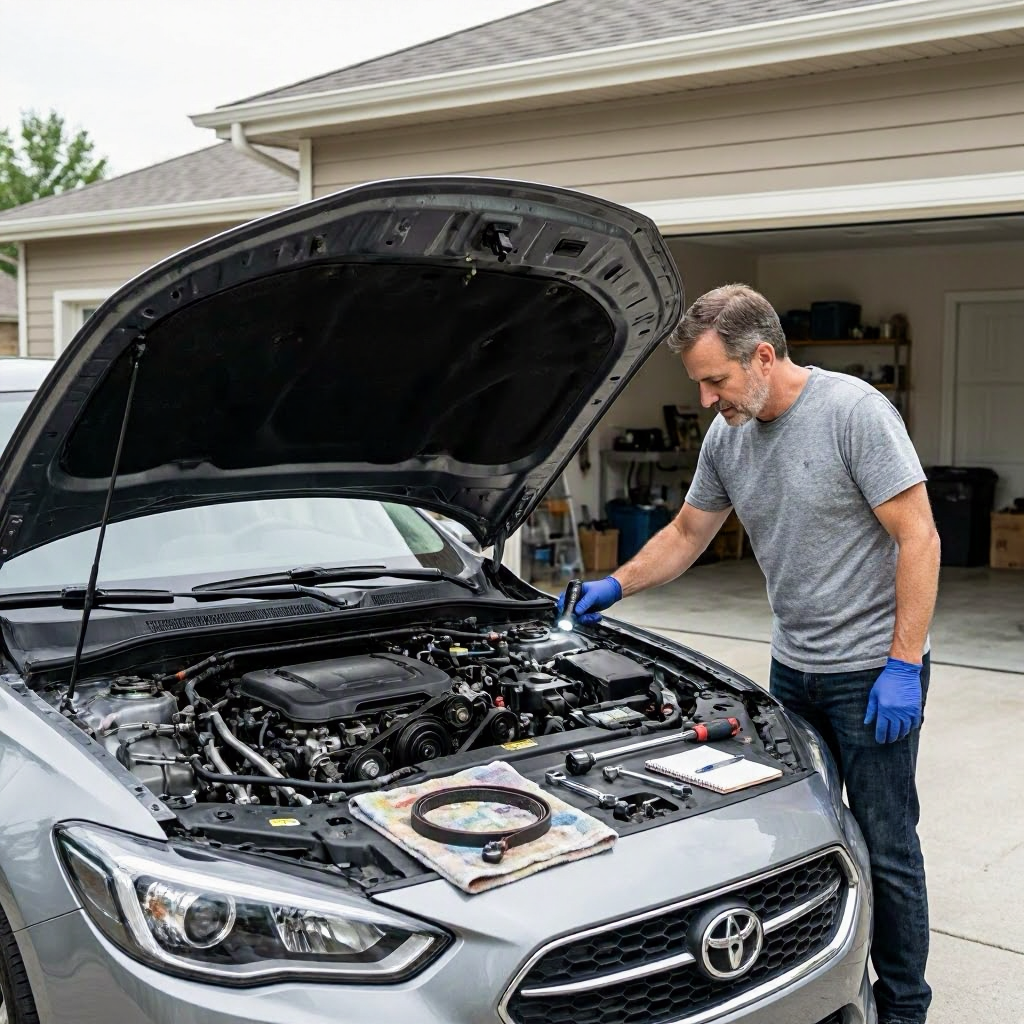
Serpentine belt replacement cost and warning signs
---
Understanding the Serpentine Belt in Your Vehicle
The serpentine belt, also called the accessory drive belt, is a key component in most modern U.S. vehicles produced after the 1980s. It snakes around multiple pulleys to power essential accessories like the alternator, power steering pump, water pump, and air conditioning compressor. Without it functioning properly, your engine may still run, but critical systems can fail, leading to breakdowns or safety issues.
Replacing a serpentine belt is a common maintenance task, often needed every 60,000 to 100,000 miles, depending on your vehicle's make, model, and driving conditions. Ignoring warning signs can lead to more expensive repairs, such as damage to the alternator or power steering system. This guide covers the warning signs, cost factors, and steps to handle replacement wisely as a U.S. driver.
Warning Signs Your Serpentine Belt Needs Replacement
Spotting problems early helps you budget for repairs and avoid roadside emergencies. Serpentine belts wear out from heat, age, mileage, and exposure to oil or coolant leaks. Here are the most common indicators.
Squealing or Chirping Noises
A high-pitched squeal, especially when accelerating or turning on the A/C, often means the belt is slipping. This happens due to glazing (hardening of the belt surface), cracks, or a loose tensioner. Listen for noise from the engine bay with the hood open while idling.
If the noise worsens under load, like highway driving, get it checked soon to prevent total failure.
Visible Cracks, Fraying, or Glazing
Inspect the belt yourself by popping the hood. Look for small cracks on the ribbed side, frayed edges, missing chunks, or a shiny, polished appearance on the ribs (glazing). These signs show the belt is drying out or stretching.
Use a flashlight and take photos for your mechanic. A belt over five years old deserves closer scrutiny, even without obvious damage.
Accessories Not Working Properly
Failing belt tension can cause intermittent issues: - Dim dashboard lights or battery warnings (alternator not charging). - Stiff power steering, especially at low speeds. - Overheating engine (water pump slipping). - No A/C or weak blower.
These symptoms point to belt slippage. Test by running the engine and engaging accessories one by one.
Burning Rubber Smell or Belt Dust
A slipping belt generates heat and rubber dust under the hood. Check for black residue on pulleys or the belt itself. A strong rubber odor signals urgent slippage.
| Warning Sign | What It Indicates | Urgency Level |
|---|---|---|
| Squealing noise on startup or acceleration | Belt slipping due to wear, tension loss, or contamination | High , inspect within days |
| Visible cracks or fraying | Material fatigue from age/mileage | Medium , replace soon |
| Power steering hard to turn | Pump not getting power | High , safety risk in tight maneuvers |
| Battery light on/dashboard warning | Alternator underpowered | High , risk of stranding |
| Engine overheating | Water pump failing | Emergency , stop driving |
This table summarizes key signs. Note: Urgency depends on your driving needs; commuters or families should prioritize safety-related issues.
Safety Risks of Driving with a Failing Serpentine Belt
Unlike timing belts, serpentine belts don't typically cause engine damage if they snap. However, sudden failure disables accessories, creating hazards:
- Loss of power steering makes low-speed turns difficult, risky in traffic or parking lots.
- No alternator charging leads to dead battery, especially on long drives.
- Overheating from water pump failure can warp the engine block.
Do not drive if steering feels heavy or overheating occurs , as these pose immediate dangers. Pull over safely, call AAA or roadside assistance, and tow to a shop. For minor squeals without other symptoms, you may drive short distances to a mechanic, but monitor closely.
U.S. drivers in hot states like Arizona or Florida face faster wear from heat, increasing risks during summer commutes.
Factors That Influence Serpentine Belt Replacement Costs
Costs vary widely across the U.S. due to local labor rates, vehicle specifics, and shop type. Expect total costs from $150 to $600 in many cases, but always get local quotes. Here's what drives the price.
Vehicle Make, Model, and Year
Luxury or import vehicles like BMWs or Audis often need pricier OEM belts and specialized tools. Domestic trucks (Ford F-150, Chevy Silverado) may cost less due to abundant parts. Older cars (pre-2000) might have simpler single-belt systems, lowering labor.
High-mileage vehicles over 150,000 miles could require tensioner or pulley replacement alongside the belt, adding $100–$300.
Parts Quality and Availability
- OEM belts from the manufacturer ensure fit but cost more.
- Aftermarket belts from Gates or Dayco are cheaper and reliable for most drivers.
Rare parts for discontinued models delay repairs and raise prices. Ask shops about sourcing.
Labor Rates and Time
Labor typically takes 0.5–2 hours. Urban areas like New York or Los Angeles charge $120–$200/hour at independents, up to $250 at dealerships. Rural Midwest shops might bill $80–$120/hour.
Complex routing (e.g., around turbochargers) increases time. Shops add diagnostic fees ($50–$150) if not waived with repair.
Location and Shop Type
Dealerships charge premium rates for certified techs. Independent shops or chains like Midas, Meineke, or Firestone offer competitive pricing. Mobile mechanics via YourMechanic save towing costs.
State sales tax (5–10%) and shop supplies (5–10% of labor) apply. Emergency after-hours service adds fees.
| Cost Factor | Typical Impact | How to Minimize |
|---|---|---|
| Vehicle type (luxury vs. domestic) | +$50–$300 for parts/labor | Choose aftermarket if compatible |
| Labor rate (urban vs. rural) | $80–$250/hour | Compare 3 local shops |
| Additional parts (tensioner/pulleys) | +$100–$400 | Ask for inspection first |
| Shop type (dealer vs. independent) | Dealers 20–50% higher | Use independents for routine work |
| Diagnostics/shop fees | $50–$150 | Confirm if credited toward repair |
Use this table to review estimates. Costs depend on your zip code and vehicle , so enter your details on sites like RepairPal for local averages.
Breaking Down a Typical Serpentine Belt Replacement Estimate
A written estimate should itemize everything. Expect:
- Parts: $30–$150 (belt alone $20–$100; tensioner $50–$200).
- Labor: $75–$400 based on hours.
- Other: Tax, fluids, alignment check.
Review for extras like idler pulley replacement or coolant flush if leaks contaminated the old belt. Decline unneeded add-ons.
Sample estimate line items to question:
- Belt: Confirm OEM vs. aftermarket.
- Tensioner assembly: Often replaced together for longevity.
- Shop supplies/hazardous waste fee: Usually 5–10%, reasonable.
Keep the estimate, photos of old belt, and invoice for records.
Steps to Get Quotes and Choose the Right Shop
- Diagnose first: Note symptoms, mileage, and belt age. Check your owner's manual for interval.
- Research shops: Use Yelp, Google, or AAA-approved lists. Aim for ASE-certified mechanics.
- Get 2–3 written quotes: Call or visit independents, chains, and one dealer. Provide vehicle details (VIN helps).
- Compare apples-to-apples: Match parts/labor; note warranties (typically 12 months/12,000 miles on parts).
Ask these questions:
- Is the diagnostic fee waived if I approve the repair?
- Are parts OEM, aftermarket, or remanufactured? What's the warranty?
- Does this include pulley inspection and re-tensioning?
- Any related issues like misalignment or leaks?
- Total with tax and fees?
For non-urgent repairs, shop around. Use apps like Openbay for bundled quotes.
DIY Serpentine Belt Replacement: Pros, Cons, and Cautions
DIY saves $100–$300 in labor if you're handy. Parts from AutoZone or O'Reilly cost $20–$80, with free loaner tools like tensioner wrenches.
Steps overview (consult a vehicle-specific guide like Chilton or YouTube for your model): 1. Safety first: Park on level ground, chock wheels, disconnect battery. 2. Release tensioner with breaker bar/serpentine tool. 3. Remove old belt, route new one per diagram (often under hood). 4. Re-tension and test.
However, skip DIY if:
- No experience with engine bays.
- Vehicle has tight routing (e.g., transverse engines in Hondas).
- Tensioner/pulleys suspect (requires special tools).
Risks include improper tension (causing premature failure) or damaging accessories. For safety, have a pro handle it if symptoms affect steering or charging.
Checking Warranty, Recall, or Extended Coverage
Before paying, verify coverage:
- Manufacturer warranty: Basic powertrain may cover if under 60,000 miles/5 years; check via VIN on maker site.
- Extended warranty/service contract: Review terms for accessory drive components.
- Recalls: Rare for belts, but search NHTSA.gov with VIN.
Contact your dealer or original service records holder. Keep maintenance logs to prove regular care.
FTC guidance on warranties (consumer.ftc.gov/articles/warranties) reminds you: Written terms control, and shops must honor them.
When Replacement Might Not Be Worth It
For vehicles over 150,000 miles or high repair totals nearing Kelley Blue Book value, consider if fixing makes sense. A $400 belt on a $2,000 clunker may not pay off versus trading in.
Get a full inspection. Ask: "What's the condition of pulleys, tensioner, and harmonics balancer?"
Maintenance Tips to Prolong Serpentine Belt Life
Prevent issues with these habits:
- Inspect every oil change or 10,000 miles.
- Avoid oil/coolant leaks (fix promptly).
- Replace at manufacturer interval.
- In dusty areas (e.g., Southwest), clean debris quarterly.
U.S. drivers in extreme climates (cold Northeast winters, hot Southern summers) check more often. Gig workers or long-haul commuters benefit most from proactive care.
Real U.S. Driver Examples
Sarah, a Chicago commuter, heard squealing at 80,000 miles. Quotes ranged $220 (independent) to $450 (dealer). She chose aftermarket parts at a chain shop, saving $150.
Mike in Texas ignored dim lights; battery died on I-10. Tow plus $350 repair cost more than preventive $200 fix.
These show acting early pays off.
Keeping Records After Replacement
Save:
- Written estimate and final invoice.
- Photos of old/new belt.
- Warranty details.
- Odometer reading.
Use for insurance claims, resale (boosts value), or disputes. Digital folders via Google Drive work well.
Final Thoughts on Managing Your Repair
Serpentine belt replacement is straightforward but essential. By spotting signs early, comparing quotes, and asking smart questions, you control costs and stay safe on U.S. roads. Always prioritize written details and official verifications for peace of mind.
(Word count: 2687) ---

About the TDL Expert Panel
TDL Expert Panel · TheDigitalLife Editorial Team
TDL Expert Panel is the editorial team behind TheDigitalLife. The team researches, reviews, and creates practical guides to help everyday readers make better decisions about home repair costs, refunds, AI tools, digital safety, productivity, and useful online resources. Each guide is written to be clear, useful, and easy to understand.