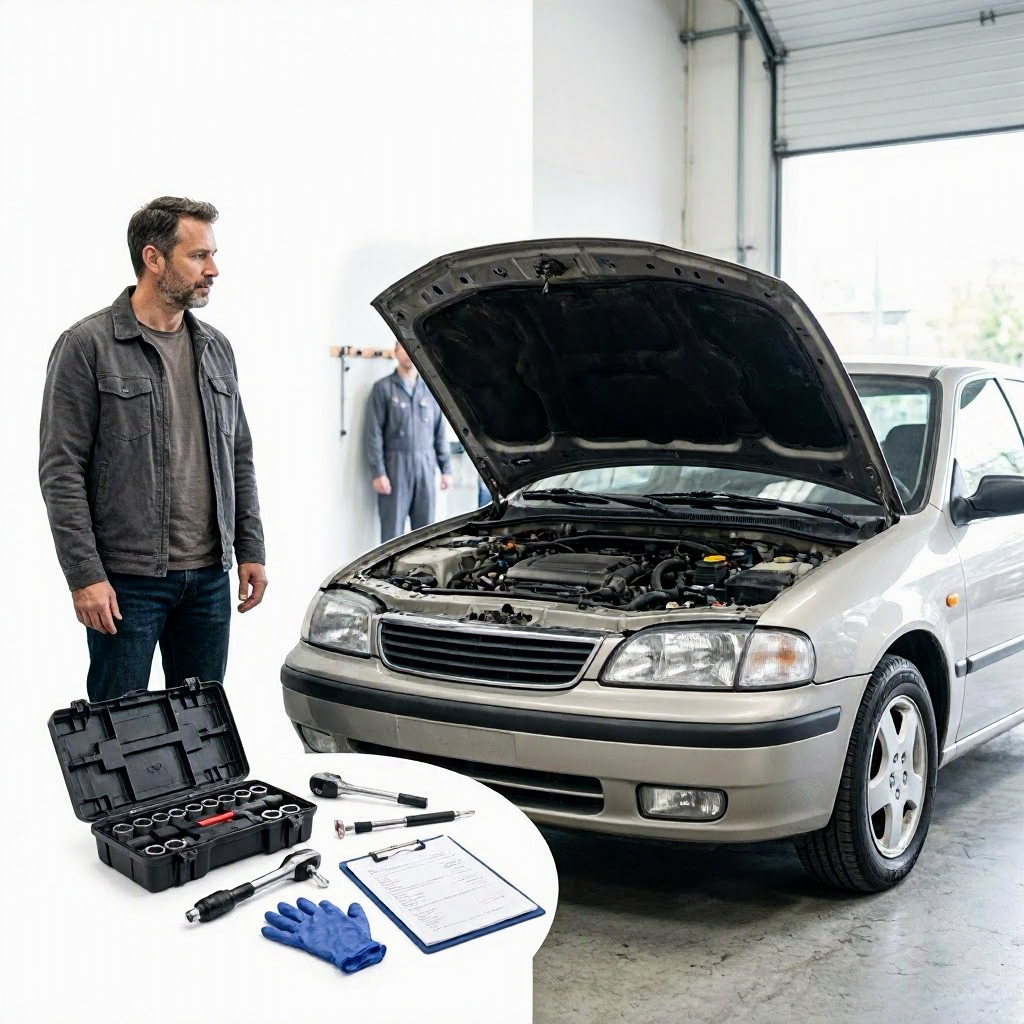
As-is used car purchase: what repairs you may have to pay for
---
Understanding "As-Is" Used Car Sales
Buying a used car "as-is" means you take full responsibility for any repairs after the purchase. Dealers or private sellers often sell vehicles this way to avoid warranty claims, especially for older or high-mileage cars. In the United States, federal law through the FTC requires dealers to disclose "as-is" status clearly on the Buyers Guide posted in the window.
This setup shifts all post-sale repair costs to you. No implied warranties apply under the Magnuson-Moss Warranty Act for as-is sales, unless the state requires otherwise. Always check your state's laws via the DMV website, as some like California have lemon laws or used car warranties that might offer limited protection.
Private sellers almost always sell as-is, with no legal obligation to disclose minor issues. Read the bill of sale carefully, as it often states "sold as-is, where-is, with all faults." Keep this document, along with the title and any ads or listings, for your records.
Pros and Cons of As-Is Purchases
As-is cars appeal to budget buyers seeking low upfront prices. You might save thousands compared to certified pre-owned vehicles with warranties. For example, a 10-year-old sedan could cost $5,000 as-is versus $8,000 with a dealer warranty.
However, the risks are high. Unexpected repairs can erase savings quickly. A transmission rebuild alone might run several thousand dollars, depending on the vehicle and location. Weigh this if you're a commuter relying on the car daily or a family needing reliable transport.
Consider your mechanic access and budget buffer. If you lack a trusted shop or emergency funds, skip as-is unless you can afford potential fixes.
Common Repairs in As-Is Used Cars
As-is vehicles often have deferred maintenance, leading to issues soon after purchase. Older cars (over 100,000 miles) or those from auctions show problems faster. Here's a breakdown of frequent repairs, based on typical U.S. driver experiences.
Engine Problems
Engine troubles top the list for as-is buyers. Misfires, oil leaks, or overheating signal worn components. A head gasket failure might stem from prior overheating, costing $1,500 to $3,000 or more to fix, varying by make like Ford or Toyota, labor rates ($100–$200/hour in most states), and parts availability.
Compression tests reveal these early. Ignoring smoke from the exhaust or low oil pressure risks total engine replacement, which exceeds $4,000 easily. Always address knocking or stalling immediately, as they pose safety risks like sudden breakdowns on highways.
Transmission Issues
Automatic transmissions fail in 20–30% of high-mileage as-is cars within the first year. Slipping gears, delayed shifts, or fluid leaks indicate wear. Repairs range widely: fluid flush $200–$400, solenoid replacement $500–$1,200, full rebuild $2,500–$5,000.
Manual transmissions might need clutch work ($800–$1,500). Test drive thoroughly, shifting through all gears. Burning smells or grinding noises mean stop driving and tow to a shop.
Brakes and Suspension
Brakes wear fast if not maintained. Pads and rotors might need replacement soon after purchase ($300–$800 for fronts), but calipers or lines add up. Pulsing pedal or squealing warns of this.
Suspension issues like bad shocks or struts cause uneven tire wear and poor handling ($600–$1,500 for a set). Ball joints or control arms fail in rust-belt states, risking steering loss—a serious safety hazard. Wobbly steering or bottoming out on bumps demands immediate inspection.
Electrical and Cooling Systems
Dead batteries or alternators are common ($150–$400 fixes). Failing sensors trigger check engine lights, leading to $200–$800 diagnostics and parts.
Cooling systems leak hoses or radiators ($300–$900), causing overheating. AC compressors fail in summer-heavy states ($800–$1,500). Dim lights or electrical shorts point to wiring issues.
Tires, Exhaust, and Body Repairs
Tires with uneven tread need replacing ($400–$800/set). Exhaust leaks or catalytic converters ($500–$2,000) fail emissions in states like New York or Texas.
Rust on underbody or frames, common in as-is auction cars, leads to structural repairs. Minor dents or paint chips hide frame damage—check with a magnet for filler.
| Common Repair Area | Warning Signs | Why Check Before Buying As-Is |
|---|---|---|
| Engine | Smoke, misfires, low oil pressure | Avoids $2,000+ rebuilds; safety risk for stalling |
| Transmission | Slipping, leaks, harsh shifts | High cost ($2,500+); towing needed if fails |
| Brakes/Suspension | Pulling, noises, vibration | Safety critical; $500–$2,000 fixes common |
| Electrical/Cooling | Lights flicker, overheating | Strands drivers; $300–$1,500 ranges |
| Tires/Exhaust | Uneven wear, loud noises | Emissions fails; $400–$2,000 total |
Costs vary by vehicle age, location (higher in California), shop type, and parts (OEM vs. aftermarket). Get written estimates itemizing labor, parts, taxes, and fees.
Pre-Purchase Steps to Minimize Repair Risks
Don't skip due diligence on as-is cars. These steps spot 80% of major issues before you commit.
Get a Vehicle History Report
Order a report from Carfax or AutoCheck ($40–$60). It reveals accidents, title brands (salvage, flood), odometer readings, and service history. FTC recommends this for dealer buys; insist on it for private sales too.
Multiple accidents or salvage titles predict frame or electrical repairs. Odometer discrepancies signal rollback fraud.
Test Drive Thoroughly
Drive 20–30 minutes on highways and city streets. Note acceleration, braking, handling, and noises. Bring a checklist:
- Engine starts easily cold?
- No smoke from tailpipe?
- Transmission shifts smoothly?
- Brakes grab evenly?
- AC/heat works?
- All gauges/lights function?
- Suspension handles bumps?
Red flags: hesitation, vibrations, or warning lights. Test in rain if possible for wiper leaks.
Hire a Pre-Purchase Inspection (PPI)
Spend $100–$250 for a PPI at an independent mechanic. They use lifts, scanners, and test drives to uncover hidden issues. Ask for a detailed report on brakes, fluids, belts, suspension, and compression.
Dealers might resist, but insist—it's your money at risk. For private sales, meet at the shop. A good PPI pays for itself by avoiding lemons.
Check Title and Paperwork
Verify clean title at the DMV or state site. Avoid rebuilt salvage unless inspected. Review odometer disclosure. For dealers, read the FTC Buyers Guide for as-is confirmation.
What Influences Repair Costs After Purchase
Post-buy repairs hit harder without warranties. Factors driving prices:
- Vehicle specifics: Luxury imports cost more in parts/labor than domestics.
- Location: Urban areas charge 20–50% higher labor.
- Shop choice: Dealerships > independents > chains.
- Urgency: Weekend/emergency adds fees.
- Parts type: OEM pricier but reliable; aftermarket cheaper with risks.
Always request itemized estimates: diagnostics ($100–$200), parts, labor hours, taxes (6–10%), shop supplies (5–10%). Ask if warranty covers labor/parts (30–90 days typical).
Compare 2–3 shops via phone quotes. Use AAA-approved lists or Yelp with mechanic reviews. Decline upselling without explanation.
| Cost Factor | Impact on Total Bill | What to Ask Mechanic |
|---|---|---|
| Labor Rate | 50–70% of bill | "What's your hourly rate and estimated hours?" |
| Parts Source | 20–40% variance | "OEM, new, or remanufactured? Warranty?" |
| Diagnostics | $100–$300 add-on | "Fee waived if repair approved?" |
| Fees/Taxes | 10–20% extra | "Includes shop supplies, disposal, tax?" |
| Urgency | 20–50% premium | "Can wait non-safety issue?" |
Handling Repairs After an As-Is Buy
If issues arise, act methodically.
- Diagnose safely: Note symptoms, photos, mileage. Don't drive if safety risk (brakes, steering).
- Tow if needed: AAA or insurance roadside ($50–$150).
- Get written estimate: Detail problems, costs, timeline.
- Second opinion: For $1,000+ repairs, shop around.
- Check recalls: Use NHTSA.gov (free VIN search). Free fixes possible.
- Pay smart: Credit card for disputes; keep receipts.
No warranty? Negotiate with seller only if fraud proven (rare). Document everything for taxes or resale.
Budgeting for As-Is Ownership Costs
Plan 10–15% of purchase price yearly for maintenance/repairs. Track via app like Fuelly. Build a $1,000–$2,000 fund.
Reduce costs: Regular oil changes ($50–$100), tire rotations. Buy parts online (RockAuto) but install professionally.
Sell if repairs exceed value—use Kelley Blue Book for estimates.
State Variations and Legal Protections
Rules differ: Texas requires dealer disclosure; some states mandate 30-day warranties. Check your DMV site. FTC guide at consumer.ftc.gov/articles/buying-used-car-dealer covers rights.
For dealer as-is, implied warranties voided if disclosed. Private sales: caveat emptor.
Real U.S. Driver Examples
A Chicago commuter bought a 2005 Honda as-is for $4,000. PPI missed timing belt; $1,200 repair month later. Lesson: Specify belt checks.
Florida retiree got a flood-damaged SUV; exhaust rusted ($1,000). History report would have shown title issue.
Gig worker in Seattle faced $3,000 transmission after ignoring test drive slips. PPI saved future buyers.
Final Tips for Smarter As-Is Buys
Prioritize reliability over flash. Stick to Toyotas/Hondas for fewer repairs. Walk from pushy sellers skipping inspections.
Keep records: bill of sale, PPI report, receipts. Boosts resale value.
FTC resources: consumer.ftc.gov/shopping-and-donating/buying-and-owning-car. Verify locally.
As-is can work with preparation. Focus on checks, not savings alone. ---

About the TDL Expert Panel
TDL Expert Panel · TheDigitalLife Editorial Team
TDL Expert Panel is the editorial team behind TheDigitalLife. The team researches, reviews, and creates practical guides to help everyday readers make better decisions about home repair costs, refunds, AI tools, digital safety, productivity, and useful online resources. Each guide is written to be clear, useful, and easy to understand.