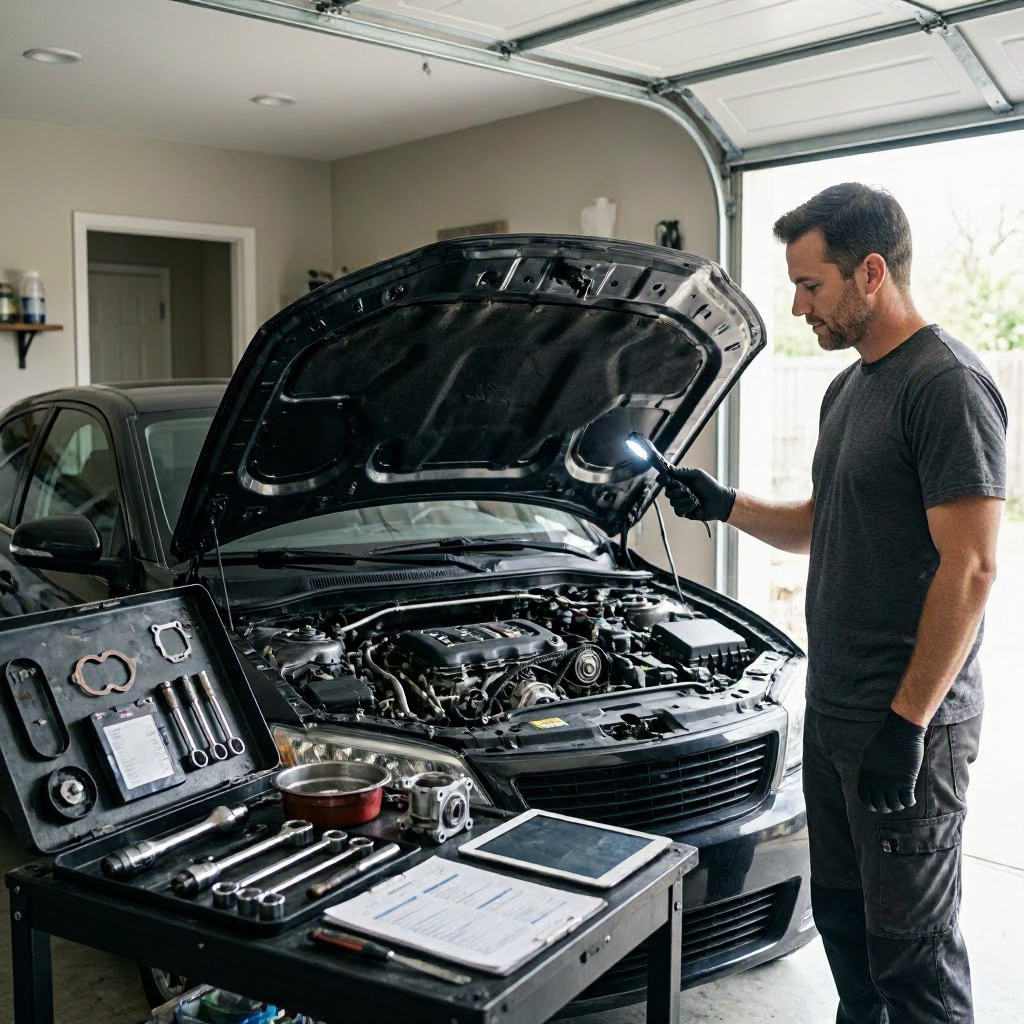
Water pump replacement cost and timing belt overlap
What Is a Water Pump and Why Does It Matter?
Your car's water pump circulates coolant through the engine and radiator to prevent overheating. Without it working properly, the engine can overheat quickly, leading to warped heads, blown gaskets, or total failure. In many vehicles, especially those with timing belts, the water pump is driven by the same belt, creating a key overlap in repairs.
Timing belts synchronize the crankshaft and camshaft, ensuring valves open and close at the right times. If it breaks, especially in interference engines, pistons can collide with valves, causing severe damage. Manufacturers often recommend replacing the timing belt every 60,000 to 100,000 miles, depending on the make and model.
The overlap happens because accessing the water pump often requires removing the timing belt. Mechanics expose the belt to reach the pump, so doing both at once saves labor. Skipping this can mean paying twice for disassembly.
Common Signs of a Failing Water Pump
Spotting issues early helps avoid roadside breakdowns. Look for these symptoms:
- Coolant leaks: Green, orange, or pink fluid under the car, often near the front-center of the engine.
- Overheating gauge rising, even after cooling down.
- Whining or grinding noises from the pump area, especially when accelerating.
- Steam from the hood or a sweet smell from evaporating coolant.
- Rusty or corroded weep hole on the pump housing.
Safety note: Overheating poses a fire risk or engine seizure. If your temperature gauge hits the red zone or you smell burning coolant, pull over safely, turn off the engine, and call for towing or roadside assistance. Do not drive further.
Ignoring these can lead to towing costs of $50 to $150, plus diagnostics.
The Timing Belt and Water Pump Overlap Explained
In belt-driven setups, common in imports like Honda, Toyota, Nissan, and some Subarus or Hyundais, the water pump bolts to the engine block behind the timing belt cover. Removing the belt grants access, making separate jobs inefficient.
Benefits of combining:
- Saves 30% to 50% on labor by avoiding repeat work.
- Prevents future belt removal for pump failure.
- Allows inspection of tensioners, idlers, and seals during the job.
Check your owner's manual or manufacturer's service schedule for intervals. For example, many Hondas specify 105,000 miles for both. Domestic V8s often use chains instead, but confirm for your model.
Interference vs non-interference engines: In interference types (most modern cars), belt failure destroys the engine. Non-interference engines may limp along but still need prompt repair.
Factors That Influence Replacement Costs
Costs vary widely based on several drivers. Understanding them helps you evaluate estimates.
| Cost Factor | Why It Matters | How to Verify |
|---|---|---|
| Vehicle make, model, year | Imports often cheaper parts; luxury or trucks more expensive. Front-wheel drive easier access than rear or AWD. | Ask shop for model-specific quote; check online forums like Reddit's r/MechanicAdvice for your car. |
| Labor hours | 4-10 hours typical; complex engines like transverse V6s take longer. Shop rates $100-$200/hour. | Request breakdown: e.g., "2 hours disassembly, 3 hours belt service." |
| Parts quality | OEM best for warranty; aftermarket cheaper but variable durability. Includes belt, pump, tensioner, seals, coolant. | Ask: OEM, remanufactured, or generic? Get part numbers. |
| Location | Urban shops charge more; rust belt adds corrosion removal time. | Compare 3 local quotes via RepairPal or YourMechanic. |
| Shop type | Dealerships premium; independents lower. Chains like Midas standardize. | Check reviews on Yelp or Google for fair pricing. |
| Urgency/add-ons | Weekend or towing adds fees; flushes, thermostat often bundled. | Confirm inclusions: taxes, shop supplies, disposal. |
Taxes (6-10%) and fees add 10-20%. High-mileage cars may need related work like radiator hoses.
Typical Cost Ranges Across Vehicle Types
Nationwide averages provide a benchmark, but always get local quotes as prices fluctuate with supply chains and inflation. Expect:
- Water pump alone: $400-$1,200 total (parts $100-$400, labor dominant).
- Timing belt kit + water pump: $800-$2,500 total. Sedans on lower end; SUVs or performance cars higher.
- Labor-heavy jobs (e.g., 4.6L Ford modular engine): Up to $3,000.
These ranges account for variables like a basic Civic vs premium BMW. Chains or timing chain vehicles skip belt costs but pumps still run $500+.
Verify via tools like RepairPal.com (enter VIN for accuracy) or AAA Approved shops. Avoid lowball quotes without details, as they may skimp on parts.
Step-by-Step Before Approving the Repair
Do not sign off without these checks:
- Confirm diagnosis: Insist on evidence like leak photos, pressure test results, or belt mileage log. Diagnostic fee? Often $100-$150, sometimes waived.
- Get written estimate: Itemized for parts, labor, taxes, fees. Valid 30 days?
- Compare 2-3 quotes: Use apps like YourMechanic for mobile techs or call independents via Google Maps.
- Check service history: Review records for last belt change. Overdue? Prioritize.
- Road test if safe: Note overheating before visiting shop.
Pro tip: Photograph your engine bay and undercarriage beforehand for baseline.
Key Questions to Ask Your Mechanic
Clear communication prevents surprises:
- Is the water pump definitely failing, or could it be thermostat/radiator?
- What's included in the timing belt service: tensioner, idlers, seals, coolant flush?
- OEM parts or aftermarket? Warranty on parts/labor (typically 12 months/12,000 miles)?
- Any related issues like worn cam seals or harmonic balancer?
- Can I supply parts to save money? (Some shops allow.)
- Total time vehicle out of service?
Write answers down or email for records.
Checking Warranties, Recalls, and Extended Coverage
Before paying, verify free options:
- Manufacturer warranty: Powertrain often covers pump/belt to 60,000-100,000 miles. Check paperwork or dealer.
- Recalls/TSBs: Search NHTSA.gov with VIN for free fixes (e.g., past Honda pump leaks).
- Extended warranty/service contract: Review terms; some cover up to 150,000 miles.
- Certified pre-owned: May extend coverage.
Contact manufacturer hotline (e.g., Toyota at 800-331-4331) with VIN. Keep records for claims.
Safety Risks and When to Act Immediately
Water pump failure overheats fast, risking hydrolock or fire. Timing belt snap in interference engines totals the motor mid-drive.
Warning signs demanding tow:
- Steam or smoke.
- Multiple dash lights (temp, oil).
- Loss of power/stalling.
Gig workers or commuters: Budget for rental car ($40-$80/day) via insurance if covered. Families: Prioritize safety over savings.
Strategies to Lower Your Total Bill
Smart moves cut 20-40%:
- Bundle proactively: At belt interval, even without pump leak, replace it (proactive saves big).
- Independent shops: Often 20-30% below dealers; seek ASE-certified.
- Group deals: Fleet services or Costco Auto for discounts.
- Aftermarket kits: $200-$500 vs OEM $600+, if compatible.
- DIY coolant flush later: Post-repair, $20 DIY vs $150 shop.
- Negotiate: "Match this quote?" or waive diag fee for bundled work.
Avoid dealership unless warranty. Watch for upsells like transmission flush without need.
Preventive Maintenance to Avoid Repeat Repairs
Long-term ownership slashes costs:
- Mileage checks: Log belt changes every 7,500 miles.
- Coolant service: Flush every 30,000-50,000 miles; use correct type (e.g., OAT for Asians).
- Visual inspections: Annual bay checks for leaks/weepage.
- Temperature monitoring: OBD-II scanner ($20) for codes.
Owners of high-mileage imports save thousands by timing services right. Apps like Drivvo track intervals.
Real-World Examples from US Drivers
A Chicago commuter with 2010 Accord: Pump leak at 95,000 miles. Bundled belt kit at indie shop: $1,200 vs $2,000 dealer. Saved by shopping quotes.
Texas family SUV (Hyundai Santa Fe): Overheat stranded them. $1,800 total, but recall check revealed free pump under extended warranty.
Student in California: Ignored whine, engine warped ($4,000 extra). Lesson: Act on noises.
These show planning overlaps pays off.
Documents to Keep for Future Protection
Post-repair:
- Itemized invoice with parts/labor.
- Old parts photos if requested.
- Warranty stickers.
- VIN service sticker under hood.
Useful for resale (boosts value), insurance claims, or disputes. Scan to cloud storage.
When Is Replacement Not Worth It?
For cars over 150,000 miles or worth <$3,000:
- Compare repair to Kelley Blue Book value.
- Factor resale drop post-major work.
- Consider trade-in; dealers discount fixes.
Rust-belt vehicles with frame issues? Walk away. Use Carfax or AutoCheck for history.
Combining with Other Services
Often paired with:
- Thermostat ($100-$300).
- Serpentine belt ($200-$500).
- Full cooling system flush.
Ask mechanic for multi-point inspection during job.
FTC tip: For any repair over $100, get written estimates. Learn more at FTC Buying and Owning a Car.
By addressing water pump and timing belt overlap strategically, US drivers control costs and stay safe on the road. Verify locally for your ride.

About the TDL Expert Panel
TDL Expert Panel · TheDigitalLife Editorial Team
TDL Expert Panel is the editorial team behind TheDigitalLife. The team researches, reviews, and creates practical guides to help everyday readers make better decisions about home repair costs, refunds, AI tools, digital safety, productivity, and useful online resources. Each guide is written to be clear, useful, and easy to understand.