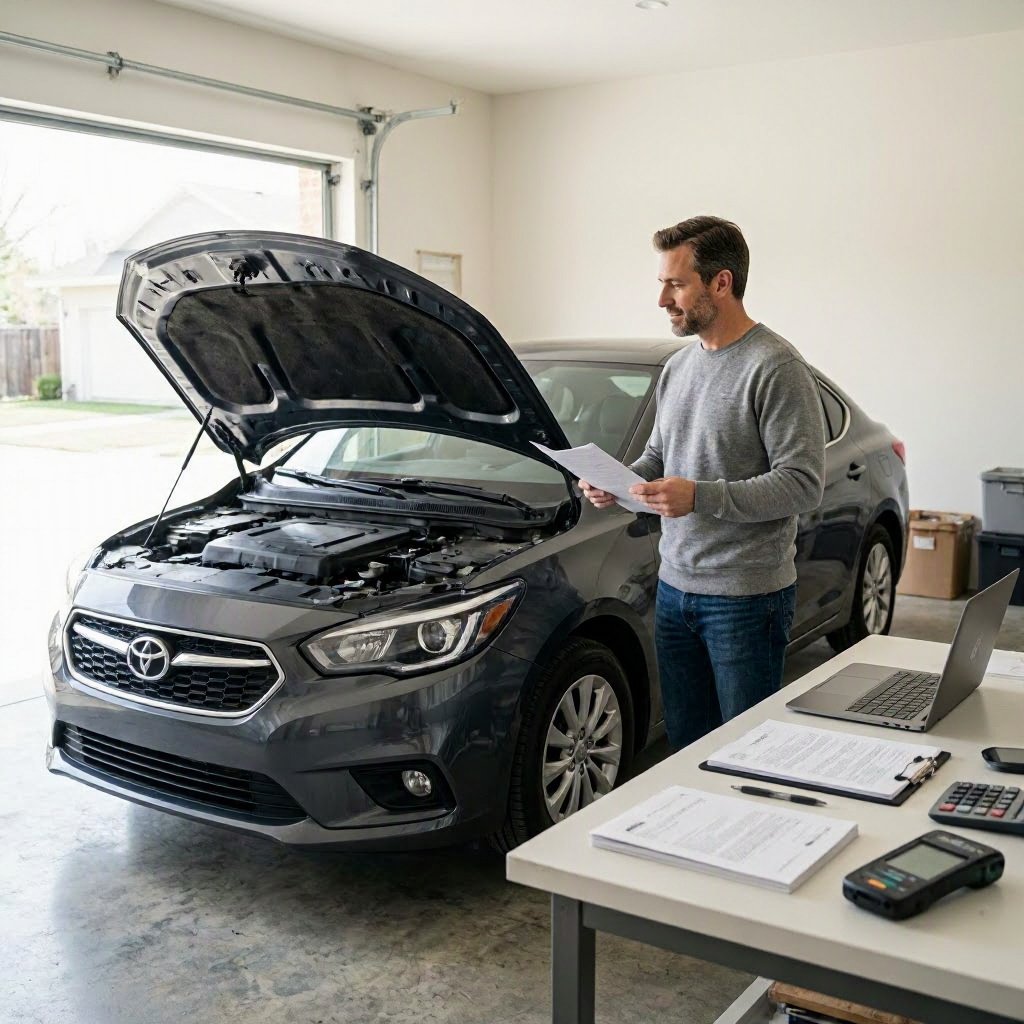
Extended car warranty cost vs factory warranty coverage
Understanding Factory Car Warranties
Factory warranties, also called manufacturer warranties, come standard with new vehicles purchased in the United States. They protect against defects in materials or workmanship from the automaker. These warranties start from the date of purchase or when the vehicle first goes into service, whichever comes first.
Most new cars include a basic bumper-to-bumper warranty covering nearly everything except wear items like tires and brakes. Powertrain warranties focus on the engine, transmission, and drivetrain. Coverage periods vary by brand, but common terms are 3 years or 36,000 miles for bumper-to-bumper and 5 years or 60,000 miles for powertrain on many models.
Check your owner's manual or the warranty booklet in the glovebox for exact terms. These documents outline what is covered, exclusions, and how to file a claim. Keeping service records from authorized dealers helps prove maintenance compliance, which is often required to maintain coverage.
Key Components of Factory Warranty Coverage
Factory warranties typically divide into several parts:
- Bumper-to-bumper: Covers most components for a set time or mileage.
- Powertrain: Longer coverage for major driveline parts.
- Corrosion perforation: Often 5-7 years with unlimited miles.
- Emissions: Federal and state requirements may extend coverage for related parts.
Some luxury brands like Lexus or BMW offer longer terms, such as 4 years/50,000 miles bumper-to-bumper. Electric vehicles from Tesla or Rivian might have battery warranties up to 8 years/100,000 miles.
Exclusions are common: normal wear (brakes, wipers), misuse, modifications, or racing. Repairs must go through authorized dealerships. If a repair falls outside warranty, you pay out-of-pocket, which leads many drivers to consider extended options.
Contact the manufacturer via their website or customer service line listed in your warranty docs to confirm coverage before any work. For recalls, use the NHTSA website at nhtsa.gov to check by VIN.
What Are Extended Car Warranties?
Extended car warranties, often called vehicle service contracts, provide coverage after the factory warranty expires. They are not true warranties but contracts sold by dealerships, third-party administrators, or directly from manufacturers.
These plans promise to pay for repairs on covered components, minus a deductible. Coverage can extend up to 8-10 years or 150,000+ miles, depending on the plan. You might buy one at purchase or later from a dealer or online provider.
Unlike factory warranties, extended plans use networks of repair shops, not just dealers. They often include extras like roadside assistance, rental car reimbursement, or trip interruption benefits. Read the contract carefully, as terms differ widely.
Typical Coverage Under Extended Warranties
Extended warranties offer tiers like powertrain-only (cheapest) or exclusionary (most comprehensive, similar to bumper-to-bumper). High-end plans cover electronics, suspension, and even high-tech features in modern cars.
Common exclusions: Pre-existing conditions, wear items, improper maintenance, or commercial use. Deductibles range from $0 to $200 per repair visit. Some plans cap total payouts or per-repair amounts.
For a family minivan used for daily commutes and school runs, a comprehensive plan might cover transmission failure costing thousands. A gig worker's high-mileage sedan might prioritize powertrain to handle engine stress.
Always get the contract in writing and verify the provider's backing, such as an insurance company or A.M. Best rating for financial stability.
Cost of Factory Warranties
Factory warranties cost nothing extra at purchase, as they are built into the new vehicle's price. The average new car price exceeds $48,000, which factors in this protection.
If your factory warranty nears expiration, manufacturers like Ford or Toyota offer certified pre-owned (CPO) extensions for used vehicles. These might add 1-2 years at a dealership, often cheaper than third-party plans.
No out-of-pocket for covered repairs during the term, but you handle towing or rentals unless specified. Maintaining the vehicle per the schedule keeps coverage active, avoiding denied claims.
Average Costs of Extended Car Warranties
Extended warranty prices vary widely based on several factors, typically ranging from $1,000 to $4,000 for a 5-year/60,000-mile plan on a mid-size sedan. Shorter or basic powertrain plans start lower, around $800-$2,000, while luxury or full-coverage for trucks can exceed $5,000.
These are one-time upfront payments or financed into your auto loan, adding interest. Monthly payment plans from providers might seem affordable but increase total cost.
Prices depend on your vehicle's make, model, age, mileage, driving habits, and location. A 2020 Honda Civic with 50,000 miles costs less to warrant than a 2018 Ford F-150 with 80,000 miles due to parts availability and repair complexity.
Shop multiple quotes from dealerships and third parties like Endurance or CARCHEX. The FTC advises comparing at least three providers before buying.
Factors That Affect Extended Warranty Costs
Several elements drive pricing:
- Vehicle specifics: Luxury brands or high-performance models cost more due to expensive parts.
- Age and mileage: Newer, low-mileage cars qualify for lower rates.
- Coverage level: Exclusionary plans are priciest.
- Deductible: Higher deductibles ($100+) reduce premiums.
- Term length: Longer terms increase cost.
- Provider: Dealer markups can add 30-50% over direct sellers.
- Your profile: Clean driving record or location in low-theft areas may lower rates.
For example, a retiree in Florida insuring a low-mileage Buick might pay less than a young commuter in California with traffic-related wear.
Use online quote tools but verify terms. Ask providers how they calculate rates and what discounts apply, like multi-car or military.
| Factor | Why It Matters | How to Minimize Cost |
|---|---|---|
| Vehicle Age/Mileage | Older/high-mileage increases risk | Buy early, before expiration |
| Coverage Tier | Broader coverage raises premium | Start with powertrain if low-risk |
| Deductible | Higher shifts cost to you | Balance with expected repairs |
| Purchase Timing | Dealer at sale often marked up | Shop third-party post-purchase |
| Driving Habits | Commercial/high miles upcharge | Disclose accurately for quotes |
Direct Cost Comparison: Factory vs. Extended
Factory warranties provide "free" coverage for the initial years, saving thousands on potential repairs like a $4,000-$7,000 transmission rebuild. No deductibles or provider hassles during that period.
Extended plans kick in afterward, potentially covering similar repairs minus deductible. Total ownership cost analysis shows: If your car lasts 10 years/150,000 miles, factory covers the first third, extended the rest, but at a premium that might exceed actual repair needs.
Break-even depends on repair frequency. Reliable brands like Toyota (with fewer repairs per Consumer Reports) make extended less necessary. For a used SUV bought at 40,000 miles, extending might protect against $2,000+ annual repairs post-factory.
Calculate your risk: Review repair data on sites like RepairPal for your model. If average annual costs exceed $1,500, extended could pay off.
Pros and Cons of Factory Warranties
Pros:
- No extra cost.
- Dealer repairs with OEM parts.
- Transfers to new owner, boosting resale.
Cons:
- Expires early on high-mileage vehicles.
- Limited to defects, not wear.
- Dealer-only service.
Pros and Cons of Extended Warranties
Pros:
- Extends protection for older cars.
- Flexible shop networks.
- Added perks like towing.
Cons:
- Upfront or financed cost.
- Deductibles and exclusions.
- Cancellation fees or low refunds.
For a student with a used commuter car, factory might suffice if low miles. A family with a high-use van benefits more from extended.
When Factory Warranty Coverage Might Suffice
If you buy new and sell before 60,000 miles, factory often covers peak defect risk. Data shows most issues arise early. Trade-in or sell privately with remaining warranty to add value.
Keep meticulous records: Oil changes, inspections. Neglect voids claims. For CPO vehicles, enhanced factory extensions provide peace of mind at lower cost.
When to Consider an Extended Warranty
Opt for extended if:
- Keeping the car long-term (100,000+ miles).
- Driving high miles (gig work, family travel).
- Owning a repair-prone model (per reliability ratings).
- Budget can't handle $3,000+ surprise repairs.
A mechanic commuting 30,000 miles yearly on a domestic truck might save via powertrain extension. Verify first: Does your credit card offer mechanical breakdown coverage? AAA membership includes some towing/repairs.
Steps to Compare and Decide
- Review factory status: Check odometer, service history, warranty docs.
- Get repair estimates: For common failures on your model via local shops.
- Request quotes: From dealer, manufacturer CPO, and 2-3 third-parties.
- Read contracts: Note exclusions, transferability, cancellation (often 30-day money-back).
- Calculate total cost: Include financing interest if added to loan.
- Check reviews: BBB, FTC complaints for providers.
Document everything: Quotes, emails. Avoid pressure at purchase; warranties can be bought later.
Alternatives to Extended Warranties
- Self-insure: Build a $2,000-$5,000 repair fund in a high-yield savings account.
- Credit cards: Some like Chase Sapphire offer auto repair coverage.
- Membership perks: AAA, Costco auto programs.
- Gap insurance: For financed cars, covers depreciation.
- Certified pre-owned: Factory-backed for used buys.
For budget-conscious renters, self-insuring a reliable used import beats warranty premiums.
Buying Tips and Avoiding Scams
Dealerships push extended at sale, often inflating prices. Third-party sellers advertise low rates but have hidden fees. FTC warns of scams: Fake calls claiming expired warranties, pressure tactics.
Verify providers: Licensed in your state, insured backing. Check ftc.gov for "Buying a Car" and "Buying from a Used Car Dealer" guides.
Red flags:
- No written contract preview.
- Guarantees "full coverage" without details.
- Can't name repair facilities.
- High-pressure "today only" deals.
Buy post-purchase if needed; many plans allow it up to 30,000 miles.
Questions to Ask Warranty Sellers
Prepare this list:
- What exactly is covered/excluded?
- Deductible per visit or repair?
- Any mileage caps or payout limits?
- Transferable to new owner?
- Cancellation policy and refund formula?
- Backed by which insurer?
- Sample claim process?
For repairs under consideration, ask: "Does this cover [specific issue, e.g., CVT transmission]?"
Maintaining Records for Warranty Claims
Keep:
- Warranty contract.
- Purchase docs, VIN.
- All service invoices.
- Photos of issues.
- Correspondence.
Digital folders or apps like Drivvo track this. Required for claims, resale, or disputes.
Impact on Resale and Trade-In
Remaining factory warranty boosts value by $500-$2,000. Transferable extended plans do too, if reputable. Disclose terms to buyers.
When trading, dealers factor warranty into offers. Verify transfer fees (often $50-$100).
Real-World Examples for US Drivers
- Commuter sedan: Factory 3/36k expires at 40,000 miles. Extended powertrain at $1,500 covers expected transmission work.
- Family SUV: High miles post-factory; comprehensive extended $2,800 offsets $4,500 AC/compressor repair.
- Senior's low-mile coupe: Self-insure; rare repairs under $1,000/year.
Tailor to your situation: Urban vs. rural, miles driven.
Final Considerations Before Buying
Weigh repair likelihood vs. premium. Reliable vehicles (Honda, Toyota) rarely need extended. For others, targeted coverage saves money.
Consult FTC resources: consumer.ftc.gov/shopping-and-donating/buying-and-owning-car and consumer.ftc.gov/articles/buying-used-car-dealer. Verify your vehicle's recalls at nhtsa.gov.
Shop smart, document, and drive confidently.

About the TDL Expert Panel
TDL Expert Panel · TheDigitalLife Editorial Team
TDL Expert Panel is the editorial team behind TheDigitalLife. The team researches, reviews, and creates practical guides to help everyday readers make better decisions about home repair costs, refunds, AI tools, digital safety, productivity, and useful online resources. Each guide is written to be clear, useful, and easy to understand.