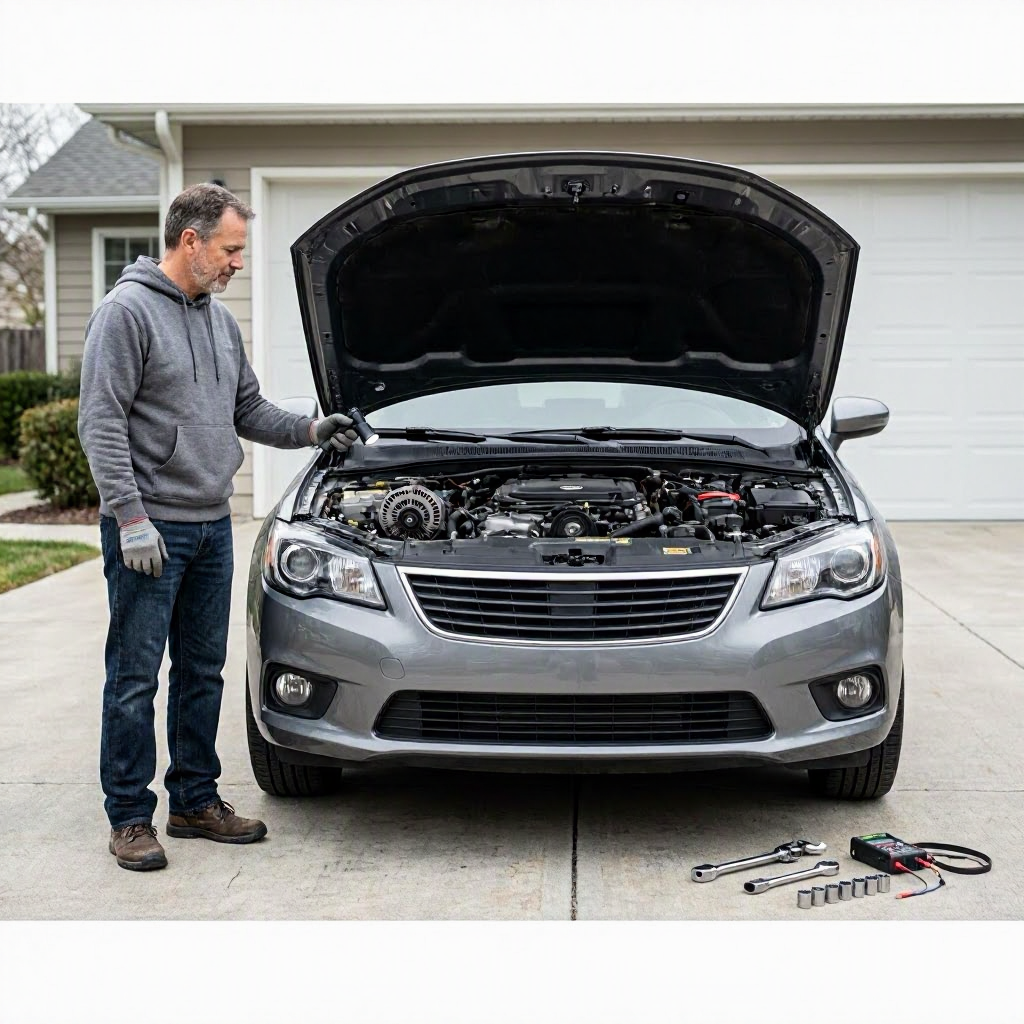
Alternator replacement cost and signs it is failing
---
Understanding Your Car's Alternator
Your car's alternator keeps the battery charged and powers the electrical system while the engine runs. It converts mechanical energy from the engine's crankshaft into electrical energy through a belt-driven pulley system. Without it working properly, your battery drains quickly, leading to potential breakdowns.
Failing alternators affect all drivers, from daily commuters in Los Angeles traffic to families road-tripping across Texas. Spotting issues early helps avoid being stranded. This guide covers the common signs of alternator failure and realistic costs for replacement in the US.
Common Signs Your Alternator Is Failing
Alternator problems often start subtly but worsen fast. Ignoring them can leave you without power on the highway, which is a safety risk. Pay attention to dashboard warnings and unusual behavior.
Battery Warning Light On
The most direct sign is the battery icon lighting up on your dashboard. This could mean low voltage from the alternator not charging the battery. It might flicker or stay on steadily.
If the light comes on while driving, pull over safely soon. Continuing could drain the battery completely, causing the engine to stall.
Dim or Flickering Headlights and Interior Lights
Headlights that dim, especially when accelerating, point to inconsistent voltage output. Interior lights may flicker or fail to stay bright. This happens because the alternator isn't supplying steady power.
Test by turning on headlights during the day with the engine running. If they seem weak, have it checked before night driving.
Electrical Accessories Acting Up
Power windows slow down, the radio cuts out, or the AC fan weakens. These draw from the alternator-supplied power. Dead dashboard gauges or error messages can also appear.
Gig workers relying on phone chargers in their cars might notice devices draining faster than usual.
Whining or Grinding Noises
A failing alternator bearing often makes a high-pitched whine or growl from under the hood. This noise changes with engine speed. Belt wear can cause squealing too.
Listen closely near the engine with the hood open while idling. Noises indicate mechanical wear needing prompt attention.
Burning Smell or Overheating
Worn brushes or diodes can overheat, producing a burnt electrical smell. Smoke from the alternator area is rare but serious.
Stop driving if you smell burning electronics. It could lead to fire risks or total electrical failure.
Battery Dying Repeatedly
Even after jump-starts or new batteries, it goes dead again. The alternator isn't recharging it, so the battery only lasts on stored power.
This is common in older vehicles with high mileage. Check your battery first, but suspect the alternator if replacements fail quickly.
| Sign | Possible Cause | Urgency Level |
|---|---|---|
| Battery light on | Low voltage output | High, stop soon |
| Dim headlights | Inconsistent power supply | Medium, check ASAP |
| Electrical glitches | Voltage fluctuations | Medium |
| Whining noise | Bearing or belt wear | High if worsening |
| Burning smell | Overheating components | Immediate, pull over |
| Frequent battery death | No charging | High |
Safety note: Alternator failure can cause engine stalling or loss of power steering/brakes in some vehicles. Use roadside assistance like AAA if stranded. Do not drive long distances with these signs.
Diagnosing Alternator Issues Step by Step
Before heading to a shop, do basic checks yourself. This helps confirm if it's the alternator or something else like a bad battery or belt.
Check the Battery and Connections
Inspect terminals for corrosion. Clean with baking soda and water if needed. Test battery voltage with a multimeter: around 12.6 volts engine off, 13.7-14.7 volts engine running.
A weak battery mimics alternator problems. Replace it first if it's over three years old.
Inspect the Serpentine Belt
Look for cracks, glazing, or looseness. A slipping belt reduces alternator spin. Tensioners wear out too.
This is a quick visual check under the hood. No tools needed initially.
Listen and Look for Obvious Damage
Rev the engine and note noises or smoke. Check for loose wires at the alternator.
When to See a Professional
For accurate diagnosis, visit a trusted mechanic or auto parts store offering free tests. Chains like AutoZone or O'Reilly often check charging systems gratis.
Get a written diagnostic report detailing voltage tests and multimeter readings. This avoids surprise fees later.
Urgent if lights dim or stalling occurs, as it affects steering and braking assist.
Alternator Replacement Cost Factors
Replacement costs vary widely across the US. Expect to pay several hundred to $1,500 or more, depending on multiple factors. Labor often dominates the bill.
Vehicle Make, Model, and Year
Domestic trucks like Ford F-150s may cost less due to parts availability. Luxury imports like BMWs or Audis run higher from specialized parts.
Older cars (pre-2000) have simpler alternators; newer hybrids add complexity.
Parts Quality Choices
OEM (original equipment manufacturer) parts match factory specs but cost more. Aftermarket options from brands like Denso or Bosch save money but check reviews.
Remanufactured units are rebuilt and cheaper than new. Avoid used from junkyards unless low mileage.
Parts alone range from $150-$700 typically.
Labor Rates and Time
Shops charge $100-$200 per hour. Replacement takes 1-3 hours, but rusted bolts or tight engine bays extend it.
Dealerships charge premium rates; independents are lower. Urban areas like New York have higher labor than rural Midwest.
Location and Shop Type
California or New York shops add taxes and fees. Chains like Midas offer flat rates; mobile mechanics might charge travel.
Add shop supplies (5-10%), taxes (6-10%), and disposal fees ($20-50).
| Cost Factor | Why It Affects Price | How to Minimize |
|---|---|---|
| Vehicle type | Parts scarcity for imports/luxury | Compare OEM vs aftermarket |
| Labor hours | 1-3 hours at $100-$200/hr | Choose independent shops |
| Parts type | New OEM > reman > aftermarket | Ask for part numbers upfront |
| Location | Higher in cities, taxes vary | Get quotes from 3+ shops |
| Additional fees | Supplies, tax, disposal | Confirm all-in estimate |
These ranges are estimates; actual quotes depend on your vehicle. Always verify locally.
Steps to Get Accurate Repair Quotes
Shop smart to avoid overpaying. Start before approving work.
Get Multiple Written Estimates
Call 3-5 shops: independents, chains, dealerships. Provide year, make, model, mileage, and symptoms.
Ask: "What's included in the quote? Parts warranty? Labor guarantee?"
Questions to Ask Mechanics
- Is it definitely the alternator, or could it be regulator/diode/ belt?
- OEM or aftermarket? Brand and part number?
- Diagnostic fee separate? Refundable if proceeding?
- Total time and any extras like fluid top-offs?
- Warranty: 12 months/12,000 miles typical?
Request itemized breakdown: parts, labor, fees.
Timing Your Repair
Non-urgent? Wait for quotes. Urgent (dim lights, stalling)? Tow to the nearest reputable shop.
Use apps like RepairPal for local averages by ZIP code.
Warranty, Recall, and Insurance Coverage
Before paying, check free options.
Manufacturer Warranty
Basic warranties cover 3-5 years/36,000-60,000 miles. Powertrain may include alternator.
Power users like seniors with high-mileage sedans: review service records. Keep all maintenance invoices.
Extended Warranties and Service Contracts
If you have one, call the provider. Coverage varies; some exclude electrical.
Recalls and Technical Service Bulletins
Check NHTSA.gov for recalls using VIN. Enter your vehicle details.
Alternator recalls exist for certain models (e.g., some Chrysler minivans). Free fix if applies.
Insurance Angle
Comprehensive coverage might pay if failure from covered event like flood. Collision for accident damage.
Review policy; file claim if eligible, but note deductible. Ask adjuster about preferred shops.
DIY vs Professional Replacement
DIY is risky for most drivers. Alternators involve belt removal, electrical disconnection, and heavy lifting. Wrong torque or polarity fries electronics.
Tools needed: sockets, belt tensioner tool, multimeter. Time: 2-4 hours.
Pros handle diagnostics accurately and warranties. Skip DIY unless experienced.
If attempting basics: disconnect battery first. YouTube model-specific guides, but stop if unsure.
Safety first: improper work risks fire or stranding.
Is Replacement Worth It?
Compare to vehicle value. For a $2,000 beater, maybe sell as-is. Newer cars with 100,000+ miles? Often yes.
Rule of thumb: If repair exceeds 10-20% annual value, consider trade-in.
Test drive post-repair: lights bright, no noises, voltage steady.
How to Lower Your Alternator Replacement Bill
Save without cutting corners.
Choose Remanufactured Parts
Often half new price, with warranties. Lifetime options exist.
Bundle Repairs
If belt or battery weak, do together. Saves labor.
Loyalty Discounts or Coupons
AAA members get savings at partners. Check Groupon for chains, but verify shop ratings.
Off-Peak Scheduling
Weekdays mornings at independents.
Negotiate: "Can you match this quote?" Show competitors.
Avoid towing fees: drive if safe, or use insurance roadside.
Post-Repair Checks and Maintenance Tips
After install:
- Test voltage: 13.7-14.7V running.
- Monitor for 100 miles.
- Keep invoice for warranty/resale.
Prevent future issues:
- Regular belt inspections during oil changes.
- Avoid short trips draining battery.
- Clean terminals yearly.
Track in a log: date, mileage, shop.
When Alternator Failure Is an Emergency
Stalling, no power steering, dark roads: call roadside assistance immediately. AAA, insurance, or apps like Urgent.ly.
Do not jump-start repeatedly; it masks the issue.
For families or commuters, plan backups like Uber during repairs.
Keeping Records for Future Protection
Save everything:
- Diagnostic reports.
- Itemized invoices with part numbers.
- Warranty details.
- Photos of old alternator.
Useful for insurance claims, resale (boosts value), disputes.
Digital folder or glovebox binder works.
Avoiding Scams and Unnecessary Upsells
Shops may push "full electrical system flush" unneeded. Insist on alternator test first.
Red flags: No written estimate, pressure to approve now, vague diagnoses.
FTC.gov has tips on auto repairs. Verify shops via BBB.org or state attorney general.
Use independent ASE-certified techs.
This approach keeps costs down and vehicle reliable. For your specific car, start with a free test today.
(Word count: 2687) ---

About the TDL Expert Panel
TDL Expert Panel · TheDigitalLife Editorial Team
TDL Expert Panel is the editorial team behind TheDigitalLife. The team researches, reviews, and creates practical guides to help everyday readers make better decisions about home repair costs, refunds, AI tools, digital safety, productivity, and useful online resources. Each guide is written to be clear, useful, and easy to understand.