Wheel alignment cost and signs your car needs one
Signs Your Car Needs a Wheel Alignment
If your car pulls to one side while driving straight on a level road, it could signal a wheel alignment issue. This happens because the wheels are not pointing in the same direction, forcing the steering wheel to compensate. Many drivers first notice this during highway commutes, especially in states like Texas or California with long stretches of flat interstate.
Uneven tire wear is another common red flag. You might see the inner or outer edges of tires wearing faster than the center, or feathered tread patterns that feel rough when you run your hand over them. Check your tires monthly, as irregular wear can lead to blowouts, a safety risk highlighted by the National Highway Traffic Safety Administration (NHTSA).
The steering wheel may vibrate or shimmy, particularly at higher speeds above 50 mph. This vibration transmits through the wheel and seat, making long drives tiring. Gig workers or daily commuters often report this after hitting potholes, common in urban areas like Chicago or New York City roads.
Your car might wander or drift, requiring constant corrections to stay in the lane. This is especially noticeable on crowned roads, where the center is higher. If you have to grip the wheel tightly or fight it back to center, get it checked soon to avoid fatigue-related accidents.
Other signs include the steering wheel being off-center when driving straight, or squealing tires during turns even at low speeds. Fluid leaks under the car or clunking noises over bumps could point to related suspension problems that affect alignment. Do not ignore these if they involve steering or braking, as they impact vehicle control.
| Sign | Possible Concern | Urgency Level |
|---|---|---|
| Pulling to one side | Wheels angled incorrectly | High, affects handling |
| Uneven tire wear | Toe or camber out of spec | Medium, worsens quickly |
| Steering vibration | Balance or alignment issue | High at highway speeds |
| Off-center steering wheel | Caster or thrust misalignment | Medium |
| Excessive tire squeal in turns | Improper toe settings | Low unless with pulling |
What Is Wheel Alignment?
Wheel alignment adjusts the angles of your wheels to match the manufacturer's specifications. It ensures tires meet the road squarely, improving handling, tire life, and fuel efficiency. Misalignment throws off toe, camber, and caster angles, key measurements for straight-line stability.
Toe refers to whether wheels point inward (toe-in) or outward (toe-out). Incorrect toe causes scrubbing, leading to rapid tire wear. Camber is the vertical tilt: positive tilts tops outward, negative inward. Too much camber wears edges.
Caster affects steering return-to-center feel, tilting the steering axis forward or back. Thrust angle aligns the rear wheels with the front. Modern cars often need four-wheel alignments for precise adjustments, unlike older front-wheel-drive models.
A full alignment uses computerized machines to measure angles, then technicians adjust suspension components like tie rods or camber bolts. The process takes 30 minutes to an hour. It's not the same as tire balancing, which evens rotational weight.
Common Causes of Wheel Alignment Problems
Potholes are a top culprit, jarring suspension in pothole-heavy states like Pennsylvania or Illinois. Hitting curbs during parking, especially in tight city spots, bends components.
New tires or suspension repairs often require realignment, as changes alter geometry. Worn parts like ball joints or control arm bushings cause gradual misalignment. Accidents or collisions misalign wheels, even minor fender-benders.
Overloaded vehicles, like family SUVs packed for road trips, stress alignments. Aggressive driving or off-road use on trucks accelerates wear. Check after any major jolt to catch issues early.
How Often Should You Get a Wheel Alignment?
Follow your owner's manual schedule, typically every 6,000 to 12,000 miles or two years. However, inspect sooner if you spot signs. Tire shops recommend checks during rotations, every 5,000 to 8,000 miles.
High-mileage commuters or rideshare drivers may need it more often, up to every 4,000 miles in rough-road areas. New cars might align at 1,000 miles post-delivery. Track via service records to spot patterns.
Is Wheel Alignment a Safety Issue?
Yes, especially if pulling or vibrations affect control. Uneven wear reduces traction, increasing hydroplaning risk in rain. NHTSA data links poor alignment to handling failures in crashes.
Steering problems heighten rollover risk for tall vehicles like pickups. If your car wanders on highways or doesn't track straight, stop driving and call roadside assistance like AAA. Get a professional inspection before resuming use.
Types of Wheel Alignment Services
Front-end alignments adjust only the front wheels, suitable for older rear-wheel-drive cars. Most modern vehicles need four-wheel alignments to correct rear thrust and ensure axle parallelism.
Lifetime alignments from chains promise free rechecks, but verify terms. Hunter or other laser systems provide precision. Ask if the shop uses OEM specs for your make and model.
What Affects Wheel Alignment Costs?
Costs vary widely by vehicle type, location, shop type, and service scope. Luxury cars or trucks with air suspension cost more due to complex adjustments.
Labor rates differ: urban areas like Los Angeles charge higher than rural Midwest shops. Chains like Firestone or Meineke may bundle with tire services, lowering effective cost.
Parts add up if worn components need replacement, like tie rods ($50-$200 each). Diagnostics might cost $20-$100 extra. Taxes, shop supplies (10-15% fee), and disposal fees apply in most states.
Urgency matters: after-hours or mobile services charge premiums. Warranty coverage or insurance for collision damage can offset costs.
| Cost Factor | Why It Matters | How to Check |
|---|---|---|
| Vehicle type (sedan vs. SUV) | More axles/parts on larger vehicles | Ask for model-specific quote |
| Location (urban vs. rural) | Higher labor in cities | Compare 3 local shops |
| Shop type (chain vs. indie) | Chains may bundle deals | Read reviews on Yelp/Google |
| Additional repairs | Worn bushings inflate bill | Request itemized estimate |
| Service scope (front vs. full) | Four-wheel costs 20-50% more | Confirm your car needs it |
Typical Wheel Alignment Costs Across the US
Expect $75 to $200 for a standard alignment, with front-end services on the lower end and four-wheel on the higher. These ranges come from consumer reports and auto sites like AAA, but actual prices depend on your zip code, vehicle, and shop.
In high-cost states like California or New York, quotes often hit $150-$250. Southern or Midwest shops might quote $80-$150. Add $100-$300 if parts like control arms are needed.
Tire centers like Discount Tire or Pep Boys frequently offer alignments for $80-$120 with tire purchases. Independent mechanics average lower labor at $100/hour vs. $150 at dealers. Always get written estimates first.
Breaking Down a Wheel Alignment Estimate
A good estimate lists diagnostics, labor hours, parts, taxes, and fees separately. Labor is 0.5-1.5 hours at $80-$150/hour. No reputable shop charges for alignment without a pre-service road test and printout.
Ask if OEM or aftermarket parts are used for any replacements. Shop supply fees cover fluids and cleaners; hazardous waste fees handle old parts. Total tax is 6-10% in most states.
Sample breakdown for a four-wheel alignment on a mid-size sedan:
- Diagnostic/road test: $50
- Alignment labor: $120
- Alignment report printout: included
- Shop supplies: $15
- Tax: $12
- Total: ~$197
Verify no hidden fees before signing.
How to Find a Reliable Wheel Alignment Shop
Search "wheel alignment near me" on Google Maps, filtering for 4+ star ratings with 100+ reviews. Chains like Jiffy Lube, Midas, or Monro offer consistency. ASE-certified technicians ensure quality; check certifications on shop walls or websites.
Read recent reviews for mentions of "before/after printouts" or "repeat visits needed." Avoid shops pushing unnecessary suspension work without proof. Visit during off-peak hours for better service.
Call 2-3 shops for quotes, describing your vehicle (year, make, model, mileage) and symptoms. Ask about warranties: most give 30 days or 1,000 miles on adjustments.
Questions to Ask Your Mechanic Before Approving Wheel Alignment
- What angles are out of spec, and by how much?
- Do I need front-end or four-wheel service?
- Are any parts worn and need replacement first?
- What's included in the price (diagnostics, test drive, printout)?
- How long is the warranty on labor and adjustments?
- Can you email the before/after alignment report?
Request everything in writing. Take photos of the estimate and your odometer. Decline if they pressure for immediate upsells without evidence.
Does Insurance Cover Wheel Alignment?
Typically no, unless from a covered collision. Review your policy's comprehensive or collision coverage for accident-related damage. Contact your insurer via app or 800-number to file if applicable.
Parking lot dings or potholes usually fall under your deductible. Keep estimates and photos for claims. Road hazard warranties on tires might cover related alignments.
Can You Check Alignment Yourself?
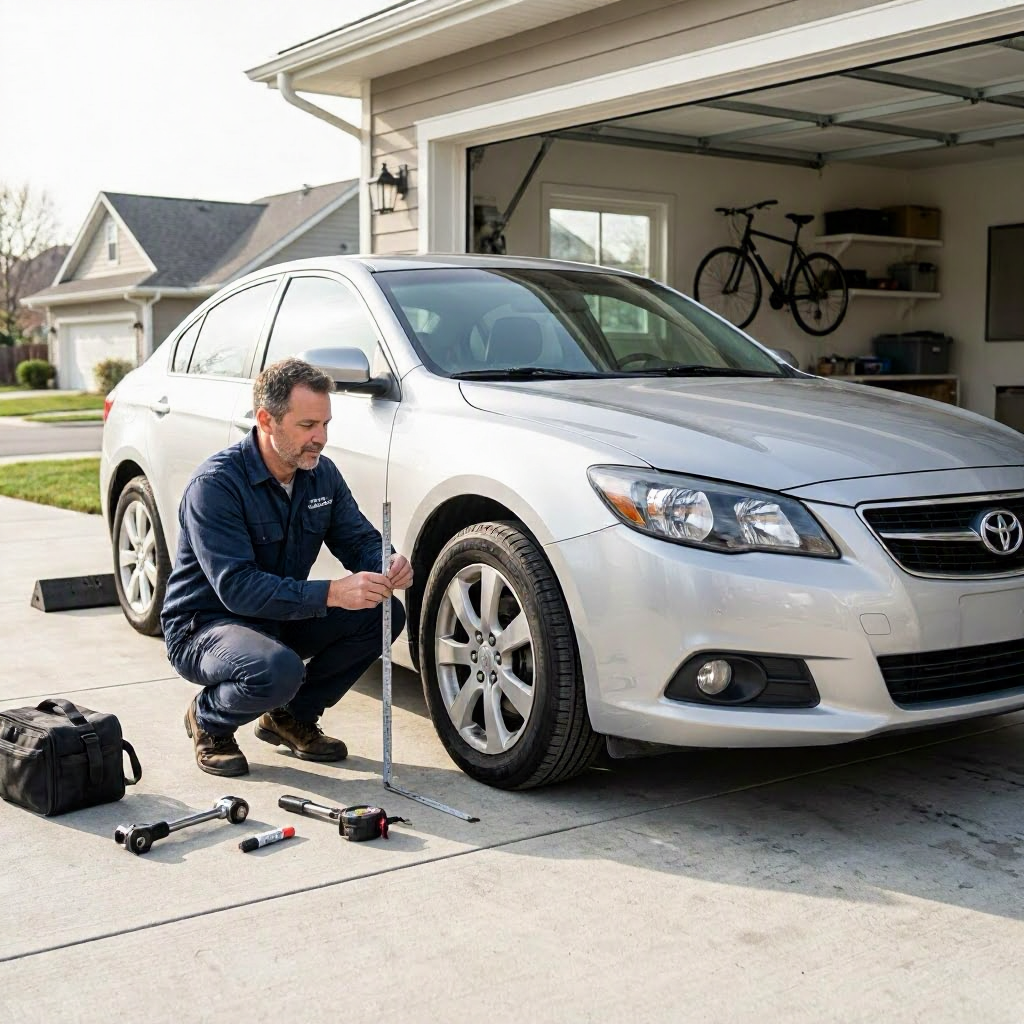
Basic checks include tire wear inspection and a flat-road pull test. Park on level ground; if front tires point different directions, misalignment is likely. Measure toe roughly with a tape: string method works for DIYers.
Professionals strongly advise against DIY adjustments, as it requires lifts, tools, and specs. Incorrect settings worsen safety. Use free tire shop checks during rotations instead.
When to Get a Second Opinion
For quotes over $200 or bundled repairs, visit another shop. If the first recommends major suspension work without a detailed report, confirm elsewhere. Second opinions prevent unnecessary spending, especially on non-urgent issues.
Urgent signs like severe pulling warrant immediate service; skip opinions if unsafe.
Is Wheel Alignment Worth the Cost?
Yes, for tire savings and safety. Proper alignment extends tire life by 20,000-50,000 miles, per tire industry estimates. Fuel efficiency improves 1-7% with even contact.
Compare to new tires ($500-$1,000/set): alignment pays for itself. Skip if selling soon and tires are worn anyway, but disclose issues to buyers.
Tips to Reduce Wheel Alignment Costs
Shop mid-week for deals; many chains discount weekdays. Bundle with tire rotation or balance for 10-20% savings. Join loyalty programs at Firestone or Goodyear for free alignments after purchases.
Buy used cars with service records showing recent alignments. Drive smoothly, avoid potholes, and maintain tires at proper pressure (check door sticker). Regular rotations every 6,000 miles prevent misalignment.
Negotiate: mention competitor quotes politely. Pay cash for minor discounts. Check for manufacturer coupons on brand sites like Toyota or Ford.
Preventing Future Wheel Alignment Issues
Rotate tires per schedule to even wear. Inspect suspension yearly or after impacts. Keep pressures at PSI specs; underinflation stresses angles.
Avoid overloading; respect payload limits on doors. Park carefully to miss curbs. For trucks or SUVs, check after towing.
Keep records: alignment reports prove maintenance for warranty or resale. Use apps like Fuelly to track costs and mileage.
Wheel Alignment and Other Maintenance
Alignments pair with suspension checks. Worn shocks amplify misalignment. Replace tires in sets if wear is bad.
Check for recalls on suspension via NHTSA.gov (enter VIN). Warranty may cover if under powertrain terms. Consult FTC's buying and owning a car guide for repair rights: consumer.ftc.gov.
What Happens If You Ignore Wheel Alignment?
Tires wear prematurely, costing $600+ yearly. Handling suffers, raising accident risk. Fuel economy drops 10% in severe cases.
Suspension parts fail faster, leading to $1,000+ repairs. Uneven braking extends stops. Prioritize if safety signs appear.
Real Driver Examples
Sarah, a California commuter, noticed pulling after rain-slicked potholes. Her $140 four-wheel alignment saved $800 in tires. Mike, a Florida gig driver, ignored vibrations; tires blew out, totaling $900 plus towing.
These stories show early action pays off. Track your symptoms and mileage for patterns.
Keeping Records After Service
Save invoices, reports, and photos. Note date, mileage, shop, and costs. Use for warranty claims or tax deductions if business use.
Digital folders work; apps like Everlance log expenses. Resale buyers value maintenance proof.
Wheel alignments keep your car safe and efficient. Spot signs early, shop smart, and verify with pros for peace of mind on US roads.

About the TDL Expert Panel
TDL Expert Panel · TheDigitalLife Editorial Team
TDL Expert Panel is the editorial team behind TheDigitalLife. The team researches, reviews, and creates practical guides to help everyday readers make better decisions about home repair costs, refunds, AI tools, digital safety, productivity, and useful online resources. Each guide is written to be clear, useful, and easy to understand.