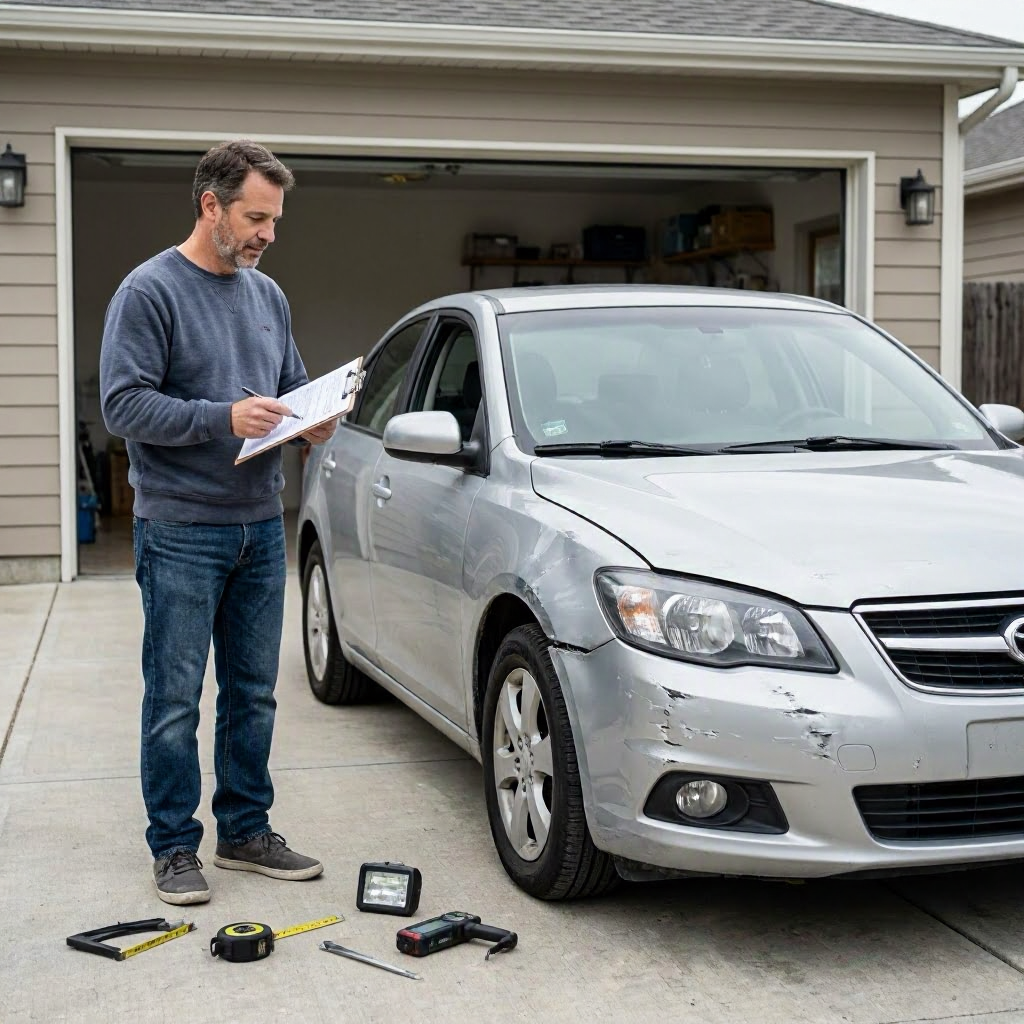
What to do if insurance repair estimate is too low
---
Why Insurance Repair Estimates Come in Low
When your car insurance company provides a repair estimate after an accident or damage, it might seem lower than what your mechanic quotes. This discrepancy often leaves drivers frustrated, wondering if they're stuck paying the difference out of pocket. In the United States, insurance estimates aim to cover "reasonable" repair costs based on the company's data, but they don't always match local shop rates or the full scope of damage.
Low estimates typically stem from using national averages for parts and labor, overlooking hidden damage, or favoring cheaper aftermarket parts over original equipment manufacturer (OEM) ones. Your policy's coverage limits, deductible, and state regulations also play a role. Understanding these factors helps you decide your next steps without rushing into payment.
For instance, a fender bender might yield an insurance estimate of $1,500, while your trusted shop quotes $2,200 due to higher local labor rates or additional frame alignment needs. This gap is common, affecting millions of U.S. claims yearly, according to insurance industry reports.
First Steps: Review Your Policy and Claim Details
Before challenging the estimate, pull out your auto insurance policy declarations page and any claim paperwork. Check your coverage type—collision, comprehensive, or liability—and confirm the incident qualifies. Note your deductible amount, as it applies before coverage kicks in.
Review the adjuster's initial report for damage listed. Did they miss interior damage, undercarriage issues, or alignment problems? Policies require insurers to pay for repairs to "restore the vehicle to pre-loss condition," but interpretations vary by state.
Contact your insurer using the number on your insurance ID card or app. Ask for a detailed breakdown of the estimate, including parts prices, labor hours, and any supplements for overlooked items. Keep notes of the conversation, including the representative's name and claim number.
If rental car coverage applies, confirm reimbursement limits while repairs proceed. Some policies cap daily rates or total days, so clarify to avoid surprise bills.
Document All Damage Extensively
Strong documentation strengthens your case. Start with high-resolution photos from multiple angles, including close-ups of dents, scratches, cracks, and interior issues. Take timestamped images before any cleaning or temporary fixes.
Video the damage walkthrough, narrating visible problems like misaligned panels or warning lights. Note mileage, vehicle make/model/year, and weather conditions at the time of inspection.
Gather witness statements if applicable, plus the police report for at-fault accidents. For non-collision claims like hail or theft-related damage, include weather reports or security footage.
Submit this to your adjuster via email or the insurer's portal. Organized records prevent disputes over what was visible during their inspection.
Obtain Your Own Independent Repair Estimate
Don't rely solely on the insurance adjuster's assessment. Take your vehicle to two or three reputable repair shops unaffiliated with your insurer. Choose shops certified by Automotive Service Excellence (ASE) or those with strong online reviews from U.S. drivers.
Request written estimates detailing parts (OEM vs. aftermarket), labor hours, taxes, shop fees, and warranties. Ask if diagnostics revealed supplemental damage, like bent frame rails hidden under surface dents.
Compare shop rates against the insurance estimate. Local labor rates in high-cost areas like California often exceed national averages used by insurers. Shops may charge $120-$180 per hour, while estimates assume $100.
For safety-critical issues—brakes, steering, or airbags—prioritize shops experienced in those repairs. Do not drive if the vehicle shows signs like pulling, vibrations, or dashboard warnings until inspected.
Questions to Ask Repair Shops
When getting quotes, be specific:
- Does this include all labor, parts, taxes, and disposal fees?
- Are parts OEM, remanufactured, or aftermarket, and why?
- What warranty covers the work—parts, labor, or both?
- Any diagnostic fees, and can I see the report?
- Estimated repair time and impact on safety?
This checklist ensures apples-to-apples comparisons.
Side-by-Side Comparison of Estimates
Lay out the insurance estimate next to shop quotes in a spreadsheet. Highlight differences in line items: body labor, paint, parts markup, and alignment.
| Estimate Item | Insurance Amount | Shop Average | Key Difference |
|---|---|---|---|
| Parts (e.g., bumper) | $400 | $650 | OEM vs. aftermarket pricing |
| Labor (hours x rate) | 8 hrs @ $100/hr | 10 hrs @ $150/hr | Local rates, complexity |
| Paint/Materials | $200 | $350 | Quality, overspray protection |
| Alignment/Frame | Not included | $300 | Supplemental damage |
| Taxes/Fees | $100 | $150 | State/local variations |
Use this table as a template to spot gaps. Insurers often base parts on third-party databases like Mitchell or Audatex, which may undervalue newer models or rare parts.
If shop totals exceed insurance by 20-30%, note justifications like regional labor variances or OEM mandates for certified repairs.
Communicate with the Insurance Adjuster
Email or call your adjuster with your documentation and shop estimates attached. Politely explain discrepancies: "The independent shop identified frame damage not in your estimate, adding $500. Here's the diagnostic report."
Request a supplemental estimate for missed items. Many claims get topped up after evidence. Be persistent but professional—escalate to a supervisor if no response in 48 hours.
Discuss preferred repair facilities. Your policy may let you choose any licensed shop, though insurers push their direct repair programs for discounted rates.
Ask about deductible waivers or incentives if using approved shops. Clarify rental coverage extensions during disputes.
Request a Re-Inspection or Field Appraisal
If the adjuster resists, ask for a re-inspection. Bring your vehicle back with a shop representative present to point out issues live.
Many policies include an appraisal clause for disputes over repair amounts. You and the insurer each hire an appraiser; if they disagree, a neutral umpire decides. Costs are split unless you win fully.
Check your policy for this provision—it's standard in most U.S. states. File in writing to start the process.
Involve State Insurance Resources
If internal appeals fail, contact your state's insurance department. They oversee fair claims handling under state laws.
Visit USA.gov's state motor vehicle services page (usa.gov) to find your department, or use the National Association of Insurance Commissioners (NAIC) consumer site (content.naic.org) for complaint forms.
File a complaint detailing the claim, estimates, and communications. States mediate thousands of disputes annually, often prompting insurers to reconsider.
Time limits apply—typically 1-3 years for claims—so act promptly.
Collaborate with Your Repair Shop
Repair shops familiar with insurance work can advocate for you. Many offer "insurance billing" where they negotiate directly with the insurer.
Provide the shop your claim details; they submit supplements backed by photos and teardowns (disassembling to reveal hidden damage).
Some shops absorb small gaps or offer payment plans, but verify they won't cut corners on safety parts.
Repair Shop Checklist for Insurance Claims
- Confirm shop is licensed and insured.
- Get written approval before work starts.
- Review final invoice against estimates.
- Ensure all supplements were billed to insurance.
This partnership often resolves 70-80% of low-estimate issues without escalation.
When Repairs Aren't Worth the Fight
Weigh total ownership costs. If your car is older (10+ years, high mileage), a lowball estimate might signal it's totaled economically—repair costs exceed 70-80% of actual cash value (ACV).
Request the insurer's ACV calculation. Dispute if undervalued using NADA guides or recent sales comps for similar vehicles.
Opting for cash settlement lets you pocket the payout minus deductible, then repair or sell as-is.
Legal Options as a Last Resort
For bad-faith handling—unreasonable delays or denials—consult a public adjuster or attorney specializing in insurance claims. Fees are contingency-based (25-40% of extra payout).
Small claims court handles disputes under $5,000-$10,000 (varies by state). No lawyer needed; bring all docs.
Avoid litigation unless evidence is overwhelming, as it stresses time and credit.
Essential Records to Maintain
Throughout the process:
- All emails, notes, photos, videos.
- Estimates, invoices, policy docs.
- Adjuster reports, claim timeline.
- Payment receipts, rental bills.
Store digitally and in hard copy for 5-7 years. These prove compliance for audits or resale.
Digital tools like insurer apps or scanning apps simplify this.
Protecting Yourself in Future Claims
Prevent repeats by:
- Choosing comprehensive coverage with adequate limits.
- Pre-identifying trusted shops.
- Understanding your policy's appraisal rights upfront.
- Reporting claims promptly with full photos.
Shop insurers periodically via sites like Insurance Information Institute for better rates and service.
Annual policy reviews catch coverage gaps.
Real U.S. Driver Examples
Consider Sarah in Texas: Her hail claim estimate ignored roof dents; shop photos prompted a $1,200 supplement.
Mike in Florida disputed labor after a flood—state DOI mediation added $800.
Gig worker Lisa in New York used appraisal for frame work, winning full shop quote.
These stories show persistence pays.
Common Pitfalls to Avoid
- Signing repair authorizations without full estimates.
- Using insurer-preferred shops without comparing.
- Ignoring supplements—always request for new findings.
- Driving unsafe vehicles; tow if brakes or steering fail.
Scams abound: Fake adjusters or shops inflating for kickbacks. Verify via insurer directly.
By following these steps, you reclaim fair repair costs, safeguarding your finances and vehicle safety. ---

About the TDL Expert Panel
TDL Expert Panel · TheDigitalLife Editorial Team
TDL Expert Panel is the editorial team behind TheDigitalLife. The team researches, reviews, and creates practical guides to help everyday readers make better decisions about home repair costs, refunds, AI tools, digital safety, productivity, and useful online resources. Each guide is written to be clear, useful, and easy to understand.