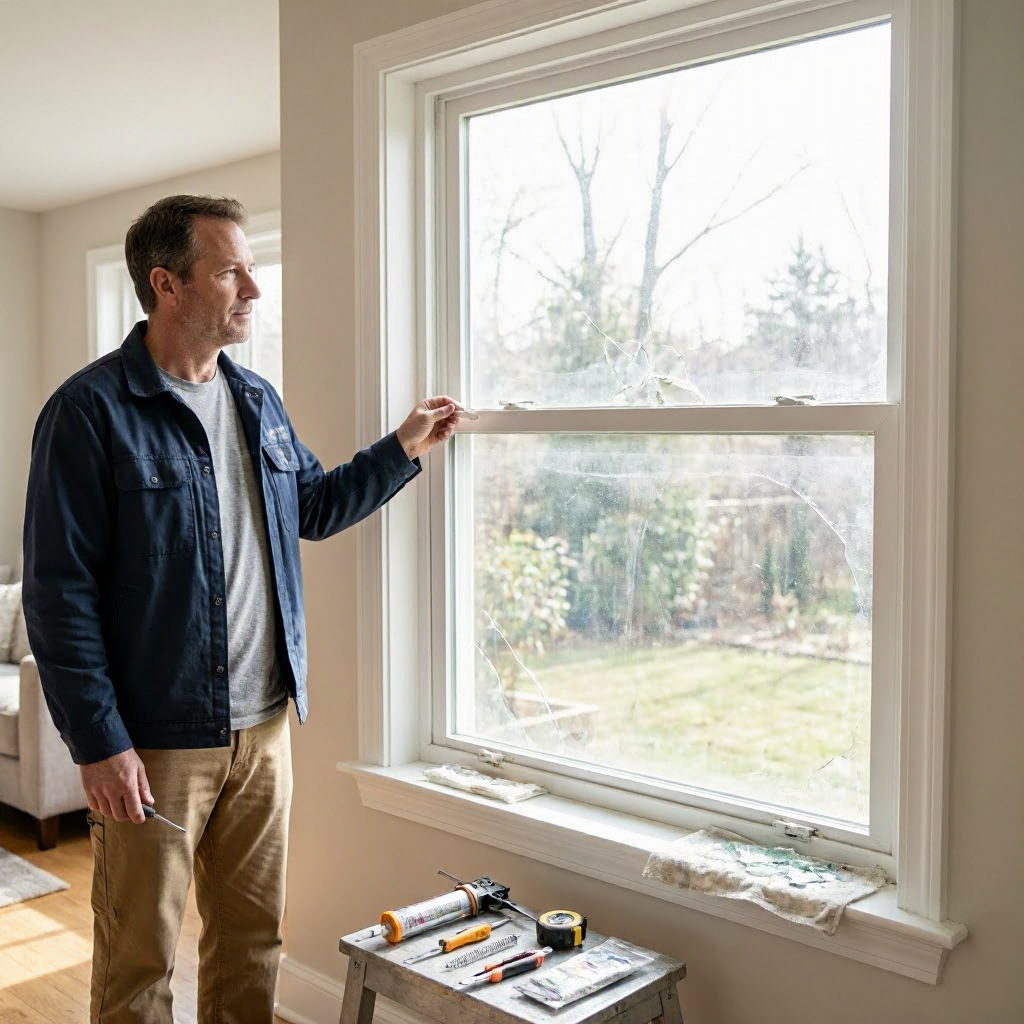
Window repair cost: broken glass, sash, seal failure, and hardware
Common Window Problems and Why Repairs Cost What They Do
Window issues like broken glass, damaged sashes, failed seals, and faulty hardware affect comfort, security, and energy bills in US homes. These problems range from minor annoyances to urgent security risks. Costs vary widely based on your location, window type, home age, and repair scope.
Window repairs typically cost between $150 and $1,500 per window, but this depends on the issue and factors like labor access or material choices. Always get multiple written estimates from local pros since prices reflect regional labor rates, supply costs, and home specifics. Understanding each problem helps you decide if it's a quick DIY fix or needs a licensed window technician.
Homeowners face these repairs in single-family houses, townhomes, or condos, while renters should check leases before paying. Delaying fixes can lead to water damage, higher utility bills, or pest entry.
Key Factors That Drive Window Repair Costs
Several elements influence the final bill for any window repair. Labor often makes up 40-60% of costs, varying by window height, accessibility, and whether scaffolding is needed. Materials like glass or hardware add another chunk, with premium options costing more.
Location plays a big role: urban areas like New York or San Francisco have higher labor rates than rural Midwest spots. Window type matters too. Common in US homes include double-hung, casement, sliding, awning, and bay windows, each with unique repair challenges.
Here's a breakdown of common cost drivers:
| Repair Factor | What Affects the Price | Example Impact |
|---|---|---|
| Window Location & Access | Ground floor vs. second story; interior vs. exterior | Ladder or scaffolding adds $100-$500 |
| Window Material | Vinyl, wood, aluminum, fiberglass | Wood refinishing or custom vinyl parts increase material costs |
| Glass Type | Single-pane, double-pane, tempered, low-E | Tempered safety glass doubles material price over standard |
| Urgency | Broken glass (security risk) vs. foggy seal (cosmetic) | Emergency service can add 20-50% premium |
| Home Age & Size | Pre-1980s vs. modern; standard 3x4 ft vs. picture window | Larger or historic windows require custom parts |
| Additional Work | Caulking, painting, disposal, insulation | Old disposal fees or weatherproofing add $50-$200 |
Permits are rarely needed for single-window glass or hardware fixes but may apply for full sash replacements in historic districts or condos with HOA rules. Check your local building department early.
Broken Glass Replacement Costs
A cracked or shattered pane is one of the most common window calls, often from a stray baseball, storm, or accident. Broken glass repairs focus on quick security restoration, using tempered or laminated glass for safety in doors or low windows.
Cost drivers include glass thickness, size, and type. Standard double-pane insulated glass units (IGUs) cost more than single-pane due to argon gas filling and low-E coatings for energy savings. Labor involves careful removal to avoid damaging the frame, plus sealing.
For a typical 3x4 foot residential window:
- DIY option: Possible for ground-level, single-pane windows if you're comfortable with glazing tools. Buy a glass cut at a local supplier like Home Depot for $20-$100, plus putty and clips ($10-$30). Total under $150, but risks include poor seals leading to leaks.
- Professional service: Expect diagnostic fees ($50-$100) plus labor. Full replacement might run higher if the sash is involved.
Signs it's more serious: Multiple panes broken or frame damage from impact. This could signal structural stress, warranting a full inspection. Homeowners insurance often covers sudden breakage from covered perils like hail, minus your deductible, but not wear-related cracks.
Urgent for security: Board up temporarily with plywood and plastic sheeting, then call a pro. Document with photos for insurance claims.
Sash Repair or Replacement Costs
The sash is the movable frame holding the glass, common in double-hung or single-hung windows. Problems like rotting wood, stuck operation, or broken balances (springs or weights) make windows hard to open or insecure.
Wood sashes in older US homes (pre-1970s) often need refinishing or full replacement, costing more due to custom milling. Vinyl or aluminum sashes are cheaper to fix but may require pocket replacements (sliding in a new unit without removing the frame).
Labor-intensive: Pros disassemble, repair jambs, and reinstall weatherstripping. Factors raising costs include tilt-in features, multiple sashes, or multi-pane grids.
- Ground-floor double-hung sash: Repair balances or cords ($200-$500).
- Full sash replacement: $400-$1,200, higher for historic replicas.
DIY viable for simple balance swaps using YouTube guides and parts from suppliers ($50-$150 parts). Avoid if heights involved or rot suggests frame issues, as improper fixes lead to air leaks or falls.
Renters: Notify landlord immediately, as sashes are structural. In condos, exterior sashes may fall under HOA maintenance.
Seal Failure (Foggy Windows) Repair Costs
Failed seals in double- or triple-pane windows let moisture in, causing fog between panes. This drops energy efficiency, with up to 25% higher heating/cooling bills per the Department of Energy (DOE).
Seals degrade from UV exposure, pressure changes, or poor factory installs, common in 10-20 year-old windows. Repair usually means replacing the entire IGU, not just the seal, as drilling risks further damage.
Cost breakdown:
- IGU materials: $150-$500 based on size, low-E coatings, gas fill.
- Labor: $200-$600, including precise cutting and sealing.
Total per window: $350-$1,100. Energy Star-rated replacements qualify for the IRS Energy Efficient Home Improvement Credit (up to 30% of costs, check irs.gov for details).
DIY not recommended: Requires vacuum-sealing tools pros have. Signs of worse issues: Condensation inside frame or on sill indicates frame rot. Test by shining a light; if fog moves, it's between panes.
For energy upgrades, see DOE's home upgrades page at energy.gov/save/home-upgrades for efficiency tips.
Hardware Repair and Replacement Costs
Hardware includes locks, handles, hinges, cranks, rollers, and balances. Faulty parts cause sticking, poor security, or drafty operation, especially in sliders or casements.
Simple fixes like lock cylinders or roller lubrication cost less ($100-$300), while crank mechanisms or tilt latches run higher due to custom parts for brands like Andersen or Pella.
Factors:
- Accessibility: Interior hardware easier than exterior hinges.
- Finish: Brass or keyed locks add to material costs.
- Security upgrades: Modern keyed handles for insurance discounts.
DIY friendly for many: Order parts online or from hardware stores matching your window model ($20-$100). Tools needed: Screwdrivers, lubricant. Pro for welded or rusted parts.
Common upsell watch: Full window replacement pitched instead of $50 hardware tweak. Ask for part numbers and proof before approving.
| Repair Type | DIY Feasibility | Pro Cost Drivers |
|---|---|---|
| Lock or Handle | High (basic tools) | Custom security features |
| Rollers or Tracks | Medium (cleaning required) | Multi-point locking systems |
| Cranks or Hinges | Low (precision alignment) | Heavy-duty commercial grade |
| Balances or Cords | Medium (weight matching) | Historic window replicas |
DIY Window Repairs: When It's Safe and How to Save
Certain fixes suit handy homeowners, cutting costs by 50-80%. Ground-level, non-structural work like glass glazing, hardware lubrication, or weatherstripping qualifies.
Safety first: Never DIY above ground level without proper ladders (OSHA-rated), cut-resistant gloves for glass, or if asbestos/paint issues suspected in pre-1978 homes. Test for lead with kits from hardware stores.
Steps for safe DIY: 1. Inspect and diagnose: Note model, measurements, photos. 2. Source parts: Match exactly; generic fits fail. 3. Work safely: Clear area, protect floors. 4. Test seals: Use caulk and insulation film.
Not for: Heights, double-pane seals, rotted sashes, or anything needing permits. Bad DIY amplifies problems, like leaks causing mold.
Hiring a Professional: Estimates, Questions, and Red Flags
For complex repairs, use licensed window installers or glaziers (check state contractor boards). Get 3 written estimates for non-emergencies.
What to include in estimates:
- Breakdown: Labor, parts, disposal, taxes.
- Warranty: 1-5 years on labor/parts.
- Timeline and payment terms (no full upfront >$1,000).
Questions to ask:
- Are you licensed, insured, bonded? (Verify via state site.)
- Subcontractors involved?
- Does this include cleanup, testing for drafts?
- Any HOA/permit needs?
Compare apples-to-apples: Reject vague "whole job" prices. Watch for upsells like unneeded full replacements or premium glass without quotes.
Red flags: Cash-only demands, no license proof, pressure to decide now. Use apps like Angi or HomeAdvisor for vetted pros, but verify reviews.
Insurance, Warranties, and Potential Savings
Homeowners insurance covers sudden glass breaks from storms or vandalism, often $500 deductible. Seal failures or worn hardware? Usually wear-and-tear exclusions.
Manufacturer warranties (10-20 years on seals) require proof of purchase. Contractor labor warranties separate, typically 1 year.
Energy-efficient fixes: Low-E glass or new IGUs may qualify for federal tax credits via IRS. HOAs or landlords handle exterior work in rentals/condos.
File claims promptly with photos, estimates. Keep records 7 years for audits/tax.
Special Considerations for Renters, Condo Owners, and HOAs
Renters: Contact landlord/property manager first per most state laws (e.g., habitability clauses). Minor hardware? Offer to fix if lease allows, but get approval to avoid disputes.
Condo/townhome owners: Exterior windows often HOA responsibility; interiors yours. Review bylaws for approvals.
Mobile homes: Frame differently; use RV-specialist glaziers.
Preventing Future Window Repairs with Maintenance
Routine care extends window life 10-20 years. Annual checklist:
- Clean tracks/rollers with soapy water, lubricate.
- Inspect seals/caulk; reapply silicone.
- Trim vegetation blocking airflow.
- Apply low-E film to single-pane for efficiency.
Winter prep: Storm shutters or inserts save on drafts. Track energy use via utility bills to spot issues early.
Invest in quality: When replacing, choose Energy Star windows for long-term savings.
This guide equips you to assess your window issue, budget realistically, and make informed calls. For personalized advice, consult local pros after gathering your window specs.

About the TDL Expert Panel
TDL Expert Panel · TheDigitalLife Editorial Team
TDL Expert Panel is the editorial team behind TheDigitalLife. The team researches, reviews, and creates practical guides to help everyday readers make better decisions about home repair costs, refunds, AI tools, digital safety, productivity, and useful online resources. Each guide is written to be clear, useful, and easy to understand.