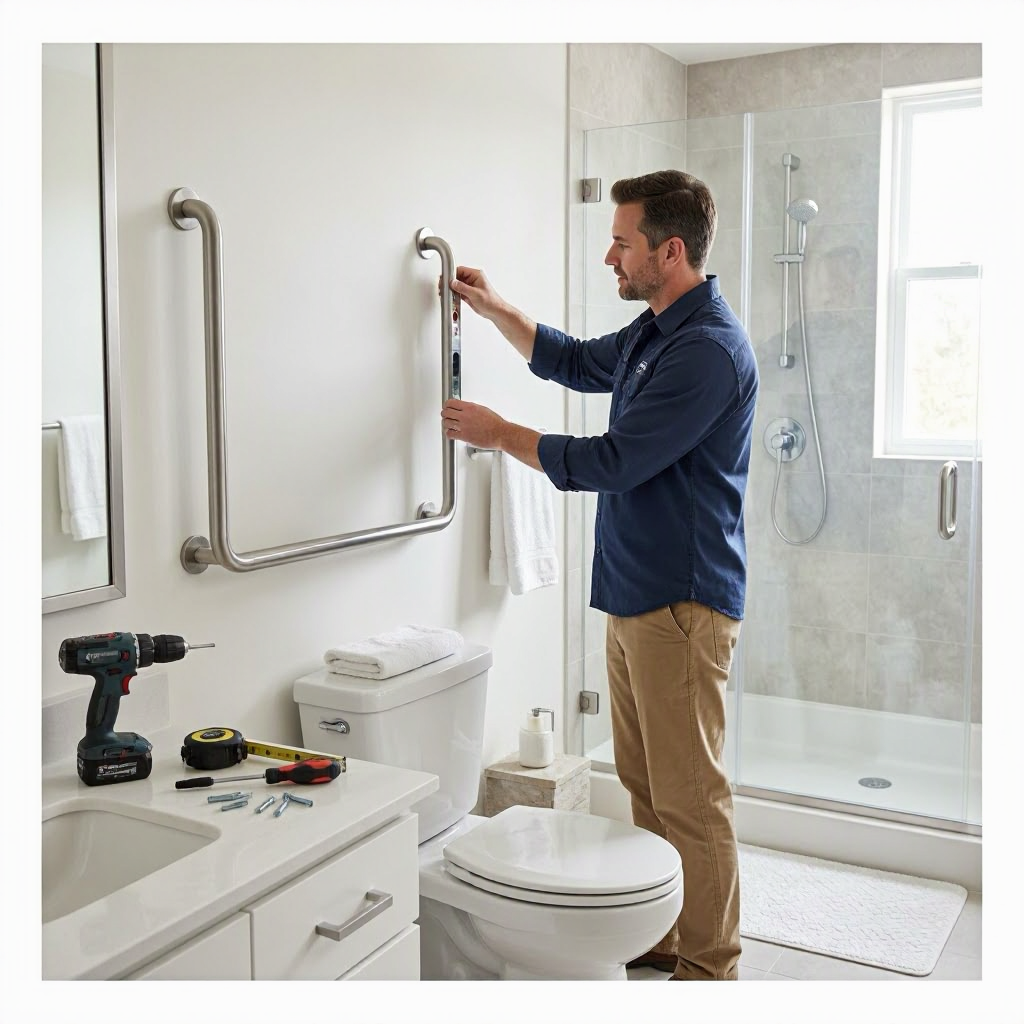
Grab bar and bathroom safety upgrade cost for seniors
Why Bathroom Safety Upgrades Are Essential for Seniors
Bathrooms pose serious fall risks for seniors, with slippery floors, high tubs, and hard surfaces leading to injuries. The Centers for Disease Control and Prevention notes that one in four adults aged 65 and older falls each year, and bathrooms account for a large share of those incidents. Installing grab bars and other safety features can reduce this risk by providing stable support during transfers in and out of tubs or showers.
For seniors living independently in homes, condos, townhomes, or apartments across the US, these upgrades promote aging in place. They also offer peace of mind for family members. Costs vary widely based on the scope, but understanding key factors helps budget effectively without overpaying.
Homeowners often prioritize these for long-term value, while renters may need to coordinate with landlords. Either way, starting with a home assessment ensures targeted improvements.
Common Types of Bathroom Safety Upgrades for Seniors
Grab bars form the core of most bathroom safety projects, but comprehensive upgrades often include complementary features. Here's a breakdown of popular options suited to US homes.
Grab Bars
These are sturdy horizontal or vertical bars mounted near toilets, showers, and tubs. Standard stainless steel grab bars measure 18 to 36 inches long and support at least 250 pounds per ADA guidelines for accessibility. Concealed screw models blend with decor, while flip-up versions save space near toilets.
Placement matters: one or two near the shower entry, another by the toilet, and sometimes in the tub. For seniors, bars with textured grips prevent slips even when wet.
Shower and Tub Modifications
Convert a tub to a walk-in shower by cutting out the side wall, or install a transfer bench that straddles the tub edge. Low-threshold shower bases with built-in seats cost more but ease entry. Hand-held showerheads pair well with these for seated bathing.
Flooring and Surface Changes
Replace slippery tiles with textured, non-slip surfaces or add peel-and-stick mats. Vinyl flooring updates offer affordability in older homes.
Additional Aids
Raised toilet seats, fold-down benches, and lever faucets reduce strain. Motion-sensor lights illuminate paths at night, addressing a common fall trigger.
Selecting upgrades depends on the bathroom layout, mobility needs, and budget. A professional occupational therapist evaluation, often available through Medicare for eligible seniors, can guide choices.
Key Factors That Affect Grab Bar and Bathroom Safety Upgrade Costs
Costs fluctuate based on several variables common to US home repair projects. Local market conditions in high-cost areas like California or New York drive up labor rates compared to the Midwest.
| Cost Factor | Description | Impact on Total Price |
|---|---|---|
| Number and Type of Grab Bars | Basic stainless steel vs. premium ADA-compliant or decorative finishes | Basic single bar: lower end; multiple heavy-duty: higher end |
| Installation Complexity | Wall type (drywall vs. tile vs. fiberglass), backing reinforcement needed | Stud-mounted: simpler; tile demo and backer board: adds time |
| Scope of Project | Grab bars alone vs. full shower conversion or flooring | Standalone: focused; combo: 2-3x more |
| Labor Location and Availability | Urban vs. rural; contractor demand | High-demand areas increase hourly rates |
| Materials Quality | Off-the-shelf hardware store vs. custom or medical-grade | Economy: budget-friendly; high-end: durable but pricier |
| Accessibility Features | Permits, HOA approvals, or aging-in-place standards | Adds fees and prep work |
Home age plays a role: Pre-1980s bathrooms may need wall reinforcement since old studs lack sufficient backing for heavy loads. Urgency matters too, as emergency installs after a fall command premium pricing.
Material disposal, like removing old tile, and travel fees for remote locations further influence the bill. Seasonal factors, such as winter slowdowns in northern states, can lower costs.
Typical Cost Ranges for These Upgrades
Expect a wide range due to regional differences, project size, and contractor rates. Always get local quotes, as national averages mislead without context.
For a single grab bar installation, including materials and labor, costs typically start at the lower end for straightforward jobs in affordable areas. Adding more bars or entering tiled showers pushes toward the higher end. A full bathroom safety package with shower mods and flooring could reach several times that.
Labor often accounts for 50-70% of the total, varying by local wages. Materials like grab bars range based on length and finish, available at US retailers like Home Depot or Lowe's.
Shower conversions involve more demo and plumbing tweaks, amplifying costs. These figures exclude permits or unexpected issues like water damage behind walls.
To lower the bill, bundle multiple upgrades with one contractor, opt for mid-range materials, and schedule during off-peak times.
When DIY Grab Bar Installation Makes Sense
DIY suits simple grab bar installs in accessible spots for handy homeowners. Tools needed include a stud finder, drill, level, and silicone caulk. Buy bars with hidden fasteners for a clean look.
Steps include locating studs (essential for stability), marking height per ADA (33-36 inches above floor), drilling pilot holes, and securing with lag screws. Test weight capacity before use.
DIY works best for drywall walls without tile. Avoid if you're uncomfortable with power tools or the wall requires reinforcement.
Safety first: improper install risks failure during use. For seniors, family members with basic skills can handle this, saving on labor.
Hiring a Professional: Benefits and What to Expect
Professionals excel for complex jobs like tiled showers, tub cuts, or multi-feature overhauls. Licensed handymen, plumbers, or aging-in-place specialists handle codes and warranties.
Expect an initial site visit for assessment. Work takes 1-2 days for grab bars, longer for showers. They source materials, reinforce walls with plywood backer boards, and ensure compliance.
Pros provide insurance coverage, protecting against mishaps. In condo or HOA settings, they navigate shared wall rules.
Steps to Get Reliable Quotes and Compare Estimates
Shop smart by gathering 3-5 written estimates from local pros. Use sites like Angi or HomeAdvisor to find vetted contractors, but verify licenses via state boards.
Before Calling Contractors
- Measure bathroom dimensions and note wall types.
- List desired features (e.g., "two 32-inch shower grab bars").
- Document photos of current setup.
Questions to Ask Potential Contractors
- Are you licensed, bonded, and insured for my state?
- What's included: labor, materials, disposal, trip charges?
- Will you reinforce studs or add backer board?
- What's the warranty on labor and parts?
- Payment terms? (Avoid full upfront payment.)
- Timeline and any subcontractors?
Request itemized bids breaking out labor hours, materials, and extras.
Comparing Quotes Effectively
Look beyond lowest price: check inclusions, warranties (aim for 1-year labor), and reviews. A $200 quote skipping backer board may fail soon, costing more later.
Watch for upsells like unnecessary full remodels. If quotes differ wildly, ask why (e.g., one includes permit).
Permits, Building Codes, and Inspections for Bathroom Upgrades
Most grab bar installs don't require permits, as they're not structural changes. However, shower conversions or plumbing alterations often do, per local codes.
Check your city or county building department online or by phone. In HOA-governed condos or townhomes, get association approval first.
Older homes may trigger inspections for accessibility compliance under FHA standards if selling soon. Pros handle this seamlessly.
Funding Options and Financial Assistance for Seniors
Seniors have US-specific programs to offset costs.
The HUD Title I Property Improvement Loan finances home repairs up to $25,000 for homeowners. For bigger projects, HUD's 203(k) Rehabilitation Mortgage bundles upgrades into refinancing.
Local Area Agencies on Aging offer grants via programs like the Older Americans Act. Veterans check VA grants for adaptations.
Home equity lines or reverse mortgages fund upgrades, but consult financial advisors. Medicare doesn't cover installs but may reimburse therapist assessments.
Renters: Review leases; landlords often cover safety mods. Property managers may qualify for tax credits.
Considerations for Renters, Homeowners, Condo Owners, and HOAs
Homeowners control decisions but check insurance for coverage (sudden falls may qualify, wear-and-tear won't).
Renters notify landlords in writing first: "Bathroom grab bars needed for safety; willing to install if reimbursed." Many states require landlords to address habitability issues.
Condo owners review HOA bylaws; common-area plumbing may shift costs.
Mobile home residents consider park rules and lightweight walls needing special anchors.
Document everything: photos before/after, receipts for potential reimbursements.
Maintenance Tips to Maximize Upgrade Value
Regular checks extend life. Tighten grab bars quarterly and clean with mild soap to prevent corrosion.
Inspect silicone seals around showers annually. Replace non-slip mats when worn.
Annual professional inspections catch issues early, avoiding costly re-dos.
Real Reader Scenarios: Making Smart Decisions
Consider Jane in Florida: Post-fall, she added two grab bars and a shower bench. By comparing quotes and bundling, she stayed under budget.
Tom in Texas, a renter, emailed his landlord with photos; they covered pro install.
These stories highlight preparation pays off.
In summary, bathroom safety upgrades empower seniors to stay safe at home affordably. Assess needs, get quotes, explore aid, and prioritize stability. Consult local pros for tailored advice.
(Word count: 2785)

About the TDL Expert Panel
TDL Expert Panel · TheDigitalLife Editorial Team
TDL Expert Panel is the editorial team behind TheDigitalLife. The team researches, reviews, and creates practical guides to help everyday readers make better decisions about home repair costs, refunds, AI tools, digital safety, productivity, and useful online resources. Each guide is written to be clear, useful, and easy to understand.