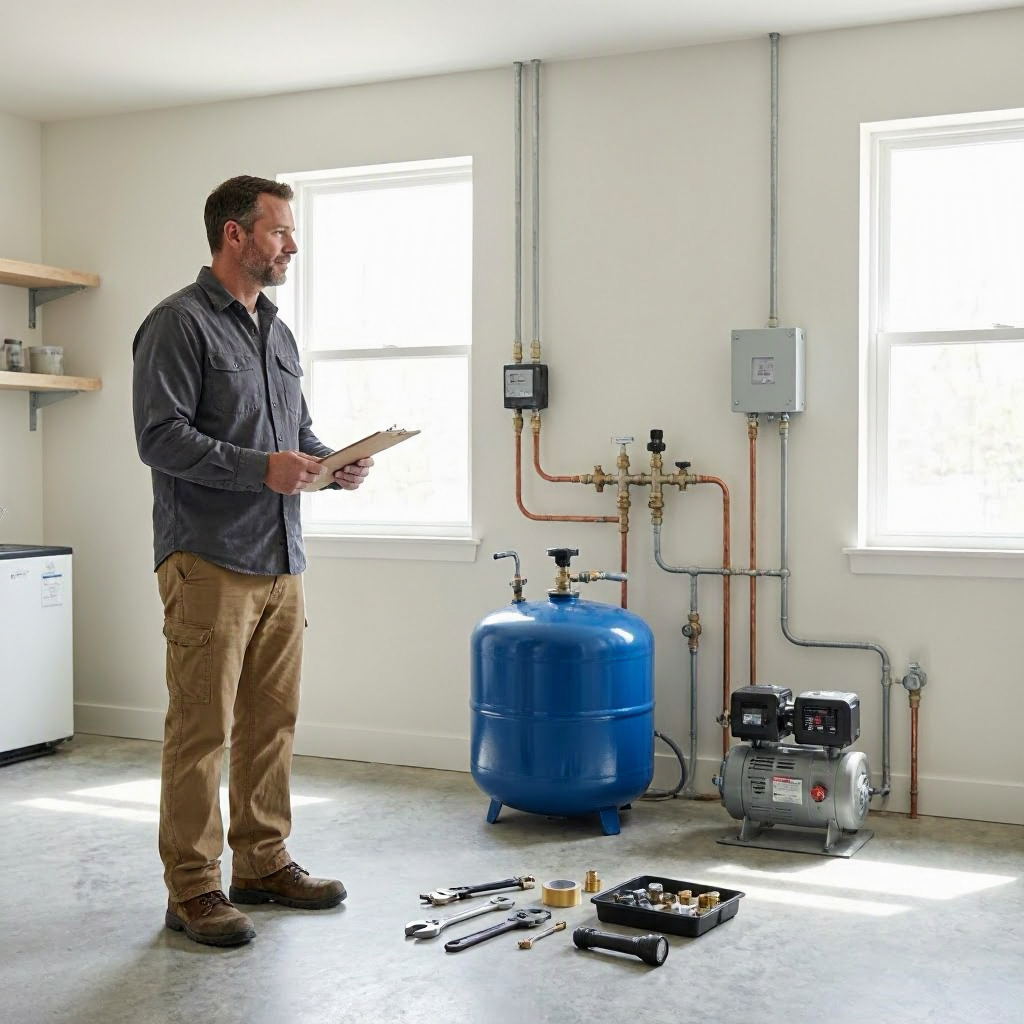
Well pump replacement cost: shallow, deep, and constant-pressure pumps
---
Why Well Pump Replacement Matters for Your Home
If your home relies on a private well for water, the pump is the heart of your water system. It pulls groundwater up to your pressure tank and into your faucets, showers, and appliances. When it fails, you could face low pressure, sputtering faucets, or no water at all, disrupting daily life.
Replacement becomes necessary when the pump wears out from constant use, sediment buildup, or electrical issues. In the United States, many rural and suburban homes use wells, especially in states like Texas, Florida, Pennsylvania, and Michigan. Ignoring a failing pump can lead to bigger problems, like damage to your pressure tank or plumbing.
This guide breaks down costs for replacing shallow, deep, and constant-pressure well pumps. Costs vary by your location, well depth, pump size, and local labor rates. Always get multiple written estimates from licensed well pump contractors in your area to understand your specific situation.
Common Signs Your Well Pump Needs Replacement
Before diving into costs, recognize the symptoms. A failing pump often shows through:
- Intermittent or low water pressure: Faucets start strong but weaken quickly.
- Pump cycling on and off frequently: Known as short-cycling, this strains the system.
- Strange noises: Grinding, humming, or clicking from the pump area.
- Air in the lines: Spitting or gurgling from taps.
- Burning smell or tripped breakers: Electrical issues signaling motor failure.
- Constant pump running: Indicates it can't build pressure.
Test your system by running water and listening. If pressure drops below 40 PSI or the pump runs nonstop, call a professional for diagnosis. Early action prevents costlier damage.
Types of Well Pumps and Their Replacement Needs
Well pumps come in three main types relevant to most U.S. homes: shallow, deep, and constant-pressure. Each has unique installation challenges and costs.
Shallow well pumps, often jet pumps, suit wells less than 25 feet deep. They sit above ground near the wellhead, using a venturi to create suction. Common in older homes or shallow aquifers.
These pumps handle smaller homes with low to moderate water demand. Replacement involves pulling the old ejector assembly from the well and installing a new one.
Deep Well Pumps
For wells deeper than 25 feet, submersible pumps are standard. These go fully underwater at the well bottom, pushing water up rather than sucking it. They last longer in deep applications but require dropping a new unit down the casing.
Deep well setups are prevalent in areas like the Midwest and Southeast where aquifers sit far below ground.
Constant-Pressure Well Pumps
Constant-pressure systems use variable-speed drives to maintain steady water pressure, typically 50-75 PSI, regardless of demand. They replace traditional pressure switches and tanks with a computerized controller.
Popular for modern homes with high water use, like those with irrigation or multiple bathrooms. Replacement upgrades older fixed-speed pumps for better efficiency.
Typical Cost Ranges for Well Pump Replacement
Costs depend on pump type, well depth, horsepower (HP) needed, and regional factors. Labor in rural areas might run lower than in coastal states, but parts ship nationwide.
Expect diagnostics first, often $100-$300, to confirm the pump is the issue versus a bad pressure switch or leak.
Shallow Well Pump Replacement Costs
A basic shallow well pump replacement might start around $800-$2,500. This includes a 1/2 HP jet pump for a single-family home.
Breakdown:
- Pump unit: $300-$800.
- Ejector and check valve: $100-$300.
- Labor: $400-$1,200 (2-4 hours plus travel).
Deeper shallow wells (up to 25 feet) or higher HP (1 HP) push toward the upper end. Add $200-$500 for priming issues or foot valve replacement.
Deep Well Pump Replacement Costs
Deep well submersible replacements often range from $1,500-$5,000. A 3/4 HP pump for a 100-300 foot well falls in the middle.
Breakdown:
- Submersible pump: $800-$2,000.
- Wire, splice kit, and drop pipe: $200-$600.
- Labor: $500-$2,400 (4-8 hours, including pulling old pump).
Wells over 400 feet or 2+ HP systems exceed $5,000 due to heavier equipment and longer cable runs.
Constant-Pressure Well Pump Replacement Costs
Upgrading to or replacing a constant-pressure system typically costs $2,500-$6,500. The variable-speed drive adds complexity.
Breakdown:
- Pump and controller: $1,500-$3,500.
- Tank and fittings: $300-$800.
- Labor: $700-$2,200 (6-10 hours for programming and testing).
These systems shine in homes with variable demand but require skilled techs for setup.
| Pump Type | Typical Depth | Avg. HP Range | Est. Total Cost Range | Key Cost Driver |
|---|---|---|---|---|
| Shallow (Jet) | <25 ft | 1/2-1 HP | $800-$2,500 | Ejector assembly |
| Deep (Submersible) | 25-400+ ft | 3/4-2+ HP | $1,500-$5,000 | Well depth & cabling |
| Constant-Pressure | Varies | 1-3 HP | $2,500-$6,500 | Drive controller |
Note: Ranges based on U.S. homeowner reports; get local quotes as prices fluctuate 20-50% by ZIP code.
Factors That Influence Well Pump Replacement Costs
Several variables drive the final bill. Understanding them helps you compare estimates fairly.
Well Depth and Accessibility
Deeper wells mean longer drop pipes and wiring, increasing materials and labor. Remote or sloped properties add travel fees ($100-$300).
Pump Horsepower and Capacity
Match HP to your home's gallons-per-minute (GPM) needs. A 4-person household might need 10-15 GPM, bumping HP and price.
Local Labor Rates
Plumbers charge $75-$150/hour in rural Midwest vs. $125-$250/hour in California or Florida. Well specialists may add $50/hour premium.
Materials Quality
Opt for stainless steel over cast iron for longevity in hard water areas. Brands like Goulds or Grundfos cost more upfront but reduce future calls.
Urgency and Time of Year
Emergency after-hours service doubles labor. Winter in northern states slows work due to frozen ground.
| Cost Factor | Low-End Impact | High-End Impact | Tip to Control |
|---|---|---|---|
| Well Depth | <50 ft: -$500 | 300+ ft: +$1,500 | Confirm via well log |
| Labor Rate | Rural: base | Urban: +30% | Get 3 local bids |
| Pump HP | 1/2 HP: base | 2 HP: +$800 | Calculate household GPM |
| Emergency | Daytime: base | Night/weekend: x2 | Schedule non-urgent |
Labor Costs Breakdown
Labor dominates, often 40-60% of the total. Pulling an old deep well pump requires a tripod hoist and team, taking half a day.
Shallow jobs are quicker: disconnect, swap, prime, test. Pros handle electrical safely, avoiding shocks or code violations.
Ask if the quote includes diagnostic time, travel, and cleanup. Subcontractors might lower costs but check licensing.
Materials and Parts Costs
Pumps represent 30-50% of expenses. Buy from suppliers like Ferguson or local well shops for competitive pricing.
Include:
- Check valves to prevent backflow.
- Torque arrestors for submersibles to reduce vibration.
- Pressure tanks ($200-$600) if yours is shot.
Verify parts match your well's galvanizing or PVC casing.
Permits, Inspections, and Local Codes
Most well pump swaps don't need permits in rural U.S. areas, but check your county health or building department. Deeper installs or electrical upgrades might require electrical permits ($50-$200).
In states like New York or Wisconsin, well drillers must be licensed. Post-repair water tests for bacteria ($100-$300) ensure safety.
Homeowners: Contact your local building department before work starts.
DIY vs. Professional Replacement: Safety First
When DIY Might Work
Shallow jet pumps are DIY-friendly for handy homeowners. Tools needed: wrenches, multimeter, priming bucket. Tutorials abound, but risks include improper priming leading to dry-run damage.
Cost savings: $500-$1,000 in labor. Only if your well is accessible and you're comfortable with plumbing/electrical.
Why Pros Are Recommended for Most Jobs
Deep submersibles demand cranes or hoists—DIY risks dropping the pump, damaging casing ($5,000+ fix). Constant-pressure needs programming expertise.
Safety hazards: Electrocution, well contamination, or structural cave-ins. Codes often require licensed pump installers.
Hire certified well contractors via the Water Systems Council directory or state listings. Verify licenses through your state's contractor board.
Getting Accurate Estimates and Avoiding Overcharges
Shop smart: Contact 3-5 local pros via Angi, HomeAdvisor, or well driller associations.
What Your Written Estimate Should Include
- Diagnostic fee (credited toward job?).
- Parts list with brands/models.
- Labor hours and rate.
- Total before tax.
- Warranty: 1-2 years labor, 3-5 years parts.
- Payment terms: 30-50% deposit max.
Questions to Ask Contractors
- How many well pumps have you replaced in the last year?
- Will you pull the old pump for inspection?
- What's included for disposal?
- Any potential add-ons like pitless adapter?
- References from similar jobs?
Compare line-by-line. If one quote is 30% higher, ask why—better parts or padding?
Watch for upsells: Unneeded larger tanks or softeners. Decline unless pressure tests justify.
Ways to Lower Your Well Pump Replacement Bill
- Bundle with pressure tank or bladder replacement.
- Off-season scheduling (spring/fall).
- Shop sales on pumps via online suppliers like PumpProducts.com.
- Check for rebates via HUD home improvement loans if low-income: HUD home improvements.
- For FHA loans, consider 203(k) rehab financing: HUD 203(k).
Finance via contractor (avoid high interest) or home equity lines.
Maintenance to Prevent Costly Replacements
Extend pump life (10-15 years average) with:
- Annual well inspection: Flush sediment.
- Pressure switch check: Adjust to 40/60 PSI.
- Low-water cutoff install ($100-$200).
- Water softener if high minerals.
- Monitor GPM annually.
Keep records: Pump model, install date, service history. Photos of wellhead help future pros.
Homeowners Insurance, Warranties, and Financing
Insurance rarely covers pump failure—seen as wear/tear. Sudden motor burnout from power surge might qualify; file claim with photos.
Home warranties (e.g., Choice Home Warranty) cover $500-$1,500 toward pumps; check policy.
Manufacturer warranties: Register new pumps online. Contractor labor warranty separate.
Renters: Notify landlord immediately—wells are typically owner responsibility per lease. Document low pressure with videos.
HOA or condo: Shared wells fall under association; review CC&Rs.
Regional Cost Variations Across the U.S.
Costs skew higher in high-demand states:
- Northeast (NY, PA): +20% due to labor.
- South (TX, FL): Base, but hurricanes spike urgency.
- Midwest (MI, OH): Lower materials shipping.
- West (CA): +30-50% regs/labor.
Use tools like Homewyse for ZIP-specific estimates, then verify locally.
Long-Term Considerations for Well Owners
Post-replacement, test water quality via EPA-certified labs ($50-$200). Consider UV filters for bacteria.
Upgrade to solar pumps in sunny areas for efficiency, though upfront $5,000+.
Track usage: High irrigation shortens life; low-flow fixtures help.
By understanding these details, you'll negotiate confidently and choose the right pump for your home's needs. Always prioritize licensed pros for safety and reliability. ---

About the TDL Expert Panel
TDL Expert Panel · TheDigitalLife Editorial Team
TDL Expert Panel is the editorial team behind TheDigitalLife. The team researches, reviews, and creates practical guides to help everyday readers make better decisions about home repair costs, refunds, AI tools, digital safety, productivity, and useful online resources. Each guide is written to be clear, useful, and easy to understand.