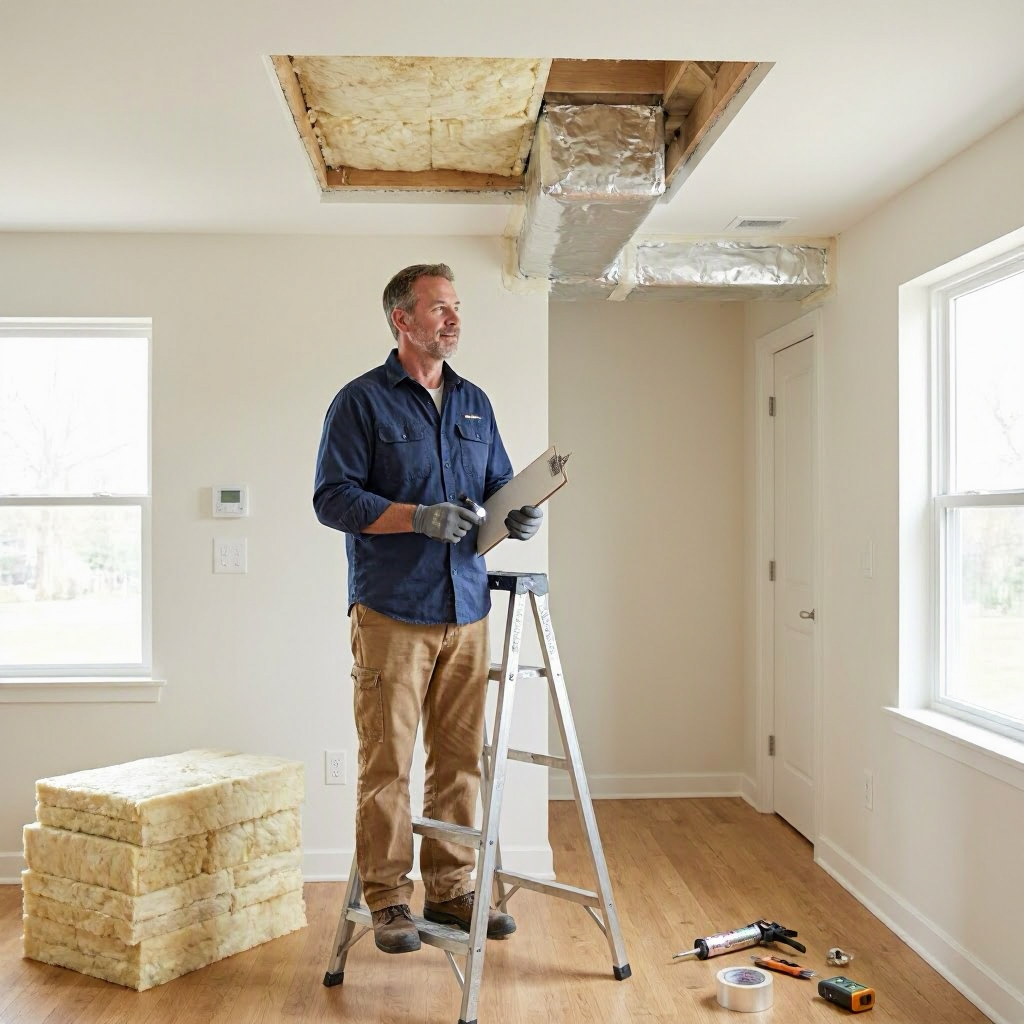
Weatherization Assistance Program repairs: who qualifies and what is covered
---
Understanding the Weatherization Assistance Program
The Weatherization Assistance Program (WAP) offers a lifeline for many U.S. homeowners and renters struggling with high energy costs and inefficient homes. Funded by the U.S. Department of Energy (DOE), WAP provides free or low-cost weatherization services to qualifying low-income households. These services seal air leaks, add insulation, and repair heating systems, ultimately lowering utility bills and improving indoor comfort.
For families facing repair costs that can strain budgets, WAP steps in as a grant-based alternative. Instead of paying thousands out of pocket for energy-saving upgrades, eligible households receive professional work tailored to their home's needs. This program targets energy poverty, where high bills eat into household income, and it has helped millions since starting in the 1970s.
What makes WAP unique is its focus on health, safety, and efficiency. Weatherization doesn't just save money; it reduces health risks from drafts, moisture, and inefficient heating. If your home feels chilly, has high heating bills, or shows signs of energy waste like icicles on eaves, this program could cover the fixes.
Who Qualifies for WAP Repairs
Eligibility for WAP is strict but straightforward, designed to prioritize the most vulnerable households. Qualification depends on income, household status, and home condition. Not every low-income family qualifies, so checking your status is the first step.
Income Eligibility
The primary criterion is household income. Most applicants must have a gross income at or below 200% of the federal poverty guidelines. For example, a family of four in 2023 would need an income under about $60,000 annually, but these limits adjust yearly and vary slightly by state.
Even if your income exceeds 200% of poverty, you may still qualify if you participate in certain federal programs. These include SNAP (food stamps), SSI, TANF, or Head Start. Veterans, elderly (aged 60+), or disabled individuals often get priority.
Local agencies set the rules, so visit the DOE's official WAP page at energy.gov to confirm current guidelines.
Eligible Homeowners and Renters
WAP serves both homeowners and renters, but rules differ. Homeowners must own and live in the home as their primary residence. Mobile homes, apartments, and single-family houses qualify if they meet efficiency improvement potential.
Renters can apply if they live in the home as their primary residence. Landlords must consent to improvements, and there's no cost to them either. In multi-unit buildings, only the applicant's unit gets weatherized unless the landlord agrees to whole-building work.
Condos and townhomes qualify, but HOA rules may apply. Always disclose your situation to the local WAP agency.
Home Condition Requirements
Not every home qualifies. The home must have high energy use or inefficiency, verified by an energy audit. Homes that are already well-insulated or newly built may not qualify. Also, mortgage-free homes or those with no further potential savings might be ineligible.
Single-family homes, duplexes, and small multi-family units are common, but larger buildings can qualify under certain programs. Manufactured homes and shelters also count.
| Eligibility Factor | Details |
|---|---|
| Income Limit | At or below 200% federal poverty level, or receiving SNAP/SSI/TANF |
| Household Priority | Elderly, children under 6, disabled, high energy burden |
| Home Type | Primary residence: single-family, mobile, apartment, condo |
| Exclusions | New construction, efficient homes with no improvement potential |
This table summarizes key factors; always verify with your local provider.
What Repairs Does WAP Cover?
WAP services target energy efficiency, health, and safety. A certified auditor inspects your home first, prioritizing the most impactful upgrades. Coverage isn't one-size-fits-all; it's based on your home's audit.
Insulation and Air Sealing
The core of weatherization involves insulating attics, walls, floors, and ducts. This prevents heat loss. Air sealing plugs leaks around windows, doors, outlets, and chimneys using caulk, foam, or weatherstripping.
These fixes are common because they yield quick savings on heating and cooling bills.
Window and Door Repairs
Repairing or replacing windows and doors is covered if they cause drafts. This includes adding storm windows, weatherstripping, or door sweeps. Full replacements are less common but possible for severe cases.
Heating and Cooling Systems
Heating system tune-ups, repairs, or replacements are standard. This covers furnaces, boilers, and space heaters, plus duct sealing. In warm climates, AC tune-ups qualify. Refrigerant handling follows EPA rules.
Health and safety upgrades like smoke detectors, carbon monoxide alarms, and ventilation fans are included.
Ventilation and Moisture Control
Improving ventilation reduces moisture and pollutants. Bathroom and kitchen fans, whole-house systems, and dryer vent cleaning fall under this. Mold prevention through sealing is prioritized.
Other Covered Improvements
Depending on the audit, WAP may cover roof repairs (if leaking affects insulation), hot water system fixes, or energy-efficient appliances like refrigerators in some cases.
No cosmetic work or unrelated repairs qualify.
| Common Covered Service | Purpose |
|---|---|
| Attic Insulation | Reduces heat loss by 20-30% in uninsulated homes |
| Duct Sealing | Stops conditioned air leaks |
| Window Repair | Eliminates drafts and condensation |
| Furnace Tune-Up | Improves efficiency, extends life |
| Safety Devices | Installs smoke/CO detectors |
This table highlights typical services; your audit determines specifics.
The Application Process for WAP
Applying for WAP is free and starts locally. The DOE funds the program through states, tribes, and local agencies. Over 2.5 million homes have been weatherized, but waitlists exist due to funding.
Step 1: Find Your Local Provider
Search for your state's WAP agency on the DOE site: energy.gov. Enter your ZIP code to find contacts. Your state energy office or Community Action Agency often administers it.
Step 2: Gather Documents
Prepare proof of income (pay stubs, tax returns, benefit statements), ID, and proof of residency. Renters need landlord consent forms. Have utility bills ready to show energy burden.
Step 3: Submit Application
Contact your local agency by phone or online. They assess eligibility quickly. If approved, schedule a priority audit (for high-risk homes) or standard audit.
Step 4: Energy Audit
A certified energy auditor visits. They use blower door tests and infrared cameras to measure leaks and efficiency. The audit produces a customized work plan.
What Happens During and After Weatherization
Once approved, trained contractors perform the work. No cost to you – the program pays fully for labor and materials.
The Work Process
Work takes 1-5 days, depending on scope. Crews fix issues per the audit, often in phases. They use DOE-approved materials and follow building codes.
Expect temporary disruption: furniture moved, access needed to attics/crawlspaces. Post-work, a final inspection verifies quality.
Post-Weatherization
Receive a report on savings. Average homes save $300+ yearly on energy, but results vary. A one-year warranty on work is standard; some states offer longer.
Follow-up visits check performance.
Benefits and Long-Term Savings
WAP delivers more than repairs. Energy savings average 15-30% on bills. Health improves from fewer drafts, better air quality, and stable temperatures.
For home repair costs, this means avoiding expensive DIY mistakes or contractor bills. Insulation alone can cost $1,000-$5,000 without assistance, but WAP covers it free.
Quantifiable benefits include:
- Lowered utility bills over 20 years.
- Increased home value through efficiency.
- Reduced carbon footprint.
Considerations for Renters
Renters make up many WAP recipients. Landlord approval is required, but they benefit too – lower utility costs and better property condition. If your landlord resists, agencies can explain advantages.
Review your lease; major repairs like heating fixes are often landlord responsibilities anyway. In rent-controlled or subsidized housing, rules align with WAP.
Contact your property manager first, then apply jointly if needed.
Homeowners and Special Situations
Homeowners get full benefits without landlord hurdles. For mortgaged homes, work doesn't affect value negatively. HOA communities may need board approval for exterior changes.
Mobile home owners: WAP covers skirting, roof sealing, and HVAC.
How WAP Fits Into Your Home Repair Budget
In the Home Repair Costs category, WAP is a game-changer for weather-related fixes. Without it, air sealing might cost $500-$2,000, insulation $1,500-$4,000, and heating repairs $1,000+. Factors like home size, location, and material choice drive prices.
WAP eliminates upfront costs, letting you redirect funds elsewhere. If ineligible, compare quotes from local contractors using checklists below.
Before Applying: Checklist
- Verify income against poverty guidelines.
- Gather bills showing high energy use.
- Get landlord/HOA sign-off if needed.
- Note health issues like asthma from poor air.
Comparing WAP to Other Assistance
WAP complements programs like LIHEAP (heating aid) or REAP (rural energy). It doesn't overlap with homeowners insurance, which excludes routine efficiency work.
For non-qualifiers, explore state rebates or ENERGY STAR incentives.
Maintenance After Weatherization
To maximize benefits:
- Change filters quarterly.
- Seal new cracks annually.
- Inspect ducts yearly.
- Keep records of work for tax credits or resale.
Potential Limitations and Wait Times
Funding limits spots. Waitlists can be 6-18 months. Priority goes to elderly, children, high-bill households.
Not all repairs qualify; unrelated issues like plumbing leaks don't.
Real Reader Examples
A family in Ohio with a drafty attic and $300 monthly gas bills applied. Their audit revealed poor insulation; WAP added R-38, sealed ducts, and tuned the furnace. Bills dropped 25%.
In Texas, renters with AC inefficiency got window films and ventilation. Landlord cooperated after seeing savings potential.
These show typical outcomes.
Next Steps to Get Started
- Visit DOE WAP.
- Find your local agency.
- Apply with documents ready.
- If denied, ask for reasons and alternatives.
For quotes on non-covered work, get 3 written estimates detailing labor, materials, and warranties.
Detailed Eligibility Breakdown
Income calculation includes all household members. Dependent children and full-time students count specially.
State variations exist: some use 150% poverty for non-priority, others 250% with energy burden proof.
Audit and Work in Depth
The blower door test measures air leakage. Infrared scans spot hidden issues. Auditors use software like NEAT/MHEA for plans.
Contractors are DOE-trained, often local community members.
Savings Factors
Savings depend on climate, home age, and habits. Northern homes gain most from insulation; southern from cooling.
For Veterans and Special Groups
Veterans get priority via HUD-VASH links. Tribes have dedicated funds.
Documentation and Records
Keep:
- Audit report.
- Work order.
- Before/after photos.
- Utility bills for comparison.
Useful for insurance or taxes.
When WAP Isn't Enough
For structural issues, combine with home repair loans like Title I. Always check permits for major work.
This program empowers low-income families to afford essential repairs, reducing overall home maintenance costs. By qualifying and applying, you access professional services that boost home value and comfort without debt.
(Word count: 2487) ---

About the TDL Expert Panel
TDL Expert Panel · TheDigitalLife Editorial Team
TDL Expert Panel is the editorial team behind TheDigitalLife. The team researches, reviews, and creates practical guides to help everyday readers make better decisions about home repair costs, refunds, AI tools, digital safety, productivity, and useful online resources. Each guide is written to be clear, useful, and easy to understand.