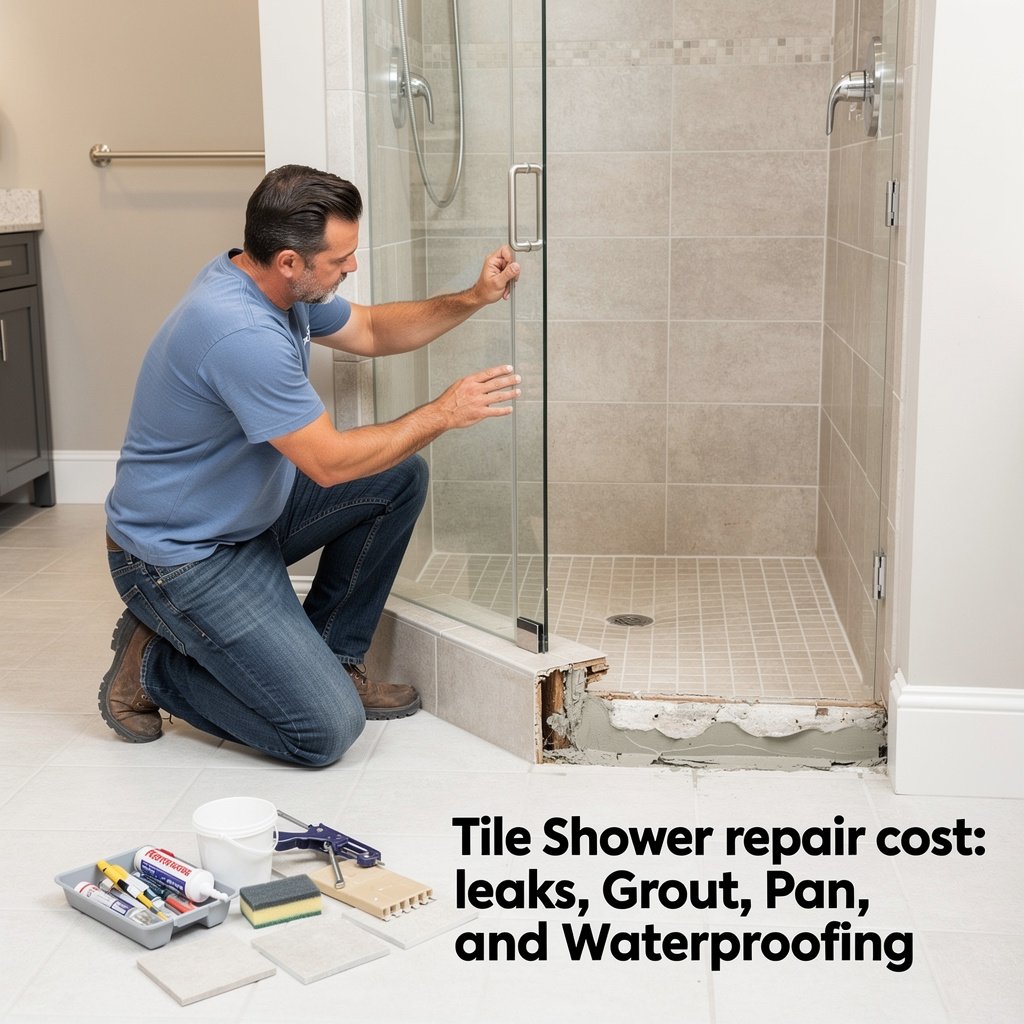
Tile shower repair cost: leaks, grout, pan, and waterproofing
Spotting Tile Shower Issues Early
Tile showers offer durability and style, but water exposure wears them down over time. Common problems include crumbling grout, visible leaks, a failing shower pan, and inadequate waterproofing. These issues can lead to water damage behind the walls, mold growth, and even structural problems if ignored.
Homeowners often notice stains on tiles, soft spots in the floor, or water seeping into adjacent rooms. Renters might spot similar signs but should check their lease before acting. Addressing these promptly prevents small fixes from turning into major remodels.
Costs vary widely based on your location, the shower's size, access difficulty, and damage extent. Urban areas like New York or San Francisco typically run higher due to labor rates, while Midwest homes might see lower bills. Always factor in home age, as older tile installations from the 1970s or 1980s often hide outdated waterproofing.
Grout and Caulk Problems in Tile Showers
Grout fills joints between tiles, while caulk seals corners and edges where tile meets fixtures. Both protect against water infiltration. Over time, they crack, shrink, or mold from constant moisture and cleaning chemicals.
Signs of grout failure include cracks wider than a pencil lead, loose tiles, or efflorescence (white powdery deposits). Caulk issues show as gaps, black mold, or water beading poorly.
Repairing or Regrouting a Tile Shower
Regrouting involves removing old grout and applying new. For a standard 5x8-foot shower, this might take a weekend for DIY but requires skill to avoid scratching tiles.
Materials include grout (sanded for floors, unsanded for walls), caulk, grout saw, float, and sealant. Expect material costs to range from $50 to $200 depending on shower size and quality. Labor adds up if hiring out, influenced by wall height and tile type (porcelain costs less to work with than natural stone).
Full regrouting often pairs with caulking. Pros use tools like oscillating multi-tools for clean removal, reducing damage risk.
Cost Factors for Grout Repairs
- Shower size and tile count: Larger areas mean more joints.
- Tile material: Delicate glass or mosaic tiles slow the job.
- Damage level: Minor touch-ups cost less than full removal.
- Location: Hard-to-reach corners or upstairs bathrooms increase labor.
Simple grout fixes suit DIY if you're handy and the shower isn't leaking badly. However, poor application leads to repeat failures.
Detecting and Fixing Shower Leaks
Leaks stem from failed grout, cracked tiles, loose fixtures, or poor pan sealing. Water escapes behind tiles, soaking subfloors or studs. Unchecked leaks can cause rot in wooden framing within months.
Test for leaks by taping plastic over drains, running water for 15 minutes, and checking for drips below or stains. Use a moisture meter on walls for hidden issues.
Common Leak Sources and Repairs
- Tile cracks or chips: Replace individual tiles ($20-100 each, plus labor).
- Fixture leaks: Tighten or reseal faucets, showerheads ($100-300).
- Wall penetration failures: Around valves or pipes ($200-500).
Major leaks often trace to the pan or waterproofing, requiring wall opening.
Shower Pan Repair and Replacement
The shower pan, or base, catches water and directs it to the drain. Made of acrylic, fiberglass, mortar, or tile-over-pan, it fails from cracks, slope loss, or liner tears.
A sloped pan ensures proper drainage; flat spots pool water and promote leaks. Mortar pans in older homes crack easily from house settling.
Types of Pan Repairs
- Crack patching: Epoxy fillers for minor issues ($300-800).
- Liner replacement: Common in prefab pans ($800-2,000).
- Full pan demo and install: Removes old base, resets plumbing ($2,500-6,000).
Access matters: Tub-shower combos complicate removal. Plumbers handle drain work, while tile pros finish the top.
Pan replacement often uncovers waterproofing problems, inflating costs. Budget extra for unexpected rot or mold remediation.
Waterproofing Failures in Tile Showers
Waterproofing uses membranes (like Schluter-Kerdi or RedGard), backer board, or pan liners to block moisture behind tiles. Failures occur from improper install, age, or pinhole punctures.
Without sound waterproofing, water reaches drywall or studs, leading to costly mold and rot. Modern codes in many US areas require it for showers.
Repairing Waterproofing
Flood test the pan before tiling: Plug drain, fill with 2 inches of water, check for drops over 24 hours.
Repairs involve cutting out tiles, applying new membrane, and retiling. Complex jobs may need drywall demo, studs treatment, and vapor barrier reinstall ($1,500-4,000).
For rentals, document issues with photos before notifying the landlord, as major waterproofing often falls under habitability laws.
Overall Cost Breakdown for Tile Shower Repairs
Repair scope dictates the bill. Minor grout refresh might run under $500 DIY, while pan and waterproofing overhaul exceeds $5,000.
Here's a table summarizing key cost drivers:
| Repair Type | Typical Cost Range (Labor + Materials) | Main Variables |
|---|---|---|
| Grout/Caulk Refresh | $300 - $1,200 | Size, tile type, accessibility |
| Leak Sealing | $400 - $1,500 | Source (fixture vs. wall) |
| Pan Repair/Replace | $1,000 - $5,000 | Material (acrylic vs. custom) |
| Waterproofing Fix | $1,500 - $4,500 | Extent of demo needed |
| Full Rebuild | $4,000 - $10,000+ | Size, finishes, plumbing |
Ranges account for national averages adjusted for variables like coastal vs. inland labor rates. Get local quotes for accuracy.
Labor typically comprises 50-70% of costs. Tile setters charge $50-150/hour; plumbers $80-200/hour. Materials like premium membranes or cultured marble pans add 20-40%.
What Influences Your Tile Shower Repair Bill
Several factors push costs up or down:
- Location: High-cost cities demand premium rates; rural areas save 20-30%.
- Home age and layout: 1960s ranch styles have easier access than multistory condos.
- Urgency: Emergency leak fixes add 20-50% premiums.
- Scope creep: Opening walls often reveals dry rot, doubling budgets.
- Finishes: Basic ceramic vs. luxury pebble tile or heated floors.
Permits may apply for pan replacements or plumbing changes. Check your local building department; fees vary but signal code compliance.
Material choices matter: Off-the-shelf acrylic pans cost less than site-built tile bases.
DIY Tile Shower Repairs: When It Makes Sense
DIY saves money on simple jobs but risks worsening damage.
Safe DIY Projects
- Grout touch-up: Clean, remove loose bits, apply new grout. Tools under $100.
- Caulk replacement: Scrape old, apply silicone bath caulk.
- Minor leak seals: Tighten fixtures, silicone around edges.
Steps for regrouting: 1. Remove old grout with a grout saw or Dremel. 2. Clean joints thoroughly. 3. Mix and apply new grout with a float. 4. Seal after 24-48 hours.
Avoid DIY for pan work or waterproofing—improper slopes cause immediate failures, and plumbing errors flood homes.
When to Hire a Tile Shower Professional
Call a pro for:
- Persistent leaks.
- Pan cracks or poor drainage.
- Waterproofing doubts.
- Multi-trade needs (plumbing + tiling).
Licensed tile installers (check state contractor boards) and plumbers ensure code compliance. Look for bonded/insured workers covering liability.
HOA or condo rules may restrict shower work; review bylaws first.
Getting Reliable Estimates for Tile Shower Repairs
Don't approve verbal quotes. Request detailed written estimates breaking out labor, materials, trip fees, disposal, and warranties.
Questions to Ask Contractors
- Is labor hourly or fixed? What's included (demo, cleanup)?
- Are permits handled? Who pays?
- Warranty on work and parts? (Expect 1-5 years.)
- Subcontractors involved? Proof of insurance?
- Timeline and payment schedule? (No full upfront for jobs over $1,000.)
Get 3-5 bids from vetted pros via Angi, HomeAdvisor, or local referrals. Compare apples-to-apples: Same scope, brands.
Red flags: Pressure for immediate payment, vague scopes, no license proof.
Document everything: Photos of damage, moisture readings, contractor emails.
Insurance, Home Warranties, and Financing Options
Homeowners insurance covers sudden leaks (e.g., burst pipe) but excludes gradual wear like grout failure. File claims carefully—deductibles often exceed repair costs.
Home warranties (e.g., American Home Shield) may cover plumbing but rarely tiling. Review your policy.
For big jobs, explore HUD's home improvement loans like Title I or 203(k) for financed repairs. Visit HUD home improvements or HUD 203(k) for details.
Permits protect resale value; skipping them risks fines or inspection fails.
Renters, Condo Owners, and Landlords
Renters: Contact your landlord immediately for shower issues—leaks qualify as habitability repairs under most state laws. Provide photos; don't DIY major fixes without permission to avoid lease violations.
Condo/HOA: Shared walls mean association approval for waterproofing or pan work. Budget assessments if common plumbing involved.
Landlords: Repairs maintain property value; track costs for tax deductions.
Maintenance to Avoid Future Tile Shower Repairs
Prevent issues with routine care:
- Weekly: Squeegee walls, ventilate post-shower.
- Monthly: Inspect grout/caulk; reapply sealant yearly.
- Annually: Check pan slope, test for leaks.
Use mold-resistant grout, quality silicone caulk. Avoid abrasive cleaners.
Here's a quick maintenance checklist:
| Task | Frequency | Why It Helps |
|---|---|---|
| Squeegee and ventilate | Daily | Reduces moisture buildup |
| Caulk inspection | Monthly | Spots gaps early |
| Grout sealing | 6-12 mo | Repels water longer |
| Full leak test | Yearly | Catches hidden problems |
Signs Your Repair Needs Are Bigger Than They Seem
Mustard stains on grout signal alkali leaching—underlying moisture. Bubbling paint nearby means wall saturation. Soft subflooring requires immediate pro inspection.
If rot extends to joists, costs skyrocket. Prioritize safety over savings.
Comparing Repair Options to Lower Costs
Opt for targeted fixes over full rips. Here's a comparison:
- Spot Regrout: Pros: Quick, low cost. Cons: Doesn't fix leaks. Best for: Surface wear only.
- Pan Liner Patch: Pros: Avoids full demo. Cons: Temporary. Best for: Minor cracks.
- Full Waterproof + Pan: Pros: Long-term fix. Cons: Higher upfront. Best for: Ongoing leaks.
Shop sales at Home Depot or Lowe's for materials. Off-peak scheduling cuts labor 10-20%.
Final Steps Before Starting Repairs
- Document damage thoroughly.
- Notify insurer/landlord if applicable.
- Gather 3 estimates.
- Verify contractor credentials via state boards.
- Confirm scope in writing.
These steps equip you to handle tile shower repairs confidently, balancing cost and quality for your US home.

About the TDL Expert Panel
TDL Expert Panel · TheDigitalLife Editorial Team
TDL Expert Panel is the editorial team behind TheDigitalLife. The team researches, reviews, and creates practical guides to help everyday readers make better decisions about home repair costs, refunds, AI tools, digital safety, productivity, and useful online resources. Each guide is written to be clear, useful, and easy to understand.