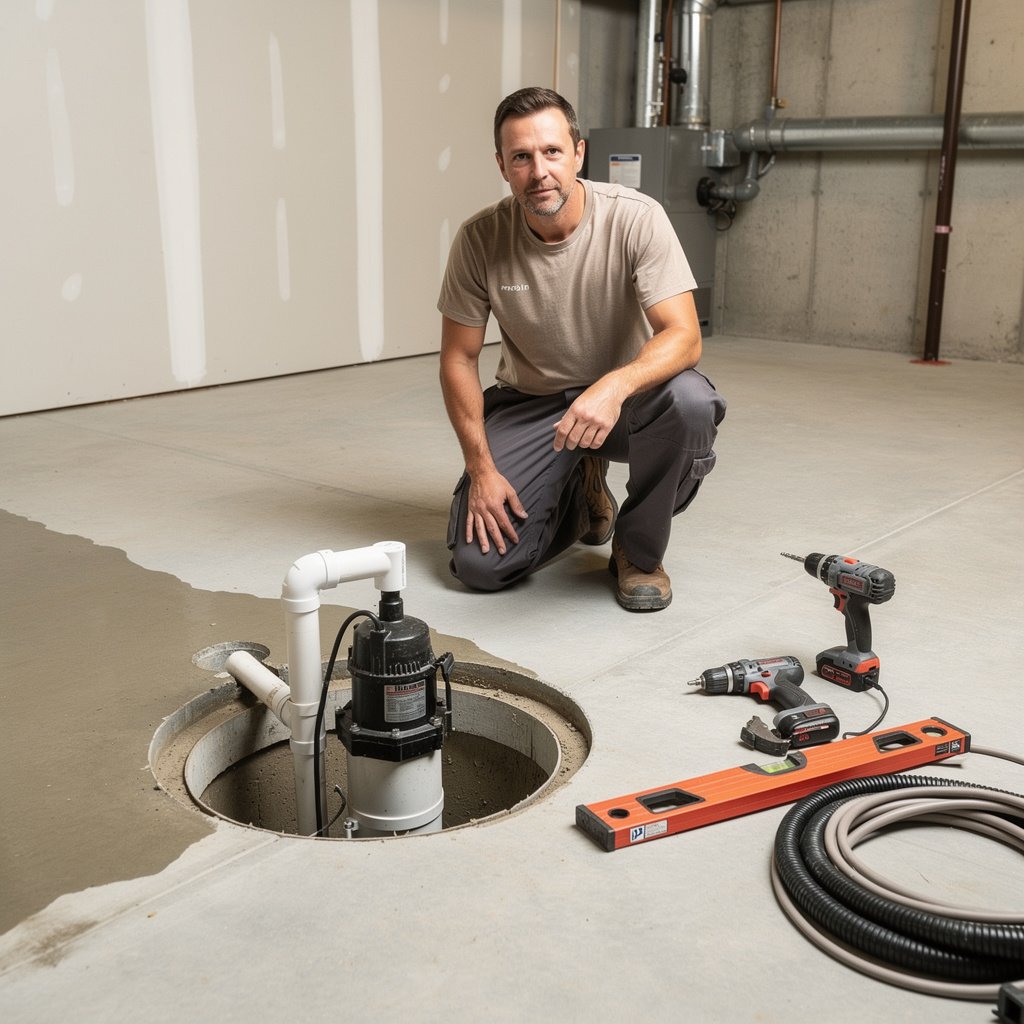
Sump pump installation cost for a wet basement
Why Install a Sump Pump in a Wet Basement
A wet basement can lead to mold growth, structural damage, and lost usable space in your home. Water seeping through foundation cracks, poor yard drainage, or heavy rains often cause this issue, especially in areas with high water tables common across many US regions like the Midwest and Northeast. Installing a sump pump collects water in a basin and pumps it away from your foundation, preventing flooding.
Homeowners facing recurring dampness or standing water should consider this upgrade before damage worsens. The decision hinges on your home's specifics: age, foundation type (poured concrete, block, or slab), and local groundwater levels. Inspect first by checking for efflorescence (white powdery residue on walls), musty odors, or buckling sheetrock.
Types of Sump Pumps Suitable for Basements
Sump pumps come in several types, each suited to different basement conditions and budgets. Pedestal pumps sit above the sump pit, making them easier to service but noisier and less effective for heavy water inflow. Submersible pumps go fully underwater, run quieter, and handle more volume, ideal for basements with frequent water issues.
Battery backups add reliability during power outages, common in storms. Combination systems include alarms and WiFi monitoring for remote alerts. For severe flooding, high-capacity pumps or those with vertical float switches outperform standard models.
Here's a comparison of common types:
| Type | Best For | Pros | Cons |
|---|---|---|---|
| Pedestal | Light water, easy access | Low cost, simple maintenance | Noisier, less durable |
| Submersible | Moderate to heavy water | Quiet, long-lasting | Higher upfront cost |
| Battery Backup | Power outage-prone areas | Runs without electricity | Needs battery maintenance |
| Primary/Backup | High-risk basements | Redundant protection | Most expensive setup |
Select based on your basement's water volume: test by running a hose near the foundation for an hour and observing inflow.
Breaking Down Sump Pump Installation Costs
Sump pump installation costs vary widely by location, home details, and system complexity. In urban areas like Chicago or Seattle with strict codes, expect higher prices due to labor rates and permitting. Rural spots might run lower, but material transport can add up.
Total costs typically include the pump, pit liner, piping, check valve, electrical wiring, and labor. A basic setup might start around the lower end of mid-range figures, while advanced systems with backups push toward the higher end. Always get site-specific quotes, as national averages don't account for your local soil type or access challenges.
Material costs cover the pump ($150 to $600), basin ($50 to $200), discharge pipe ($20 to $100), and accessories like valves or alarms ($50 to $300). Battery backups add $200 to $800.
Labor costs depend on job scope: digging a new pit (2-4 hours), wiring (1-2 hours), and testing. Plumbers or foundation specialists charge based on hourly rates influenced by union rules in some states.
Additional expenses: concrete patching ($100 to $300), gravel backfill ($50 to $150), or exterior grading ($500+ if drainage work is needed).
Key Factors Influencing Your Total Bill
Several elements drive the final price for sump pump installation in a wet basement. Understanding them helps you budget accurately and spot padded estimates.
| Cost Factor | Why It Matters | Potential Impact |
|---|---|---|
| Pump Type and Capacity | Higher capacity handles more water | +$200-$1,000 |
| Basement Access | Tight spaces require more time/tools | +$300-$800 |
| New vs Existing Pit | New pit needs excavation | +$500-$1,500 |
| Electrical Upgrades | Dedicated circuit or GFCI outlet | +$200-$600 |
| Location and Labor Rates | Urban vs rural; peak season | Varies 20-50% by region |
| Drainage Improvements | French drains or downspout extensions | +$1,000-$3,000 |
| Permits/Inspections | Required in most municipalities | +$100-$400 |
Soil conditions matter: clay-heavy ground in Texas or Florida slows digging, raising labor. If your basement finish includes carpet or drywall, removal and reinstallation add $500 to $2,000.
Urgency plays a role—emergency installs during rainy seasons cost 20-50% more due to contractor availability.
Labor Costs in Detail
Labor forms the bulk of installation expenses, often 50-70% of the total. A standard job takes 4-8 hours for one or two workers. Rates range based on trade: plumbers ($75-$150/hour), electricians ($80-$160/hour), or specialists in waterproofing ($100-$200/hour).
In a crawlspace or finished basement, expect doubled time for maneuvering. If the job involves breaking concrete (common in slabs), add sawing and disposal fees. Always confirm if the quote includes cleanup—some charge extra for hauling debris.
For multi-day projects with drainage, labor can exceed materials. Compare apples-to-apples by asking for line-item breakdowns.
Material Choices and Their Price Impact
Opting for durable materials pays off long-term. Cast iron pumps resist corrosion better than plastic but cost more. PVC discharge pipes are standard and affordable; copper adds expense for code compliance in some areas.
Battery backups require sealed AGM batteries, replaced every 3-5 years. Smart pumps with apps integrate via existing WiFi, adding $100-$300 but offering peace of mind.
Buy from reputable suppliers like Home Depot or local plumbing outlets to avoid counterfeits. Confirm UL-listed pumps for safety and warranty validity.
DIY Sump Pump Installation: Is It Feasible?
DIY suits handy homeowners with unfinished basements and basic plumbing skills, potentially saving $1,000-$2,000 in labor. Start with a pre-formed pit liner and pedestal pump for simplicity—no heavy excavation needed.
Safety first: Shut off power and water. Digging risks hitting utilities—call 811 before starting. Electrical work demands GFCI protection; improper wiring causes shocks or fires.
Steps if attempting DIY: 1. Locate low spot for pit (18-24 inches deep, 18-inch diameter). 2. Install liner, pump, and float switch. 3. Run discharge pipe to exterior, 10+ feet from foundation. 4. Wire to outlet or switch; test thoroughly.
However, most basements require professional installation due to code-mandated electrical, plumbing ties, and structural cuts. Mistakes lead to failures during floods, voiding insurance. Skip DIY if your home has a finished basement, slab foundation, or sewage ejector needs.
When to Hire a Professional
Call a pro for wet basements showing buckling floors, wall cracks wider than 1/4-inch, or mold. Licensed plumbers, waterproofing contractors, or foundation experts handle permits and warranties.
Search via Angi, HomeAdvisor, or state contractor boards. Verify licenses through your state's department (e.g., CSLB in California). Bonded and insured pros protect against job-site accidents.
Non-emergency? Get 3-5 written quotes. Emergency flooding demands immediate action—prioritize licensed firms with 24/7 service.
Steps to Get Accurate Quotes
Before calling contractors:
- Document the issue: photos of water marks, videos of inflow tests.
- Note home details: foundation type, square footage, access ease.
- Measure for pit location.
Request detailed estimates covering:
- Labor hours and rate.
- All materials listed with brands/models.
- Disposal, travel, diagnostic fees.
- Timeline and payment terms (e.g., 30% deposit, balance on completion).
Sample questions to ask:
- "Is this licensed, bonded, and insured work?"
- "What warranty on labor and parts?"
- "Will subcontractors perform any tasks?"
- "Does this include permits and inspections?"
- "What if surprises like rocky soil arise?"
Compare by total price, inclusions, reviews, and warranty length (aim for 2+ years).
Watch for upsells: unnecessary full waterproofing when a pump suffices, or premium brands without justification.
Permits, Codes, and Inspections
Most US municipalities require permits for sump pump installs altering structure or electrical. Check your local building department—fees vary but often under $300.
Codes mandate: discharge away from foundation (often city sewer tie-in prohibited), backflow preventers, and dedicated circuits. In flood zones (per FEMA maps), elevated installs or specific pumps apply.
Inspections verify pit depth, pump rating, and pipe slope. Failing means rework costs. Pros handle this; DIYers risk fines up to $1,000.
Insurance, Home Warranties, and Financial Assistance
Homeowners insurance may cover sump pump installs if sudden water damage (e.g., burst pipe) causes the need, but excludes gradual seepage or neglect. File claims promptly with photos; deductibles apply.
Home warranties (e.g., via American Home Shield) often cover pumps post-install but check contracts—repairs up to $500-$1,500 annually.
For flood-related basements, FEMA assistance helps disaster-declared areas. Visit FEMA Individual Assistance or FEMA housing assistance if eligible. Standard flood insurance via NFIP covers pumps if whole-home flooding.
Renters: Notify landlord in writing—major repairs fall on them per most state laws. Keep records for security deposit disputes.
Renters vs Homeowners: Who Pays?
Homeowners bear full costs unless insured. In condos/HOAs, check bylaws—shared drainage might involve association fees.
Renters should review leases: habitability laws require landlords fix water intrusion. Send certified mail with photos; local housing authorities mediate if unresponsive. Avoid paying upfront without reimbursement agreement.
Post-Installation Maintenance to Extend Life
Regular upkeep prevents failures and future bills. Test monthly: Pour water into pit, ensure auto-activation and discharge.
Clean pit annually, check floats for debris. Replace batteries yearly. Monitor discharge pipe for clogs—winter freezes demand insulation.
Signs of trouble: humming without pumping, frequent cycling, or alarm triggers. Budget $100-$300/year for maintenance.
Broader Drainage Solutions to Complement Your Pump
A sump pump works best with good exterior drainage. Extend downspouts 5-10 feet from house. Grade soil 6 inches drop over 10 feet.
Consider French drains ($2,000-$6,000) channeling water to the sump. Gutter guards prevent overloads.
Preventive steps:
- Clean gutters biannually.
- Seal foundation cracks with hydraulic cement ($20/tube).
- Install window well covers.
These reduce pump runtime, extending life 7-15 years.
Avoiding Overcharges and Ensuring Quality Work
Spot padded bids: vague line items, no model numbers, or "while we're here" add-ons. Decline 50%+ upfront payments.
Post-job: Test system, get warranties in writing, retain invoices for insurance. If issues arise, notify contractor promptly—state laws require response times.
By understanding cost drivers and vetting pros, you'll secure reliable protection for your basement without overpaying. Local quotes give the truest picture tailored to your home.

About the TDL Expert Panel
TDL Expert Panel · TheDigitalLife Editorial Team
TDL Expert Panel is the editorial team behind TheDigitalLife. The team researches, reviews, and creates practical guides to help everyday readers make better decisions about home repair costs, refunds, AI tools, digital safety, productivity, and useful online resources. Each guide is written to be clear, useful, and easy to understand.