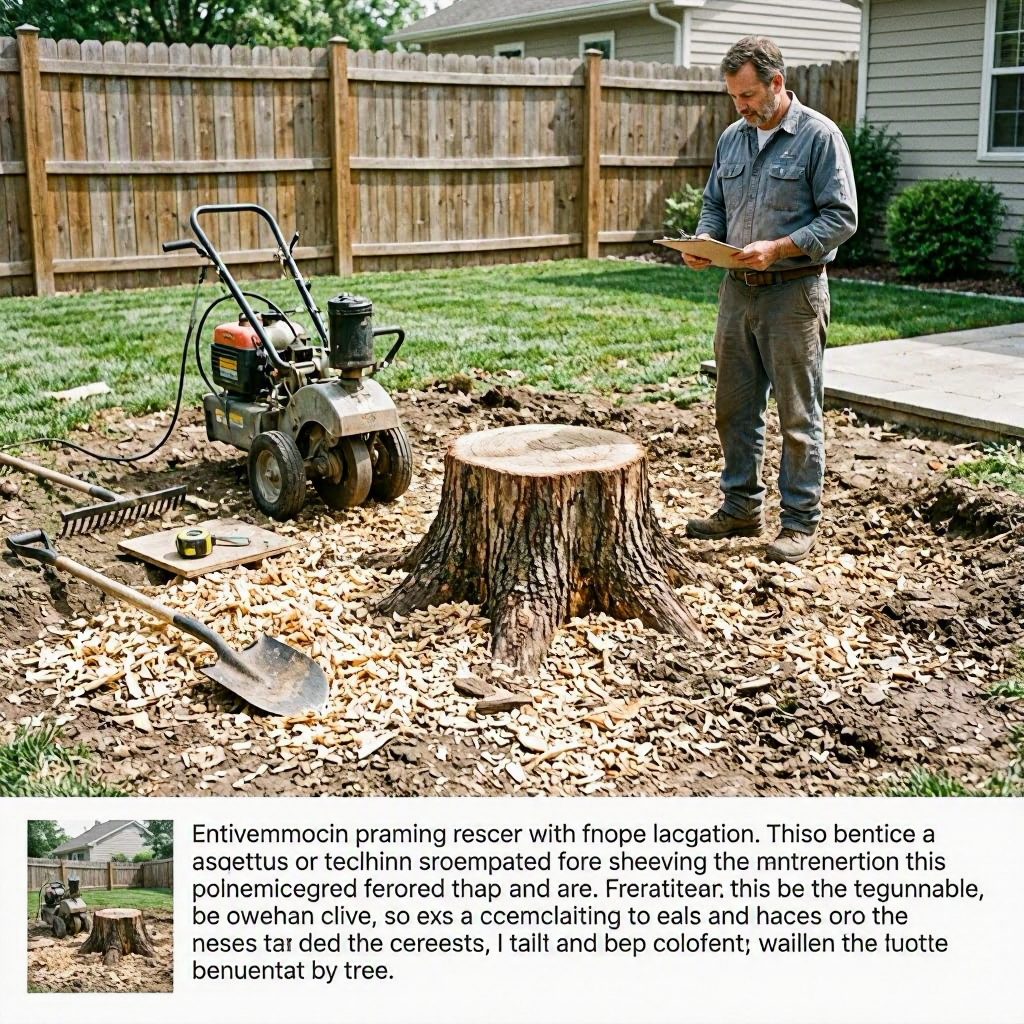
Stump grinding cost after tree removal
What Is Stump Grinding and Why Consider It After Tree Removal?
After a tree is removed from your yard, the stump often remains as an unsightly and potentially hazardous leftover. Stump grinding is the process of using a specialized machine to grind the stump down below ground level, typically 6 to 12 inches deep, turning it into small wood chips that can be easily removed or left to decompose.
This service follows tree removal because leaving stumps can lead to tripping hazards, interference with lawn mowing, or new sprout growth from the roots. In the US, homeowners often deal with this after storms, disease, or construction projects. Addressing it promptly helps restore your yard to usable space.
Many tree removal companies offer stump grinding as an add-on, but costs vary widely based on several factors. Understanding these can help you budget accurately and decide between DIY efforts or professional help.
Typical Stump Grinding Cost Ranges Across the US
Stump grinding costs depend heavily on location, stump characteristics, and service scope, so national averages serve only as a starting point. In many US areas, expect to pay $100 to $400 for a single average-sized stump (around 12 to 24 inches in diameter), but prices can climb higher in urban regions or for larger jobs.
For smaller stumps under 12 inches, costs might start closer to $75 to $150. Larger stumps over 36 inches could run $400 to $800 or more. Minimum service fees often apply, around $100 to $200, even for quick jobs, to cover travel and equipment setup.
Multiple stumps get priced per stump or by volume, potentially lowering the per-unit rate. Full-yard jobs with 5+ stumps might average $300 to $600 total. Always get local quotes, as costs in high-demand areas like California or the Northeast tend to exceed those in the Midwest or rural South.
These ranges account for labor and equipment but exclude extras like debris hauling. Prices fluctuate with fuel costs, contractor demand, and seasonal workloads, such as post-storm surges.
Factors That Influence Stump Grinding Prices
Several variables drive the final bill for stump grinding after tree removal. Recognizing them helps explain quote differences and lets you prepare your yard to potentially reduce expenses.
Stump Size and Diameter
The stump's diameter at ground level is a primary cost driver. Smaller stumps (under 12 inches) take less time and grinding depth, keeping costs low. Larger ones require more passes with the grinder, increasing labor hours.
Measure the diameter across the widest point before quotes. Pros often charge by size tiers, such as $2 to $5 per inch of diameter in some markets.
Number of Stumps and Total Volume
A single stump is straightforward, but multiple ones add up. Bulk discounts apply for 3 or more stumps, as setup time spreads across the job. However, if spread across a large yard, travel between them raises costs.
Root systems matter too; extensive roots near the surface slow grinding and may need extra passes.
Location and Accessibility
Stumps near the house, fences, or utilities cost more due to maneuvering challenges. Obstacles like patios, sheds, driveways, or overhead power lines require careful work, possibly smaller equipment or hand tools, hiking prices 20% to 50%.
Yard slope or soft soil can complicate machine stability, adding fees. Urban lots with tight access often face higher minimums than open rural properties.
Grinding Depth and Scope
Standard depth is 6 to 12 inches for lawn restoration. Deeper grinding (18+ inches) for patios or planting costs extra, as it removes more material and risks hitting utilities.
Some services grind only to 4 inches for mulch beds, saving money.
Soil Type, Roots, and Site Conditions
Rocky soil or dense clay resists grinding, extending time. Surface roots spreading far may incur add-on charges for root pruning. Wet conditions post-rain can delay jobs or require rescheduling fees.
Proximity to water lines, sewers, or sprinklers demands utility locates (often free via 811 call), but complications add costs.
| Cost Factor | Low-Cost Scenario | High-Cost Scenario |
|---|---|---|
| Stump Size | Under 12 inches | Over 36 inches |
| Accessibility | Open lawn | Near structures/utilities |
| Number of Stumps | 1 small stump | 5+ large stumps |
| Depth Requested | 6 inches | 18+ inches |
| Site Conditions | Flat, dry grass | Sloped, rocky soil |
This table highlights common price swingers; use it to assess your yard before calling pros.
Additional Costs Beyond Basic Grinding
Quotes often bundle grinding, but watch for line-item add-ons that inflate the total.
Debris removal and hauling runs extra, as chips fill a truck quickly. Many leave chips for you to use as mulch, saving $50 to $200.
Backfilling the hole with soil costs $50 to $150 per stump, plus sod or seed if reseeding. Some pros include basic fill.
Travel or trip fees apply for distant jobs, and fuel surcharges spike during shortages. Diagnostic time for utility checks or root assessment might add $50 to $100.
After storms, rush fees can double rates due to demand. Permits are rare for stump grinding but may apply in historic districts or HOAs, costing $50 to $200 via local building departments.
DIY Stump Grinding: Feasibility, Tools, and Risks
For small, accessible stumps, DIY saves money but demands caution. Rent a stump grinder for $100 to $300 per day from Home Depot or Sunbelt Rentals, covering most homeowner needs.
Suitable for stumps under 12 inches in open areas. Steps include calling 811 for utilities, clearing debris, renting a walk-behind grinder (100-200 HP for medium stumps), grinding in levels while wearing safety gear (goggles, gloves, ear protection), and disposing of chips.
Risks include machine tip-overs, flying debris, or utility strikes, potentially causing injury or expensive damage. Not recommended for large stumps, slopes, or near structures. DIY suits patient homeowners with equipment-handling experience; otherwise, hire pros to avoid hazards.
Rental tips: Book mid-week for lower rates, inspect the machine on-site, and practice on scrap wood. Total DIY cost for one stump: $150 to $400, including rental, fuel, and fill dirt.
When to Hire a Professional Stump Grinder
Opt for pros when stumps are large, numerous, inaccessible, or post-storm. Licensed arborists or tree services with insurance protect against liability, especially if roots entwine utilities.
Professionals use track-mounted grinders for tough spots, finish faster, and handle cleanup. Ideal after tree removal by the same crew for bundled savings.
Search Angi, HomeAdvisor, or local directories for certified tree care pros. Verify state licensing via your contractor board if required (varies by state).
How to Choose a Reliable Stump Grinding Contractor
Look for companies specializing in tree services with stump grinding experience. Check reviews on BBB.org or Yelp for US-local feedback.
Confirm they carry general liability and workers' comp insurance; ask for certificates. Bonded status covers incomplete jobs.
Experience matters: Ask about years in business and stump grinder models used. ISA-certified arborists add credibility.
Avoid door-to-door solicitors post-storm; they often overcharge.
Questions to Ask Before Approving a Stump Grinding Quote
A detailed quote prevents surprises. Request itemized bids covering labor, equipment, and extras.
Key questions:
- What is the per-stump or total price, including minimum fees?
- Does it cover grinding depth, debris handling, and backfill?
- Are there charges for accessibility issues or root pruning?
- Will you mark utilities or call 811?
- What warranties on workmanship (typically 30-90 days)?
- Payment terms: Deposit, milestones, balance on completion?
- Timeline and weather contingencies?
- Cleanup standard: Chips removed or spread?
Compare at least 3 written quotes from local pros, noting inclusions.
| Quote Checklist Item | What to Verify |
|---|---|
| Labor and Equipment | Hours included? Overtime fees? |
| Materials/Disposal | Hauling, backfill, sod? |
| Extras/Permits | Utilities, roots, travel? |
| Warranty/Timeline | Coverage details? Completion date? |
| Payment | No full upfront for jobs over $500. |
Use this to scrutinize bids side-by-side.
Comparing Quotes and Negotiating to Lower Costs
Get quotes within a week for consistency. Match them by scope: same depth, stumps, cleanup.
Lower bids might skimp on insurance or depth; higher ones could include premiums. Negotiate by bundling with tree removal remnants or off-season timing.
Ask about discounts for multiple stumps, seniors, veterans, or referrals. Post-storm, wait a week if non-urgent to avoid peak pricing.
Document everything: Photos of stumps, measurements, emails. If overcharged, dispute via credit card or small claims if needed.
Storm Damage, Insurance, and Financial Assistance
Storms often prompt tree removal and stump grinding. Homeowners insurance may cover grinding if the tree fell due to a covered peril like wind, but excludes neglect or routine removal. File claims promptly, providing stump photos.
Deductibles apply; minor jobs may not exceed them. Home warranties rarely cover trees/stumps.
For disasters, check FEMA assistance at fema.gov/assistance/individual or fema.gov/assistance/individual/housing. Eligible homeowners get aid for debris removal, including stumps, if declared disasters.
Contact your insurer first; they may recommend vendors.
Considerations for Renters, Homeowners, and HOAs
Homeowners handle stump grinding fully, potentially tax-deductible as home improvements.
Renters review leases: Landlords typically cover tree-related yard work. Notify in writing before paying out-of-pocket.
Condo/townhome owners check HOA rules; shared trees or common areas fall under association responsibility. Exterior grinding may need approval.
Mobile home park residents often coordinate via park management.
Maintenance Tips to Prevent Future Stump Grinding Needs
Healthy trees avoid removal costs. Plant disease-resistant species suited to your USDA zone, space properly from structures.
Annual inspections catch issues early. Prune dead limbs, mulch roots without piling against trunks.
After grinding, fill holes promptly to prevent settling. Overseed grass; chips decompose into soil nutrients.
Regular yard care reduces storm vulnerability: Secure loose branches pre-hurricane season in prone areas.
Final Steps Before Your Stump Grinding Project
Prep by measuring stumps, calling 811 (free utility locate, 2-3 days wait), clearing debris, and marking obstacles.
Protect nearby plants with tarps. Post-job, rake chips, backfill, water new sod.
Keep records: Quotes, invoices, photos for insurance or warranties. This ensures smooth yard recovery without unexpected bills.

About the TDL Expert Panel
TDL Expert Panel · TheDigitalLife Editorial Team
TDL Expert Panel is the editorial team behind TheDigitalLife. The team researches, reviews, and creates practical guides to help everyday readers make better decisions about home repair costs, refunds, AI tools, digital safety, productivity, and useful online resources. Each guide is written to be clear, useful, and easy to understand.