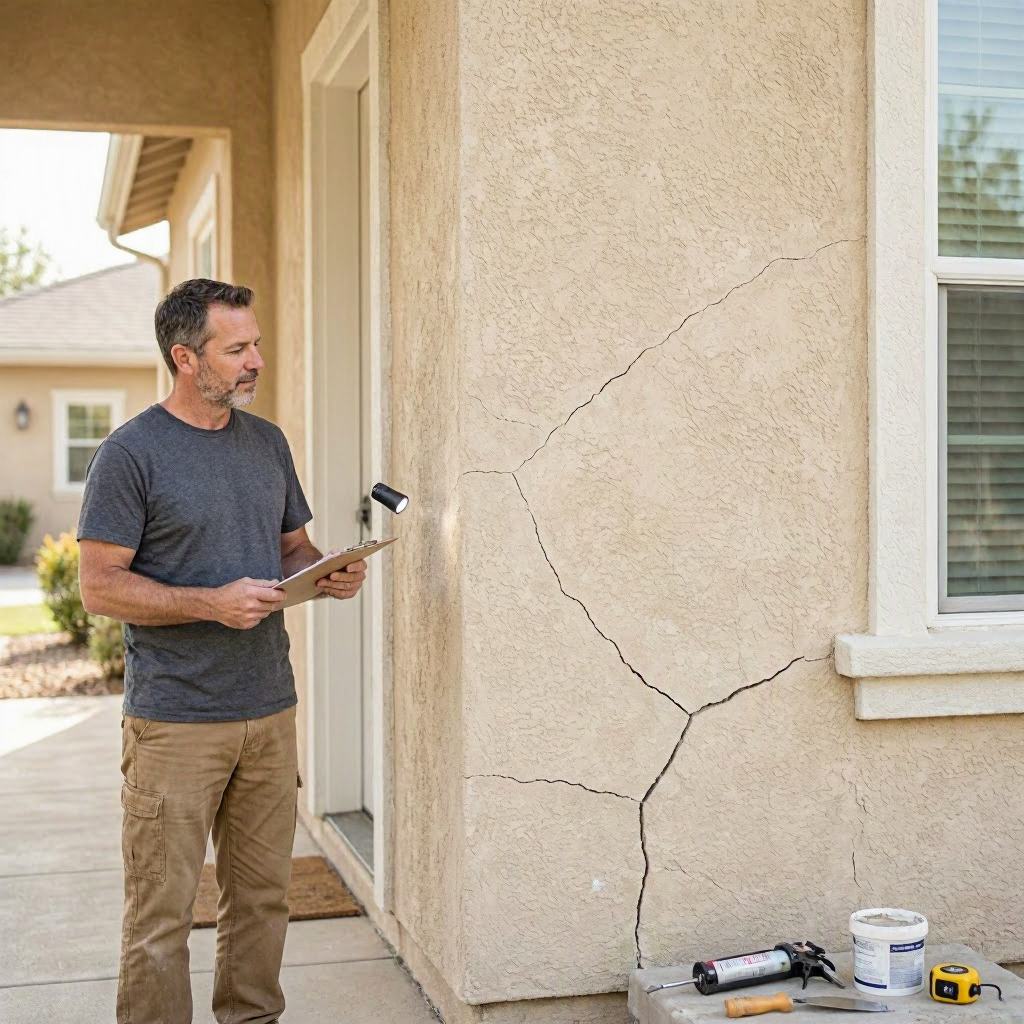
Stucco crack repair cost: cosmetic vs structural damage
---
Stucco Cracks: A Common Issue for US Homeowners
Stucco siding covers millions of homes across the United States, especially in warmer climates like the Southwest, Florida, Texas, and California. This durable exterior finish resists fire and pests but develops cracks over time due to settling foundations, moisture changes, or temperature swings. Homeowners often spot thin lines first and wonder about repair costs.
The price to fix stucco cracks varies widely based on whether the damage is cosmetic or structural. Cosmetic fixes for surface hairline cracks might cost a few hundred dollars, while structural repairs uncovering deeper problems can run into thousands. Understanding the difference helps you budget accurately, decide on DIY versus professional help, and avoid unnecessary expenses.
Factors like your home's location, crack size, accessibility, and local labor rates play major roles. In high-demand areas like coastal California, expect higher bids than in rural Midwest spots. Always start by inspecting cracks yourself, taking photos, and consulting local pros for estimates tailored to your situation.
What Causes Stucco Cracks in US Homes?
Stucco is a cement-based plaster applied in layers over wood or metal lath. New homes settle as soil compacts, creating tension that pulls the material apart. Older homes from the 1970s or 1980s, common in states like Arizona and Nevada, may have cracks from decades of expansion and contraction.
Moisture is a top culprit. Rain soaks into tiny gaps, freezes in winter (even in mild climates like Georgia), and expands to widen cracks. Poor drainage around the foundation or clogged gutters worsens this. Earthquakes in California or high winds in Florida add stress, while tree roots lifting soil cause uneven settling.
Installation flaws account for many issues. If the original crew skipped control joints, skipped proper expansion gaps, or used low-quality mix, cracks appear sooner. Thermal shifts in sunny states like New Mexico exacerbate hairline fissures that start small but grow without attention.
Cosmetic vs Structural Cracks: Key Differences
Not all cracks signal disaster. Cosmetic cracks are superficial, often from normal wear, and don't threaten your home's integrity. Structural cracks point to movement in the foundation, framing, or walls, requiring urgent evaluation.
Examine width, depth, pattern, and recurrence. Hairline cracks under 1/16 inch wide stay at the surface and follow mortar lines. Diagonal or stair-step patterns across multiple layers suggest shifting. Horizontal cracks near the base often mean foundation heave or settlement.
Test by pressing a thin tool like a screwdriver into the crack. If it goes in less than 1/4 inch, it's likely cosmetic. Probe deeper? Or if edges feel soft or crumbly, moisture damage may lurk. Recheck after rain, storms, or seasons, as widening indicates progression.
Signs to Distinguish Crack Types
| Crack Characteristic | Likely Cosmetic | Likely Structural | Recommended First Step |
|---|---|---|---|
| Width | Less than 1/16 inch (hairline) | 1/8 inch or wider | Measure with a ruler; photo both sides |
| Depth | Surface only, no probing | Penetrates layers, soft substrate | Insert screwdriver; note resistance |
| Pattern | Vertical along joints | Diagonal, horizontal, stair-step | Sketch location on house diagram |
| Location | Upper walls, isolated | Foundation line, corners, recurring | Check indoors for matching interior cracks |
| Age/Change | Stable over months | New or widening seasonally | Monitor with dated photos every 3 months |
Use this table to assess your cracks before calling anyone. Document with close-up photos from ground level and ladder (safely). Note weather conditions and house age for pros.
For borderline cases, hire a home inspector or structural engineer early. In seismic zones like California, local building codes may require professional review for anything over 1/4 inch wide.
Repair Costs: Cosmetic vs Structural Breakdown
Costs depend on inspection findings, not guesses. Cosmetic repairs focus on patching and sealing, while structural fixes involve diagnostics, reinforcement, and sometimes foundation work.
Expect cosmetic stucco crack repairs to range from $250 to $1,500 for small jobs covering 10-50 linear feet. A single hairline patch might hit $200-$500, including labor. Multiple spots around windows or doors push toward the higher end.
Structural repairs start at $1,000-$3,000 for moderate fixes like injecting epoxy or adding mesh reinforcement over 100 square feet. Severe cases with foundation ties or partial re-stuccoing can exceed $5,000-$15,000, especially if tied to settling. Full wall resurfacing runs $7-$12 per square foot.
These are broad US averages influenced by 2023-2024 inflation on materials like cement and mesh. Urban areas like Los Angeles or Miami see 20-50% premiums due to union labor and access challenges (scaffolding for two-story homes).
Cost Comparison by Repair Scope
| Repair Type | Typical Scope | Low-End Cost Factors | High-End Cost Factors |
|---|---|---|---|
| Cosmetic Patch | 10-20 ft cracks | DIY materials, easy access | Pro labor, multiple colors matching |
| Epoxy Injection | 50 ft moderate cracks | Ground level, single layer | Elevated, multi-layer penetration |
| Mesh Reinforcement | 100 sq ft wall | Standard mesh, no demo | Custom mesh, water damage removal |
| Full Resurfacing | Entire wall (500 sq ft) | Basic finish | Textured match, permits required |
Regional variations matter: Southwest pros charge based on desert sun exposure, while humid Florida bids factor mold remediation.
Factors Influencing Stucco Crack Repair Prices
Labor dominates at 50-70% of the bill. Stucco specialists charge $50-$150 per hour, higher for certified applicators with 10+ years experience. Accessibility adds up: Ground-level cracks are cheap; second-story or around roofs need scaffolding ($500+ rental).
Materials vary: Acrylic caulk or elastomeric sealants for cosmetics cost $20-$50 per tube. Structural jobs use fiberglass mesh ($1-$2 per sq ft), epoxy fillers ($100/gallon), or lath replacement. Premium color-matched stucco adds 20-30%.
Home specifics amplify costs. Pre-1980s homes may have asbestos in old stucco, triggering $1,000+ abatement. Newer synthetic stucco (EIFS) requires different techniques. Crack count matters, too, 5-10 hairlines versus a 20-foot horizontal split.
Urgency spikes prices: Post-storm emergency calls in hurricane-prone states like Texas double rates. Permits for structural work add $100-$500, checked via your local building department. Disposal of debris factors another $200-$400 for dumpsters.
DIY Stucco Crack Repair: Safe for Cosmetics Only
For narrow, stable hairline cracks under 1/8 inch, DIY saves money if you're handy and follow safety basics. Never tackle structural issues yourself, as improper fixes mask foundation problems, leading to bigger bills later.
Tools needed: Wire brush, caulk gun, utility knife, hose, ladder (stable), gloves, safety glasses, acrylic caulk, patching compound, and exterior paint. Total materials: $50-$200 at Home Depot or Lowe's.
Steps for cosmetic fixes: 1. Clean cracks: Hose off dirt, scrape loose stucco with brush or knife. Let dry 24-48 hours. 2. Widen slightly: Use knife for better sealant grip, without deepening. 3. Apply sealant: Fill with elastomeric caulk matching your stucco color. Smooth with wet finger. 4. Patch if needed: Mix cement-based compound, apply thin layer over wider spots, feather edges. 5. Texture and paint: Match house texture with sponge or trowel, then exterior paint after curing (7 days).
Test on a small area first. Work in mild weather (50-85°F, no rain). For two-story access, rent pro scaffolding or skip it.
DIY limits: Stop if cracks exceed 1/8 inch, probe deep, or show water stains inside. These signal structural needs, risking falls or code violations without permits.
Hiring a Professional: Essential for Structural Damage
Call a licensed contractor for anything beyond surface patches. Look for stucco specialists via Angi, HomeAdvisor, or state contractor boards. Verify licenses through your state's board (e.g., CSLB in California).
Pros diagnose with tools like moisture meters or borescopes, uncovering hidden issues like wood rot or shifting slabs. They handle permits, warranties (1-5 years typical), and insurance for liability.
Expect diagnostic fees of $100-$300, credited toward repairs. Bonded and insured pros protect you from accidents. Subcontractors? Ask for their credentials too.
How to Get Reliable Estimates and Compare Quotes
Shop smart: Contact 3-5 local pros for written estimates after sharing photos and details (house age, crack locations, square footage). Avoid verbal promises.
A solid estimate details:
- Scope: Crack measurement, repair method (patch, inject, reinforce).
- Line items: Labor hours, materials list with brands, disposal, permits.
- Total with taxes, no hidden fees.
- Timeline and payment terms (e.g., 30% deposit, balance on completion).
Compare apples-to-apples: Reject vague "around $2,000" bids. Question markups over 20% on materials. Watch for upsells like full re-siding on minor cracks.
Sample questions to ask:
- Is this cosmetic or structural? What tests confirm?
- Are you licensed for stucco? Show proof and insurance.
- What's included: Cleanup, warranty, color match?
- Payment schedule? Any trip charges?
- References from similar jobs nearby?
Document everything via email. For big jobs over $5,000, consider HUD's 203(k) loan for financing bundled repairs (details at hud.gov/hud-partners/single-family-203k). General home improvement resources at hud.gov/helping-americans/home-improvements cover options.
Insurance, Warranties, and When Coverage Applies
Homeowners insurance might cover sudden cracks from covered perils like earthquakes (if endorsed) or storm damage, but excludes settling or poor maintenance. File claims promptly with photos, but weigh premium hikes.
Contractor warranties cover labor/materials 1-10 years; manufacturer ones for sealants last 20+. Home warranties (e.g., Choice or Select) sometimes include exterior cracks if not pre-existing.
Renters: Notify landlord in writing within 24-48 hours. Leases often make them responsible for exteriors. Document to avoid security deposit disputes.
Condo/HOA owners: Check bylaws; exteriors usually fall under association maintenance, saving you costs.
Preventing Future Stucco Cracks and Maintenance Tips
Proactive steps cut repeat repairs. Install gutters extending 5 feet from foundation to divert water. Grade soil sloping away 6 inches over 10 feet. Seal cracks annually in dry weather.
Trim trees/overhangs blocking drainage. In seismic areas, add house bolting per local codes. Inspect yearly post-winter, noting changes.
Maintenance checklist:
- Hose walls gently twice yearly.
- Recaulk windows/doors every 5 years.
- Monitor foundation for new cracks indoors/out.
- Keep records of all repairs for resale disclosures.
These habits extend stucco life 50+ years, avoiding $10,000+ overhauls.
In summary, distinguishing cosmetic from structural stucco cracks guides smart spending. Start with self-inspection, get multiple pro quotes, and prioritize safety. Local variations mean your best cost insight comes from nearby estimates, empowering confident decisions for your US home. ---

About the TDL Expert Panel
TDL Expert Panel · TheDigitalLife Editorial Team
TDL Expert Panel is the editorial team behind TheDigitalLife. The team researches, reviews, and creates practical guides to help everyday readers make better decisions about home repair costs, refunds, AI tools, digital safety, productivity, and useful online resources. Each guide is written to be clear, useful, and easy to understand.