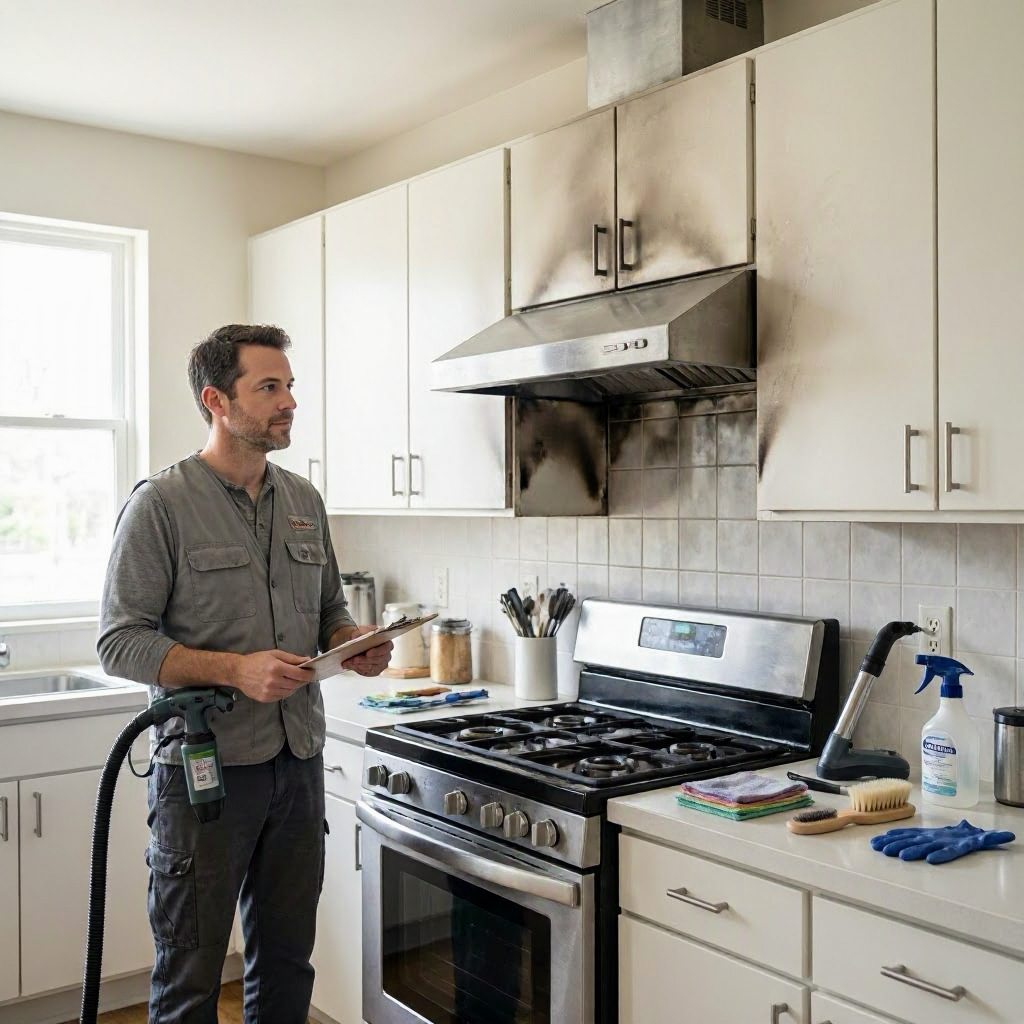
Smoke damage cleaning cost after a small house fire
What Smoke Damage Looks Like After a Small House Fire
A small house fire, such as one from a kitchen grease flare-up or an unattended candle, can leave behind widespread smoke damage even if flames are contained quickly. Smoke particles cling to walls, ceilings, furniture, carpets, and HVAC systems, carrying soot, acids, and toxins that cause odors, discoloration, and potential health risks. Cleaning this damage requires more than wiping surfaces, as improper handling can spread contaminants or damage materials further.
Homeowners often underestimate the scope because visible soot might seem minor compared to fire or water damage. In reality, smoke infiltrates porous surfaces like drywall, insulation, and upholstery, making thorough cleaning essential to avoid long-term issues like corrosion or mold growth from residue moisture. For renters, smoke damage typically falls under landlord responsibility, but documenting it promptly protects your security deposit.
Assessing the full extent usually needs a professional inspection, especially since small fires can affect hidden areas like attics or crawl spaces through ventilation.
First Steps to Take Immediately After a Small Fire
Safety comes first. Ensure the fire department declares the home safe before re-entering. Ventilate by opening windows and doors if utilities are on, but avoid using fans or HVAC until checked, as they can circulate smoke residue.
Document everything with photos and videos of affected areas, including walls, contents, and any charring. Note dates, times, and fire department report numbers. Contact your homeowners insurance agent right away, as many policies cover smoke damage from sudden events.
If you're a renter, notify your landlord or property manager in writing within 24 hours, referencing your lease's maintenance clauses. For condo owners, alert your HOA board, as smoke may impact shared walls or ducts.
Turn off utilities if advised, and avoid eating or using items exposed to smoke until cleaned. These steps help control costs by preventing further damage.
Key Factors That Influence Smoke Damage Cleaning Costs
Costs for cleaning smoke damage vary widely based on several factors. Location plays a big role, with higher labor rates in urban areas like New York or San Francisco compared to rural Midwest towns. The home's size and layout matter too, a 1,500-square-foot ranch style home cleans differently than a two-story colonial.
Damage severity is crucial. Light soot on hard surfaces costs less than heavy, greasy residue from kitchen fires, which penetrates deeper. Affected materials influence prices: non-porous items like glass or tile clean easier than drywall, carpets, or wood cabinets that may need replacement.
Time since the fire affects pricing. Fresh smoke damage cleans more easily and cheaply than residue that has baked in over weeks, leading to higher restoration needs. Urgency raises rates, with emergency services charging premiums during nights or holidays.
Labor dominates costs, as certified technicians use specialized equipment like air scrubbers, ozone generators, and HEPA vacuums. Material disposal, cleaning agents, and sealants add up. Local codes may require permits for extensive work, especially if structural elements are involved.
Home age and construction type matter. Older homes with plaster walls or asbestos insulation face higher costs due to hazardous material testing. HVAC cleaning, often 20-30% of the total, varies by system size and duct accessibility.
Here's a table summarizing major cost drivers:
| Factor | Why It Affects Cost | Example Impact |
|---|---|---|
| Damage Extent | Larger areas or deeper penetration require more time and tools | Small room vs. whole house: doubles or triples bill |
| Material Types | Porous surfaces need replacement or heavy treatment | Carpet vs. tile: 50% higher per square foot |
| Location | Labor rates and disposal fees vary regionally | Coastal cities add 20-40% over inland areas |
| Urgency | After-hours or rapid response premiums | Weekend service: 1.5x standard rate |
| HVAC Involvement | Duct cleaning and system sanitizing is labor-intensive | Basic clean vs. full system: $500 to $2,000 difference |
Typical Cost Ranges for Smoke Damage Cleaning
Expect to pay anywhere from $2,000 to $10,000 for a small house fire's smoke damage in a typical 1,500-2,000 square foot home, but this is a broad range influenced by the factors above. Always get multiple written estimates from local pros, as national averages don't reflect your situation.
Breakdown often includes:
- Inspection and assessment: $200-$500. Technicians test air quality and soot levels.
- Contents cleaning: $500-$3,000. Moving, cleaning, or storing furniture and belongings.
- Surface cleaning: $1,000-$4,000. Walls, ceilings, and floors, priced per square foot ($3-$7 typically).
- HVAC/duct cleaning: $500-$2,500. Essential to prevent recirculation.
- Odor removal: $300-$1,500. Uses fogging or ozone.
- Disposal and debris removal: $200-$800.
For minimal damage in one room, totals might stay under $3,000. Whole-house jobs after grease fires can exceed $15,000 if repainting, recarpeting, or drywall replacement is needed. These figures exclude fire or water damage repairs.
Costs rise 20-50% in high-cost areas or for eco-friendly cleaners. Get quotes itemized to compare apples-to-apples.
Role of Homeowners Insurance in Covering Costs
Most standard US homeowners policies cover smoke damage from accidental fires under dwelling and personal property coverage. File a claim promptly, as delays can complicate approval. Provide your fire department report, photos, and pro estimates.
Insurers often send an adjuster to assess and recommend certified restorers. Coverage typically pays actual cash value or replacement cost minus deductible ($1,000-$2,500 common). Exclusions apply to neglect, like unattended fires from faulty maintenance.
For renters, check renters insurance for contents; landlords handle structure via their policy. Condo owners review association master policy for shared elements.
Loss of use coverage may provide hotel stays or living expenses during cleanup. Document all mitigation efforts to avoid claim denials for preventable worsening.
Contact your agent to confirm policy details, limits, and any preferred vendors offering direct billing.
Hiring a Qualified Smoke Damage Restoration Professional
Smoke cleaning demands IICRC-certified pros trained in fire and smoke restoration, not general cleaners. DIY risks health issues from toxins and incomplete removal leading to repeat costs.
Search for local firms via Angi, HomeAdvisor, or your insurance list. Verify state licensing through your contractor board, general liability insurance, and bonding. Look for at least five years' experience in fire restoration.
Get 3-5 written estimates for non-emergencies. Insist on detailed line items covering scope, timeline, payment terms, and warranties (typically 1-year on labor).
Essential Questions to Ask Before Signing
Prepare this list:
- What certification do you hold (e.g., IICRC S510 for smoke)?
- Will you provide air quality tests before and after?
- Does the quote include HVAC cleaning, contents handling, and odor neutralization?
- Are subcontractors used, and are they insured?
- What is the payment schedule (e.g., 30% deposit, balance on completion)?
- What warranties cover workmanship and any products used?
- How do you handle unexpected findings like hidden damage?
How to Compare and Negotiate Estimates
Line up quotes side-by-side using the table below as a checklist. Reject vague "time and materials" bids without caps.
| Estimate Item | What to Verify |
|---|---|
| Scope of Work | Matches your inspection photos and notes |
| Labor Hours | Realistic based on square footage |
| Materials/Equipment | Brands and quantities listed |
| Exclusions | Hidden fees for permits or travel |
| Timeline | Start/end dates with milestones |
| Total Price | Fixed or not-to-exceed |
Negotiate by referencing lower bids or bundling services. Walk away from high-pressure sales or full upfront payments over $1,000.
Limited Role for DIY in Smoke Damage Cleaning
DIY is rarely safe or effective for smoke damage after a fire. Soot contains carcinogens and corrosives requiring PPE, respirators, and pro-grade cleaners like solvent-based degreasers.
For very minor surface soot on non-porous items, wipe with TSP (trisodium phosphate) solution, vacuum with HEPA filter, and rinse thoroughly. Avoid on porous surfaces or HVAC.
Health risks include respiratory irritation, especially for kids or those with asthma. Improper cleaning voids insurance claims. Call a pro if damage exceeds one room or involves odors.
Potential Hidden or Additional Costs
Watch for upsells like unnecessary ozone (which can harm lungs) or full repaints before cleaning tests. Structural inspections add $300-$800 if charring is suspected.
Mold from fire suppression water bumps costs 50-100%. Asbestos or lead testing in pre-1980 homes: $400-$1,200. Contents storage during cleanup: $200/month.
Permits for drywall removal or electrical checks vary by locality, often $100-$500. Factor in temporary relocation if uninhabitable.
Government Assistance Options Like FEMA
For small house fires not tied to declared disasters, insurance handles most. If in a federally declared fire event, FEMA's Individual Assistance program offers grants for uninsured losses, including temporary housing and repairs.
Apply online at fema.gov/assistance/individual or call 800-621-3362. FEMA housing assistance details at fema.gov/assistance/individual/housing cover essentials like cleaning to make homes habitable. Grants don't require repayment but have limits.
Check eligibility via your state's emergency management agency. SBA low-interest loans are another option for underinsured homeowners.
Documentation Checklist for Claims and Repairs
Keep meticulous records to support insurance, disputes, or tax deductions (casualty losses possible post-2017 tax changes, consult IRS Pub 547).
- High-res photos/videos before any cleaning.
- Fire department report.
- All estimates, contracts, invoices, receipts.
- Correspondence with insurer, landlord, pros.
- Before/after air quality reports.
- Payment proofs, canceled checks.
Store digitally and in hard copy. This protects against disputes over scope or quality.
Maintenance Tips to Minimize Future Smoke Damage Risks
Install and test smoke/CO detectors monthly, replace batteries yearly. Use kitchen exhaust fans during cooking. Keep flammables away from heat sources.
Annual HVAC filter changes and professional duct inspections prevent residue buildup. Fire extinguishers in kitchens and garages, inspected yearly.
For wood stoves or fireplaces, professional chimney sweeps annually. These steps reduce small fire likelihood and ease cleanup if one occurs.
Understanding these elements empowers you to manage smoke damage costs effectively after a small house fire. Prioritize safety, documentation, and pros for best outcomes.

About the TDL Expert Panel
TDL Expert Panel · TheDigitalLife Editorial Team
TDL Expert Panel is the editorial team behind TheDigitalLife. The team researches, reviews, and creates practical guides to help everyday readers make better decisions about home repair costs, refunds, AI tools, digital safety, productivity, and useful online resources. Each guide is written to be clear, useful, and easy to understand.