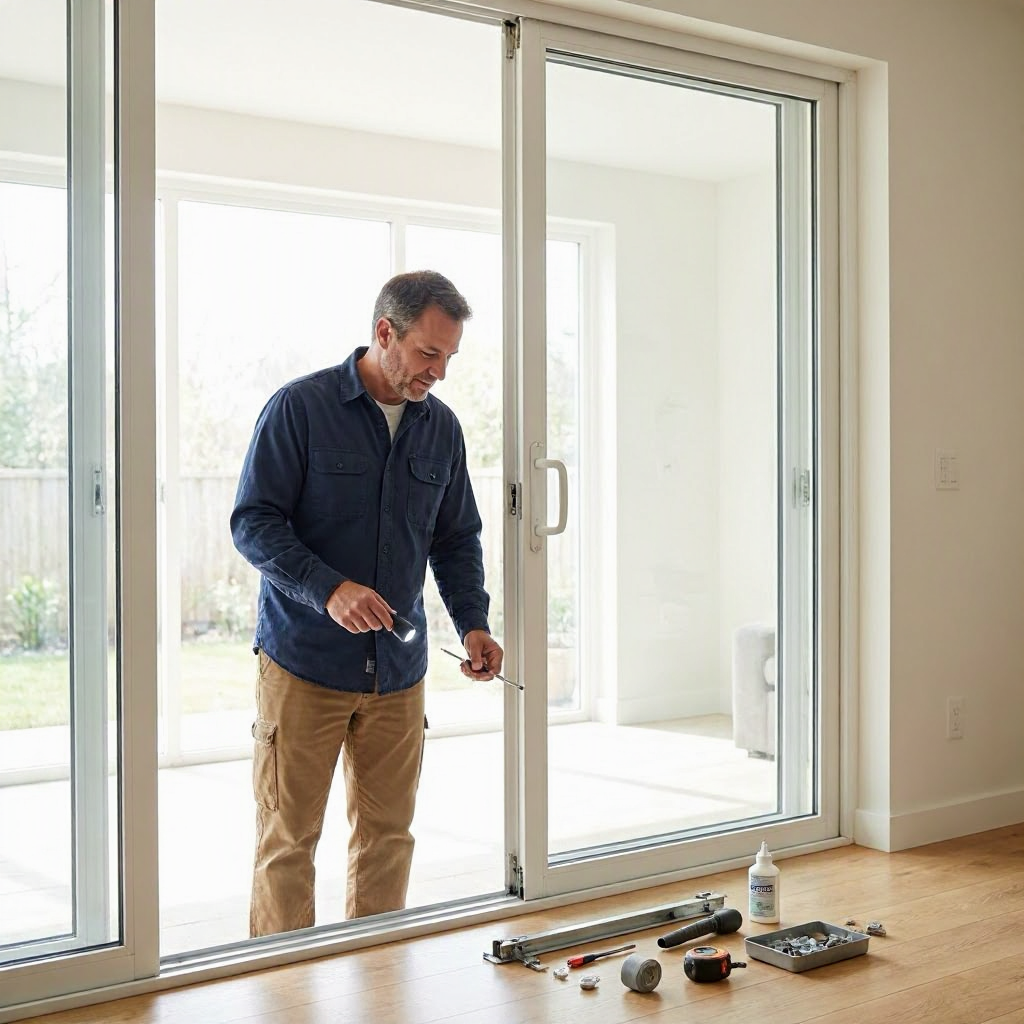
Sliding glass door repair cost: rollers, track, glass, and locks
Common Sliding Glass Door Problems and Repair Overview
Sliding glass doors offer great views and easy access to patios or decks, but they face heavy use and weather exposure. Over time, components like rollers, tracks, glass panels, and locks wear out, leading to sticking doors, drafts, security risks, or broken panes. Repairs address these issues without full replacement, which saves money for many homeowners.
Costs for these repairs vary widely based on your location, door size, material (aluminum, vinyl, wood), age, and repair complexity. Factors like urban vs rural areas, contractor demand, and part availability play big roles. For example, labor in coastal cities often runs higher due to supply chain issues for custom parts.
Before tackling any fix, inspect the door yourself. Note symptoms like grinding noises, gaps at the edges, foggy glass, or locks that won't engage. Take photos and measure the door height, width, and frame type. This helps when getting quotes and spotting if the problem stems from one part or multiple.
Renters should check their lease first, as landlords typically handle major door repairs. Homeowners in condos or HOAs may need association approval for exterior work.
Key Factors Influencing Repair Costs
Several elements drive the total bill for sliding glass door repairs. Understanding them helps you compare estimates and avoid surprises.
Location matters most. Urban areas like New York or San Francisco have higher labor rates and minimum trip charges. Rural spots might see lower costs but longer wait times for specialized parts.
Door specifics affect pricing. Standard 5- to 6-foot doors cost less to fix than oversized 8- to 10-foot patio models. Older doors from the 1980s or 1990s often need custom rollers or tracks, bumping up material expenses.
Labor vs materials split. Labor usually makes up 50-70% of the bill, depending on access. Tight spaces around the door require more time to remove panels. Materials range from basic hardware store rollers to tempered glass replacements.
Urgency and season play in. Emergency weekend calls add premiums. Spring and summer see peak demand for outdoor access repairs.
Permits rarely needed for internal components like rollers or locks, but glass replacement in some coastal zones might trigger building code checks for impact-resistant standards.
Get at least three written estimates to benchmark. Ask if diagnostics, disposal of old parts, and cleanup are included.
Cost Drivers by Repair Type
| Repair Component | Main Cost Drivers | Pro Labor Estimate Range (varies by region) |
|---|---|---|
| Rollers | Number needed (4-8), material (plastic, nylon, steel), door weight | 1-3 hours |
| Track | Length, corrosion level, straight vs curved | 2-4 hours |
| Glass | Size, single vs double-pane, tempered/insulated type | 3-6 hours + custom fab time |
| Locks | Style (keyed, lever), security grade, drilling required | 1-2 hours |
This table highlights why simple fixes stay affordable while glass work escalates. Always confirm local rates with pros.
Rollers: Diagnosis, Repair, and Replacement Costs
Rollers bear the door's weight and ensure smooth gliding. Made of plastic, nylon, or metal with wheels, they fail from dirt buildup, sun exposure, or overload.
Signs of bad rollers: Door sticks or jumps off track, uneven gaps at top/bottom, squeaking, or visible flat spots on wheels.
Cleaning often revives them. Vacuum the track, then use a screwdriver to pop out rollers for WD-40 spray and wiping. This DIY step costs under $10 and takes 30 minutes.
If rollers are cracked or seized, replacement is next. Bottom-mounted doors need panel removal, a two-person job. Top-hung models are trickier, requiring frame access.
Material costs depend on quality: basic plastic sets run low, while adjustable steel ones for heavy doors cost more. Labor involves lifting the panel (100-300 lbs), which pros handle safely.
DIY feasibility: Safe for accessible bottom rollers on lighter doors. Use adjustable wrench, silicone lubricant, and new parts matched to your model. Watch YouTube tutorials specific to your brand like Andersen or Pella, but stop if the panel won't budge.
When to call a pro: Heavy glass doors, multi-panel stacks, or if rollers integrate with the frame. Expect diagnostic fees if not included in the estimate.
Full roller jobs might involve track tweaks, so inspect both. Maintenance like quarterly cleaning extends life.
Track Repair and Straightening Costs
The track guides rollers and seals weatherstripping. Aluminum or vinyl tracks warp from heat, rust from moisture, or dent from impacts.
Common track issues: Bent sections causing binding, debris-clogged channels, or loose screws leading to sagging.
Start with DIY cleaning: Remove the door panel (if possible), scrub with soapy water and a wire brush, then apply track lubricant. Straighten minor bends using pliers and a rubber mallet. Costs: $5-15 for supplies.
Severe damage needs section replacement or full track resurfacing. Pros cut out bad spots, weld or rivet new aluminum, and realign for level operation.
Cost influencers: Track length (up to 12 feet for big doors), corrosion depth, and bottom vs top track access. Multi-track systems for bypass doors double labor.
Safety note: Never force a stuck door, as glass can shatter. Pros use suction cups and braces for panel handling.
After repair, test glide with varying weights to ensure smoothness. Poor tracks strain new rollers, leading to repeat costs.
Glass Panel Repair or Replacement Costs
Glass issues range from minor chips to full cracks or seal failures in double-pane units. Tempered glass resists shattering but can't be cut onsite.
Spotting glass problems: Cracks from ball impacts, fog between panes (failed seals), scratches reducing clarity, or drafts from warped edges.
Small chips might get epoxy-filled DIY, but pros recommend full panels for safety. Double-pane insulated glass (IGU) fogging requires seal replacement, not cleaning.
Replacement process: Measure precisely, order custom-tempered or Low-E coated glass. Pros remove the panel, install new glazing beads, and seal. Expect wait times for fabrication.
Big cost drivers: Panel size (up to $500+ for materials alone), energy-efficient features like argon-filled panes, and hurricane-rated glass in Florida or Texas. Frame damage adds framing labor.
Link to energy savings: Replacing with Energy Star-rated glass may qualify for the IRS Energy Efficient Home Improvement Credit (check irs.gov for details). The DOE notes such upgrades cut cooling bills (energy.gov/save/home-upgrades).
DIY limits: Never DIY full glass swaps due to weight and breakage risk. Chips under 6 inches might be patched temporarily.
Insurance often covers storm-broken glass but not wear-related fogging. File claims with photos.
Locks and Handles: Security Fixes and Costs
Locks secure the door and deter intruders. Patio door locks include hooks, latches, or deadbolts integrated into handles.
Failure signs: Key sticks, hook won't catch strike plate, loose handles, or easy jimmying.
Tighten screws first (DIY, 10 minutes). Lubricate with graphite powder.
Replacements vary: Surface-mount levers for renters, mortise deadbolts for security. Multi-point locks on French-style sliders add complexity.
Pricing factors: Basic keyed handles low-end, high-security electronic ones higher. Drilling out seized locks adds labor.
Upgrade tip: Opt for ANSI Grade 1 locks. Pros ensure alignment with the frame.
Test post-repair by locking/unlocking 20 times. Security is non-negotiable, so hire locksmiths for integrated systems.
DIY vs Professional Recommendations
| Repair Type | DIY Suitable For | Pro Recommended When |
|---|---|---|
| Rollers | Light doors, accessible bottoms | Heavy panels, top-hung |
| Track | Cleaning, minor bends | Welding, full replacement |
| Glass | Chip patching only | All full swaps |
| Locks | Screw tightening, basic levers | Deadbolts, multi-point |
This guide helps decide based on your skills and tools.
When to Attempt DIY Repairs
DIY shines for minor issues on accessible doors. Tools needed: Screwdriver set, pliers, mallet, lubricant, replacement parts from Home Depot or online.
Safe DIY checklist:
- Confirm door weight under 150 lbs.
- Have a helper for lifting.
- Work on a flat surface with cardboard protection.
- Match parts exactly (measure wheel diameter, axle length).
- Test incrementally.
Risks to avoid: Glass handling without gloves/suction cups, forcing bent tracks (cracks frame), or ignoring electrical dogging mechanisms on powered doors.
If unsure, film the issue and consult a pro via video call. Partial DIY like cleaning cuts pro bills.
Hiring a Qualified Professional: Steps and Questions
For complex work, seek licensed door/glass specialists or handymen. Check state contractor boards for licenses (required in many states for glass work).
Before calling:
- Gather measurements, photos, door brand/year.
- List symptoms and tried fixes.
Key questions for estimates:
- Is this a flat rate or time-and-materials?
- Does it cover parts, labor, disposal, warranty?
- How long will it take? Any subs used?
- Bonded/insured? References?
- Payment terms (no full upfront)?
- Written warranty length?
Compare bids line-by-line: $X labor, $Y parts. Decline vague "around $500" quotes.
Red flags: Cash-only demands, no insurance proof, pressure for immediate full payment.
Expect 1-2 day jobs. Keep all paperwork for warranties.
Insurance, Warranties, and Other Considerations
Homeowners insurance: Covers sudden breaks like hail damage, not gradual wear. Deductibles apply; document everything.
Home warranties: May include doors if specified. Review your contract.
Manufacturer warranties: Original doors from Pella or Milgard might cover parts 10-20 years. Pros verify serial numbers.
HOA/condo rules: Exterior glass or locks often association turf.
Permits: Rare, but check local building department for structural frame work.
Maintenance to Prevent Costly Repairs
Regular care halves repair frequency.
Quarterly checklist:
- Clean tracks with vacuum/brush.
- Lubricate rollers and locks.
- Inspect weatherstripping; replace if cracked.
- Tighten frame screws.
- Check glass seals for fog.
Winter prep: Apply silicone spray. Annual pro tune-up for older doors.
These steps preserve value and safety.
Special Advice for Renters, Condo Owners, and Landlords
Renters: Notify landlord/property manager in writing with photos. Most leases cover doors as fixtures. Don't pay unless minor and reimbursed.
Condo/HOA: Common areas or exterior glass? Submit work order. Interior locks might be your responsibility.
Landlords: Budget for inspections; preventive fixes save eviction hassles.
Document communications.
Comparing Quotes: A Sample Process
- Contact 3-5 locals via Angi, HomeAdvisor, or referrals.
- Share details upfront.
- Review written bids side-by-side.
- Ask clarifiers on differences.
- Choose based on value, not lowest price.
Example: Quote A: $250 rollers (2 hrs labor + parts). Quote B: $400 (includes track clean). Pick A if track is fine.
Long-Term Savings Strategies
Bundle repairs: Rollers + track same visit.
Shop parts: Online for generics, but pros source OEM.
Energy upgrades: New glass with Low-E coating qualifies for federal tax credits (irs.gov/credits-deductions).
Sell old parts? Rarely worth it.
Track repair history for resale disclosures.
This comprehensive guide equips you to handle sliding glass door repairs confidently. Prioritize safety, documentation, and multiple quotes for best outcomes.

About the TDL Expert Panel
TDL Expert Panel · TheDigitalLife Editorial Team
TDL Expert Panel is the editorial team behind TheDigitalLife. The team researches, reviews, and creates practical guides to help everyday readers make better decisions about home repair costs, refunds, AI tools, digital safety, productivity, and useful online resources. Each guide is written to be clear, useful, and easy to understand.