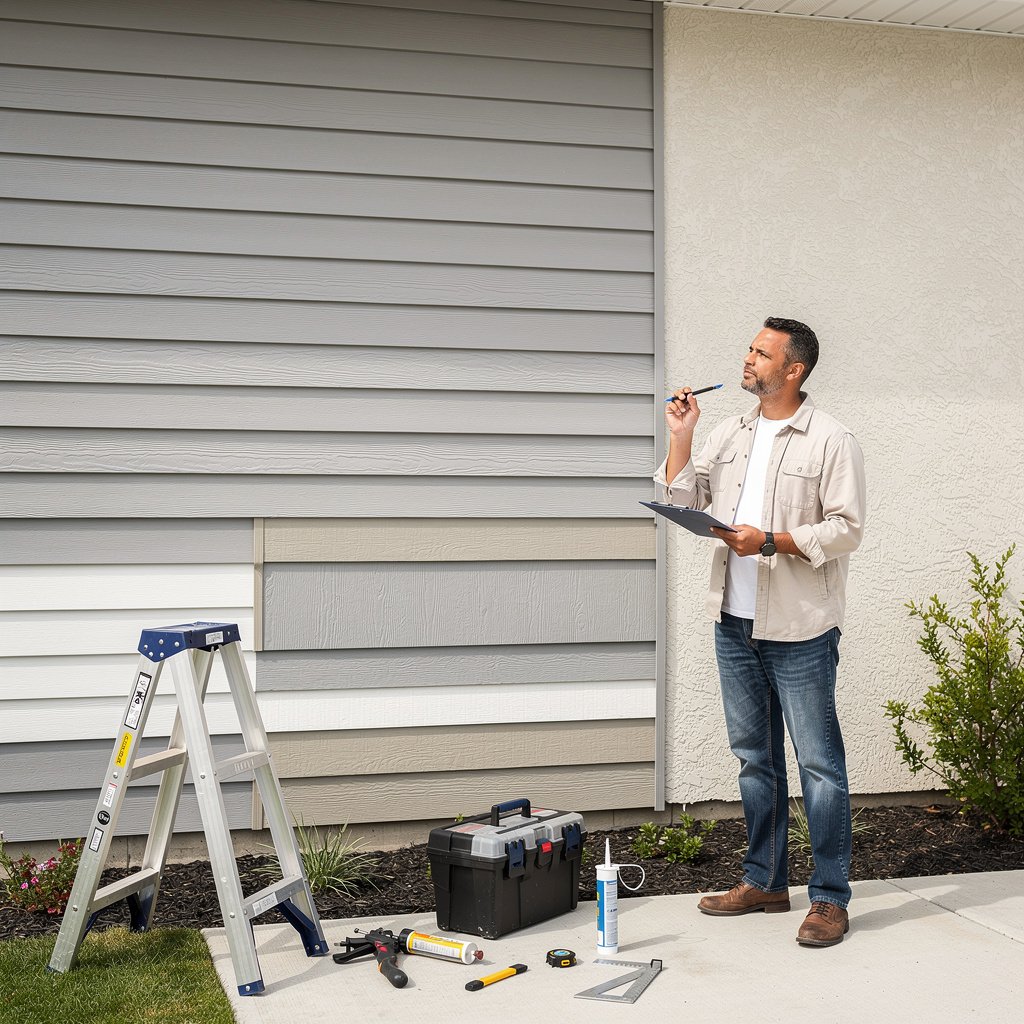
Siding repair cost: vinyl, fiber cement, wood, and stucco
---
Understanding Siding Repair Costs
Siding serves as the first line of defense for your home against rain, wind, sun, and temperature swings. In the United States, homeowners often deal with repairs after storms, wear from years of exposure, or damage from pests and poor installation. The four main types covered here, vinyl, fiber cement, wood, and stucco, each have unique repair needs and price drivers.
Costs for siding repairs vary widely based on your location, the extent of damage, material choices, labor availability, and local building codes. A small patch job might run a few hundred dollars, while replacing multiple panels or addressing underlying issues could reach into the thousands. Factors like home height, access difficulty, and whether permits are required play big roles. Always get multiple written estimates from licensed local contractors to understand your specific situation.
This guide breaks down repair costs by material type, explains what influences pricing, and offers steps to compare quotes without overpaying. Whether you're a homeowner in the Midwest facing hail damage or a coastal resident battling humidity rot, these insights help you decide between DIY fixes and professional help.
Common Problems Leading to Siding Repairs
Before diving into costs, recognize typical issues that signal a repair need. Early detection can prevent small problems from becoming expensive overhauls.
- Cracks or holes: Often from impact, thermal expansion, or settling foundations.
- Buckling or warping: Caused by moisture, poor ventilation, or extreme heat.
- Rot or decay: Common in wood from trapped water; less so in synthetics.
- Fading or chalking: Surface wear from UV exposure, especially on south-facing walls.
- Loose or missing panels: Wind damage or failed fasteners.
- Caulking failures: Gaps allowing water intrusion, leading to mold or structural issues.
Inspect after severe weather, like hail storms common in "Hail Alley" states such as Texas and Colorado. Document damage with photos, including close-ups and wide shots, for insurance claims or contractor bids. If you spot underlying problems like water stains inside walls or soft spots when probing with a screwdriver, call a pro immediately, as these indicate potential sheathing or framing damage.
Vinyl Siding Repair Costs and Considerations
Vinyl siding dominates US homes due to its low upfront cost and ease of installation. It's lightweight, comes in many colors, and resists fading better than older materials. However, it can crack in cold weather or buckle in heat if not properly vented.
Typical Vinyl Repairs
Common fixes include replacing cracked panels, resecuring loose sections, or patching holes from hail or branches. Full panel replacement is straightforward since panels snap into place.
What Drives Vinyl Repair Costs
- Damage scope: A single panel might cost $100 to $300 including labor, but 10 panels could push $1,000 or more.
- Labor: Contractors charge based on home access. Ground-level work is cheaper than ladder jobs on two-story homes.
- Materials: New vinyl panels match existing colors but vary by thickness and style. Thicker insulated vinyl adds to the price.
- Location: Urban areas like New York or San Francisco have higher labor rates than rural Midwest spots.
- Extras: Disposal of old siding, painting touches, or caulking runs $50 to $200 extra.
In many US markets, minor vinyl repairs average under $500, while moderate jobs hit $1,500 to $3,000. Extensive damage requiring house wrap replacement behind siding escalates costs significantly.
DIY for Vinyl
Vinyl suits DIY for small jobs. Tools needed: pry bar, tin snips, replacement panels, and zip screws. Remove damaged panel by unlocking neighbors, snap in new one. Watch online tutorials from reputable US sites like This Old House. Avoid if working at heights over one story or if damage reveals wet insulation, as that risks mold.
When to Hire a Pro
Opt for professionals if repairs exceed 10 panels, involve heights, or show water intrusion. Ask about manufacturer warranties, often 20-50 years on premium vinyl.
Fiber Cement Siding Repair Costs and Considerations
Fiber cement, like James Hardie brand, blends cement, sand, and cellulose for durability. Popular in the West and South for fire resistance and low maintenance, it mimics wood but handles humidity better.
Typical Fiber Cement Repairs
Repairs focus on cracks from settling, chipped edges from impacts, or delamination from moisture. Panels are heavier, so cutting and fitting requires power tools.
What Drives Fiber Cement Repair Costs
- Material weight: Heavier boards mean more labor to handle, especially on multi-story homes.
- Cutting and priming: Precise cuts with a dust-control saw, plus priming raw edges, add time.
- Damage extent: Patching a crack might be $200 to $500; replacing boards on a 200 sq ft wall could reach $2,000 to $5,000.
- Finishing: Matching factory paint or staining increases costs by 20-30%.
- Regional factors: Higher in earthquake zones like California, where reinforced installation matters.
Expect minor repairs in the $300 to $800 range in most areas, scaling up for larger areas. Labor often dominates since pros must follow manufacturer guidelines to preserve warranties.
DIY for Fiber Cement
Limited DIY potential due to dust hazards (silica requires respirators) and weight. Small patches possible with pre-cut boards and fiber cement caulk, but improper cuts void warranties. Not recommended for beginners.
When to Hire a Pro
Always for fiber cement. Ensure the contractor is certified by the manufacturer. Check for lead-safe practices if your home predates 1978.
Wood Siding Repair Costs and Considerations
Wood siding, such as cedar or pine lap siding, offers classic appeal but demands upkeep. Common in older Northeast and Pacific Northwest homes, it excels in aesthetics but succumbs to rot and insects without maintenance.
Typical Wood Repairs
Issues include rot from poor drainage, insect damage, peeling paint, or warped boards from uneven drying. Repairs often involve scraping, treating, and replacing sections.
What Drives Wood Repair Costs
- Rot extent: Probing reveals if only surface or full board replacement needed. Surface rot: $200-$600 per section; deep rot: $1,000+ with framing checks.
- Prep work: Power washing, sanding, and priming eat labor hours.
- Material grade: Cedar resists decay better than pine, costing more.
- Painting/staining: Multiple coats to match, plus weatherproofing sealants.
- Pest treatment: Termite or carpenter bee damage adds fumigation fees.
Small wood repairs often fall between $400 and $1,200, while addressing rot on multiple walls can exceed $4,000. Coastal areas with salt air see higher rates due to accelerated decay.
DIY for Wood
Feasible for small areas. Use borate treatments for rot prevention, replace boards with galvanized nails. Rent a pressure washer but avoid high PSI to prevent fiber damage. Safety first: wear gloves, goggles, and use stable ladders.
When to Hire a Pro
Required for rot near foundations, pest infestations, or lead paint scraping on pre-1978 homes. Pros handle EPA-compliant lead abatement.
Stucco Siding Repair Costs and Considerations
Stucco, a cement-based plaster, is prevalent in Southwest states like Arizona, New Mexico, and Florida for its seamless look and insulation. It's applied in layers over wire mesh.
Typical Stucco Repairs
Cracks from settling, soft spots from water washout, or delamination from poor drainage. Color fading or efflorescence (white stains) also common.
What Drives Stucco Repair Costs
- Layer complexity: Repairs match three-coat system: scratch, brown, finish.
- Surface area: Small cracks: $300-$700; wall sections: $1,500-$4,000.
- Water damage: Often hides lath corrosion or insulation issues, doubling costs.
- Color matching: Custom tinting for repairs.
- Climate: Humid areas need extra waterproofing membranes.
Minor stucco work typically ranges $400 to $1,000; larger jobs $2,500+. Arid regions may cost less than wet climates where moisture barriers are critical.
DIY for Stucco
Not advised. Mixing plaster ratios precisely is tricky; poor patches crack further. Pros use sprayers and screeds for evenness.
When to Hire a Pro
Essential for stucco. Look for EIFS (Exterior Insulation Finish System) specialists if synthetic stucco. Verify local codes for seismic reinforcement in prone areas.
Key Factors Influencing All Siding Repair Costs
Across materials, these elements determine your bill:
| Cost Factor | Why It Matters | Examples |
|---|---|---|
| Home size and height | More panels and scaffolding raise labor | Single-story easier than two-story |
| Location | Labor rates vary; urban higher | Northeast vs. South |
| Damage cause | Storm vs. neglect affects insurance | Hail may be covered |
| Accessibility | Rooflines or shrubs complicate work | Adds 20-50% to labor |
| Time of year | Off-season discounts possible | Winter slower in cold states |
Additional drivers include contractor experience (apprentices cheaper but riskier), material lead times post-disasters, and disposal fees for hazardous waste like asbestos in old siding.
Getting Reliable Estimates for Siding Repairs
Don't approve work without three written bids from licensed, insured contractors. Use sites like Angi or HomeAdvisor to find locals, but verify state licenses via your contractor board (e.g., CSLB in California).
Questions to Ask
- Is labor, materials, disposal, and cleanup included?
- What warranties on work and parts?
- Will subcontractors be used? Who's supervising?
- Timeline and payment schedule (no full upfront for big jobs)?
- Permits needed? Who pulls them?
Review estimates for line items: diagnostic fee ($75-$150), trip charge, hourly labor ($50-$150/hr varying by region). Reject vague "materials and labor" totals. Compare apple-to-apple: same scope, materials.
Red flag: Pressure to decide same-day or cash-only deals.
Permits, Inspections, and Codes
Many siding repairs don't need permits if under 100 sq ft and not structural. But check your local building department, especially for stucco or fiber cement in high-wind zones. Altering more than 25% of a wall often triggers inspections. Pros handle this; DIYers risk fines.
For financing tough repairs, explore HUD's home improvement loans at HUD home improvements or FHA 203(k) rehab mortgages at HUD 203(k).
Insurance, Warranties, and Home Warrantages
Homeowners insurance may cover sudden damage like hail but excludes neglect or wear. File claims promptly with photos; deductibles apply (often $1,000+). Manufacturer warranties vary: vinyl 30+ years, fiber cement 30-50 years if installed correctly.
Home warranties (e.g., via Choice Home Warranty) sometimes cover siding but exclude exteriors; review your policy. Keep records: receipts, before/after photos, contractor details.
Renters: Notify landlord in writing within 24-48 hours per state habitability laws. Major exterior repairs are typically owner's duty.
HOA members: Check covenants for approved materials and vendor lists.
DIY vs Professional Service Recommendations
| Material | DIY Suitable For | Pro Recommended For | Safety Notes |
|---|---|---|---|
| Vinyl | Single panels, low heights | Water damage, large areas | Ladder safety key |
| Fiber Cement | None major | All but tiny patches | Silica dust hazard |
| Wood | Surface rot, painting | Pests, lead paint | Stable footing |
| Stucco | None | All repairs | Matching layers critical |
DIY saves 30-50% on small jobs but voids warranties if botched. Pros cost more upfront but ensure code compliance and longevity.
Maintenance to Avoid Future Siding Costs
Prevent repairs with annual checks:
- Clean gutters to divert water.
- Re-caulk seams every 5 years.
- Trim overhanging branches.
- Power wash gently yearly.
- Repaint/stain wood every 3-7 years.
- Inspect after storms.
For vinyl and fiber cement, ensure proper ventilation behind siding to avoid trapped moisture. These steps extend life, potentially saving thousands.
How to Lower Your Siding Repair Bill
- Bundle with other exterior work like gutters.
- Choose mid-grade matching materials over premium.
- Schedule off-peak (fall/winter in mild areas).
- Get competing bids and negotiate.
- Fix early to avoid escalation.
Document everything: emails, contracts, payments. This aids disputes or resale disclosures.
By understanding these material-specific costs and steps, you're equipped to tackle siding repairs confidently. Get local quotes tailored to your home for the best value. ---

About the TDL Expert Panel
TDL Expert Panel · TheDigitalLife Editorial Team
TDL Expert Panel is the editorial team behind TheDigitalLife. The team researches, reviews, and creates practical guides to help everyday readers make better decisions about home repair costs, refunds, AI tools, digital safety, productivity, and useful online resources. Each guide is written to be clear, useful, and easy to understand.