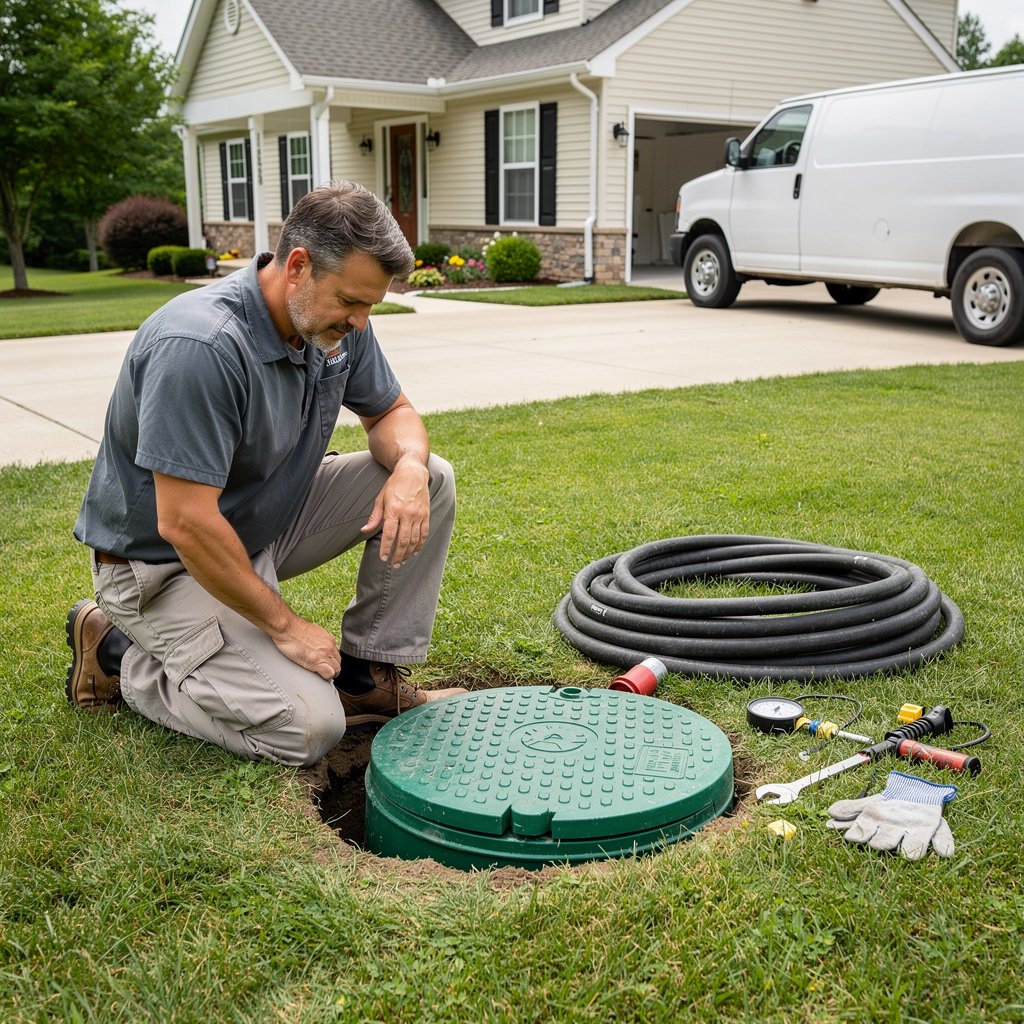
Septic tank pumping cost and signs you need service
What Is a Septic Tank and Why Does It Need Pumping?
Septic tanks serve homes not connected to municipal sewer systems, common in rural and suburban U.S. areas. These underground systems collect wastewater from your home, allowing solids to settle while liquids flow to a drain field for treatment.
Over time, solids build up as sludge and scum. Without regular pumping, this buildup clogs the tank or drain field, leading to backups, odors, and costly repairs. Pumping removes the accumulated waste, restoring system function.
Homeowners with septic systems typically handle pumping every 3 to 5 years, depending on household size and usage. Neglect can turn a routine service into an emergency with health hazards and property damage.
Signs Your Septic Tank Needs Immediate Pumping
Spotting problems early saves money and prevents sewage backups into your home. Watch for these common indicators.
Slow Drains in Multiple Fixtures
If drains in toilets, sinks, or showers slow down simultaneously, sludge may be blocking the tank outlet. A single slow drain might point to a clog, but multiple fixtures signal tank overload.
Test by running water in various areas. If backups occur after moderate use, schedule service promptly.
Gurgling Sounds from Drains or Toilets
Air trapped by full tanks causes gurgling when water flows. Listen after flushing or draining a sink. Persistent noises mean solids are displacing liquids.
Sewage Odors Around the Yard or Home
Foul smells near the tank, drain field, or inside the house indicate overflowing waste. Wet spots with a rotten egg odor are a red flag.
Lush, Green Grass Over the Drain Field
Excess moisture from a failing system nourishes grass unusually. During dry weather, bright green patches over the drain field suggest effluent surfacing.
Sewage Backup in the Home
Toilet overflow or wastewater in floor drains is an emergency. Shut off water to prevent flooding and call a professional immediately.
High Nitrate Levels in Well Water
If you have a private well, test annually through your county health department. Elevated nitrates can trace back to septic failure leaching contaminants.
| Sign | Possible Cause | Action to Take |
|---|---|---|
| Slow drains in tub, sinks, toilets | Sludge blocking outlet | Monitor usage; schedule pumping |
| Gurgling pipes | Air pockets from full tank | Check tank level if accessible |
| Yard odors or wet spots | Overflow to surface | Avoid area; call service |
| Pooling water or lush grass over drain field | Drain field saturation | Limit water use; inspect |
| Backup into home | Complete blockage | Emergency shutoff; pro help |
| Toilet flush hesitation | Solids buildup | Reduce flushing solids |
Document signs with photos, dates, and notes for contractors or insurers.
How Often Should You Pump Your Septic Tank?
Most U.S. septic experts recommend pumping every 3 to 5 years for a typical 1,000- to 1,500-gallon tank in a 3- to 4-bedroom home. Larger households or heavy water use shorten this to 1 to 3 years.
Factors like tank size, garbage disposal use, and system age influence frequency. Older concrete tanks may need more frequent service due to cracking.
Check your tank's sludge level during routine inspections. If sludge exceeds one-third of the tank depth, pump immediately regardless of schedule.
Keep maintenance records. Your local health department or extension service offers free guidelines tailored to your county.
Average Septic Tank Pumping Costs in the U.S.
Septic tank pumping costs vary widely by region, tank size, and access difficulty. For a standard residential tank, expect to pay between $300 and $500 for basic pumping in many areas.
In rural Midwest states, prices trend lower, while coastal regions like Florida or California often exceed $400 due to higher labor and disposal fees. Larger tanks (over 2,000 gallons) or commercial systems push costs toward $600 or more.
These figures cover pumping and hauling waste but exclude inspections or repairs. Always get local quotes, as prices fluctuate with fuel costs and regulations.
Key Factors Affecting Septic Tank Pumping Costs
Several variables drive the final bill. Understanding them helps you compare estimates fairly.
Tank Size and Type
Smaller 750-gallon tanks cost less to pump than 2,000-gallon ones. Plastic tanks empty faster than concrete, potentially lowering labor time.
Location and Accessibility
Tanks buried deep, under decks, or in sloped yards require digging or special equipment, adding $100 to $300. Remote rural sites increase travel fees.
Sludge Volume and Condition
Heavy buildup or grease means more pumping time. Tanks with excessive solids may need multiple loads, raising disposal costs.
Geographic Location
Labor rates differ: expect higher prices in high-cost states like New York or Hawaii. Local wastewater disposal fees, regulated by counties, vary from $50 to $150 per load.
Time of Service
Emergency calls after hours or weekends add 50% to 100% premiums. Off-peak scheduling saves money.
Additional Services
Many providers bundle inspections ($100 to $200 extra) or bacterial treatments. Repairs like baffle fixes start at $200.
| Cost Factor | Low-End Example | High-End Example | Why It Matters |
|---|---|---|---|
| Tank size | 1,000 gallons | 2,500 gallons | Larger volume = more labor/time |
| Access | Surface-level lid | Buried 6+ feet | Excavation equipment needed |
| Location | Urban Midwest | Coastal California | Labor rates, disposal fees |
| Urgency | Routine daytime | Weekend emergency | Premium charges apply |
| Extras | Pumping only | Inspection + jetting | Bundles increase total |
Request itemized quotes to spot these drivers.
How to Get Accurate Quotes for Septic Pumping
Contact 3 to 5 local providers for written estimates. Search "septic pumping [your city, state]" or check county health department lists.
Provide details upfront: tank size (from records or last service), location, household size, and signs observed. This yields precise bids.
Visit sites like Angi or HomeAdvisor for vetted pros, but verify licenses independently.
Questions to Ask Before Hiring a Septic Pumper
A good estimate answers these specifics:
- Is the quote all-in, including labor, disposal, trip charges, and taxes?
- What equipment will you use, and how do you access the tank?
- Are you licensed, bonded, and insured? (Required in most states.)
- Will you inspect the tank and drain field during service?
- What warranty covers your work?
- How do you dispose of waste (approved facilities only)?
- Can you provide references from recent local jobs?
Avoid verbal promises. Insist on a signed contract outlining scope, payment terms (no full upfront for non-emergencies), and cleanup.
Hiring a Qualified Septic Professional
Septic work demands licensed pumpers in most U.S. states. Check your state contractor board or health department for verification.
Look for membership in the National Onsite Wastewater Recycling Association (NOWRA). Insured pros protect you from liability during digs or accidents.
For complex issues like drain field failure, hire engineers certified by your state environmental agency.
Can You DIY Septic Tank Pumping?
DIY septic pumping is not recommended and often illegal without permits. It requires specialized vacuum trucks, hoses, and protective gear for biohazards.
Homeowners risk tank damage, incomplete emptying, or contamination. Improper disposal violates EPA regulations, with fines up to $10,000.
Focus DIY on prevention: avoid grease, flush sparingly. Leave pumping to pros.
Responsibilities for Renters vs. Homeowners
Homeowners own the system and bear full pumping costs. Budget annually or set reminders based on usage.
Renters review your lease: landlords typically handle septic maintenance for single-family rentals. Document issues with photos and notify in writing.
Contact your property manager immediately for signs. If unresponsive, check state tenant laws via HUD resources like hud.gov/topics/rental_assistance/tenantrights.
Condo or HOA members confirm if shared septic lines fall under association rules.
Is Septic Pumping Covered by Insurance or Warranties?
Homeowners insurance rarely covers routine pumping, classifying it as maintenance. Sudden backups from tree roots might qualify under "buried utility line" endorsements—file claims promptly with photos.
Home warranties (e.g., through American Home Shield) often include septic coverage for $75 to $150 service fees. Review your policy.
For financing major repairs, explore HUD's 203(k) rehab loans at hud.gov/program_offices/housing/sfh/203k.
When Septic Issues Become Emergencies
Backups into the home, standing sewage, or health symptoms demand immediate pro help. Conserve water: short showers, no laundry, low-flow fixes.
Temporary fixes like enzyme treatments buy time but don't replace pumping.
Maintenance Tips to Extend Time Between Pumps
Prevent buildup with habits:
- Limit water use: Install low-flow fixtures; space laundry loads.
- Avoid flushing solids: No wipes, feminine products, grease, or chemicals.
- Divert roof runoff: Keep gutters from drain field.
- Inspect baffles annually: Hire pros to check inlet/outlet.
- Plant wisely: Avoid trees near tank or lines.
- Use septic-safe products: Brightly colored cleaners harm bacteria.
Annual inspections cost $200 to $400 but catch issues early.
Track usage: A family of four might pump yearly with garbage disposals; childless couples stretch to 5 years.
Documenting Your Septic Service for Future Reference
Save invoices detailing date, volume pumped, sludge levels, and recommendations. Photos of tank condition aid next hires.
These records support insurance claims, home sales (disclose maintenance), or resale value.
Comparing Pumping to Full System Replacement Costs
Pumping delays replacement, which runs $10,000 to $30,000 for new tanks and fields. Early service preserves your investment.
Signs like consistent failures post-pump signal bigger problems—get a system evaluation.
Regional Variations and Local Regulations
Coastal states enforce stricter disposal rules, hiking fees. Arid Southwest areas prioritize water conservation in designs.
Contact your county environmental health office for approved pumpers and schedules. Some require manifests proving proper waste handling.
Long-Term Savings Strategies
Join service contracts for discounted annual pumping. Bundle with inspections.
Upgrade to high-efficiency appliances reducing wastewater volume.
For older systems, soil tests predict lifespan—proactive percolation tests cost $300 to $500.
Choosing Eco-Friendly Septic Services
Seek pumpers using recycled water trucks or partnering with anaerobic digesters. This minimizes environmental impact.
Verify they follow state DEQ guidelines for septage land application.
By addressing signs promptly and maintaining diligently, you control costs and protect your property. Local pros provide the best path forward tailored to your setup.

About the TDL Expert Panel
TDL Expert Panel · TheDigitalLife Editorial Team
TDL Expert Panel is the editorial team behind TheDigitalLife. The team researches, reviews, and creates practical guides to help everyday readers make better decisions about home repair costs, refunds, AI tools, digital safety, productivity, and useful online resources. Each guide is written to be clear, useful, and easy to understand.