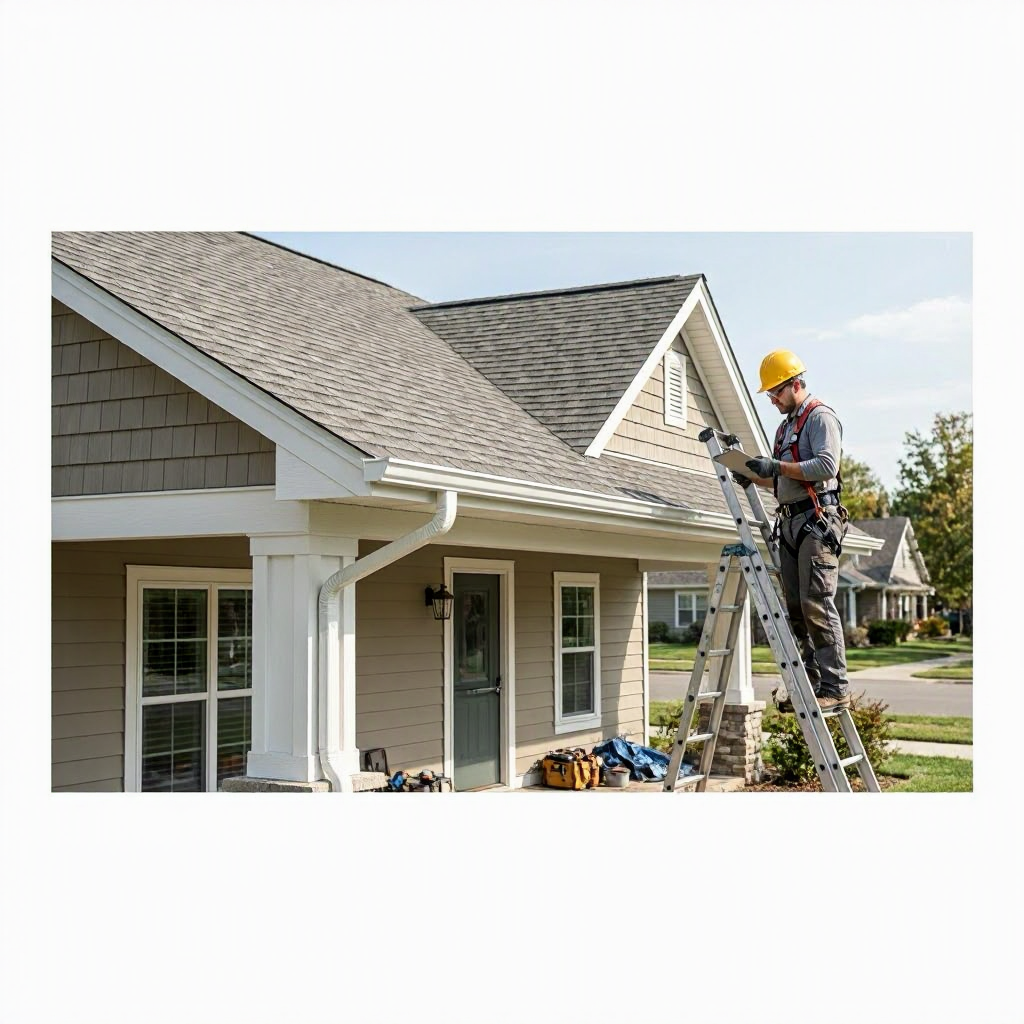
Roof Replacement Cost by Material
Replacing your roof is a major investment in your home. You want to choose the right material, find a trustworthy contractor, and understand the costs without feeling overwhelmed. This guide breaks down the national price ranges for common roofing materials, explains the key factors that drive the final price, and provides a clear action plan.
It walks you through the steps of hiring a professional, from getting quotes to checking licenses. You’ll also learn how to handle warranty claims, what to do if you suspect storm damage, and the critical red flags to avoid. Our goal is to give you the practical information you need to plan and execute your roof replacement with confidence.
Replacing your roof costs between $5,892 and $13,273+ nationally, with premium materials costing more. The final price depends on your roof’s size and slope, the material chosen, local labor rates, and whether hidden damage is found. The safest first step is to get at least three written quotes from licensed roofing contractors and verify their license with your state before hiring anyone.
A summary of typical costs and contacts
- A summary of typical costs and contacts.
- A detailed breakdown of costs, price drivers, and material types.
- How to decide between DIY and hiring a professional.
- Who to contact first based on your situation.
- Official manufacturer and retailer contact information.
- Steps for making a warranty or insurance claim.
- State-specific checks you must do before hiring.
- Questions to ask and warning signs to avoid.
- Step-by-step guidance for the entire process.
- Answers to frequently asked questions.
| Item | Detail |
|---|---|
| Typical Cost Range | $5,892–$13,273+ nationally |
| Best First Contact | Licensed roofing contractor |
| Main Safety Warning | Call 911 for electrical danger, fire, or active structural collapse. |
| Warranty Proof Needed | Photos, invoices, installation date, contractor name, warranty registration. |
| When to Call a Pro | For leaks, flashing, vents, tile/slate, structural issues, or any work with a fall risk. |
Who to call first: A licensed roofer for an inspection
- Who to call first: A licensed roofer for an inspection or your insurance carrier for storm damage.
- What it will cost: The national range is $5,892–$13,273+, heavily influenced by material, roof size, and labor.
- Proof for warranty: Keep photos of the damage, your invoice, the installation date, and the contractor's information.
- State office to check: Your state's contractor licensing board (e.g., CSLB for California, DBPR for Florida).
- Warning signs: A roofer who pressures you to sign after a storm or asks you to skip permits.
- Avoid DIY: For anything beyond minor maintenance, due to safety risks and potential to void warranties.
| Item | Detail |
|---|---|
| Main Customer Question | Roof replacement cost by material and how to hire safely. |
| Best First Contact | Licensed/registered roofing contractor. |
| Estimated Cost Range | $5,892–$13,273+ national average. |
| Emergency Contact | 911 for fire, structural danger, or unsafe storm damage. |
| Official Brand Contacts | GAF, Owens Corning (1-800-ROOFING), CertainTeed (800-345-1145). |
| Retailer Contacts | Home Depot: 1-800-466-3337; Lowe’s: 1-800-445-6937. |
| Warranty Documents | Photos, invoice, model/brand, contractor diagnosis, warranty docs. |
| State Agency to Check | Local building department and state license board (links provided). |
| Important URL | Local building department website for permit rules. |
The national average cost to replace a roof falls between $5,892 and $13,273+. This is a practical planning estimate, not a fixed quote. Premium materials like slate or high-end metal can push the final price much higher. The final bill is shaped by several key factors.
Major price drivers include the roofing material itself, the size and pitch of your roof, and local labor rates. Other significant costs come from tearing off old layers, repairing or replacing the roof decking, upgrading ventilation, and obtaining necessary permits. Emergency timing and difficult access to your roof will also increase the cost.
Average Cost: The national planning range for a full roof replacement is $5,892–$13,273+.
Here is a brief overview of common material costs per square foot, which helps explain the wide overall range:
- Asphalt Shingles: Often the lowest-cost common residential option.
- Metal Roofing: Higher upfront cost but offers a longer life and requires more specialized labor.
- Tile / Clay / Concrete: Higher material cost and may require structural review of your home.
- Slate: A premium material that often requires a structural review.
- Flat Roof Membranes: Can range from $4–$35 per sq ft depending on the system and access.
When reviewing quotes, a very low bid can be a red flag. It may be missing costs for permits, disposal, necessary code upgrades, warranty registration, or an allowance for hidden damage. Conversely, a high quote can be reasonable if your home has difficult access, requires emergency service, uses premium materials, or has older systems that need extra work.
Always ask the contractor what is included and what is excluded. Most importantly, ask what will happen if hidden damage is found after the work begins. A legitimate quote should specify the material brand, underlayment, flashing details, vents, tear-off, disposal, decking repair allowance, permits, and warranty terms.
For most homeowners, roof replacement is not a DIY project. The work involves significant fall risk, specialized tools, and knowledge of building codes. Incorrect installation can lead to leaks, structural damage, and will almost certainly void any manufacturer's warranty on the materials.
Small maintenance tasks, like cleaning gutters or replacing a few damaged shingles in an easily accessible area, might be within a skilled homeowner's ability. However, any work involving leaks, flashing, vents, or materials like tile or slate should be handled by a qualified professional.
Call a Pro If: You are dealing with leaks, flashing, vents, tile/slate work, structural issues, or any task with a serious fall risk.
Hiring a licensed professional ensures the job is done correctly and safely. It also preserves your manufacturer product warranties and should come with a contractor workmanship warranty. The peace of mind and long-term protection for your home investment make hiring a pro the clear choice for a full replacement.
Your first contact depends entirely on your specific situation. Matching the problem to the right resource saves time and gets you on the correct path for repair or reimbursement.
- Emergency Services (911): Contact for immediate threats like electrical danger, fire, active structural collapse, or unsafe storm damage.
- Homeowners Insurance Carrier: Call if the damage is from a covered peril like a storm, hail, tree impact, or sudden leak. Use your policy’s claim phone number or app.
- Licensed Roofing Contractor: This is your go-to for a general inspection, repair, replacement, or issues with leaks, flashing, vents, or fascia/soffit. Always verify their state or local license.
- Manufacturer (GAF, Owens Corning, CertainTeed): Contact for product defect claims on their specific roofing materials.
Having the right contact information on hand is crucial for support, warranty claims, or reporting issues.
Manufacturer Support:
- GAF Warranty Claims: Online claim center at gaf.com
- Owens Corning Roofing: Call 1-800-ROOFING (1-800-766-3464) or visit owenscorning.com
- CertainTeed Roofing: Call 800-345-1145 or visit certainteed.com
Retailer Support:
- Home Depot: Call 1-800-HOME-DEPOT (1-800-466-3337) or visit corporate.homedepot.com
- Lowe’s: Call 1-800-44LOWES (1-800-445-6937) or visit corporate.lowes.com
Following the correct steps protects your right to a warranty claim or insurance reimbursement.
- Document Everything: Before any permanent repair, photograph the roof, attic, ceilings, damaged materials, and any water entry points. Note the date and time of any storm.
- Contact the Right Party:
- - For storm/hail/tree impact, call your homeowners insurance carrier first. Ask if an adjuster must inspect before permanent work begins.
- - For product defects, contact the manufacturer (GAF, Owens Corning, CertainTeed, etc.). Have the installation date, contractor name, photos, invoices, and warranty registration ready.
- - For workmanship problems, contact the installing roofer in writing and request a warranty response. Keep copies of all communication.
- Involve Authorities if Needed: For permit violations or unsafe work, contact your local building department and state contractor board. Do not rely on verbal promises.
Warranty Documents Needed: Have photos, your invoice, model/brand info, contractor diagnosis, and your warranty documents ready.
State-Specific or Local Checks
State and local rules vary significantly. Before work starts, verify requirements with your local building department and your state's licensing authority. Use this checklist to begin your verification.
- All U.S. States: Ask your local building department if a roof permit, final inspection, ventilation requirement, or historic-district rule applies.
- California: Check the contractor's license with the CSLB at cslb.ca.gov
- Florida: Verify roofing contractor status using the DBPR at myfloridalicense.com (High scam risk in storm markets).
- Texas: Texas does not have a single statewide roofing license; check city/county permit rules, insurance, and local registration carefully at tdlr.texas.gov
- Illinois: Verify license type through the IDFPR at idfpr.illinois.gov
- New Jersey: Check home improvement contractor registration with NJ Consumer Affairs: njconsumeraffairs.gov
- New York / NYC: Check local contractor and permit rules. In NYC, use Department of Buildings (DOB) resources.
- Washington: Verify registration and bonding through WA L&I at secure.lni.wa.gov
- Arizona: Check the Arizona Registrar of Contractors before hiring: roc.az.gov
Asking the right questions separates thorough professionals from unreliable contractors.
- Ask for proof of license/registration, insurance certificate, and workers’ compensation.
- Ask if the quote includes tear-off, underlayment, flashing, drip edge, ventilation, disposal, permits, and final cleanup.
- Ask for before-and-after photos of damaged areas, especially for leaks, decking, and flashing.
- Ask for the specific material brand and warranty paperwork details.
- Ask what happens if hidden damage is discovered after work starts.
Be alert for these warning signs that may indicate an unreliable or dishonest contractor.
- A roofer appears unsolicited after a storm and pressures you to sign immediately or hand over an insurance check.
- The written quote is vague and does not name specific materials, square footage, warranty terms, or the scope of ventilation and flashing work.
- The contractor asks you to skip permits, avoid communicating with your insurance, or hide existing damage from an adjuster.
Do Not Ignore: A contractor who asks you to skip permits or hide damage from your insurance adjuster.
Practical Step-by-Step Guidance
Follow this action plan to navigate your roof replacement smoothly and safely.
- Assess & Mitigate: For active leaks, arrange temporary mitigation like tarping. Document all damage with photos.
- Contact Insurance (if applicable): If storm damage is suspected, call your insurance carrier before authorizing permanent repairs.
- Research Contractors: Find licensed roofers in your area. Verify their license with your state board.
- Get Written Quotes: Obtain at least three written quotes that specify the same materials, scope, and warranty terms for a fair comparison.
- Verify & Check Permits: Confirm the contractor’s license and insurance. Check with your local building department on permit requirements.
- Sign a Detailed Contract: Ensure the contract includes all line items: labor, materials, permits, disposal, and warranty terms.
- Monitor the Work: Request photo updates, especially of hidden damage like decking repairs.
- Final Inspection: Ensure the contractor obtains a final inspection from the local building department if required. Do a final walkthrough.
- Make Final Payment: Only make the final payment after the work is completed to your satisfaction and all inspections are passed.
- Register Your Warranty: Submit any required paperwork to the manufacturer to activate your product warranty.
Frequently Asked Questions
Should I get more than one quote? Yes. For non-emergency work, get at least two or three written quotes with the same scope, materials, permit assumptions, and warranty terms for a valid comparison.
Should I pay the full amount upfront? No. A reasonable deposit may be normal, but paying the full amount before work starts is risky. Check your state’s deposit rules and use a traceable payment method.
Can I use my home warranty? Maybe. Home warranty coverage depends on the specific contract, your maintenance history, and policy exclusions. Call your warranty company before authorizing non-emergency work if you expect reimbursement.
Should I call insurance before a roofer? For storm, hail, wind, tree impact, or sudden leak damage, call your insurance carrier before permanent repairs when possible. Emergency mitigation like tarping may still be needed immediately.
Do roofing warranties cover labor? Sometimes, but not always. Manufacturer product warranties, enhanced system warranties, and contractor workmanship warranties are different documents. Clarify what each covers.
Can I repair a roof myself? Small homeowner maintenance can be possible, but roof work has a high fall risk and can void warranties. Leaks, flashing, vents, tile/slate, and structural repairs should be handled by qualified professionals.
This article was compiled using information from the following sources for cost estimates and official contact verification:
- Angi roof repair cost guide
- HomeAdvisor roof replacement cost guide
- GAF, Owens Corning, and CertainTeed official warranty and claim pages
- Official state licensing board websites for California, Florida, Illinois, New Jersey, Texas, Washington, and Arizona
- Home Depot and Lowe’s corporate contact pages
Please note: Local building codes, permit requirements, warranty terms, and contact information can change. Always re-check with your local building department, state licensing board, and the official brand or retailer websites for the most current information before starting any project or making a claim.
This guide provides informational estimates and steps to help you plan. Roof replacement is a significant project with safety, financial, and legal considerations. Always verify critical details with licensed professionals, official brand support, your insurance carrier, state licensing boards, and your local building department before signing contracts or authorizing work.

About the TDL Expert Panel
TDL Expert Panel · TheDigitalLife Editorial Team
TDL Expert Panel is the editorial team behind TheDigitalLife. The team researches, reviews, and creates practical guides to help everyday readers make better decisions about home repair costs, refunds, AI tools, digital safety, productivity, and useful online resources. Each guide is written to be clear, useful, and easy to understand.