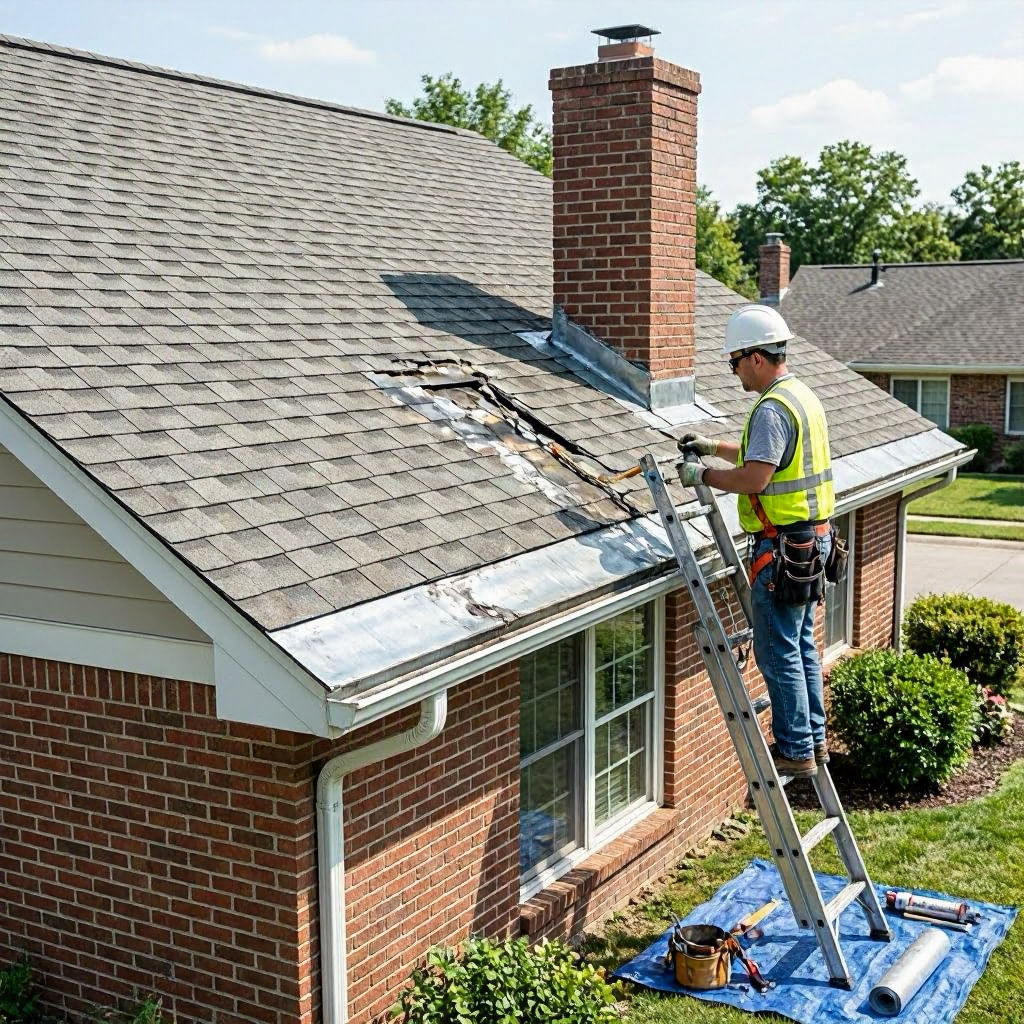
Roof Flashing Repair Cost
Roof flashing is a crucial line of defense for your home, but when it fails, you need clear answers, not technical jargon. This article is designed to help you understand the costs involved, who to call for help, and how to navigate the repair process with confidence. We'll break down price estimates, provide official contact information, and outline the essential steps to protect your investment and avoid common pitfalls.
The cost to repair roof flashing typically ranges from $300 to $1,500 for many standard repairs, with more complex jobs like chimney or valley flashing costing more. The final price depends heavily on labor rates, material grade, and the difficulty of accessing your roof. Your first and safest call should be to a licensed roofing contractor experienced with flashing details.
Additional reference details:
- Item: Typical Cost , Detail: $300–$1,500; complex repairs can be more
- Item: Best First Contact , Detail: Licensed roofing contractor
- Item: Main Safety Warning , Detail: Call 911 for fire, structural danger, or active electrical hazard
- Item: Warranty Proof Needed , Detail: Photos, invoices, warranty docs, installation date
- Item: Call a Licensed Pro For , Detail: Active leaks, flashing, vent, or structural repairs
Who to Call First: A licensed roofing contractor is yo
- Who to Call First: A licensed roofing contractor is your primary contact for inspection and repair.
- What Will It Cost: Expect a broad range from $300 to over $3,000, depending on the type and location of flashing.
- Proof for Warranty: Keep photos, invoices, contractor details, and the original warranty registration.
- State/Local Office: Always verify a contractor’s license with your state agency and check permit requirements with your local building department.
- Warning Signs: Be wary of roofers who appear after a storm, pressure you to sign, or ask you to skip permits.
- Avoid DIY For: Any flashing repair involving leaks, complex intersections (chimneys, valleys), or steep roofs due to safety and warranty risks.
| Main Question | Helpful Detail |
|---|---|
| Best First Contact | Licensed/Registered Roofing Contractor |
| Estimated Cost Range | $300–$1,500 for many repairs |
| Labor Charges | Detail-heavy work; part of overall quoted price |
| Emergency Contact | 911 for fire, structural danger, or electrical hazard |
| Official Brand Contacts | GAF, Owens Corning, CertainTeed for product warranty claims |
| Retailer Contacts | Home Depot: 1-800-466-3337; Lowe's: 1-800-445-6937 |
| Warranty Documents | Photos, invoice, model/brand, contractor diagnosis, warranty docs |
| State Agency to Check | Varies by state; examples: CA CSLB, FL DBPR, IL IDFPR |
| Safety Warning | Roof work has a high fall risk; leave complex repairs to qualified pros. |
Roof flashing repair costs are not one-size-fits-all. While the national planning range is $300 to $1,500, the final price is influenced by local labor rates, emergency timing, material quality, and access difficulty. Complex repairs or extensive hidden damage can significantly increase the total.
Use the following table as a reference when reviewing written quotes. A legitimate quote should separate costs for labor, materials, permits, disposal, and any emergency fees.
Additional reference details:
- Line Item: Pipe/Vent Flashing , Typical Planning Range / Note: $150–$600
- Line Item: Step Flashing at Wall , Typical Planning Range / Note: $500–$2,000+
- Line Item: Valley Flashing , Typical Planning Range / Note: $700–$2,500+
- Line Item: Chimney Flashing , Typical Planning Range / Note: $800–$3,000+
- Line Item: Decking/Interior Water Repair , Typical Planning Range / Note: $500–$5,000+ (often separate)
Price Variation: A very low quote may be missing critical items like permits, disposal, or allowances for hidden damage. A high quote may be justified for difficult access, premium materials, or emergency service.
Always ask the contractor what is included, what is excluded, and what the process will be if hidden damage is found after work begins. Flashing failures are a major cause of leaks, and proper installation is key-caulk-only fixes often fail over time.
For most homeowners, flashing repair is a job for professionals. The work is detail-heavy around roof penetrations, walls, and chimneys, and mistakes can lead to serious leaks. Roof work also carries a significant fall risk.
Small maintenance tasks might be within a skilled homeowner's ability, but any repair involving active leaks, complex step or counter flashing, vents, or tile/slate should be handled by a qualified pro. Attempting a DIY repair can also void existing manufacturer or workmanship warranties.
Call a Pro If: You see interior staining after rain, the flashing is loose or rusted, or you are unsure of the repair scope. The safety and warranty risks of DIY are often too high.
Your first contact depends on the situation. For most flashing inspections and repairs, a licensed roofing contractor is the correct professional.
- For emergency situations involving electrical danger, fire, active structural collapse, or unsafe storm damage, call 911 immediately.
- For damage from a storm, hail, tree impact, or sudden leak, your first call should be to your homeowners insurance carrier using the claim phone number or app from your policy. Ask if an adjuster must inspect before permanent repairs begin.
- For suspected product defects, contact the roofing manufacturer (e.g., GAF, Owens Corning, CertainTeed).
- For workmanship issues, contact the original installing roofer in writing to initiate a warranty claim.
Having the right contact information can save time when you need support.
Roofing Manufacturer Warranty Claims:
- GAF: Online claim center at
https://www.gaf.com/en-us/resources/warranties/claims - Owens Corning Roofing: Call 1-800-ROOFING (1-800-766-3464) or visit
https://www.owenscorning.com/en-us/roofing/warranty/submit-claim - CertainTeed Roofing: Call 800-345-1145 or visit
https://www.certainteed.com/residential-and-commercial-roofing-warranty-claims
Retailer Support for Materials/Installation:
- Home Depot: 1-800-HOME-DEPOT (1-800-466-3337) | Website:
https://corporate.homedepot.com/page/contact-us - Lowe’s: 1-800-44LOWES (1-800-445-6937) | Website:
https://corporate.lowes.com/contact-us
Following the correct steps is crucial for a successful warranty or insurance claim.
- Document Everything. Before any permanent repair, take clear photos of the roof, attic, ceilings, damaged materials, and any water entry points. Note the date and time of any storm.
- Contact the Correct Party.
- - For Storm/Insurance Claims: Call your insurance carrier first. Do not begin permanent repairs until you know their inspection requirements. Keep all receipts for emergency mitigation like tarping.
- - For Product Defects: Contact the manufacturer (GAF, Owens Corning, CertainTeed, etc.). Have your installation date, contractor name, photos, invoices, and warranty registration ready.
- - For Workmanship Problems: Contact the installing roofer in writing, requesting a warranty response. Keep copies of all communication.
- Escalate if Needed. If you encounter permit violations or unsafe work, contact your local building department and state contractor licensing board. Do not rely on verbal promises.
Warranty Documents Needed: Photos, original invoice, product model/brand, contractor’s diagnosis, warranty documents, and your insurance claim number (if applicable).
State-Specific or Local Checks
Rules vary by location. Before hiring anyone, verify their license and check local permit requirements. Use this checklist as a starting point, then confirm with your local authorities.
| State / Area | What to Do Before Work Starts | Where to Check |
|---|---|---|
| All U.S. States | Ask your local building department if a roof permit or inspection is required. | Local Building Department |
| California | Check the contractor's CSLB license. | https://www.cslb.ca.gov/onlineservices/checklicenseII/ |
| Florida | Verify roofing contractor status via DBPR. High scam risk after storms. | https://www.myfloridalicense.com/wl11.asp |
| Texas | Check city/county permit rules, insurance, and local registration. | https://www.tdlr.texas.gov/verify.htm |
| Illinois | Verify license type through IDFPR. | https://idfpr.illinois.gov/profs/roof.html |
| New Jersey | Check Home Improvement Contractor registration. | https://www.njconsumeraffairs.gov/hec/Pages/verification.aspx |
| New York / NYC | Check local contractor and permit rules. | https://www.nyc.gov/site/buildings/ |
| Washington | Verify registration & insurance via WA L&I. | https://secure.lni.wa.gov/verify/ |
| Arizona | Check the Arizona Registrar of Contractors. | https://roc.az.gov/ |
A trustworthy contractor will answer these questions clearly. Get all answers in writing before signing a contract.
- Can you provide proof of your license/registration, insurance certificate, and workers’ compensation coverage?
- Does the quote include tear-off (if needed), underlayment, flashing, drip edge, ventilation, disposal, permits, and final cleanup?
- Will you specify the material brand, square footage, and warranty terms in the contract?
- Can you provide before-and-after photos of the damaged areas, especially for leaks and flashing?
- What is your process if hidden damage (like rotted decking) is found after work starts?
- Is a deposit required, and what is the payment schedule? Never pay the full amount upfront.
Be alert for these warning signs when speaking with potential contractors.
- A roofer appears unsolicited after a storm and pressures you to sign immediately or hand over an insurance check.
- The written quote is vague and does not name specific materials, warranty details, or the scope of flashing work.
- The contractor asks you to skip permits, avoid talking to your insurance company, or hide existing damage from an adjuster.
Practical Step-by-Step Guidance
Follow these steps to manage your roof flashing repair confidently and safely.
- Assess Urgency: If you have an active leak, prioritize calling a pro for emergency mitigation (like tarping) to prevent interior damage. For non-emergencies, take time to research.
- Get Multiple Quotes: For non-emergency work, obtain at least two or three written quotes that specify the same scope, materials, and warranty terms for a fair comparison.
- Verify Credentials: Use your state's online license lookup (see table above) and check references. Confirm the contractor will pull any required local permits.
- Review Contract Thoroughly: Ensure the contract includes material brands, a detailed scope of work for flashing, warranty paperwork, and a clear payment schedule.
- Document the Process: Take photos before, during, and after the repair. Keep all invoices, permits, and warranty documents in a safe place.
Do Not Ignore: Always contact your insurance carrier before permanent repairs for storm-related damage. Emergency tarping to prevent further damage is usually acceptable and should be documented.
Frequently Asked Questions
Should I get more than one quote? Yes. For non-emergency work, get at least two or three written quotes with the same scope, materials, permit assumptions, and warranty terms to ensure a fair price and scope.
Should I pay the full amount upfront? No. A reasonable deposit may be normal, but paying in full before work starts is risky. Check your state’s deposit rules and use a traceable payment method like a credit card or check.
Can I use my home warranty? Maybe. Coverage depends entirely on your specific contract, maintenance history, and exclusions. Call your home warranty company before authorizing any non-emergency work if you hope for reimbursement.
Should I call insurance before a roofer? For storm, hail, wind, tree impact, or sudden leak damage, call your insurance carrier before permanent repairs when possible. You may still need emergency mitigation like tarping to prevent further damage.
Do roofing warranties cover labor? Sometimes, but not always. Manufacturer product warranties, enhanced system warranties, and contractor workmanship warranties are different. Read your documents carefully or ask the contractor to explain coverage.
Can I repair a roof myself? Small maintenance can be possible for experienced homeowners, but roof work has a high fall risk and can void warranties. Repairs for leaks, flashing, vents, or structural issues should be handled by qualified professionals.
This article was built using information from the following sources for verification:
- Angi Roof Repair Cost:
https://www.angi.com/articles/how-much-do-roof-repairs-cost.htm - HomeAdvisor Roof Replacement Cost:
https://www.homeadvisor.com/cost/roofing/install-a-roof/ - GAF Warranty Claims:
https://www.gaf.com/en-us/resources/warranties/claims - Owens Corning Warranty Claims:
https://www.owenscorning.com/en-us/roofing/warranty/submit-claim - CertainTeed Roofing Claims:
https://www.certainteed.com/residential-and-commercial-roofing-warranty-claims - State licensing board websites as listed in the State Checks table.
This guide provides practical information to help you plan and execute a roof flashing repair. Always verify current prices, warranty terms, permit rules, and official contact information with licensed professionals, official brand support, and your local building department before proceeding. Rules and contacts can change, and your specific situation may require tailored advice.

About the TDL Expert Panel
TDL Expert Panel · TheDigitalLife Editorial Team
TDL Expert Panel is the editorial team behind TheDigitalLife. The team researches, reviews, and creates practical guides to help everyday readers make better decisions about home repair costs, refunds, AI tools, digital safety, productivity, and useful online resources. Each guide is written to be clear, useful, and easy to understand.