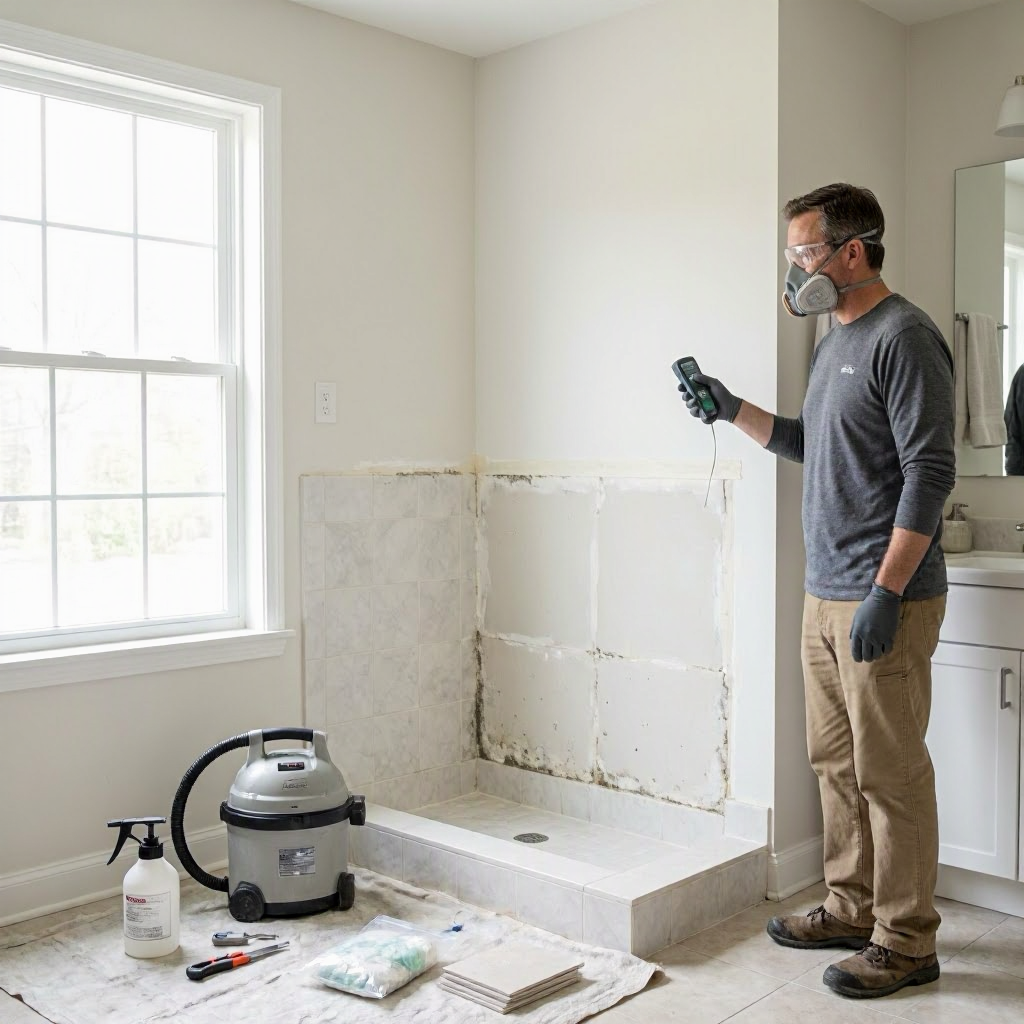
Mold remediation cost in a basement or bathroom
Understanding Mold in Basements and Bathrooms
Mold thrives in damp, humid areas like basements and bathrooms, where poor ventilation, leaks, or flooding create ideal conditions. In the United States, these spaces often suffer from high moisture levels due to groundwater seepage in basements or steam buildup in bathrooms. Homeowners and renters dealing with visible mold growth, musty odors, or water stains face not just aesthetic issues but potential health and structural concerns.
Remediation involves identifying the source, containing the mold, removing it safely, drying the area, and repairing damage. Costs vary widely based on the infestation's size, location accessibility, underlying water issues, and whether testing or specialized equipment is needed. Before tackling the problem, document everything with photos and notes, as this helps with insurance claims, landlord discussions, or contractor quotes.
Common Causes of Mold Growth
Basements and bathrooms share moisture problems but differ in sources.
Basement-Specific Causes
Basements are prone to mold from: - Groundwater intrusion through foundation cracks or poor drainage. - High humidity from unventilated spaces or sump pump failures. - Flooding from heavy rains, burst pipes, or sewer backups.
In older US homes, especially in regions like the Midwest or Northeast with clay soils and high water tables, basements often lack proper vapor barriers.
Bathroom-Specific Causes
Bathrooms develop mold due to: - Condensation from hot showers without exhaust fans. - Leaking faucets, showerheads, or toilet seals. - Poorly sealed tiles or grout absorbing water.
Apartments and condos may see mold in shared walls or plumbing stacks, complicating responsibility.
Addressing the root cause, like fixing a leak, is essential before remediation, or mold returns quickly.
Recognizing Mold Signs and Severity
Early detection prevents escalation. Look for:
- Black, green, white, or fuzzy spots on walls, ceilings, or floors.
- Musty or earthy smells, even without visible growth.
- Warping drywall, peeling paint, or buckling floors.
- Health symptoms like coughing, sneezing, or eye irritation in affected areas.
Severity levels:
- Minor: Under 10 square feet, surface-level on non-porous surfaces.
- Moderate: 10-100 square feet, involving drywall or insulation.
- Extensive: Over 100 square feet, structural damage, or HVAC spread.
In basements, mold often hides behind paneling or in carpet padding. Bathrooms may show it under sinks or in shower grout. Test kits from hardware stores offer clues but aren't definitive; professionals use air sampling or swab tests for accuracy.
Health and Safety Risks
Mold exposure can trigger allergies, asthma, or respiratory issues, especially for children, elderly, or immunocompromised individuals. Stachybotrys chartarum (black mold) produces mycotoxins linked to serious health effects, though not all molds are toxic.
Disturbing mold without containment releases spores into the air. In basements, this affects living spaces above; in bathrooms, it spreads via ventilation. The EPA recommends professional handling for areas over 10 square feet to avoid cross-contamination.
Renters experiencing health symptoms should notify landlords immediately, as state laws like those in California or New York require prompt response to mold hazards.
When DIY Mold Cleaning Makes Sense
For small, surface-level mold on non-porous surfaces like tile or glass, DIY can work safely.
Safe DIY Steps
- Fix the moisture source first (e.g., caulk a leak).
- Ventilate the area with fans and open windows.
- Wear gloves, N95 mask, goggles, and disposable clothing.
- Scrub with detergent and water or a bleach solution (1 cup bleach per gallon water).
- Dry thoroughly with fans or dehumidifiers.
- Discard porous items like old grout or small carpets.
DIY cost drivers: $20-100 for supplies like cleaners, masks, and fans. Limit to under 10 square feet; anything larger risks incomplete removal.
Never DIY if:
- Mold covers over 10 square feet.
- It's in HVAC systems.
- Black mold is suspected.
- Structural materials like wood studs are involved.
Why Professional Remediation Is Often Necessary
Most basement and bathroom mold requires pros due to hidden growth, health risks, and code compliance. Certified remediators follow IICRC S520 standards, using HEPA vacuums, antimicrobial treatments, and negative air machines.
Professional Process Overview
- Inspection and testing: Moisture meters, air samples, moisture mapping.
- Containment: Plastic sheeting and air scrubbers to isolate spores.
- Removal: HEPA vacuuming, wire brushing, soda blasting for tough spots.
- Cleaning and disinfection: EPA-registered antimicrobials.
- Drying: Industrial dehumidifiers and air movers.
- Restoration: New drywall, paint, or flooring.
Basements demand more due to access issues; bathrooms may need plumbing fixes first.
Key Factors Influencing Remediation Costs
Costs depend on multiple variables. Here's a breakdown:
| Factor | Description | Impact on Cost |
|---|---|---|
| Infestation Size | Square footage affected (e.g., 50 sq ft vs 500 sq ft) | Small: lower; large: 5-10x higher |
| Location Accessibility | Basement crawlspaces or behind bathroom vanities | Hard access adds 20-50% for labor |
| Mold Type and Testing | Visual ID vs lab testing for toxics | Testing adds $300-1,000 |
| Moisture Damage Extent | Drywall removal, insulation replacement | Porous materials double material costs |
| Underlying Repairs | Foundation sealing, plumbing fixes | Can exceed remediation by 50%+ |
| Home Age and Materials | Older homes with lead paint or asbestos | Adds abatement costs |
| Urgency and Location | Emergency in humid states like Florida vs dry Southwest | Higher in peak seasons |
Labor typically runs higher in urban areas like New York or San Francisco due to demand. Material costs rise with premium antimicrobials or moisture barriers.
Typical Cost Ranges for Mold Remediation
Nationwide averages vary greatly by the factors above, local labor rates, and competition. Expect:
- Minor DIY-eligible jobs: $500-2,000 (under 10 sq ft).
- Moderate professional remediation: $2,000-6,000 (10-100 sq ft).
- Extensive basement projects: $6,000-30,000+ (over 100 sq ft, structural work).
- Bathroom-specific: $1,500-5,000, often lower due to smaller spaces.
Per square foot, remediation averages $10-30 for basic removal, up to $50+ with restoration. Basements skew higher (add 20-30%) from excavation or encapsulation. These are broad estimates; always get 3-5 local written quotes after inspection.
Additional fees:
- Diagnostic testing: $300-800.
- Containment/setup: $500-2,000.
- Disposal: $200-500 for debris.
- Post-remediation verification: $400-800.
Basement vs Bathroom Remediation Differences
Basements
Often costlier due to: - Poor lighting and access, requiring scaffolding. - High humidity needing dehumidifier installs ($1,000-3,000). - Potential sump pump or French drain additions ($2,000-10,000).
Encapsulation (sealing walls with vapor barriers) prevents recurrence but adds $3,000-15,000.
Bathrooms
Typically cheaper but tricky: - Tile demo and regrouting: $500-2,000. - Exhaust fan upgrades: $300-800. - Vanity or shower pan replacement: $1,000-4,000.
In multi-unit buildings, check HOA or landlord rules for shared walls.
Insurance, Warranties, and Coverage Options
Homeowners insurance may cover sudden mold from a covered peril like a burst pipe, but excludes gradual leaks or flooding (unless flood policy). Deductibles apply, often $1,000-5,000. Document moisture source clearly.
Home warranties sometimes cover mold from plumbing failures, but verify your contract.
Renters: Contact landlord first—most leases require them to handle mold. States like Texas mandate remediation if health-impacting.
No federal mold insurance mandate; check policy details with your agent.
Steps to Get Accurate Quotes
Don't approve work without comparison.
Before Calling Contractors
- Measure affected area.
- Note moisture source and damage.
- Take timestamped photos/videos.
- Check for permits (required in many cities for drywall removal).
Questions to Ask
- Are you certified (e.g., IICRC, NORMI)?
- What's included: testing, containment, removal, drying, repairs?
- Licensed, bonded, insured? (Verify via state board.)
- Warranty on work? (Typically 1-5 years.)
- Payment terms? (Avoid full upfront.)
- Subcontractors used?
Get detailed written estimates breaking out labor, materials, testing. Compare line-by-line.
Sample Estimate Checklist
- Labor hours and rate.
- Materials list with quantities.
- Disposal and cleanup fees.
- Timeline.
- Contingencies for hidden damage.
Aim for 3 quotes from local pros via Angi, HomeAdvisor, or referrals.
Avoiding Overcharges and Scams
Watch for:
- High-pressure sales for whole-house treatment.
- Vague estimates without breakdowns.
- Unnecessary testing on every job.
- Markup on basic supplies.
Verify licenses via your state's contractor board (e.g., CSLB in California). Post-job, get clearance testing.
Prevention Strategies to Cut Future Costs
Proactive steps save thousands:
- Basements: Install dehumidifiers (set to 50% RH), grade soil away from foundation, seal cracks.
- Bathrooms: Run exhaust fans 20+ minutes post-shower, fix leaks promptly, use mold-resistant paint.
- Whole-home: Gutters cleaned twice yearly, vapor barriers in new construction.
Annual inspections catch issues early.
| Maintenance Task | Frequency | Estimated Annual Cost |
|---|---|---|
| Dehumidifier filter change | Monthly | $50-100 |
| Gutter cleaning | 2x/year | $150-400 |
| Bathroom fan cleaning | Quarterly | $20-50 |
| Foundation crack sealing | As needed | $200-500 |
For Renters: Landlord Responsibilities
Review your lease—landlords handle structural mold. Send written notice with photos: "Observed mold in [location] due to [leak]. Request inspection/remediation per [state habitability law]."
If unresponsive, contact local housing authority.
Condo and HOA Considerations
Shared walls or roofs mean HOA involvement. Review bylaws; they may cover exteriors.
Documenting for Claims or Disputes
Keep:
- Before/after photos.
- All correspondence.
- Invoices/receipts.
- Test results.
Useful for insurance, warranties, or legal needs.
Long-Term Solutions for High-Risk Homes
In flood-prone areas, elevate utilities or add backflow valves. Consult structural engineers for severe basement issues.
EPA guidance on mold emphasizes moisture control over kill-only approaches. For potential lead paint disturbance during remediation, follow EPA's Lead Renovation, Repair, and Painting (RRP) Program rules: epa.gov. More on lead: epa.gov.
By understanding these elements, you can budget realistically, choose wisely, and protect your home. Always prioritize safety—call pros for anything beyond minor spots.
(Word count: 3124)

About the TDL Expert Panel
TDL Expert Panel · TheDigitalLife Editorial Team
TDL Expert Panel is the editorial team behind TheDigitalLife. The team researches, reviews, and creates practical guides to help everyday readers make better decisions about home repair costs, refunds, AI tools, digital safety, productivity, and useful online resources. Each guide is written to be clear, useful, and easy to understand.