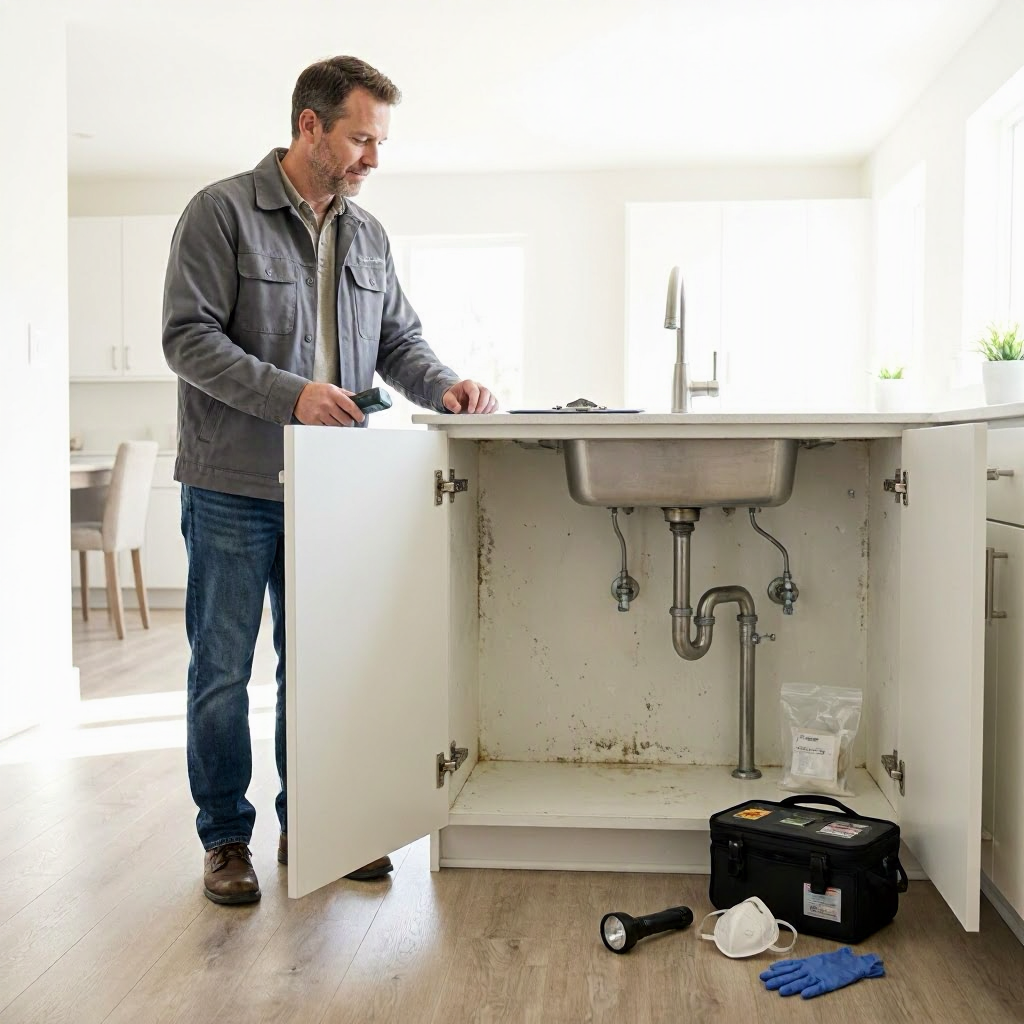
Mold inspection cost before buying or repairing a home
Why Mold Inspections Matter Before Buying or Repairing a Home
Buying a home or planning major repairs involves many hidden risks. Mold stands out as one of the most common and costly issues. It often hides behind walls, in attics, or under floors, thriving after water damage from leaks, floods, or high humidity.
A professional mold inspection uncovers these problems early. This step protects your health, finances, and property value. Skipping it can lead to expensive remediation later, especially if you're unaware during a home purchase.
For buyers, mold inspections fit into the due diligence phase after an offer but before closing. For repairs, they confirm if water damage has caused growth, guiding safe fixes. In both cases, knowing the costs helps you budget and negotiate.
Common Signs of Mold in a Home
Spotting mold early saves money on inspections and fixes. Look for musty odors in basements, bathrooms, or attics, even without visible growth. Water stains on ceilings, walls, or around windows signal past leaks that foster mold.
Other red flags include peeling paint, warped drywall, or black spots on grout. Health symptoms like persistent coughing, allergies, or respiratory issues in occupants often point to airborne spores. In older homes or flood-prone areas, inspect after heavy rains.
During home buying, note these in your walkthrough. For repairs, document them before starting work. Photos and notes strengthen your case with inspectors or sellers.
When to Schedule a Mold Inspection
Time it right to control costs. Home buyers should request one if the property shows water damage history, like in FEMA flood zones, or during a general home inspection. Many buyers add it as a contingency in their purchase agreement.
For repairs, inspect after water events such as burst pipes, roof leaks, or flooding. Wait until surfaces dry to avoid false readings, but don't delay beyond a week to prevent growth. If renovating damp areas like bathrooms or basements, check beforehand.
Renters facing mold should notify landlords first, per most state habitability laws. Homeowners in humid climates like Florida or Louisiana may inspect proactively every few years.
Types of Mold Inspections Available
Inspections vary by depth and method. A visual inspection checks accessible areas for growth, moisture, and conditions. It's the starting point for most jobs.
Moisture mapping uses meters to detect hidden dampness behind walls. Air sampling collects spores for lab analysis, identifying types like toxic black mold (Stachybotrys). Surface sampling swabs visible patches.
Full protocols combine these, often following IICRC S520 standards. For buying, a basic visual plus moisture check suffices unless symptoms appear. Repairs may need sampling to scope remediation.
| Inspection Type | Description | When Most Useful |
|---|---|---|
| Visual Only | Walkthrough for signs of mold, water damage, moisture | Initial screening for home buying |
| Moisture Meter | Measures hidden dampness in walls, floors | After leaks or floods before repairs |
| Air Sampling | Tests spore levels in air, lab-analyzed | Health concerns or invisible growth |
| Surface Swab | Samples visible mold for type identification | Confirming growth before remediation |
Key Factors That Influence Mold Inspection Costs
Costs depend on several variables, making national averages rough guides. Home size drives price: a 1,000-square-foot condo might cost less than a 3,000-square-foot house. Larger areas take more time.
Location matters due to regional humidity, labor rates, and demand. Urban areas like New York or Los Angeles charge more than rural Midwest spots. Accessibility issues, such as crawlspaces or attics, add fees for ladders or protective gear.
Inspection scope affects the bill. Basic visuals run lower; add-ons like sampling or thermal imaging increase it. Urgency, like post-flood rushes, can bump rates 20-50%. Home age and prior damage complicate assessments.
Labor typically dominates, with inspectors charging hourly or flat fees. Materials like sampling kits add minimally. Permits rarely apply to inspections alone, but check local rules for invasive work.
Typical Cost Ranges for Mold Inspections
Expect to pay $300 to $1,000 for a standard single-family home inspection nationwide, based on industry reports. Visual-only checks often fall in the $250-$500 range. Adding air or surface sampling pushes it to $500-$1,200.
For larger homes over 3,000 square feet, budgets reach $1,000-$2,000. Condos or townhomes may cost $200-$600 due to smaller footprints. Post-disaster or commercial-level inspections exceed $2,000.
These figures vary by 20-50% based on location, per sources like Angi and HomeAdvisor aggregates. Always get local quotes, as coastal states average higher from frequent humidity issues. Factor in travel fees for remote properties.
Breaking Down Labor, Sampling, and Other Fees
Inspectors bill hourly at $50-$150 or flat rates. A two-hour visual might total $200-$300 in labor. Certified pros command premiums for expertise.
Sampling costs include lab fees of $30-$150 per sample. Multiple air tests multiply this. Reports with photos and recommendations add value without much extra charge.
Watch for diagnostic or trip fees ($75-$150) if no mold is found. Some bundle them; others charge separately. Remediation quotes follow inspections, often 5-10 times the inspection cost.
DIY Mold Test Kits: Pros, Cons, and Limitations
DIY kits from hardware stores cost $10-$50 and include swabs or petri dishes for sampling. They're tempting for quick checks before professional calls.
However, kits lack accuracy. Home conditions skew results, and lab interpretation needs pro context. False positives or negatives mislead, especially for buying decisions where liability matters.
Use kits for initial screening only. If positive, call a pro. Never rely on DIY for health risks or negotiations. Pros use calibrated tools and follow EPA guidelines for reliable data.
Hiring a Qualified Mold Inspector
Seek certified professionals through organizations like the Indoor Air Quality Association (IAQA) or ACAC. State licensing varies; some require mold-specific credentials.
Check reviews on BBB, Angi, or Yelp for local firms. Verify insurance and bonding to cover damages from invasive tests. Ask for references from recent home buyers or repair clients.
Avoid general home inspectors unless mold-certified. For buying, coordinate with your real estate agent. Independently hired inspectors avoid seller bias.
Questions to Ask Potential Inspectors
Prepare a list to compare quotes fairly. Start with: "Are you certified in mold inspection, and what standards do you follow?"
Clarify scope: "Does this include moisture mapping and a written report? How many samples?"
Probe costs: "What's included in the price? Any fees for travel, lab tests, or follow-ups?" Ask: "What's your estimate for my home size and issues?"
Inquire about timeline: "How soon can you schedule, and when will I get results?" Confirm: "Do you offer remediation advice without selling services?"
Reviewing and Comparing Inspection Estimates
Get three written estimates for non-urgent work. Estimates should detail scope, methods, inclusions, and timelines.
Look for line items: inspection fee, samples, report. Reject vague "starting at" quotes. Compare value, not just price, certifications and warranties matter.
Negotiate add-ons like extra samples. For home buying, share estimates with your agent to pressure sellers for credits. Keep all docs for insurance claims.
| Estimate Checklist Item | What to Verify |
|---|---|
| Total Price | Fixed vs hourly; all inclusions listed |
| Scope of Work | Areas covered, methods (visual, sampling) |
| Certifications | Inspector credentials, insurance proof |
| Timeline | Scheduling, report delivery |
| Extras | Lab fees, travel, post-report consults |
Integrating Mold Inspections into Home Buying
In the US, buyers often negotiate mold inspections post-offer. Add a mold contingency allowing exit or repairs if found. Costs average $400-$800 at this stage.
If mold appears, request seller remediation or price reductions. Severe cases justify walking away. Title insurance rarely covers mold; homeowners policies exclude it unless sudden damage.
Document everything: inspection report, photos, communications. This aids loan appraisals or future sales disclosures.
Mold Inspections During Home Repairs
For repairs, inspect before demo to avoid spreading spores. After floods or leaks, combine with water damage assessments.
Costs rise if repairs involve opening walls. Pros recommend containment during tests. If remediation follows, bundle for savings, inspections often discount with treatment.
Urgent post-flood inspections prioritize attics, basements. Delay non-emergency repairs until cleared.
Health and Safety Risks of Undetected Mold
Mold spores irritate eyes, skin, and lungs, worsening asthma or allergies. Toxic varieties like black mold pose greater risks, especially to children, elderly, or immunocompromised.
EPA advises prompt action on visible mold over 10 square feet. During buying or repairs, prioritize ventilation and PPE. Never disturb suspected areas without pros, spores spread easily.
For lead-paint homes pre-1978, combine mold checks with EPA RRP rules (EPA Lead RRP). Verify with local health departments.
Insurance, Warranties, and Financial Coverage
Homeowners insurance may cover mold from sudden perils like burst pipes, but excludes neglect or floods (needs separate NFIP policy). Deductibles apply; caps limit payouts.
Home warranties rarely include mold inspections or remediation. Check your policy; file claims with photos and pro reports.
Sellers disclose known mold in US real estate forms. Buyers can pursue if hidden. Keep records for disputes.
Ways to Lower Mold Inspection Costs
Shop locally for competitive bids. Bundle with general home inspections for discounts. Opt for visual-first if low risk.
Schedule off-peak, avoiding hurricane seasons in the South. For buying, ask sellers to cover via concessions. Preventive humidity controls reduce future needs.
Post-Inspection Steps and Remediation Planning
Clear reports mean proceed safely. Positive findings detail affected areas and spore types. Pros outline remediation: containment, removal, drying.
Remediation costs dwarf inspections, $500-$6,000+ per incident, per scope. Hire IICRC-certified remediators, separate from inspectors to avoid conflicts.
Re-inspect post-work for clearance. This verifies safety before occupancy or repairs.
Maintenance to Prevent Mold and Future Inspections
Control humidity below 60% with dehumidifiers or AC. Fix leaks promptly; use exhaust fans in baths. Insulate cold surfaces to avoid condensation.
Clean gutters annually; grade soil away from foundations. In basements, use vapor barriers. These steps cut recurrence risks in humid US regions.
Documenting Your Mold Inspection Process
Keep inspection reports, photos, estimates, and emails. Note dates, weather, home details. This supports insurance, warranties, or sales disclosures.
For repairs, log before-and-after states. Buyers file with closing docs. Digital backups prevent loss.
In summary, mold inspections before buying or repairing safeguard your investment. Understand cost drivers, vet pros, and document thoroughly. Local quotes ensure accurate budgeting, while prevention keeps bills low long-term.

About the TDL Expert Panel
TDL Expert Panel · TheDigitalLife Editorial Team
TDL Expert Panel is the editorial team behind TheDigitalLife. The team researches, reviews, and creates practical guides to help everyday readers make better decisions about home repair costs, refunds, AI tools, digital safety, productivity, and useful online resources. Each guide is written to be clear, useful, and easy to understand.