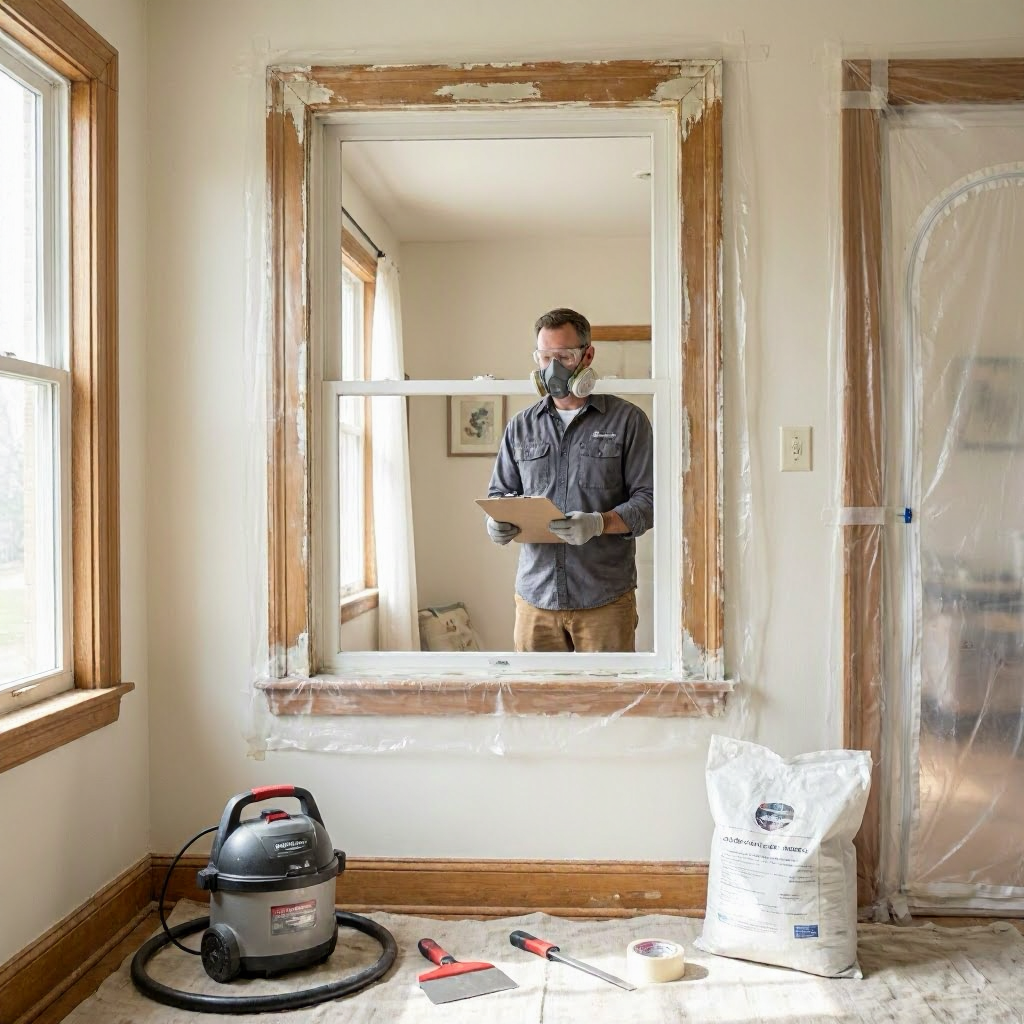
Lead-safe renovation cost for pre-1978 homes
Lead Paint Hazards in Pre-1978 Homes
Homes built before 1978 often contain lead-based paint, especially if painted before 1978. The federal government banned residential lead paint that year, but millions of U.S. homes still have it on walls, trim, doors, and exteriors. Disturbing this paint during renovations releases lead dust, a serious health risk, particularly for children under 6 and pregnant women.
Lead exposure can cause developmental delays, learning issues, and behavioral problems in kids. Adults face risks like high blood pressure and kidney damage. If you're renovating a pre-1978 home, federal rules require lead-safe practices to minimize these dangers.
Renovation work like sanding, scraping, window replacement, or drywall removal can create hazardous dust if not handled properly. Standard renovations ignore these risks, potentially spreading contamination throughout your home.
The EPA Renovation, Repair, and Painting (RRP) Rule
The EPA's RRP rule governs most renovation work in pre-1978 homes and child-occupied facilities. Enforced since 2010, it mandates that contractors follow specific steps to contain, clean, and dispose of lead dust.
Key requirements include:
- Firms and workers must be EPA-certified for lead-safe practices.
- Contain work areas with plastic sheeting and warning signs.
- Use HEPA vacuums and wet methods to control dust.
- Clean thoroughly and verify with dust wipe tests (optional but recommended).
- Provide homeowners with a completion report.
The rule applies to most paid renovations disturbing more than 6 square feet of interior paint or 20 square feet of exterior paint. Exemptions cover minor maintenance, zero-bedroom homes, or emergency repairs, but check details on the EPA RRP page.
Non-compliance can lead to fines up to $37,500 per day per violation. As a homeowner, you could unknowingly expose your family or face cleanup costs later.
Types of Renovations Requiring Lead-Safe Practices
Common projects triggering RRP include:
- Window and door replacement or repair.
- Interior or exterior painting prep (sanding, scraping).
- Drywall installation or removal.
- Electrical upgrades involving wall openings.
- Kitchen or bathroom remodels.
Even partial jobs, like refinishing cabinets, may qualify if paint is disturbed. Always disclose your home's age to contractors upfront. They must provide an EPA RRP pamphlet before starting.
For full lead abatement (paint removal), stricter rules apply under the EPA's Lead-Based Paint Activities program, often costing more than RRP compliance.
Understanding Lead-Safe Renovation Costs
Lead-safe renovations cost more than standard work due to certification, containment, specialized cleaning, and time. Expect 20% to 50% higher prices compared to non-lead-safe jobs, depending on scope and location.
Actual costs vary widely by:
- Project size and complexity.
- Your home's location (urban areas like New York or San Francisco charge more than rural Midwest).
- Paint condition (chipping vs intact).
- Contractor experience and demand.
Rather than national averages, get at least three written estimates from certified local firms. Costs might range from $1,500 for a single window to $20,000+ for a full kitchen remodel in a lead-safe manner, but local quotes are essential.
Breaking Down the Cost Components
Labor Costs
Certified lead renovators charge higher rates due to training requirements. EPA certification costs firms $300 to $5,700 initially, plus refresher fees every five years, passed on to you.
Labor often makes up 50-70% of the bill. Rates vary: $50-$150 per hour in low-cost areas, $100-$250 in high-cost cities. A full-day containment setup and cleanup adds significant time.
Materials and Supplies
Extra costs for:
- Heavy-duty plastic sheeting, tape, and zip walls ($200-$1,000 per job).
- HEPA vacuums and air scrubbers (rental or purchase).
- Wet sanding tools, chemical strippers (if allowed), and personal protective equipment.
Standard materials like paint or drywall cost the same, but lead-safe jobs require disposable coveralls and specialized filters.
Containment, Cleanup, and Testing
Containment setup: sealing rooms, covering floors, and posting signs. Cleanup involves HEPA vacuuming every surface, wet wiping, and mop washing.
Optional post-job dust clearance testing ($300-$600) uses wipe samples analyzed by EPA-recognized labs. It confirms safety before reoccupying.
Disposal fees for lead-contaminated waste add $100-$500, depending on local landfills.
Certification and Administrative Fees
Some contractors charge a lead-safe compliance fee ($200-$500) covering training documentation and paperwork. You receive a signed RRP report for records or resale.
Factors Affecting Lead-Safe Renovation Prices
Several variables drive the final bill. Understanding them helps you compare quotes and spot padded estimates.
| Cost Factor | Why It Matters | Price Impact Example |
|---|---|---|
| Home Location | Labor rates, material shipping, and regulations differ by state/city. Coastal or urban areas cost more. | +30-50% in CA/NY vs. Midwest |
| Project Scope | Larger areas mean more containment/cleanup time. Multi-room jobs get slight per-unit discounts. | $5,000 for one room vs. $15,000 for three |
| Paint Condition | Intact paint disturbs less dust; peeling requires extra prep. Testing ($300-$500) identifies lead presence. | +10-20% for deteriorated paint |
| Accessibility | Hard-to-reach exteriors or attics increase labor/setup. | +15% for second-story work |
| Urgency/Season | Rush jobs or peak summer demand raise rates. Off-season may save 10-20%. | +20% for emergencies |
| Testing/Verification | Dust wipe tests and XRF paint scanning add fees but ensure compliance. | $300-$1,000 extra |
| Home Size/Age | Older homes (pre-1950) often have more layers, complicating work. | +10-25% for multi-layer paint |
Use this table when reviewing bids: ask contractors to itemize how each factor applies to your job.
Hiring a Certified Lead-Safe Contractor
Only use EPA-certified firms for RRP work. Individuals can't certify independently; they work for certified companies.
To find one:
- Search the EPA's firm certification search tool by ZIP code.
- Check state or local directories via your city building department.
- Ask for references from similar pre-1978 projects.
Verify certification on-site: look for training certificates, EPA ID number, and proper signage. Avoid "lead-aware" or uncertified painters, even if cheaper, as they risk fines and your health.
Questions to Ask Before Approving an Estimate
Get everything in writing. A good quote details line items, timeline, payment terms, and warranties.
Essential questions:
- Are you an EPA-certified RRP firm? Can I see your certification number?
- Does this quote include full containment, HEPA cleaning, and waste disposal?
- Will you perform dust testing? Who pays for lab analysis?
- What's the warranty on labor and any new paint/parts?
- Are subcontractors certified? Who handles permits if needed?
- What’s the payment schedule? (Never pay full upfront; 30-50% deposit max.)
- How do you handle surprises like hidden lead layers?
Compare bids side-by-side, noting inclusions. A $2,000 lowball might skip testing, leading to callbacks.
Sample Lead-Safe Estimate Checklist
| Estimate Item | What to Confirm |
|---|---|
| Labor Hours/Rate | Broken down by phase (setup, work, cleanup) |
| Materials List | Includes HEPA filters, plastic, PPE specifics |
| Containment/Cleanup | Detailed steps, equipment listed |
| Testing Fees | Wipe test method and lab accreditation |
| Disposal/Trip Charges | Flat fees, no surprises |
| Warranty Details | Labor (1 year typical), materials per manufacturer |
| Total with Taxes/Permits | All-in price, change order process |
This checklist ensures apples-to-apples comparisons. Flag vague "miscellaneous" lines over 5% of total.
Why DIY Lead-Safe Renovations Aren't an Option
DIY RRP work is prohibited under federal rules for most projects. Even if exempt (like patching <6 sq ft), improper methods spread dust via HVAC or shoes.
Risks include family exposure, voided insurance, and resale issues (buyers demand lead records). Rent HEPA vacs for tiny jobs only if under thresholds, but hire pros for anything substantial.
Special Considerations for Renters, Condos, and HOAs
Renters: Contact your landlord first. Under most state laws, they handle major renovations. Document issues with photos; don't pay out-of-pocket unless lease-specified.
Condo/HOA owners: Check rules for interior vs. common area work. Exterior painting often requires association approval and certified contractors.
Landlords: Complying with RRP avoids tenant lawsuits and HUD violations. Budget for it during turnovers.
Permits, Inspections, Insurance, and Warranties
Permits: Required for structural changes (windows, electrical) via your local building department. Lead-safe status doesn't trigger extras, but verify.
Insurance: Homeowners policies may cover sudden lead exposure claims but exclude renovations. File if accidental discovery, but prevention is key. Home warranties rarely cover lead work.
Contractor warranties: Typically 1 year on labor; materials follow manufacturer terms. Keep the RRP completion report for proof.
Strategies to Lower Lead-Safe Renovation Costs
- Plan non-disruptive work: Replace windows intact instead of scraping all paint.
- Combine projects: Bundle painting with repairs for efficiency.
- Off-season timing: Winter bids can drop 10-20%.
- Shop certified firms: More options in some areas lower competition-driven prices.
- Test first: XRF scanning confirms lead presence, avoiding unnecessary full RRP.
- Partial exemptions: For tiny jobs, confirm with EPA if RRP applies.
These steps maintain safety while trimming the bill. Avoid cutting corners on certification.
Documenting Your Lead-Safe Renovation
Keep records for liability, insurance, and home sales:
- Before/after photos of work areas.
- Contractor invoices, RRP report, and certifications.
- Dust test results.
- Communication emails/texts.
Disclose lead history to future buyers per federal rules. This protects you legally.
Maintenance to Prevent Future Lead Issues
Regular upkeep reduces disturbance risks:
- Clean floors weekly with wet mops (no dry sweeping).
- Wipe windowsills and chewable surfaces.
- Fix peeling paint promptly with certified pros.
- Use door mats and HEPA filters in HVAC.
Test soil near old homes for lead; plant gardens carefully. For kids, prioritize nurseries first.
Pre-1978 homeowners benefit from proactive steps. Investing in lead-safe renovations now avoids health costs and bigger fixes later.
If selling, lead compliance boosts value. Consult the EPA lead homepage for more tools like clearance test guides.
By understanding these costs and processes, you can budget accurately, hire wisely, and protect your household effectively.

About the TDL Expert Panel
TDL Expert Panel · TheDigitalLife Editorial Team
TDL Expert Panel is the editorial team behind TheDigitalLife. The team researches, reviews, and creates practical guides to help everyday readers make better decisions about home repair costs, refunds, AI tools, digital safety, productivity, and useful online resources. Each guide is written to be clear, useful, and easy to understand.