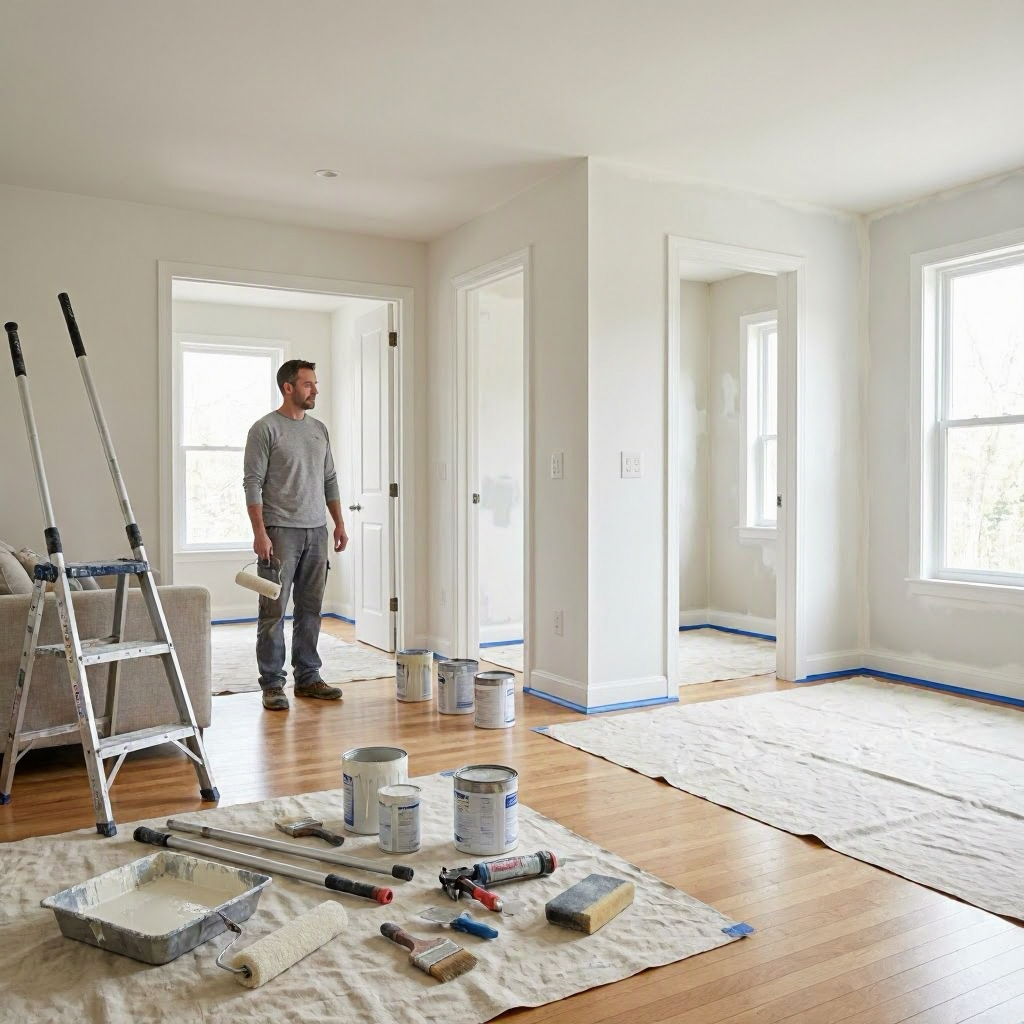
Interior painting cost for a whole house vs one room
Why Compare One Room vs. Whole House Painting Costs?
Deciding between painting a single room or your entire home interior often comes down to budget, time, and scope. For US homeowners or renters, interior painting refreshes living spaces, boosts curb appeal from the inside, and can increase resale value. A single room project suits targeted updates, like a outdated bedroom, while whole-house painting tackles comprehensive makeovers, especially in older homes with dated colors.
Costs vary widely across the US due to regional labor rates, home sizes, paint quality, and prep work needs. In high-cost areas like California or New York, expect higher prices than in the Midwest or South. Always get local quotes, as national averages mislead—factors like ceiling height, wall conditions, and access play huge roles.
This guide breaks down typical expenses, key differences, and practical steps to estimate your project accurately. Whether you're a homeowner prepping for sale or a renter customizing a space (with landlord approval), understanding these helps you plan without surprises.
Cost Breakdown for Painting One Room
Painting one average-sized room, say 12x12 feet with 8-foot ceilings (about 400 square feet of wall/ceiling surface), focuses on contained work. Labor often dominates at 60-70% of the total, as pros handle taping, priming, and multiple coats efficiently.
Prep work like moving furniture, patching holes, and cleaning surfaces adds time. If walls are in good shape, costs stay lower; textured or damaged walls increase expenses.
Material choices matter: basic latex paint runs cheaper than premium low-VOC or eco-friendly options. Add $50-200 for supplies like drop cloths, brushes, rollers, and painter's tape if DIY, or included in pro bids.
Rough national ranges for professional painting hover around $300 to $1,200 per room, but adjust for your zip code. In urban areas, this climbs to $800-2,000; rural spots might dip under $500. These figures exclude furniture moving or specialty finishes.
Factors Driving Single-Room Costs Up or Down
- Room Size and Shape: Larger or oddly shaped rooms (e.g., with nooks) mean more surface area and edges to tape.
- Wall Condition: Minor repairs cost extra; popcorn ceiling removal or wallpaper stripping doubles labor.
- Paint Quality and Coats Needed: One coat for touch-ups vs. two-three for color changes.
- Access and Features: High ceilings, crown molding, or built-ins require scaffolding or lifts.
- Location: Coastal humidity demands mildew-resistant paint; dry climates prioritize flat finishes.
For example, a simple bedroom repaint in Texas might total $400 professionally, while a San Francisco living room with trim work hits $1,500.
Cost Breakdown for Painting a Whole House
Whole-house interior painting covers every room, hallway, and common area—think 2,000-3,000 square feet for a typical 3-bedroom ranch. Economies of scale kick in here, as pros set up once, use bulk materials, and minimize travel.
Expect multiple days or weeks, depending on home layout. Multi-story homes add ladder or lift costs. Kitchens and bathrooms often need specialty paints for moisture resistance.
Total professional costs typically range from $3,000 to $12,000 for a 2,000-square-foot home, varying by region and finishes. In the Northeast, this pushes $8,000-20,000; Southern states average lower at $2,500-10,000. These are broad guides—your local market sets the real price.
Prep scales up: washing all walls, repairing throughout, and protecting floors/fixtures. Whole projects often include trim, doors, and ceilings for a uniform look.
Unique Whole-House Cost Considerations
- Home Size and Layout: Open floor plans speed work; tight hallways slow it.
- Number of Rooms and Stories: More rooms mean more edges; second floors require equipment.
- Existing Paint Condition: Lead-based paint in pre-1978 homes demands certified abatement.
- Finishes and Colors: Accent walls, cabinets, or high-gloss add 20-50%.
- Seasonal Timing: Off-peak (winter) may discount; peak summer books faster at premium.
A 1,500-square-foot Midwest split-level might cost $4,500, while a 3,000-square-foot California contemporary exceeds $15,000.
Direct Comparison: One Room vs. Whole House
Painting one room targets quick wins with lower upfront costs but higher per-square-foot rates. Whole-house jobs spread fixed costs (like setup) across more area, dropping the per-room average.
Here's a side-by-side look at key differences:
| Aspect | One Room | Whole House |
|---|---|---|
| Typical Pro Cost Range | $300-$1,200 | $3,000-$12,000+ |
| Per Sq Ft Cost | $2-$5 | $1.50-$4 |
| Project Duration | 1-2 days | 5-14 days |
| Prep Intensity | Light (one area) | Heavy (full protection) |
| Economies of Scale | Minimal | High (bulk materials, single setup) |
| Disruption | Low (liveable during) | High (move out recommended) |
This table assumes average US conditions; your quote will reflect specifics. Notice how whole-house per-square-foot drops due to efficiency.
Shared Cost Factors Influencing Both Projects
Labor, materials, and prep drive 80-90% of bills for either scope. US painters charge hourly ($25-80) or per square foot, with pros averaging $50/hour in many markets.
Labor Costs
Pros bring speed and skill—DIY takes longer for amateurs. Factors: crew size (solo vs. team), travel distance, and union rates in cities. Overtime for rush jobs adds 20-50%.
Material Costs
Paint: $20-70/gallon, needing 1 gallon per 350-400 sq ft. Primers, caulk, and tapes add up. Premium brands like Benjamin Moore cost more but last longer.
Surface Preparation
The biggest variable: 30-50% of time. Washing, sanding, patching drywall, and priming. Older homes (pre-1978) may need EPA-certified lead testing—factor $500+ if positive.
Additional Fees
- Travel/Setup: $50-200 for distant or complex access.
- Cleanup/Disposal: Included usually, but hazardous waste extra.
- Permits: Rare for interiors unless structural changes; check local building departments.
DIY Painting: Feasible for One Room, Risky for Whole House
DIY saves 50-70% on labor, ideal for small rooms if you're handy. Buy supplies at Home Depot or Lowe's: $100-400 total for one room.
Steps: Tape edges, clean surfaces, prime, paint 2 coats, remove tape. Rent sprayers for speed ($50/day).
Pros: Control quality, timeline, lower cost. Cons: Time sink (weekends), messy mistakes, physical strain.
For whole houses, DIY rarely pays off—exhaustion leads to sloppy work, and ladders pose fall risks. Pros handle heights safely with insurance.
Safety first: Ventilate for fumes, use drop cloths, avoid lead-disturbed homes without tests. Not for textured ceilings or intricate trim.
Renters: Get written landlord OK before DIY to avoid deposit disputes.
Hiring a Professional Painter: Benefits and Best Practices
Pros ensure even coverage, minimal drips, and warranties (1-2 years typical). Look for licensed (where required, like California), insured painters via local directories or Angi.
When to hire: Whole houses, high ceilings, lead risks, or tight schedules. For one room, weigh skill vs. savings.
Questions to Ask Before Signing
Get 3+ written estimates. Ask:
- Is this a fixed price or time-and-materials?
- What's included: prep, primer, coats, cleanup, furniture moving?
- Crew details: licensed, background-checked, subcontractors?
- Warranty on work and materials?
- Paint brands and sheens proposed?
- Timeline and payment schedule (no full upfront)?
- References from similar jobs?
Compare line items: labor hours, gallons used, extras.
Red Flags in Estimates
- Verbal quotes only.
- Full payment upfront.
- No insurance proof.
- Pressure for immediate cash.
Ways to Lower Your Painting Bill
Trim 10-30% without skimping:
- Choose off-season: Winter deals abound.
- Prep yourself: Move furniture, patch holes—deduct from bid.
- Bulk buy paint: Negotiate for whole-house.
- Select mid-range paints: Balance durability and cost.
- Limit colors: Fewer changes mean less taping.
- Multi-room discount: Even partial houses negotiate better.
Homeowners: Check HUD 203(k) loans for bundled improvements including painting (hud.gov/hud-partners/single-family-203k). Renters: Negotiate landlord coverage.
Special Situations: Renters, HOAs, and Older Homes
Renters: Review lease—cosmetic painting often tenant responsibility, but major work belongs to landlords. Send photos and get approval in writing to protect your deposit.
HOAs/Condos: Interiors usually owner-led, but shared walls or exteriors need board OK. Check covenants.
Older Homes: Pre-1978? Test for lead paint via EPA-certified pros (hud.gov/helping-americans/home-improvements). Abatement adds $8-15/sq ft.
Insurance rarely covers painting unless damage-related (e.g., smoke). Home warranties exclude it as maintenance.
Permits and Codes: Usually Minimal for Interiors
Interior painting seldom needs permits unless removing walls or electrical during prep. Verify with your city building department—e.g., some locales require for lead work.
Keep records: photos before/after, invoices, paint receipts for warranties or resale.
Maintenance Tips to Delay Repainting
Extend paint life 5-10 years:
- Clean walls monthly with mild soap.
- Fix leaks promptly to avoid stains.
- Use exhaust fans in kitchens/baths.
- Touch up scuffs yearly.
Quality paint in right sheens (satin for high-traffic) resists wear.
Final Steps Before Your Project
Inventory your space: measure sq footage (length x height x walls + ceiling), note conditions, list must-haves. Shop multiple quotes, read reviews on BBB or Yelp.
For one room, DIY if confident; whole house, pro always. Local factors dominate—your painter's inspection sets true costs.
This approach arms you to budget smartly, whether refreshing a nursery or transforming your entire home.

About the TDL Expert Panel
TDL Expert Panel · TheDigitalLife Editorial Team
TDL Expert Panel is the editorial team behind TheDigitalLife. The team researches, reviews, and creates practical guides to help everyday readers make better decisions about home repair costs, refunds, AI tools, digital safety, productivity, and useful online resources. Each guide is written to be clear, useful, and easy to understand.