HUD Title I home improvement loans: what repairs can be financed
Understanding HUD Title I Home Improvement Loans
Homeowners in the United States often face steep repair bills for essential fixes like a leaking roof or an outdated heating system. HUD Title I home improvement loans offer a way to finance these projects through Federal Housing Administration (FHA)-insured loans from approved private lenders. These loans help cover the costs of repairs and improvements without requiring a large upfront payment.
Unlike personal loans or credit cards, Title I loans are secured by the property and tied directly to home improvements. This makes them a targeted option for funding labor costs, materials, and contractor work on qualifying repairs. They are available for single-family homes, multifamily properties up to eight units, condos, and manufactured homes.
The program aims to make homes safer, more energy efficient, and habitable. Maximum loan amounts range up to $25,000 for single-family homes, though actual approval depends on factors like your credit, income, and the lender's assessment. Always verify current limits on the official HUD website.
Eligibility Requirements for Borrowers
To qualify for a HUD Title I loan, you must own or have a long-term lease on the property, with some exceptions for co-ops. Lenders evaluate your credit score, debt-to-income ratio, and ability to repay, similar to other mortgages. FHA insurance protects the lender, which can make approval easier for borrowers with moderate credit.
Homeowners must use the loan solely for improvements on their primary residence or investment property. Renters typically do not qualify unless they have a lease that allows improvements and plan to buy the property. For condos or HOAs, confirm association rules do not prohibit financed work.
Income limits do not apply directly, but lenders consider your financial stability. Gather pay stubs, tax returns, and proof of ownership before applying. Contact an FHA-approved lender to prequalify and understand local requirements.
Property Types Covered
HUD Title I loans support a range of US housing:
- Single-family homes (detached or attached).
- Multifamily properties (two to eight units, where you occupy one).
- Condominiums (FHA-approved complexes).
- Manufactured homes (permanent foundation required).
Mobile homes on leased land may qualify if the lease is long-term. Check HUD's guidelines for your property type at hud.gov/helping-americans/home-improvements.
Loan Amounts, Terms, and Repayment
Loan sizes vary by project scope and property:
- Property improvement loans: Up to $25,000 for single-family homes, covering repairs like roofing or HVAC.
- Multifamily: Up to $12,000 per unit, capped at $60,000 total.
- Historic preservation: Up to $35,000 with special approval.
Terms extend up to 20 years, spreading payments to fit budgets. Interest rates are set by the lender and tied to market conditions, often competitive with home equity loans. No prepayment penalties allow flexibility.
Repayment starts after closing, with monthly principal and interest. Funds are disbursed directly to contractors or held in escrow for verified work. This protects homeowners from paying upfront for incomplete jobs.
What Repairs and Improvements Can Be Financed?
The core benefit of HUD Title I loans is financing repairs that enhance safety, durability, accessibility, energy efficiency, or market value. Lenders require work to meet local building codes, often verified by inspections.
Eligible projects include structural, mechanical, and cosmetic upgrades. Labor costs, materials, architect fees, and even demolition are covered if tied to the improvement. Here's a breakdown:
Safety and Structural Repairs
These address immediate hazards:
- Roof replacement or repairs to prevent leaks.
- Foundation crack sealing or underpinning.
- Wall or floor stabilization.
- Storm window or door installations for wind resistance.
Such work prevents costlier damage later, like water intrusion leading to mold.
Mechanical System Upgrades
Financing covers essential systems:
- New or repaired HVAC furnaces, air conditioners, or boilers.
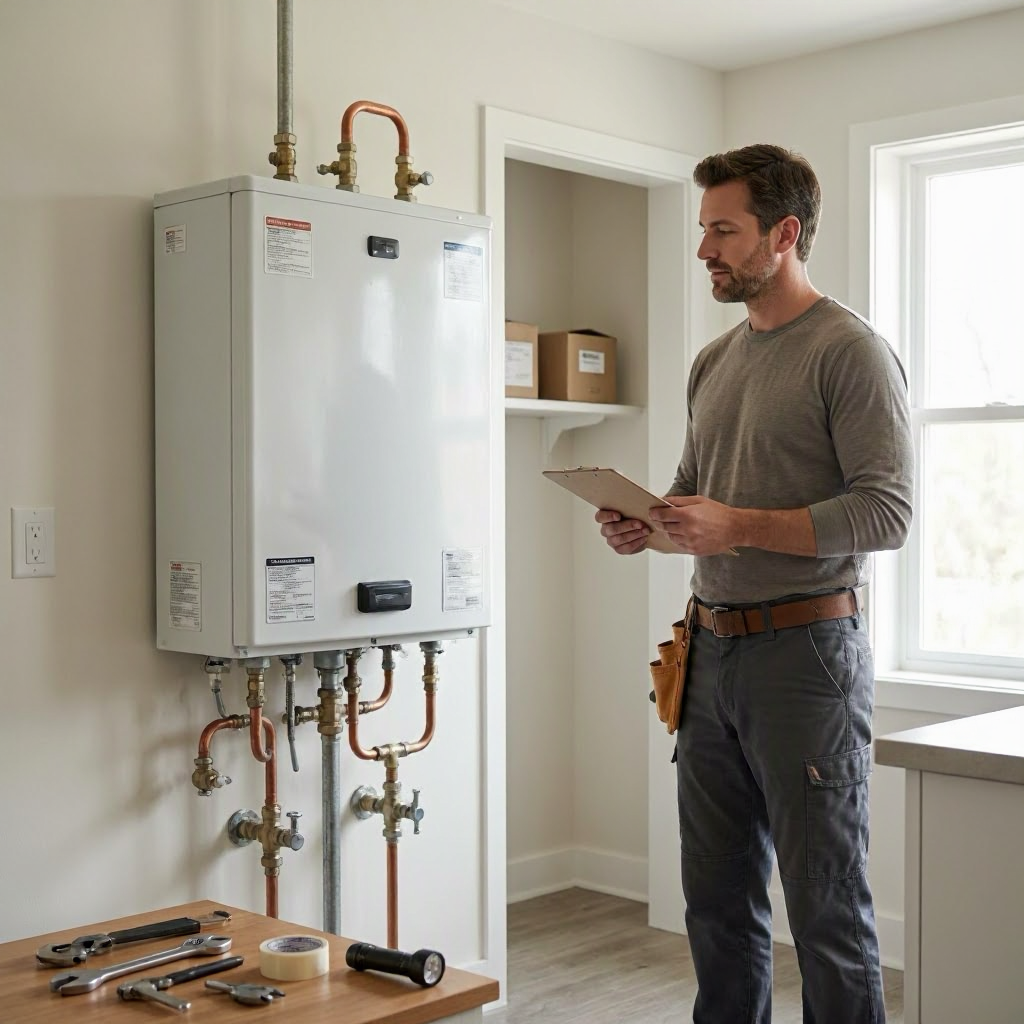
- Water heater replacements.
- Septic system repairs (non-luxury).
- Electrical panel upgrades or rewiring for code compliance.
Energy-efficient models qualify easily, potentially lowering utility bills.
Plumbing and Accessibility Improvements
Common fixes include:
- Pipe replacements to stop leaks.
- Bathroom or kitchen remodels for functionality.
- Ramps, widened doorways, or grab bars for aging-in-place.
- Well or water line upgrades.
These improve daily livability without luxury additions.
Exterior and Energy Efficiency Enhancements
Projects that boost insulation and curb appeal:
- Siding, gutters, or porch repairs.
- Insulation additions or window replacements for efficiency.
- Solar panel installations (if code-compliant).
- Driveway or walkway resurfacing.
HUD encourages energy-saving measures, sometimes aligning with federal tax credits.
| Eligible Repair Category | Examples of Financed Work | Why It Qualifies |
|---|---|---|
| Roofing | Shingle replacement, leak repairs | Prevents structural damage |
| HVAC | Furnace/boiler install, ductwork | Ensures safe heating/cooling |
| Plumbing | Leak fixes, fixture upgrades | Maintains habitability |
| Electrical | Wiring updates, outlet additions | Meets safety codes |
| Accessibility | Ramps, railings | Supports independent living |
| Energy Efficiency | Insulation, efficient windows | Reduces long-term costs |
This table highlights common uses; full lists are on HUD's site.
What Repairs Cannot Be Financed?
Not all projects qualify. Lenders reject luxury, depreciating, or non-permanent improvements to ensure loan security.
Ineligible items include:
- Swimming pools, spas, or saunas.
- Outdoor fireplaces or landscape features like patios (unless accessibility-related).
- Purchases of furniture, appliances, or security systems.
- Debt payoff or cash-out refinancing.
Repairs to non-owned property, like rented land under a mobile home, often do not qualify. Work must add value; purely cosmetic changes like painting alone may not suffice without functional upgrades.
Application Process Step by Step
Applying involves these practical steps:
- Assess your project: List repairs, get contractor estimates, and check local permits.
- Find an FHA-approved lender: Use HUD's lender list at hud.gov.
- Prequalify: Submit credit, income, and property details.
- Submit application: Include repair plans, cost breakdowns, and contractor bids.
- Appraisal and inspection: Lender verifies property value and work scope.
- Closing: Sign loan docs; funds go to escrow or contractor.
Processing takes 30-60 days. Prepare by photographing issues and documenting urgency, like a failing roof during rainy season.
Costs Associated with HUD Title I Loans
While the loan covers repair expenses, expect these fees:
- Origination fees (lender-set, often 1-2% of loan).
- Appraisal costs ($300-$500, varies by location).
- Title search and insurance.
- Closing costs (similar to mortgages).
Interest accrues over the term, but fixed rates provide predictability. No down payment required for most, easing access for cost-burdened homeowners.
Labor and materials costs depend on project size, location, and contractor rates. For example, a roof repair in a high-cost area like California exceeds Midwest bids due to supply chains and wages. Always get multiple written estimates itemizing labor, materials, disposal, and permits.
Comparing HUD Title I to Other Financing Options
Title I suits moderate repairs without equity needs. Compare:
- Home equity loans/HELOCs: Higher limits but require equity.
- Personal loans: Faster but higher rates, unsecured.
- FHA 203(k): For purchase plus rehab, larger scope (see hud.gov/hud-partners/single-family-203k).
- Local grants: Check state housing agencies for low-income aid.
| Financing Option | Max Amount | Best For | Key Drawback |
|---|---|---|---|
| HUD Title I | $25,000 (single-family) | Repairs only | Lender approval needed |
| HELOC | Varies by equity | Flexible use | Variable rates |
| Personal Loan | $50,000+ | Quick cash | Higher interest |
| 203(k) Loan | Up to FHA limits | Buy + rehab | More paperwork |
Use this to match your repair costs and timeline.
Repair Checklist Before Applying
Prepare with this action list:
- Document issues: Take dated photos/videos of damage.
- Get 3 estimates: Detail labor hours, materials (e.g., shingle type), permits.
- Check codes/HOA: Contact local building department.
- Verify contractor: Licensed, insured, references.
- Budget extras: 10-20% for surprises.
For renters in owner-occupied multifamily, review lease first.
Maintenance Tips to Avoid Future Loans
Preventive steps extend repair intervals:
- Inspect roof annually for shingles/moss.
- Service HVAC yearly.
- Seal cracks to avoid water damage.
- Upgrade inefficient systems gradually.
These reduce urgency and financing needs.
Special Considerations for Vulnerable Groups
Seniors, low-income families, or disabled homeowners benefit most. Accessibility mods like stairlifts qualify readily. Pair with USDA rural repair loans or state programs for layered aid.
For manufactured homes, ensure HUD certification.
When to Contact HUD or a Lender
Start at hud.gov/helping-americans/home-improvements for forms and FAQs. Local HUD offices assist with questions. Avoid scams by using only approved lenders.
Making the Most of Your Loan
HUD Title I loans bridge the gap between repair costs and budgets. By focusing on eligible, value-adding work, you protect your investment. Get professional advice tailored to your home, and verify all details with lenders to avoid surprises.
(Word count: 3124)

About the TDL Expert Panel
TDL Expert Panel · TheDigitalLife Editorial Team
TDL Expert Panel is the editorial team behind TheDigitalLife. The team researches, reviews, and creates practical guides to help everyday readers make better decisions about home repair costs, refunds, AI tools, digital safety, productivity, and useful online resources. Each guide is written to be clear, useful, and easy to understand.