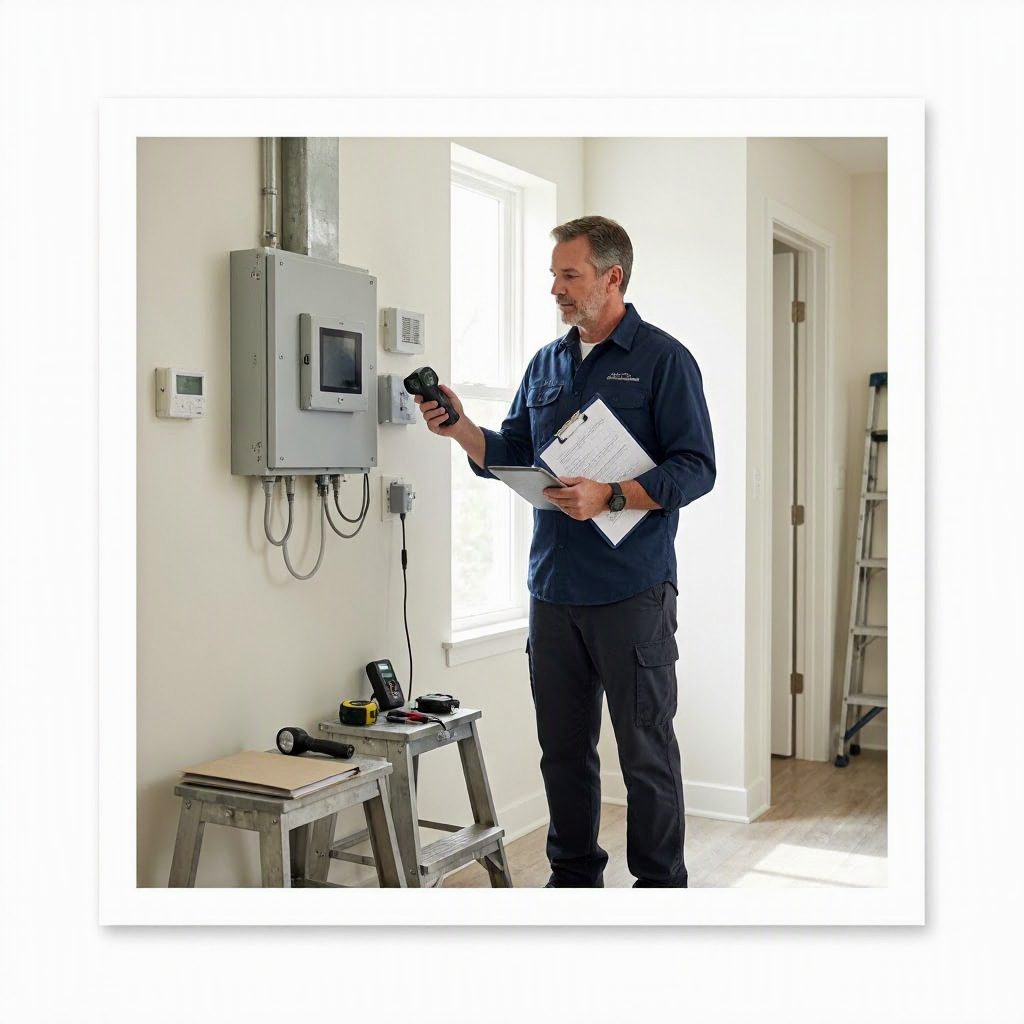
Home energy audit cost and when it qualifies for a tax credit
---
What Is a Home Energy Audit?
A home energy audit examines your house to identify where energy is wasted. It points out issues like air leaks, poor insulation, inefficient windows, or outdated appliances. The goal is to help you lower utility bills, improve comfort, and reduce your environmental impact.
Homeowners often consider an audit when energy bills spike unexpectedly or during home sales. Renters might suggest one to landlords for shared savings. Audits provide a roadmap for targeted upgrades, which can qualify for federal incentives.
In the United States, audits vary from simple DIY checks to detailed professional assessments. They typically cover heating and cooling systems, the building envelope (walls, roof, foundation), and major appliances. Expect recommendations tailored to your home's age, size, and location.
Why Get a Home Energy Audit?
Rising energy costs make audits appealing. The U.S. Department of Energy notes that homes can lose up to 30% of energy through air leaks alone. Fixing these through audit-guided improvements often pays back quickly.
Audits also reveal safety issues, like faulty vents or combustion appliance problems. They support decisions on insulation, sealing, or HVAC upgrades. For older homes common in many U.S. regions, audits uncover hidden inefficiencies from settling foundations or uninsulated attics.
If you're planning renovations, an audit ensures energy efficiency from the start. It helps prioritize projects with the best return, avoiding wasteful spending on low-impact fixes.
Types of Home Energy Audits
Audits come in levels based on depth and tools used.
Basic or Walk-Through Audits
These visual inspections check for obvious issues: drafts around windows, uninsulated pipes, or dirty furnace filters. A contractor walks through your home, often using infrared cameras for hot/cold spots. Suitable for quick overviews.
Intermediate Audits
Involve tools like blower doors to measure air leakage or duct blasters for HVAC systems. They quantify problems, providing data for precise fixes.
Comprehensive or Advanced Audits
The deepest level uses combustion gas analyzers, energy modeling software, and full diagnostics. Ideal for custom homes or major retrofits. These generate detailed reports with cost-benefit analyses for upgrades.
DIY kits offer basic versions with checklists and infrared thermometers. However, they lack precision for tax credits or complex issues.
Home Energy Audit Costs
Costs for professional audits typically range from $300 to $600 nationwide, though this varies widely. Basic walk-throughs start around $150-$400, while advanced audits with blower doors can reach $800-$1,200 or more. These figures depend on several factors, so get local quotes.
Homeowners often pay out-of-pocket initially, but many recover costs through savings and tax credits. Utility companies in states like California or New York sometimes offer subsidized audits for $100 or less.
Renters should check if landlords cover costs, especially if bills are included in rent. For condos or HOAs, audits might focus on unit-specific issues versus shared systems.
Factors Affecting Home Energy Audit Costs
Several elements influence the final price. Understanding them helps you compare estimates and avoid surprises.
| Factor | How It Affects Cost |
|---|---|
| Home Size | Larger homes (over 2,500 sq ft) require more time and testing, adding $200-$400. |
| Location | Urban areas like New York or San Francisco charge 20-50% more due to higher labor rates. Rural spots may have travel fees. |
| Audit Depth | Basic visual: lower end. Blower door or full diagnostics: 50-100% higher. |
| Home Age and Complexity | Older homes (pre-1980) or those with additions need extra evaluation, increasing time. |
| Accessibility | Hard-to-reach attics, crawlspaces, or multi-story homes raise labor. |
| Timing and Urgency | Off-peak seasons cost less; emergencies (e.g., post-storm) more. |
Labor makes up 60-80% of costs, with certified auditors charging $100-$200 per hour. Materials like blower door rentals add minor fees. Always ask if diagnostic tools are included.
Does a Home Energy Audit Qualify for a Tax Credit?
Yes, under the Energy Efficient Home Improvement Credit (Internal Revenue Code Section 25C), qualified energy audits can earn a tax credit. Expanded by the Inflation Reduction Act of 2022, it covers 30% of qualified costs, with a specific cap for audits.
For audits specifically, the annual credit limit is $150 per household. This applies to audits conducted after December 31, 2022, and before January 1, 2033. The audit must identify energy-saving improvements eligible under the same credit, like insulation or efficient windows.
Not all audits qualify. It must be performed by a qualified auditor meeting IRS standards, often certified by programs like BPI GoldStar or RESNET Home Energy Audit Standard. DIY audits do not qualify.
Visit the IRS energy credit page for full details and updates. The Department of Energy's home upgrades page lists eligible improvements tied to audits.
IRS Rules for the Energy Credit
To claim, the audit must produce a written report detailing recommended efficiency upgrades. Costs include labor for the audit itself but exclude travel or report fees unless specified.
Key qualifications:
- Your home must be your principal residence (not rentals or second homes, unless used personally).
- Expenses paid or incurred after 2022.
- No double-dipping with utility rebates that reimburse audit costs.
File using Form 5695 with your federal tax return. Keep the audit report, receipts, and auditor credentials for records. Consult IRS Publication 530 or a tax professional, as state incentives may stack.
Credits are non-refundable but carry forward if unused. Track annual limits: overall credit caps at $1,200, with sub-limits for certain items.
Examples of Qualifying Audits
A blower door test identifying attic air leaks qualifies if it recommends sealants or insulation. An infrared scan spotting duct losses works if tied to efficient HVAC upgrades.
Non-qualifying: General home inspections without energy focus or audits solely for appliances not covered.
When Should You Get a Home Energy Audit?
Schedule one if bills rose 20%+ without explanation, your home is 10+ years old, or you're buying/selling. Post-renovation audits verify efficiency gains.
It's not always urgent. If bills are stable and your home feels comfortable, routine maintenance like filter changes might suffice first.
For high-energy users in cold climates (e.g., Midwest winters), audits pay off faster. Hotter regions like the Southwest benefit from cooling-focused checks.
Renters: Document issues and notify landlords before paying. Homeowners insurance rarely covers audits unless tied to covered damage.
DIY Home Energy Audits vs. Hiring a Professional
DIY audits suit initial checks. Free tools from Energy.gov include checklists for leaks (wet hand test for drafts) and appliance labels. Apps like EnergyCAP track usage.
However, pros are essential for:
- Accurate measurements needed for tax credits.
- Safety in gas or electrical diagnostics.
- Comprehensive reports for rebates.
DIY costs under $50 for thermometers or smoke pencils but misses 50%+ of issues per DOE studies. Pros provide liability insurance and warranties on findings.
| Audit Type | Best For | Cost Range | Tax Credit Eligible? |
|---|---|---|---|
| DIY | Quick self-checks | $0-$100 | No |
| Basic Pro | Visual + basic tools | $150-$400 | Often yes |
| Advanced Pro | Full diagnostics | $500+ | Yes, with certification |
How to Find a Qualified Energy Auditor
Search via Energy.gov's contractor locator or state utility sites. Look for certifications: Building Performance Institute (BPI), RESNET, or ASHRAE.
Get 3+ written estimates. Ask:
- What standards/certifications do you hold?
- What tools will you use (blower door, infrared)?
- Is a detailed report included, with upgrade priorities?
- Does this audit qualify for the IRS credit?
- Are you licensed, insured, bonded?
- What's the warranty on findings?
Verify licenses via state contractor boards (e.g., California CSLB). Check reviews on BBB or Angi, focusing on energy-specific work.
Avoid low-ball quotes lacking detail, as they may skip key tests.
What Happens During a Home Energy Audit?
Audits last 2-6 hours. Expect: 1. Interview on bills, habits, issues. 2. Visual walkthrough. 3. Blower door test pressurizing the home. 4. Infrared scans, duct testing. 5. Appliance efficiency checks. 6. Safety tests for CO or combustion.
You'll receive a report within days, ranking fixes by savings (e.g., "Seal ducts: $500 cost, $200/year saved").
Reviewing Your Audit Report and Estimate
Compare recommendations to costs. Question vague items like "miscellaneous sealing." Ensure labor, travel, and report fees are itemized.
Checklist before approving follow-up work:
- Savings estimates based on your utility rates?
- Payback period calculated?
- Alternatives to major upgrades?
- Permits needed for recommendations?
For tax credit audits, confirm the report lists eligible improvements.
Next Steps After Your Audit
Prioritize high-ROI fixes: air sealing first, then insulation. Many utilities offer rebates via DSIRE database.
Track implementation with photos and receipts. Re-audit after major changes to measure results.
Home warranties may cover related HVAC repairs; check policies. HOAs might require approvals for exterior work.
Potential Savings from Energy Audits
Audits guide upgrades saving 10-30% on bills, per DOE. A $400 audit leading to $2,000 insulation might recoup in 2-3 years at $0.15/kWh rates.
Combine with credits: $400 audit yields $120 credit, plus improvement savings.
Common Mistakes to Avoid
Don't skip pros for credits. Ignore DIY hype without verification tools. Overlook utility programs first, which subsidize 50-100% of costs.
For multi-family homes, clarify if audit covers shared walls.
Renters and Energy Audits
Review your lease: Landlords handle major efficiency work. Suggest audits politely, offering to split savings. Some states mandate landlord responses to energy complaints.
Homeowners Insurance and Warranties
Audits rarely trigger claims unless damage-related (e.g., leak-detected mold). Home warranties might reimburse HVAC diagnostics.
Maintenance to Maximize Audit Benefits
Change filters quarterly, seal obvious leaks annually. Monitor bills monthly for trends.
By acting on audit insights, U.S. homeowners average $300+ yearly savings.
(Word count: 2624) ---

About the TDL Expert Panel
TDL Expert Panel · TheDigitalLife Editorial Team
TDL Expert Panel is the editorial team behind TheDigitalLife. The team researches, reviews, and creates practical guides to help everyday readers make better decisions about home repair costs, refunds, AI tools, digital safety, productivity, and useful online resources. Each guide is written to be clear, useful, and easy to understand.