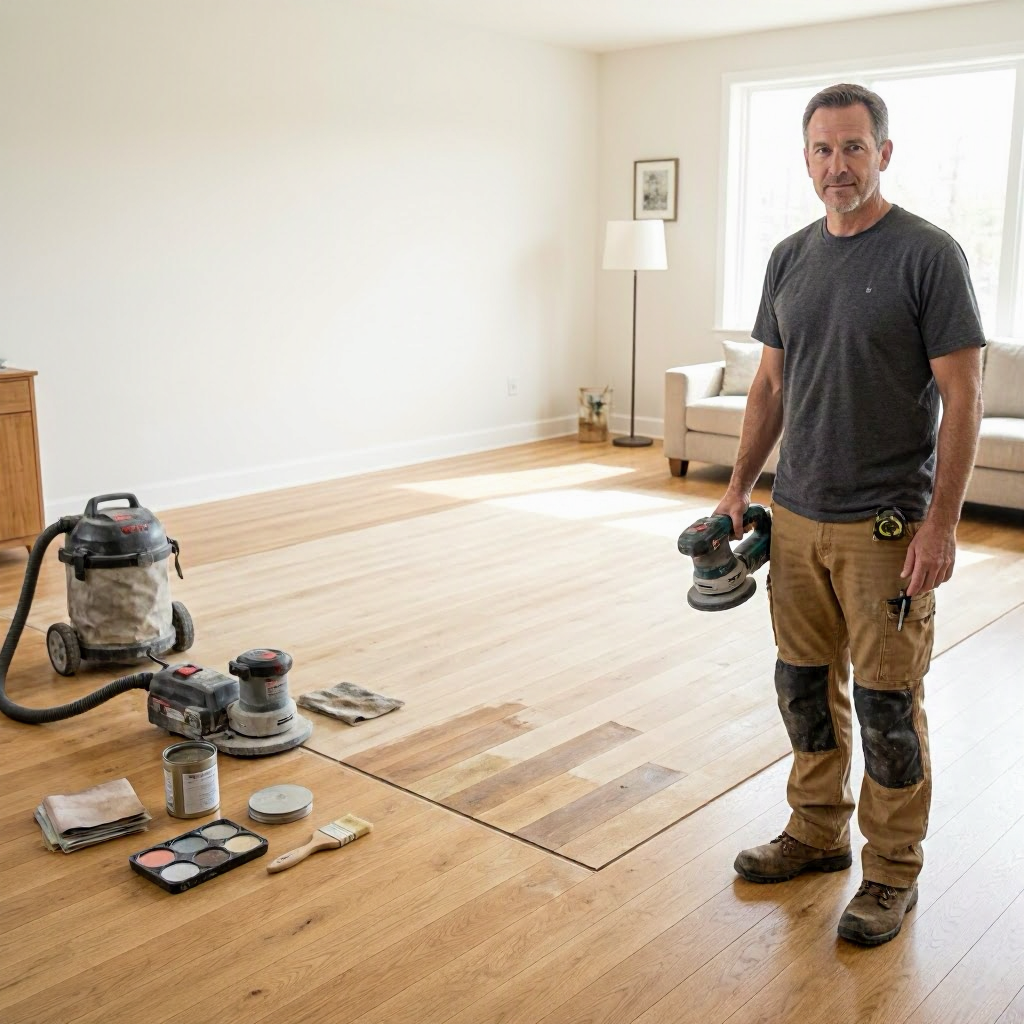
Hardwood floor refinishing cost: sanding, staining, and repairs
Understanding Hardwood Floor Refinishing
Hardwood floors add warmth and value to homes across the United States, from cozy bungalows in California to colonial-style houses in the Northeast. Over time, they show wear from foot traffic, pets, spills, and furniture scratches. Refinishing restores their shine through sanding, staining, and targeted repairs, often at a lower cost than full replacement.
This process involves removing the top layer of finish and wood, applying new stain for color, and sealing with polyurethane or similar protectants. Spot repairs fix gouges, gaps, or water damage before the full job. Homeowners tackling this project want clear cost insights to budget wisely and avoid surprises.
Costs vary widely based on floor condition, home size, location, and material choices. Urban areas like New York or San Francisco often see higher labor rates than rural Midwest spots. Always get multiple local quotes after an in-home inspection, as surface photos rarely reveal subfloor issues or moisture problems.
When to Refinish Hardwood Floors
Refinishing makes sense if your floors have dull finishes, surface scratches, or faded color but the wood itself remains solid. Expect this every 10 to 20 years, depending on use and maintenance. Test by rubbing a coin across a inconspicuous area, like inside a closet: if finish flakes easily, refinishing is likely needed.
Deeper damage signals bigger problems. Cupping from humidity, squeaks from loose boards, or widespread buckling may require repairs first or even replacement. In older homes, common in states like Virginia or Massachusetts, check for lead paint or asbestos underlays before starting, as disturbance could trigger health risks and remediation costs.
For urgent cases, like pet urine stains or post-flood damage, act quickly to prevent mold. Non-urgent wear, such as sunlight fading in living rooms, can wait for off-season scheduling to lower contractor bids.
The Refinishing Process Step by Step
Professionals follow a standard sequence to ensure even results. First, they move furniture and protect walls with plastic sheeting. Dustless sanding uses vacuum-equipped orbital machines to strip old finish down to bare wood, typically 1/16 to 1/8 inch deep.
Screening smooths high spots without aggressive removal. Repairs happen next: filling gaps with wood filler, patching gouges, or leveling subfloors. Staining applies color evenly, often water-based for faster drying or oil-based for richer tones.
Final steps include multiple coats of sealant, buffing between layers, and a cure period of 24 to 72 hours before light use. Total downtime disrupts households, so plan for pet boarding or temporary relocation if space is tight.
Breaking Down Refinishing Costs
Hardwood refinishing costs depend on square footage, damage extent, and finishes chosen. A typical 1,000-square-foot home might face a baseline project, but add-ons quickly inflate bills. Focus on per-square-foot estimates from locals, as national averages mislead due to regional differences.
Sanding alone often forms the bulk, as it requires specialized equipment rented at $100 to $300 daily for DIYers. Staining adds color customization, while repairs address specifics like pet scratches or high-traffic wear.
Expect variations: coastal humidity demands moisture-resistant sealants, while dry Southwest climates prioritize hydration during sanding to avoid cracking.
Sanding Costs
Sanding removes old polyurethane, revealing fresh wood. Drum sanders handle large areas efficiently but risk gouges if unskilled. Edge sanders tackle corners and baseboards.
Labor drives this: pros charge based on access and floor type. Solid oak demands less removal than engineered planks with thin veneers. Poor prep, like unnailed boards, extends time and cost.
Staining and Sealing Costs
Staining customizes tone, from natural blond to espresso dark. Premium stains penetrate better, resisting future wear. Water-based dry fast with low odor, ideal for homes with kids or allergies; oil-based offer durability but yellow over time.
Sealing protects with 2 to 4 coats of polyurethane, satin for matte or high-gloss for shine. Water-based versions cure quicker, minimizing disruption.
Repair Costs Before Refinishing
Repairs prevent sanding flaws. Common fixes include:
- Gouges and scratches: Wood filler or epoxy patches, sanded smooth.
- Gaps between boards: Wood strips or fillers to stop drafts and squeaks.
- Cupped or warped planks: Planing or replacement if severe.
- Squeaky spots: Shims or screws into subfloor.
- Water damage: Drying, sanding rot, and patching.
Extensive repairs, like subfloor leveling in settling homes, signal structural checks. In flood-prone Florida or hurricane-hit Gulf states, verify insurance coverage first.
Key Factors Influencing Total Costs
Several elements determine your bill. Location tops the list: high-cost cities like Boston or Seattle have 20 to 50 percent premiums over national norms due to union labor and living expenses.
Floor specifics matter too. Solid hardwoods like Brazilian cherry resist sanding better than softer pine, reducing passes needed. Engineered floors limit removal to veneer thickness, risking void exposure.
Home layout affects access: tight stairs in split-levels or islands in open kitchens raise labor. Finish quality influences price: basic water-based under premium catalyzed urethane.
Urgency plays a role; emergency jobs after spills command overtime.
| Cost Factor | Why It Matters | Examples of Impact |
|---|---|---|
| Location | Labor rates vary by region | Urban vs. rural: 30-50% difference |
| Floor Type | Affects sanding depth and repairs | Solid oak: durable; engineered: limited refinishes |
| Square Footage | Base pricing scales up | 500 sq ft kitchen vs. 2,000 sq ft whole house |
| Condition | More damage means extra prep | Minor scratches vs. pet urine rot |
| Finish Choices | Material quality and coats | Basic stain vs. custom multi-layer poly |
| Access Issues | Time for furniture move and edges | Open plan easy; multi-level hard |
Labor vs. Materials Breakdown
Labor typically accounts for 60 to 80 percent of costs, as refinishing demands skill to avoid unevenness or dust contamination. Pros invest in HEPA vacuums and respirators, justifying rates.
Materials run 20 to 40 percent: stains at $20 to $100 per gallon, poly at $50 to $150. Dustless systems add efficiency but equipment costs.
Disposal fees cover wood dust, hazardous in volume. Permits rarely apply unless structural repairs involved, but check local building departments for rules on dust control or noise.
DIY Refinishing: Feasibility and Risks
DIY appeals for cost savings, especially on small areas like hallways. Rent sanders from Home Depot or Lowe's, buy supplies from Sherwin-Williams, and follow manufacturer guides.
Suitable for: Minor scratches on 200 square feet or less, experienced woodworkers.
Not recommended for: Whole-house jobs, valuable antiques, or moisture-damaged floors. Uneven sanding creates dips; improper dust control coats everything in grit.
Safety first: wear respirators against fine dust linked to respiratory issues. Orbital sanders reduce swirl marks but require practice. Failed DIY often costs more for pro fixes.
Steps if attempting:
- Clear and clean the area.
- Nail loose boards.
- Sand progressively: coarse to fine grit.
- Vacuum thoroughly between steps.
- Stain, dry, seal with thin coats.
Test stain on scraps. Allow full cure before rugs or traffic.
Hiring a Professional Refinisher
Professionals deliver consistent results with warranties. Look for members of the National Wood Flooring Association (NWFA), signaling training.
Verify licensing where required, like California contractors needing CSLB numbers. Ask for general liability insurance covering property damage and workers' comp.
Bonding protects against unfinished jobs. Reputable firms provide 1- to 5-year warranties on labor and materials.
Questions to Ask Before Hiring
Get answers in writing:
- Are you licensed, insured, and bonded? Provide proof.
- What's included: sanding, repairs, staining, sealing, cleanup?
- How many coats of finish? What type?
- Warranty details and duration?
- Payment terms: deposit, milestones, final?
- Timeline and disruption plan?
- Subcontractors used?
Request references from similar jobs.
Getting and Comparing Estimates
Start with 3 to 5 quotes from local pros via Angi, HomeAdvisor, or NWFA directories. Provide floor photos, measurements, and condition details.
In-home inspections reveal hidden issues like subfloor rot. Written estimates should detail line items: labor hours, materials, repairs.
Compare apples-to-apples: same scope, finishes. Watch for lowballs omitting repairs.
Red flags: Full upfront payment, verbal promises, no insurance proof, pressure tactics.
Negotiate off-season or bundle with repairs.
Special Considerations for Homeowners and Renters
Homeowners: Check if refinishing qualifies for HUD 203(k) loans for fixer-uppers (hud.gov/hud-partners/single-family-203k). Historic homes may need preservation board approval.
Insurance covers sudden damage like pipe bursts but not wear. Home warranties sometimes include floors; review policy.
Renters: Review lease for floor responsibilities. Contact landlord for major wear; they often handle refinishing. Document damage with photos before move-in and notify promptly.
Condo/HOA: Common areas or shared stains may require board approval. Exterior access affects costs.
Common Upsells and How to Avoid Overpaying
Pros may push premium stains or extra coats. Confirm needs via inspection.
Unnecessary "full screen and recoat" on lightly worn floors skips sanding expense. Decline unless dullness persists.
Dustless upgrades sound good but verify if standard equipment suffices. Bundle repairs quoted separately.
Keep records: photos before/after, invoices, communications. Dispute via credit card if unsatisfied.
Integrating Repairs into Refinishing
Refinishing pairs well with fixes. Address pet damage by sanding deeper and sealing against urine. Tighten stairs during access.
Subfloor issues in basements need leveling compounds. For gaps from seasonal shrinkage, use rope fillers pre-stain.
If rot suspected, pros cut and sister new joists, coordinating with structural engineers.
Maintenance to Prolong Refinishing Results
Prevent repeat costs with habits:
- Use felt pads under furniture.
- Clean weekly with wood-safe products like Bona.
- Avoid steam mops; excess water warps.
- Humidity control: 40-60% via dehumidifiers.
- No direct rugs without breathers.
- Annual recoat possible after 3-5 years lightly.
These extend life 10+ years.
Financing Options for Larger Projects
For whole-house jobs, consider home equity lines or personal loans. HUD home improvement loans assist low-income owners (hud.gov/helping-americans/home-improvements).
Credit cards work for small areas but watch interest.
Final Steps Before Starting
Measure accurately, including closets. Vacuum thoroughly pre-inspection.
Gather quotes, check reviews on BBB.org. Schedule during mild weather to aid drying.
Post-job, ventilate and avoid traffic. Document for insurance or resale.
Refinishing revitalizes homes affordably when planned right. Local pros provide tailored pricing, ensuring value.

About the TDL Expert Panel
TDL Expert Panel · TheDigitalLife Editorial Team
TDL Expert Panel is the editorial team behind TheDigitalLife. The team researches, reviews, and creates practical guides to help everyday readers make better decisions about home repair costs, refunds, AI tools, digital safety, productivity, and useful online resources. Each guide is written to be clear, useful, and easy to understand.