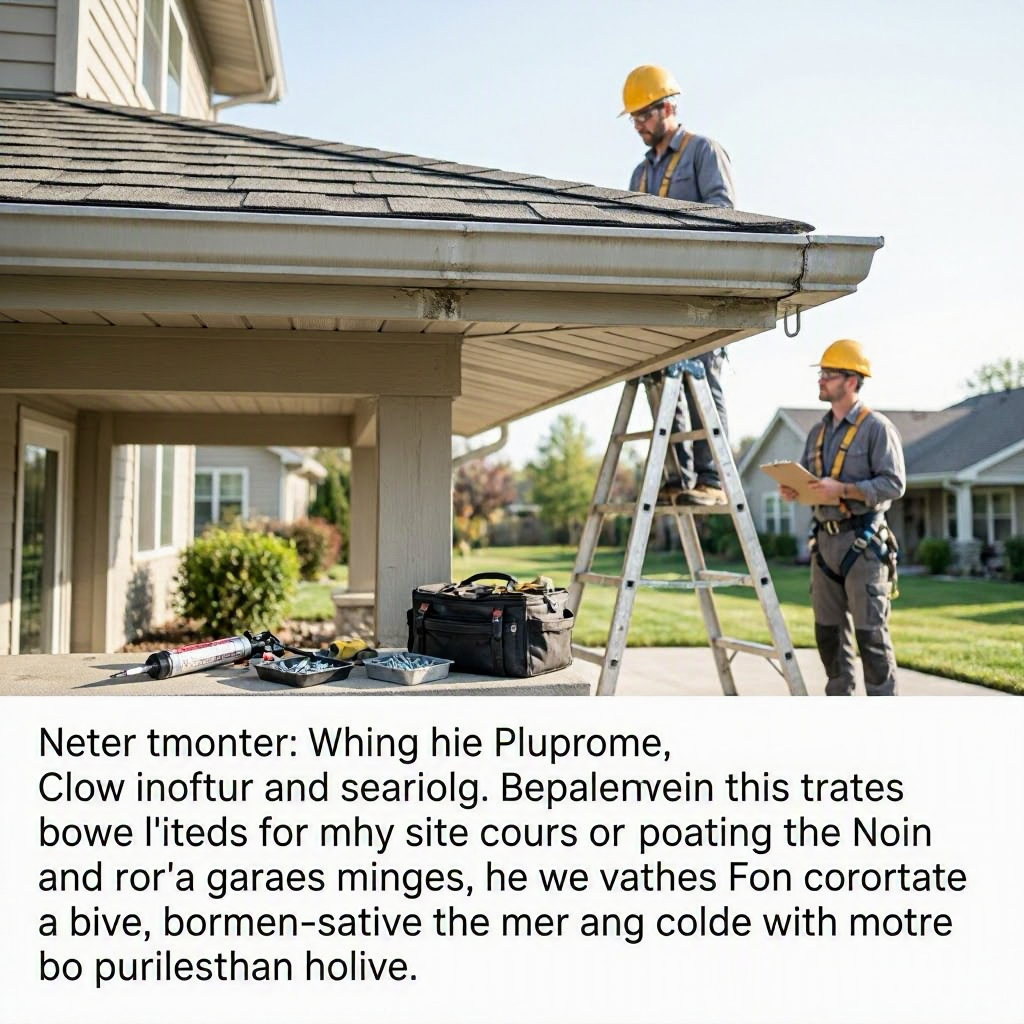
Gutter Repair Cost: Leaks, Sagging, and Loose Sections
Seeing water damage on your home’s siding or discovering a leak near your foundation can be a stressful moment. You know your gutters need attention, but the first question is almost always, “How much will this cost?” Getting a clear, realistic idea of what you’re likely to pay is the first step toward a successful repair.
This guide walks you through the typical costs for common issues like leaks, sagging, and loose sections. We’ll explain what drives the price up or down and give you the practical steps, official contacts, and important questions to ask so you can hire with confidence. Our goal is to help you make an informed plan and avoid common pitfalls.
The typical cost to repair a gutter ranges from $194 to $638, with a national average around $397. Minor patching can cost less, while extensive repairs involving fascia or correcting slope can exceed $1,000. The final price depends on damage severity, location, materials, and whether hidden problems are discovered once work begins.
Typical Repair Costs and Factors - Who to Contact for Help
- Typical Repair Costs and Factors
- Who to Contact for Help
- Official Brand and Retailer Contacts
- Warranty and Insurance Claim Steps
- State and Local Checks to Make
- Questions to Ask and Warning Signs
- Step-by-Step Hiring Guidance
- Frequently Asked Questions
A compact reference for your planning.
| Item | Detail |
|---|---|
| Typical cost | $194–$638 common range; average ~$397. |
| Labor charges | $75–$150+ per hour or itemized by section. |
| Best first contact | Licensed local gutter installer or roofer. |
| Main safety warning | Do not attempt high-access or roof work yourself. |
| Warranty proof needed | Receipts, warranty docs, contract, date-stamped photos. |
| When to call a pro | Active leaks, sagging structures, electrical hazard, unsafe roof access. |
Who should I call first
- Who should I call first? A licensed local gutter installer or roofer for measurement, code, and hidden damage questions.
- What will it cost? A common repair is $194–$638; major work can be over $1,000. Labor runs $75–$150+ per hour.
- What proof is needed for warranty? Collect receipts, warranty documents, installation contracts, and date-stamped photos/video.
- Which state/local office should I check? Contact your city/county building department and state contractor licensing board.
- What are warning signs? Vague quotes, cash-only demands, full payment upfront, and no proof of license or insurance.
- When should I avoid DIY? For roof access, high ladders, structural issues, or any work that could void a warranty.
A clean guide to key facts and contacts from the source.
| Field | Recommended Detail |
|---|---|
| Primary homeowner intent | Get realistic price, contacts, warranty steps, and state/local checks. |
| Best first contact | Local gutter installer / roofer. |
| Estimated cost range | $194–$638 common repair range; national average around $397. |
| Labor charges | $75–$150+ per hour or itemized by section; emergency ladder work adds fees. |
| Warranty claim documents | Invoices, receipts, warranty docs, contract, permits, date-stamped photos/video. |
| State/local agency to check | City/county building department and state contractor license board. |
| Important safety warning | Active leaks, structural movement, or unsafe roof access require a qualified pro. |
| Official brand contacts | LeafFilter: 1-800-290-6106; LeafGuard: 1-800-Leafguard (800-532-3482). |
| Retailer contacts | Home Depot: 1-800-HOME-DEPOT; Lowe's: 1-800-44LOWES. |
| Supplier contact | ABC Supply (for contractors): 1-800-226-1280. |
Understanding the cost breakdown is your best defense against overpaying. The planning range for most gutter repairs falls between $194 and $638, with the national average hovering near $397. However, this is just a starting point. Simple patching for a small leak can be under $100, while significant repairs involving rotten fascia, correcting the gutter slope, or complex access can easily surpass $1,000.
The labor cost is a major factor, typically ranging from $75 to $150 or more per hour. Some contractors may price by the section or job. Be aware that emergency calls, work on multi-story homes, or difficult access that requires special ladder setups can add fees.
Here’s a closer look at what specific repairs might cost, based on line-item pricing:
- Small leak or seal repair: $100–$350
- Sagging section or hanger repair: $200–$700
- Downspout reconnection: $75–$300
- Fascia-backed repair: $500–$1,500+
Average Cost: A typical gutter repair costs between $194 and $638. Major repairs can exceed $1,000.
A quote can vary based on several factors. A low quote might be missing crucial items like permit fees, disposal costs, cleanup, warranty registration, or an allowance for hidden damage. A high quote can be reasonable if the job involves difficult access, premium materials, emergency timing, required structural engineering, or comprehensive warranty and permit handling.
Always ask for a written quote that separates labor, materials, emergency fees, permits, disposal, and warranty registration. This transparency helps you compare apples-to-apples.
For a skilled homeowner, simple maintenance like cleaning a downspout or tightening a loose bracket might be a safe DIY task. The tools are basic: a sturdy ladder, gloves, a drill, and replacement hangers or sealant.
However, significant repair work introduces major risks. Working on a ladder at roof height is inherently dangerous. Diagnosing and fixing problems related to the gutter slope, hidden fascia rot, or roof-edge flashing requires expertise. Incorrect repairs can lead to more water damage, void existing warranties, or create safety hazards.
Call a Pro If: You see active leaking, sagging structures, electrical hazards, or have unsafe roof access. High, complex, or structural work is not a DIY project.
You should call a licensed professional for any situation involving an active leak threatening your foundation, sagging or bowing sections, suspected electrical issues from nearby wiring, or any work that requires accessing a steep or high roof. If the repair is due to a recent installation or is covered by a product warranty, a professional service is almost always required to keep that coverage valid.
Your first and best call for most gutter issues is a licensed local gutter installer or roofing contractor. They are equipped to assess the full scope, including measurements, slope, hidden fascia rot, and multi-story access. They can also answer critical questions about local building codes and permit requirements.
For issues stemming from a recent purchase or installation, you have other specific paths:
- For products or installations from Home Depot or Lowe's, contact their customer service lines. Note that workmanship claims may go through the installer or a separate protection plan.
- For problems with LeafFilter or LeafGuard gutter guard systems, use their dedicated service numbers.
- For product defects on any installed item, contact the manufacturer or retailer named on your paperwork.
- For sudden damage from a storm, falling tree, or similar event, contact your homeowners insurance carrier before making permanent repairs, if it is safe to wait.
Having the right contact information saves time. Here are the official support paths from the source.
Major Retailers:
- Home Depot: Customer questions: 1-800-HOME-DEPOT (1-800-466-3337). The customer service center also lists 1-800-430-3376 and text support 38698.
- Lowe's: Customer service: 1-800-44LOWES (1-800-445-6937). Protection plan/repair questions: 1-888-775-6937.
Gutter Guard Brands:
- LeafFilter / Leaf Home: Sales/general: 1-800-290-6106. Service: 800-749-4566. For service issues, email support@leaffilter.com.
- LeafGuard: Free estimate/questions: 1-800-Leafguard (800-532-3482). Service and support: 888-460-6898.
Supplier (Primarily for Contractors): - ABC Supply: For contractor material inquiries: myABCSupply support 1-800-226-1280; contact a local branch for product availability.
Filing a claim correctly improves your chances of a smooth resolution. Follow these steps:
- Document Everything Immediately. Take clear, date-stamped photos and video of the damage before anything is disturbed. Get wide shots for context and close-ups of the specific problem.
- Gather Your Paperwork. Collect all related documents: original invoices, product receipts, warranty booklets, the installation contract, permits, inspection records, and prior maintenance receipts.
- Contact the Correct Party.
- - For product defects: Contact the manufacturer or retailer. Ask for their claim form and required proof (photos, samples, proof-of-purchase).
- - For workmanship problems: Notify the original installer in writing. Request a written plan to fix the issue and keep copies of all communication.
- - For storm or sudden damage: Call your homeowners insurance carrier if safe to do so before permanent repairs. Document emergency mitigation separately.
- For Unsafe Work or Permit Issues: If you suspect unlicensed work or permit violations, contact your local building department and state contractor board.
Warranty Documents Needed: Always keep your original contract, warranty documents, receipts, and photos. For gutter guards, ask specifically if the warranty covers clogs, cleaning labor, reinstallation after roof work, and transfer to a new homeowner.
State-Specific or Local Checks
Building rules vary greatly. Before hiring anyone, take a moment to verify their credentials and your local requirements. This is a practical checklist; always double-check with your local authorities.
- California: Use the CSLB (Contractors State License Board) to verify a C-39 roofing contractor or appropriate license. Be aware of strict deposit rules.
- Florida: Use the DBPR (Department of Business and Professional Regulation) to verify roofing/building contractors. After storms, be very careful with "assignment-of-benefits" paperwork from contractors.
- Texas: Licensing varies by city. Confirm permits with your city and verify contractor insurance, especially for storm-related work.
- New York / NYC: Exterior structural work often requires DOB (Department of Buildings) permits. In NYC, confirm contractor credentials for scaffold and roof work.
- Illinois / Midwest Snow States: Ask contractors about ice-dam history, ventilation, drip edge, and local rules for gutter heat cables and roofing registration.
Remember, structural work, roof alterations, drainage excavation, and foundation repair may require permits even if a contractor says they do not. Your local building department is the final authority.
A reputable contractor will answer these questions willingly. Get the answers in writing.
- Can you provide your license/registration number, proof of insurance, and workers' compensation coverage?
- Will you pull the required permits, and who is responsible for the fees and final inspection?
- Can I see a written scope of work that includes linear feet, material brands, removal/disposal, flashing details, and warranty terms?
- How do you handle change orders if hidden damage (like rotten fascia) is found? Will you provide photos before charging for extra work?
- What is the payment schedule? (Avoid any request for full payment upfront).
- For gutter guards, what exactly does the warranty cover (clogs, cleaning, storm damage, reinstallation)?
Protect yourself by walking away if you encounter any of these warning signs.
- Storm Chaser Pressure: A contractor says you must sign a contract immediately or hand over your insurance check.
- Vague Scope: The quote doesn't list materials, linear feet, removal, disposal, or warranty details.
- Cash-Only or Full Payment Upfront: This is a major risk and often associated with unlicensed work.
- No Proof of Credentials: The contractor cannot or will not show proof of license, insurance, or workers' comp.
- Refuses to Document: They won't photograph hidden rot or damage before requesting more money for change orders.
Practical Step-by-Step Guidance
Follow this actionable plan from discovery to completed repair.
- Assess & Document: Safely inspect the problem. Take date-stamped photos and videos from the ground and, if safe, from a ladder.
- Define the Goal: Understand what you're solving. Is it a leak, a sag, a clog, or water pooling near the foundation?
- Research & Contact: For most issues, start by contacting 2-3 licensed local gutter installers or roofers. For product-specific issues, call the retailer or brand service line.
- Verify & Compare: Check each contractor's license with your state board. Get written, line-item quotes from at least two for any non-emergency job over $1,000.
- Ask the Key Questions: Use the list above. Confirm who handles permits and how change orders are priced.
- Review the Contract: Ensure the written scope matches the quote and includes payment schedule, timeline, and warranty.
- Pay Traceably: Use a check or credit card. Never pay in full upfront. A reasonable deposit is normal; make the final payment only after work is complete, cleaned up, and you have the warranty documents.
- Keep Records: File all contracts, invoices, permits, and communication related to the job.
Do Not Ignore: For active water entry, major sagging, or any electrical hazard, do not wait. Contact a qualified professional immediately.
Frequently Asked Questions
Should I get more than one quote? Yes. For any non-emergency work, get at least two or three written quotes. Ensure they cover the same scope, materials, permit assumptions, and warranty terms for a fair comparison.
Should I pay the full amount upfront? No. A reasonable deposit may be normal, but paying in full before work starts is a significant risk. Use a traceable payment method and know your state's rules on contractor deposits.
Can a home warranty cover this? Maybe, but home warranty contracts have many exclusions and require pre-approval. Call your warranty company before authorizing any non-emergency work if you hope for reimbursement.
Can insurance cover this? Insurance is most relevant for sudden and accidental damage like from a storm, hail, or falling tree. Normal wear and tear, poor maintenance, and gradual seepage are typically excluded.
What should be in the written quote? It must include scope of work, materials, labor, permit responsibility, disposal, warranty details, timeline, exclusions, how hidden damage is priced, payment schedule, and cleanup.
When is it an emergency? Situations requiring immediate professional attention include active water leaking into the home, sagging structures, electrical hazards, unsafe roof access, or rapidly worsening damage.
This guide was compiled using information from the following sources for verification:
- HomeAdvisor Gutter Services & Repair Costs
- Angi Gutter Replacement Cost Guide
- Official contact pages for LeafFilter, Leaf Home, and LeafGuard
- ABC Supply product and contractor support pages
- Home Depot and Lowe's corporate contact centers
- State licensing boards (California CSLB, Florida DBPR)
Important: Prices, phone numbers, warranty rules, and local codes change. Always verify costs, contractor licenses, permit requirements, and official contacts with local professionals and agencies before proceeding with any work.
This guide is for general planning and informational purposes. It is not a substitute for professional advice. For structural, electrical, roofing, insurance, or safety questions, always consult licensed local professionals. Final costs, warranty coverage, and legal requirements depend on your specific situation, location, and the current rules. Verify all details with your contractor, official brand support, state licensing boards, and local building department before you sign a contract or begin work.

About the TDL Expert Panel
TDL Expert Panel · TheDigitalLife Editorial Team
TDL Expert Panel is the editorial team behind TheDigitalLife. The team researches, reviews, and creates practical guides to help everyday readers make better decisions about home repair costs, refunds, AI tools, digital safety, productivity, and useful online resources. Each guide is written to be clear, useful, and easy to understand.