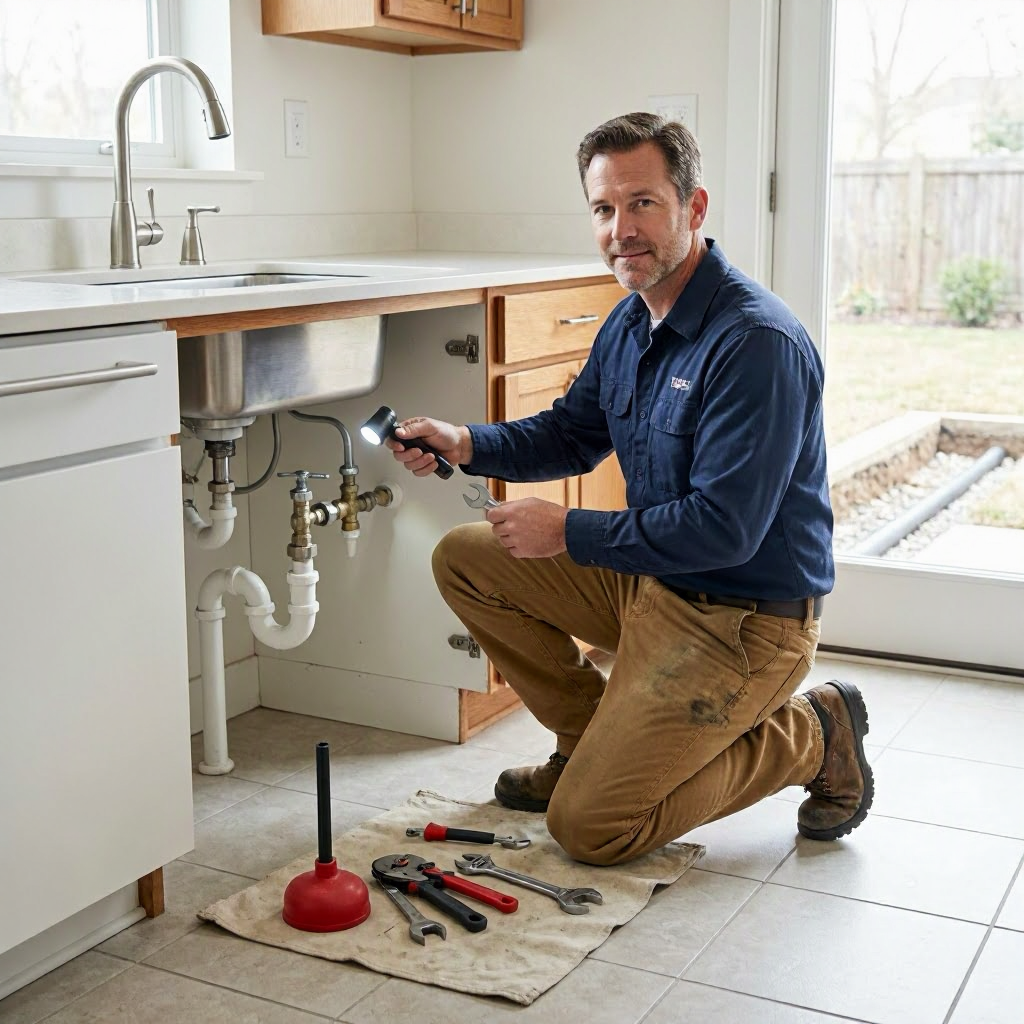
French drain installation cost for yard or basement drainage
What Is a French Drain and Why Install One?
A French drain is a trench filled with gravel or rock containing a perforated pipe that redirects groundwater away from your home's foundation, yard, or basement. Water enters the pipe through small holes and flows downhill to a safe discharge point, like a storm drain or dry well. This simple system prevents pooling water, soil erosion, foundation cracks, and basement flooding.
Homeowners in the United States often consider French drains for soggy yards that turn into mud pits after rain or basements with persistent dampness and water seepage. In areas with heavy rainfall, clay-heavy soil, or high water tables, like parts of the Midwest or Southeast, poor drainage can lead to costly structural damage if ignored. Installing one proactively or as a repair can protect your property value and avoid emergency fixes.
Yard installations handle surface runoff, while basement versions focus on subsurface water pressing against walls. Both reduce hydrostatic pressure but differ in depth, excavation, and access challenges.
Signs Your Yard or Basement Needs Better Drainage
Look for standing water in your yard after rain that doesn't soak in within hours, or soggy spots where grass dies or mosquitoes breed. Eroding soil near the foundation, cracks in basement walls, or musty odors signal trouble. In basements, efflorescence (white powdery deposits on walls) or mold growth points to moisture intrusion.
For yards, sloped driveways channeling water toward the house or basement windows below grade height increase risks. Test by observing water flow during storms: if it pools against your home instead of away, a French drain may help. These issues worsen over time, potentially leading to foundation settling or wood rot.
Renters should document these problems with photos and notify the landlord promptly, as major drainage work often falls under their responsibility per most leases.
Overall Cost Range for French Drain Installation
French drain installation costs vary widely based on project scope, but homeowners typically pay between $2,000 and $18,000 for a standard job, or about $10 to $50 per linear foot. Yard systems for 50 to 100 feet might run $1,000 to $5,000, while full basement perimeter drains enclosing 1,000 square feet of foundation can exceed $10,000.
These figures account for national averages adjusted for local factors, but actual quotes depend on your ZIP code, home size, and site conditions. Labor often makes up 50% to 70% of the total, with materials 20% to 40%. Always get multiple written estimates from local pros, as prices in urban areas like California or New York run higher than in rural Midwest spots.
Urgency bumps costs: emergency installs during flooding add 20% to 50% premiums. Financing options like HUD's 203(k) rehabilitation loans can help if tying into broader home improvements; check HUD's home improvements page for eligibility.
Key Factors Affecting French Drain Costs
Several variables drive the final price. Understanding them helps you budget realistically and spot padded estimates.
Project Length and Coverage Area
Longer trenches mean more digging, pipe, gravel, and labor. A 50-foot yard drain costs less than a 200-foot perimeter around a basement. Coverage for sloped yards requires fewer feet than flat, low-lying ones.
Soil Type and Site Conditions
Rocky or clay soil demands heavier equipment like mini-excavators, raising labor by 30% to 50%. Sandy soil drains naturally, potentially simplifying installs. Tree roots, slopes, or concrete patios nearby complicate access and add removal fees.
Location: Yard vs. Basement
Yard French drains average lower costs due to shallower digs (1 to 2 feet deep) and easier access. Expect $15 to $30 per foot.
Basement drains (interior or exterior) hit $20 to $50+ per foot. Exterior ones require digging next to the foundation (4 to 6 feet deep), often needing underpinning or wall excavation. Interior sump pump tie-ins add $500 to $2,000.
Depth and Slope Requirements
Deeper installs for basements increase costs exponentially due to shoring, waterproofing membranes, and backfill. Proper 1% to 2% downhill slope ensures flow; poor grading leads to failures and rework.
Materials Breakdown and Cost Drivers
Materials include perforated PVC or corrugated pipe (4 to 6 inches diameter), landscape fabric, gravel (washed stone 3/4-inch size), and fittings. A basic kit for 50 feet might cost $200 to $500 at home centers, but pros source bulk for efficiency.
| Material | Purpose | Typical Cost Influence |
|---|---|---|
| Perforated Pipe | Collects and channels water | $1 to $3 per foot; rigid PVC lasts longer than flexible |
| Gravel/Rock | Filters water, prevents clogs | $20 to $50 per ton; volume based on trench width (8-12 inches) |
| Filter Fabric/Geotextile | Blocks silt from pipe | $0.50 to $1 per foot; essential in silty soils |
| Fittings/End Caps/Sumps | Connections and outlets | $50 to $300 total; cleanouts add $100 each |
Opt for Schedule 40 PVC in high-traffic yards for durability. Poor materials lead to clogs, so verify specs in estimates. Disposal of excavated soil adds $200 to $1,000 if hauling off-site.
Labor Costs and What Influences Them
Labor runs $50 to $150 per hour per worker, with crews of 2 to 4 for 1 to 5 days. Excavation dominates: manual digging for small yards saves money, but machines for basements speed it up yet cost more upfront.
Accessibility matters: tight basements or fenced yards require handwork, hiking rates. Seasonal demand peaks in wet springs, adding 10% to 20%. Licensed drainage contractors charge more than general landscapers but offer warranties.
Permits, Inspections, and Code Considerations
Many U.S. municipalities require permits for drainage work altering grading or tying into sewers, costing $50 to $500. Check your local building department; foundation-adjacent digs often need inspections to prevent undermining.
HOA neighborhoods may mandate approvals for visible yard changes. Interior basement work seldom needs permits unless plumbing tie-ins occur. Skipping them risks fines or failed home sales during inspections.
DIY French Drain Installation: Is It Feasible?
DIY suits small yard projects under 50 feet on accessible, gently sloped flat ground with soft soil. Rent a trencher ($100 to $200/day) and buy materials for $500 to $2,000 total, saving 50% to 70% over pro costs.
Steps for a Basic Yard DIY
- Plan the route: Mark a downhill path from problem area to outlet, maintaining 1% slope (1 foot drop per 100 feet).
- Call 811: Locate utilities free before digging.
- Dig trench: 12 inches wide, 18 to 24 inches deep.
- Line with fabric, add 2 inches gravel, lay pipe (holes down), cover with gravel to pipe top.
- Wrap fabric over, backfill with soil, seed grass.
Tools needed: shovel, level, string line, wheelbarrow. Work in sections to manage spoil.
Safety warnings: Never DIY near foundations, utilities, or steep slopes, collapse risks exist. Basements require pros for deep excavation and waterproofing. Improper installs fail quickly, costing more to fix.
DIY suits small yards but not basements:
- Skill Level: Beginner/Intermediate for yard (small), Expert/Pro Only for basement
- Tools Needed: Shovel, trencher rental for yard; Excavator, sump pump (dangerous) for basement
- Risk if Wrong: Minor redig for yard; Foundation damage, flooding for basement
- Estimated Savings: High (50-70%) for yard; None (not recommended) for basement
Test post-install: Flush with hose; water should flow freely.
When to Hire a Professional Drainage Contractor
Call a pro for basements, long runs, poor soil, or signs of foundation issues. Look for licensed landscapers, foundation specialists, or waterproofing firms with drainage experience. They handle permits, warranties (1 to 10 years typical), and guarantees against clogs.
Exterior basement drains often pair with dimple board or membranes for $5 to $15 per square foot extra. Pros assess water table via test holes, preventing undersized systems.
Getting Accurate Quotes: Step-by-Step Guide
- Research locals: Use sites like Angi or HomeAdvisor for vetted pros; ask neighbors for referrals.
- Prep your site: Clear debris, note problem spots, measure rough lengths.
- Request 3+ written estimates: Detail scope (yard/basement, length, outlet).
- Site visit: Insist on in-person inspections, no phone quotes for accuracy.
Compare line-by-line: pipe type, gravel volume, labor hours, disposal.
Questions to Ask Before Approving an Estimate
- Is this for interior, exterior, or yard? What's the recommended depth and slope?
- What pipe and gravel specs? Any filter fabric or cleanouts?
- Are permits, inspections, soil disposal, and cleanup included?
- Who's doing the work, your crew or subs? Licensed, bonded, insured?
- What's the warranty on labor and materials? Payment schedule?
- How do you handle surprises like roots or rock?
- Can I see references or past yard/basement jobs?
Watch for: Vague "diagnostic fees" without caps, full upfront payment demands, or pressure for immediate starts. Legit estimates itemize everything.
Sample Estimate Review Checklist
- Total price per foot: Matches local norms?
- Labor hours: Realistic for scope (e.g., 20-40 hours for 100 feet)?
- Materials list: Quantities make sense?
- Extras flagged: Like sump pumps ($800-$2,000)?
- Timeline: 1-3 days typical?
- Changes policy: Written approval needed?
Decline if no warranty or missing insurance proof.
Insurance, Warranties, and Financing Options
Homeowners insurance covers sudden flooding from storms but excludes gradual poor drainage or wear. File claims for verified water damage first, but installs are rarely covered, treat as maintenance.
Home warranties might cover sump pumps tied to drains; review your policy. Manufacturer warranties on pipe (20-50 years) transfer with home.
For costs over $5,000, explore HUD 203(k) loans via FHA-approved lenders for bundled repairs. Visit HUD's site for details on home improvements.
Yard vs. Basement: Detailed Cost Comparison
Yard systems excel for surface issues: swales or curtain drains along property lines cost less, blending into landscaping. Add pop-up emitters ($20 each) for outlets.
Basement perimeter drains demand precision: exterior digs risk wall damage, often needing hydraulic jacks for support ($1,000+). Interior "footing drains" pipe under slabs to sumps avoid outdoor work but require jackhammering slabs ($3,000-$8,000).
Hybrid approaches, like yard drains feeding basement sumps, optimize costs.
| Feature | Yard French Drain | Basement French Drain |
|---|---|---|
| Depth | 1-2 feet | 4-8 feet |
| Access Ease | High | Low (Confined) |
| Common Add-Ons | Catch basins ($200) | Sump pump ($1,000), Membrane ($5/sq ft) |
| Urgency | Can wait | Often urgent (Flood risk) |
| Pro Requirement | Often DIY OK | Almost always |
Maintenance to Extend Drain Life and Avoid Extra Costs
Annual checks prevent clogs: flush pipes with hose, inspect outlets for debris. Regrade yard if settling occurs. Clean sumps monthly in wet seasons.
Vegetation over gravel signals silt buildup, dig test holes yearly. Budget $100 to $300 for pro cleanings every 3-5 years.
Renters, Condo Owners, and HOA Considerations
Renters: Notify landlord with photos/videos of water issues. Leases typically assign structural drainage to owners; don't DIY major work without permission.
Condo/HOA: Common area drains or foundation work go through the association. Get board approval; fees may apply.
Mobile homes: Focus on perimeter yard drains; check park rules.
Preventing Future Drainage Problems
Install gutters with extensions directing roof water 5-10 feet away. Grade soil 6 inches drop over 10 feet from foundation. Aerate clay yards annually.
Xeriscaping with permeable pavers reduces runoff. Early action saves thousands versus foundation repairs ($10,000+).
Document everything: before/after photos, estimates, invoices for insurance or resale proof. This empowers smart decisions on French drain installs tailored to your yard or basement needs.

About the TDL Expert Panel
TDL Expert Panel · TheDigitalLife Editorial Team
TDL Expert Panel is the editorial team behind TheDigitalLife. The team researches, reviews, and creates practical guides to help everyday readers make better decisions about home repair costs, refunds, AI tools, digital safety, productivity, and useful online resources. Each guide is written to be clear, useful, and easy to understand.