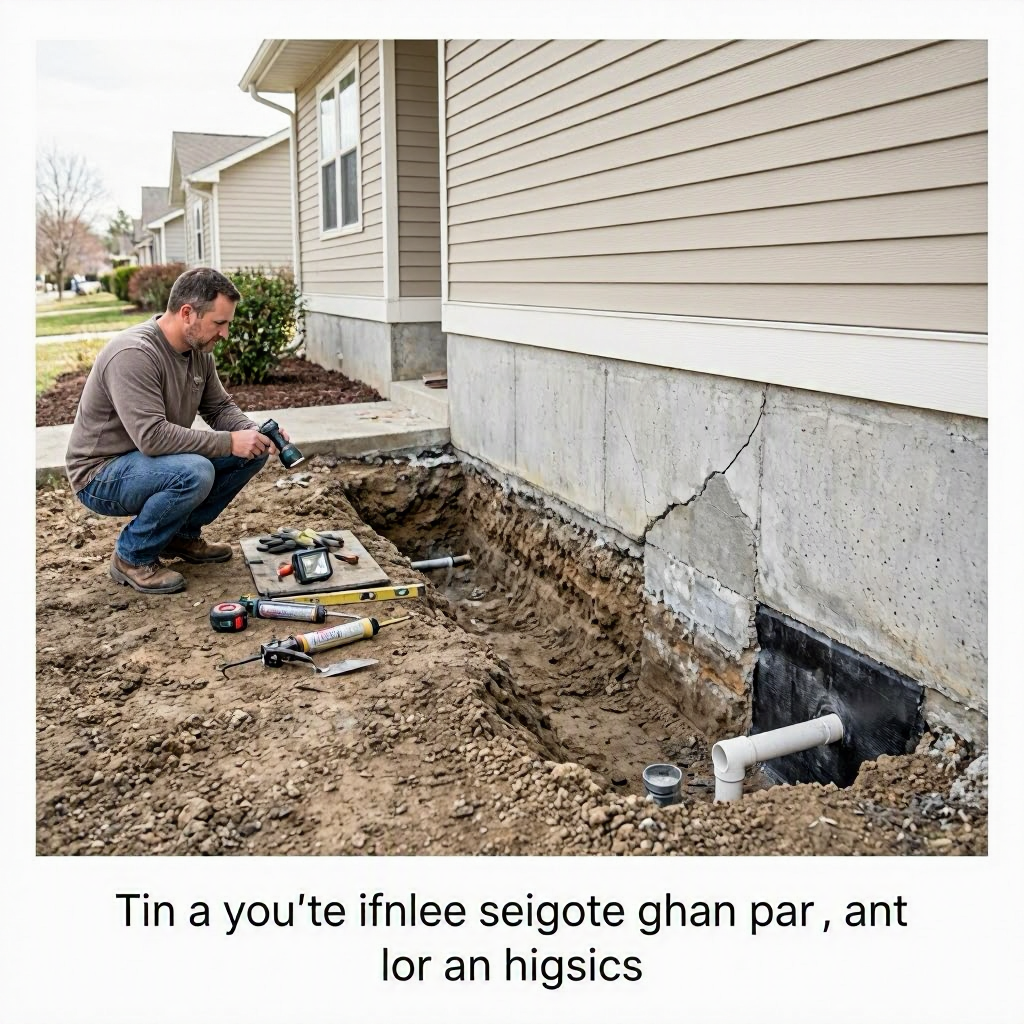
Foundation Repair Cost in the USA
Foundation repair is a major project that most homeowners hope to never face. When signs of trouble appear-like new cracks, sticking doors, or uneven floors-it can be stressful and confusing. This guide helps you understand the typical costs, the key professionals involved, and the steps you need to take to make an informed decision, from getting a quote to verifying a contractor's license.
Our goal is to provide a practical reference for planning, hiring, and ensuring the work is done correctly. We’ll cover realistic price ranges, who to call first, and the important checks you should complete before signing any contract.
The typical planning range for foundation repair in the USA is $2,225 to $8,133, with a national average around $5,174. Major repairs requiring piers or underpinning can exceed $20,000. Your first contact for significant issues like bowing walls or major settlement should be a licensed structural engineer. For cost and contractor verification, always get multiple quotes and check with your local building department.
| Item | Detail |
|---|---|
| Typical cost | $2,225–$8,133; average around $5,174 |
| Pro service cost | Foundation contractor, engineer, and drainage crew |
| Best first contact | Licensed structural engineer |
| Main safety warning | Do not wait for active leaks, electrical hazards, or major structural movement. |
| Warranty proof needed | Installation contract, warranty documents, photos, permits, and inspection records |
| When to call a pro | For structural work, major cracks, bowing walls, or any load-bearing element. |
Who to call first
- Who to call first? A licensed structural engineer for diagnosis before a contractor for major issues.
- What will it cost? Plan for $2,225 to $8,133 on average, but get local quotes.
- What proof is needed? Date-stamped photos/video, contracts, permits, and all receipts.
- Which office to check? Your city/county building department and state contractor license board.
- What are warning signs? Widening cracks, bowing walls, sudden sticking doors, or uneven floors.
- When to avoid DIY? For any structural repair, foundation stabilization, or load-bearing work.
| Field | Detail |
|---|---|
| Main customer question | Realistic price, who to call, warranty/insurance steps, and local checks. |
| Best first contact | Licensed structural engineer for diagnosis. |
| Estimated cost range | $2,225–$8,133 common; major repairs >$20,000. |
| Labor charges | Foundation contractor, engineer, drainage/concrete crew. Soil report: $500–$3,000. |
| Official brand contacts | Ram Jack: (888) 330-2597. Groundworks: 1-855-976-0804. Basement Systems: 1-800-638-7048. Foundation Supportworks: (800) 281-8545. |
| Warranty claim documents | Invoices, product receipts, warranty docs, installation contract, permits, inspection records. |
| State/local agency | City/county building department for permits; state license board (e.g., CA CSLB, FL DBPR). |
| Safety warning | Do not delay for active leaks, electrical hazards, or major structural movement. |
| Important URLs | CA CSLB: cslb.ca.gov, FL DBPR: myfloridalicense.com, NYC DOB: nyc.gov/site/buildings, Call 811: call811.com |
Foundation repair costs vary widely based on damage severity, location, access, and required solutions. Use the following breakdown as a reference when reviewing quotes.
Average Cost: The common national planning range is $2,225 to $8,133, with an average around $5,174.
Here is a typical line-item breakdown:
- Minor crack sealing: $250 to $800
- Moderate stabilization: $2,225 to $8,133
- Piers/underpinning: $5,000 to $20,000+
- Soil report/engineering: $350 to $3,000
- Drainage correction: $500 to $5,000+
Labor typically involves a foundation contractor, possibly a structural engineer, and a drainage or concrete crew. A crucial but sometimes overlooked cost is a soil report, which can add $500 to $3,000 but is vital for diagnosing the root cause in areas with expansive clay or poor drainage.
Low quotes may be missing critical items like permits, disposal, warranty registration, or allowances for hidden damage. High quotes can be reasonable for difficult access, multi-story homes, premium materials, emergency timing, or when they include full engineering and permit handling.
Cosmetic maintenance, like filling very minor, non-structural cracks, may be within a confident DIYer's ability. However, the risks of incorrect foundation work are severe.
DIY is usually safe only if the work is purely cosmetic and does not involve structural support, soil, drainage, or load-bearing elements. The required skills and tools for anything beyond this are extensive and specialized.
Call a Pro If: You see bowing walls, settlement, beam issues, major cracks, or need house leveling. An engineer is strongly recommended and may be required for permits.
Professionals bring licensed expertise, proper insurance, and knowledge of local building codes. Perhaps most importantly, professional work typically comes with a warranty. DIY repairs void any chance of a manufacturer or installer warranty and could complicate future home sales or insurance claims. For safety and financial protection, structural foundation repair is a job for qualified pros.
Your first contact depends on the symptoms you observe. Do not automatically call a repair contractor for a diagnosis.
- Licensed Structural Engineer: This is the best first call when cracks are widening, a wall is bowing, a beam is sagging, doors or windows stick suddenly, or a load-bearing wall is involved. They provide an unbiased assessment and can create a repair plan for contractors to follow.
- Foundation Repair Contractor: Contact after you have an engineer's report or for less severe issues. Ask for a written plan, clarification on engineer involvement, pier/support counts, drainage assumptions, and full warranty terms.
- City/County Building Department: You must contact them to determine if permits are needed for piers, structural wall work, beams, underpinning, or drainage excavation. Never take a contractor's word that "no permit is needed."
For all local professionals, search by trade and license type, not just company name. Always verify their license, insurance, workers' compensation coverage, and ask for recent local references.
Several national companies have local dealers. Warranties and services vary by location, so always review the specific terms provided by your local branch.
- Ram Jack: National contact: (888) 330-2597. Residential foundation page also lists (888) 793-1488.
- Groundworks: Contact: 1-855-976-0804.
- Basement Systems: Free estimate/local dealer: 1-800-638-7048.
- Foundation Supportworks / Supportworks: General contact: +1 (800) 281-8545.
State Verification: Always check your state's official license lookup, such as the California CSLB or Florida DBPR, before hiring.
Warranties for foundation work are often specific to the dealer or installer. Follow these steps to protect your claim:
- Document Everything Immediately: Take clear, date-stamped photos and video before any repairs begin. Capture both wide shots for context and close-ups of damage.
- Organize Your Paperwork: Collect all related documents: invoices, product receipts, warranty documents, the installation contract, permits, inspection records, and prior maintenance records.
- Contact the Correct Party:
- - For product defects, contact the manufacturer or retailer named on your paperwork for their claim form and submission rules.
- - For workmanship problems, notify the installing contractor in writing. Request a written cure plan and keep copies of all communication.
- - For sudden, covered damage (e.g., fallen tree, storm, burst pipe), call your homeowners insurance carrier before authorizing permanent repairs, if it is safe to wait.
- Report Unsafe or Unlicensed Work: For permit problems or suspected unlicensed contracting, contact your local building department and state contractor board.
Always ask specific warranty questions before signing: Is it transferable? Are there annual service requirements? Are drainage or plumbing issues excluded? What fees apply for future service calls?
State-Specific or Local Checks
Building codes and licensing vary. Use this checklist, then verify with your local authorities.
- California: Verify the contractor's license through the CSLB. Foundation, structural, and seismic work often require permits and engineered plans.
- Florida: Use the DBPR to verify contractor licenses. Coastal, flood-zone, and wind-load rules can affect permit and repair requirements.
- Texas: Foundation repair licensing is mostly local. Always ask for engineer involvement, city permits, and details on warranty transferability.
- New York / NYC: Structural changes commonly need DOB filing and permits. A professional engineer or registered architect may need to submit plans through DOB NOW.
- Expansive-Clay States (TX, CO, OK, KS, parts of the Midwest): Ask how the contractor will address soil moisture, drainage, and tree roots before paying for piers or underpinning.
Before you sign a contract or make a payment, get clear answers to these questions:
- Did a licensed structural engineer review the scope? Can I get a written engineering letter or stamped drawing?
- Is the quote inclusive of all labor, materials, permits, disposal, and warranty registration?
- How many piers or anchors are included? What are the beam sizes or anchor spacing?
- How will change orders be priced if hidden damage is found?
- What is the payment schedule? (Avoid any request for full payment upfront.)
- Who is responsible for pulling and scheduling inspections for permits?
- What are the specific terms of the warranty? Is it transferable?
Be cautious if you encounter any of the following warning signs:
- The "One-Call Miracle": A contractor recommends expensive piers without explaining drainage, soil issues, or engineer review.
- No Permit Discussion: The contractor avoids or dismisses the need for permits for structural or excavation work.
- Vague or Overly Broad Warranty: The warranty sounds like "lifetime" but is not transferable, has annual service fees, or excludes movement caused by drainage or soil.
- Incomplete Quote: The written quote lacks specific details like pier count, beam size, material brands, or engineering assumptions.
- Discourages an Engineer: The contractor actively discourages you from hiring an independent structural engineer.
- Full Payment Upfront: The contractor demands full payment before work begins.
Practical Step-by-Step Guidance
Follow this sequence to navigate a foundation repair project:
- Assess and Document: Identify symptoms (cracks, sticking doors, sloping floors). Take date-stamped photos and videos.
- Determine Urgency: If there's an active leak, electrical hazard, bowing wall, or major structural movement, call a pro immediately for emergency mitigation.
- Get a Professional Diagnosis: For non-emergencies, hire a licensed structural engineer for an unbiased assessment and repair plan.
- Get Multiple Quotes: Obtain at least two or three written quotes from licensed contractors based on the same engineer's scope.
- Verify and Check: Verify each contractor's license and insurance. Check with your local building department about permit requirements.
- Review the Contract: Ensure the contract includes scope, materials, timeline, payment schedule, warranty terms, and a process for hidden damage.
- Manage the Project: Pay by traceable method (never cash). Make final payment only after all work passes inspection, cleanup is complete, and you have all warranty documents.
- Keep Records: File all photos, contracts, permits, inspection certificates, and warranty documents together for future reference.
Frequently Asked Questions
Should I get more than one quote? Yes. For any non-emergency job, get at least two or three written quotes. Ensure they are based on the same scope, materials, and permit assumptions for a fair comparison.
Can insurance cover foundation repair? Insurance is most relevant for sudden and accidental damage like that from a storm, falling tree, or burst pipe. Normal wear, poor maintenance, and gradual seepage are typically excluded. Always call your insurer before permanent repairs for a covered event.
Do I need a structural engineer? For bowing walls, settlement, beam work, load-bearing walls, or major cracks, an engineer is strongly recommended and is often required by building departments to obtain a permit.
What should be in the written quote? The quote must detail scope, materials, labor, permit responsibility, disposal, warranty terms, timeline, exclusions, hidden-damage pricing, payment schedule, and cleanup.
Can a home warranty cover this? Possibly, but home warranty contracts have many exclusions and pre-approval rules. You must call your warranty company before any non-emergency work if you hope for reimbursement.
Should I pay the full amount upfront? No. A reasonable deposit is normal, but paying in full before work starts is risky. Use a traceable payment method and follow a schedule tied to completed work stages.
This article was prepared using the following sources for verification. Prices, contacts, and rules change, so always confirm details locally.
- HomeAdvisor Foundation Repair Cost: homeadvisor.com
- Angi Foundation Repair Cost: angi.com
- Ram Jack Contact: ramjack.com
- Groundworks Contact & Warranty: groundworks.com, groundworks.com
- Basement Systems Contact: basementsystems.com
- Foundation Supportworks Contact: foundationsupportworks.com
- California CSLB License Check: cslb.ca.gov
- Florida DBPR License Search: myfloridalicense.com
- NYC DOB Permits & DOB NOW: nyc.gov, nyc.gov
- Call 811 Before Digging: call811.com
Verify Before Acting: This guide is for general planning only. For structural, safety, or insurance decisions, consult licensed local professionals and official agencies.
Costs, labor markets, and building codes vary. Always verify contractor licenses with your state board, check permit requirements with your local building department, and confirm warranty terms and contact information directly with companies before proceeding. Your due diligence is the best foundation for a successful repair.

About the TDL Expert Panel
TDL Expert Panel · TheDigitalLife Editorial Team
TDL Expert Panel is the editorial team behind TheDigitalLife. The team researches, reviews, and creates practical guides to help everyday readers make better decisions about home repair costs, refunds, AI tools, digital safety, productivity, and useful online resources. Each guide is written to be clear, useful, and easy to understand.