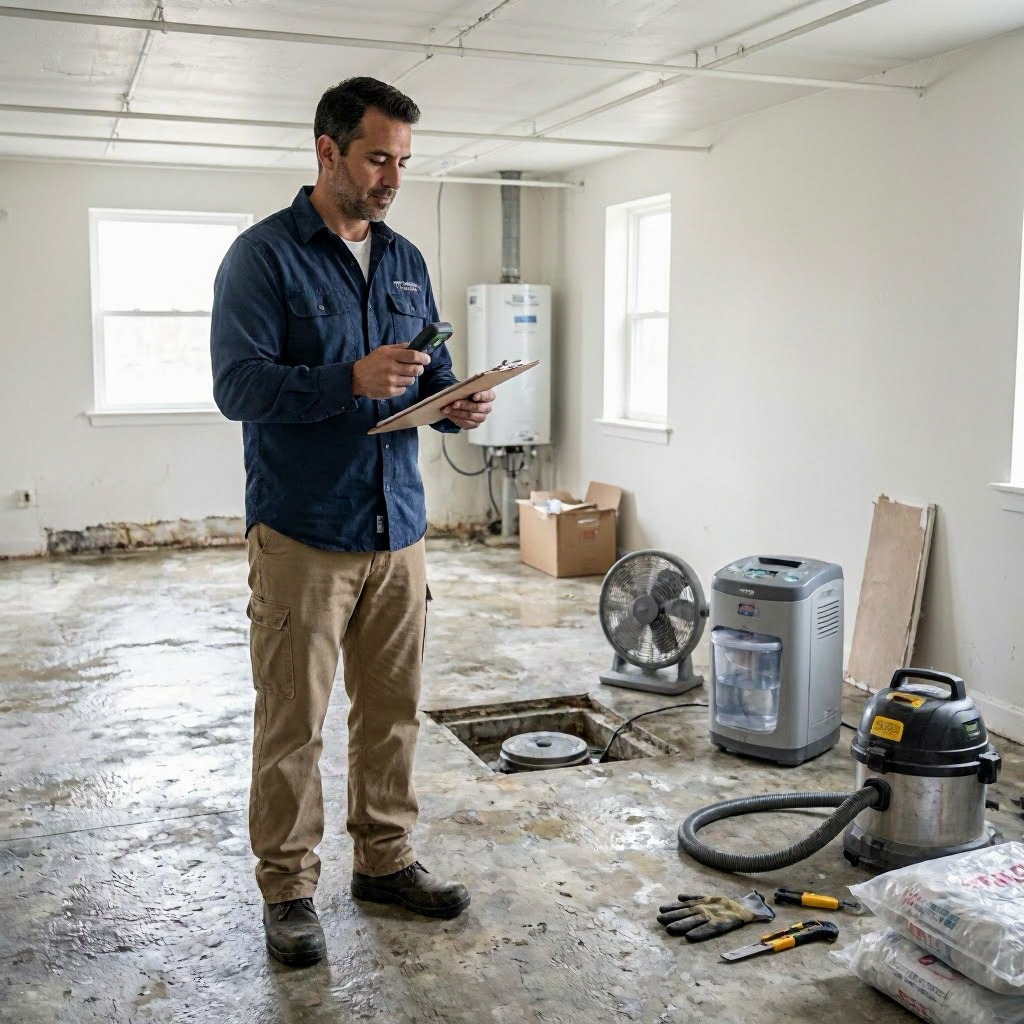
Flood cleanup cost after basement water damage
Understanding Basement Flood Damage
Basement water damage from flooding can happen suddenly during heavy storms, sewer backups, or appliance failures. In the United States, basements are common in homes across the Midwest, Northeast, and parts of the South, making this a frequent issue for homeowners. The cleanup process involves more than just mopping up water, as standing water leads to mold growth, structural weakening, and potential health hazards.
The severity depends on the water source. Clean water from a burst pipe differs from contaminated floodwater carrying sewage or chemicals. Industry standards classify water into three categories: Category 1 (clean), Category 2 (gray water with contaminants), and Category 3 (black water, highly contaminated). Category 3 water requires professional handling due to health risks like bacteria and viruses.
Acting quickly minimizes costs. Delaying cleanup by even 48 hours can double expenses due to mold and further damage. Homeowners should first shut off the water supply if possible, then document everything with photos and videos for insurance claims.
First Steps After Basement Flooding
Safety comes first. Turn off electricity to the basement at the breaker box to avoid shocks. Do not enter standing water without proper gear, as it may contain live wires or sewage.
For homeowners, contact your insurance agent immediately if covered. Flood damage from external sources often requires separate flood insurance through the National Flood Insurance Program (NFIP). Check your policy declarations page.
Renters should notify the landlord or property manager right away, per lease terms. Most leases require landlords to handle major water damage repairs. Document the damage and your notification in writing, such as via email, to protect your security deposit.
Remove valuables and move furniture to higher ground. Use fans and dehumidifiers if safe, but avoid DIY drying for large floods. Professional water extraction prevents hidden moisture pockets that lead to long-term issues.
Assessing the Extent of Damage
A professional inspection determines the full scope. Water damage often hides behind walls or under floors, affecting insulation, drywall, and subfloors. Hire a certified water damage restoration specialist, ideally with IICRC (Institute of Inspection Cleaning and Restoration Certification) credentials.
Inspection costs vary but typically include moisture meters, thermal imaging, and air quality tests. This step uncovers issues like warped joists or compromised foundations, which add to total costs.
Signs of serious damage include buckling floors, musty odors, or visible mold. If sewage is involved, evacuate and call professionals immediately, as it poses immediate health risks.
Key Factors Affecting Flood Cleanup Costs
Costs fluctuate widely based on several variables. Location matters: urban areas like Chicago or Miami have higher labor rates than rural spots. Home size and basement square footage directly impact pricing, with larger areas requiring more equipment and time.
Water volume and category drive expenses. A small clean-water leak costs less than widespread black-water flooding. Urgency plays a role, too, emergency services after storms command premiums.
Local regulations influence prices. Some cities require permits for extensive drying or demolition, adding fees. Material disposal, especially hazardous waste, increases bills.
Here's a breakdown of common cost factors:
| Cost Factor | Description | Why It Matters |
|---|---|---|
| Square Footage | Total affected area, from 500 to 2,000 sq ft common in basements | More area means more labor and equipment |
| Water Category | Clean, gray, or black water requires different protocols and PPE | Black water cleanup can triple costs |
| Duration of Exposure | Hours or days water stood; longer means more drying and potential mold | Delays add mold remediation expenses |
| Access Issues | Stairs, tight spaces, or finished basements slow work | Increases labor hours significantly |
| Mold Presence | Testing and removal if growth exceeds 10 sq ft | EPA recommends pros for large areas |
Contractor availability after disasters spikes prices. In flood-prone states like Florida or Texas, post-hurricane demand surges.
Detailed Cost Breakdown for Flood Cleanup
Flood cleanup breaks into phases: extraction, drying, cleaning, and restoration. Each phase has distinct costs influenced by the factors above.
Water Extraction
Powerful truck-mounted pumps or portable extractors remove standing water. For 1,000 sq ft, this might take 4-8 hours. Wet vacuums handle carpets and upholstery.
Costs depend on water depth and debris. Clogged drains or heavy silt raise expenses.
Drying and Dehumidification
Industrial fans and dehumidifiers run for days to weeks. Air movers create airflow, pulling moisture from materials. Monitoring prevents over-drying, which warps wood.
In humid climates like the Southeast, drying takes longer, extending rental fees for equipment.
Debris Removal and Disposal
Tear out soaked carpets, drywall, and insulation. Hauling to dumpsters or special waste sites adds up, especially for contaminated materials.
Cities like New York have strict disposal rules for sewage-impacted waste, requiring licensed haulers.
Cleaning and Sanitizing
Antimicrobial treatments kill bacteria. HEPA vacuums and foggers ensure thoroughness. Ozone generators sometimes follow, but use cautiously indoors.
For Category 3 water, EPA-registered disinfectants are essential.
Mold Remediation
If mold appears, containment, air scrubbing, and removal follow. Small patches under 10 sq ft might be DIY, but larger areas need certified remediators to avoid spreading spores.
Testing costs extra but confirms safety before rebuilding.
Structural and Cosmetic Repairs
Replace subfloors, drywall, paint, and flooring. Costs soar if beams or foundations need fixing. Electrical rewiring or HVAC duct cleaning adds layers.
Total cleanup for a 1,000 sq ft basement might range from several thousand dollars for minor incidents to tens of thousands for severe floods, varying by all factors listed.
Labor vs. Equipment and Materials
Labor dominates budgets, often 50-70% of total. Rates vary by region: higher in California or New York, lower in the Midwest. Teams of 2-4 technicians work shifts for large jobs.
Equipment rentals like dehumidifiers ($50-100/day each) and pumps add up. Materials include plastic sheeting for containment, disinfectants, and disposal bags.
Ask contractors for itemized breakdowns separating labor, equipment, materials, and disposal. This reveals padding, like excessive equipment days.
DIY Options vs. Hiring Professionals
Minor clean-water spills under 100 sq ft might suit DIY with a wet-dry vac, fans, and bleach solution. Rent equipment from Home Depot or similar for $100-300/day.
However, most basement floods demand professionals. Electrical hazards, heavy lifting, and contamination risks make DIY unsafe. Improper drying leads to mold lawsuits or health issues.
For black water or extensive damage, DIY is not recommended. Pros have OSHA-compliant gear, insurance, and drying science knowledge.
Renters rarely DIY major floods; landlords cover it. Homeowners with warranties might have coverage.
Insurance Coverage and Financial Assistance
Homeowners insurance covers sudden pipe bursts but excludes floods from outside sources. NFIP flood policies handle external flooding, up to policy limits. Supplemental policies from private insurers fill gaps.
File claims promptly with photos, videos, and contractor estimates. Adjusters inspect within days. Avoid voiding coverage by discarding damaged items prematurely.
FEMA offers aid for declared disasters. Visit FEMA Individual Assistance for grants not requiring repayment. FEMA housing assistance covers temporary relocation and repairs.
Home warranties sometimes include water extraction but exclude mold or floods. Review your contract.
SBA disaster loans provide low-interest financing for uninsured losses.
Getting Accurate Estimates
Collect 3-5 written quotes from licensed restorers. Use Angi or HomeAdvisor for vetted pros, but verify licenses via state contractor boards.
Estimates should detail phases, timelines, inclusions (permits, disposal), and warranties. Reject verbal quotes or upfront full payments.
Questions to ask:
- Are you IICRC-certified for water damage?
- What's included: extraction, drying, monitoring, cleaning?
- How do you handle potential mold?
- What's the payment schedule? (Typically 10-33% deposits)
- Do you pull permits if needed?
- What's your warranty on work and materials?
Compare line items, not totals. A low bid skipping drying monitoring saves now but costs later.
Watch for upsells like unnecessary pack-out services or premium antimicrobials without justification.
Permits, Inspections, and Codes
Major work like electrical or structural repairs requires building permits. Check your local department of building safety. Fees vary but ensure compliance to avoid fines or resale issues.
Post-cleanup inspections verify dryness before rebuilding. Some areas mandate this for insurance.
HOA communities may need approval for exterior sump pumps or grading changes.
Health and Safety Considerations
Floodwater carries pathogens. Wear N95 masks, gloves, and boots during initial triage. Vulnerable groups like children or elderly should avoid the area.
Mold triggers allergies and respiratory issues. Test air quality if symptoms appear, and consult HVAC pros for duct cleaning.
Long-Term Repairs and Restoration
After cleanup, rebuild wisely. Install water-resistant drywall (green board), luxury vinyl plank flooring, and upgrade sump pumps.
Address root causes: extend downspouts, grade soil away from foundation, seal cracks.
Ways to Lower Cleanup Costs
Act fast to limit spread. Use tarps during storms for prevention.
Bundle services with one crew for discounts. Off-peak scheduling saves on labor.
Shop equipment rentals competitively. For insured claims, choose contractors in your adjuster's network.
Document meticulously for maximum claims. Keep receipts, photos before/after, and moisture logs.
Prevention Strategies to Avoid Future Floods
Install battery-backup sump pumps and water alarms. Clean gutters twice yearly.
Elevate appliances and seal basement windows. Consider French drains for chronic issues.
Annual inspections by plumbers catch vulnerabilities. In flood zones, elevate utilities.
Renters vs. Homeowners: Who Pays?
Homeowners bear full costs unless insured. Renters notify landlords first; state laws like those in California require prompt response.
Condo owners check bylaws; common elements like shared drains fall to associations.
Landlords must mitigate damage quickly to minimize claims.
Common Pitfalls and How to Avoid Them
Skipping professional drying leads to hidden mold, costing 5x more later. Ignoring electrical checks risks fires.
Cheap contractors cut corners, voiding insurance. Verify bonding and liability insurance.
Overlooking FEMA or SBA aid misses free money. Apply within deadlines post-disaster.
Sample Estimate Review Checklist
Before signing:
- [ ] Itemized phases with quantities (e.g., 20 fans for 5 days)
- [ ] Labor rates and total hours estimated
- [ ] Equipment list and rental durations
- [ ] Disposal and permit fees specified
- [ ] Start/end dates and daily monitoring plan
- [ ] Warranty terms (e.g., 1-year on labor)
- [ ] References from similar jobs
- [ ] Proof of license, insurance certificates
When to Call for Help Immediately
Sewage backups, electrical sparks, foundation cracks, or mold exceeding 10 sq ft. Structural sagging demands engineers.
In declared disasters, local emergency management coordinates aid.
Flood cleanup after basement water damage tests homeowners' resilience, but informed steps control costs and restore safety. By understanding factors, securing estimates, and leveraging insurance or aid, you position for efficient recovery. Always prioritize professional input for complex damage.
Frequently Asked Questions
How long does basement flood cleanup take? Minor jobs finish in days; severe ones span weeks, depending on drying.
Does homeowners insurance cover basement flooding? It covers sudden interior leaks but not external floods without NFIP.
Can I clean up floodwater myself? Only small, clean water incidents; contaminated water needs pros.
What if mold grows after cleanup? Call certified remediators; warranties often cover callbacks.
How do I find reliable contractors? Search IICRC directory, check BBB ratings, get multiple bids.

About the TDL Expert Panel
TDL Expert Panel · TheDigitalLife Editorial Team
TDL Expert Panel is the editorial team behind TheDigitalLife. The team researches, reviews, and creates practical guides to help everyday readers make better decisions about home repair costs, refunds, AI tools, digital safety, productivity, and useful online resources. Each guide is written to be clear, useful, and easy to understand.