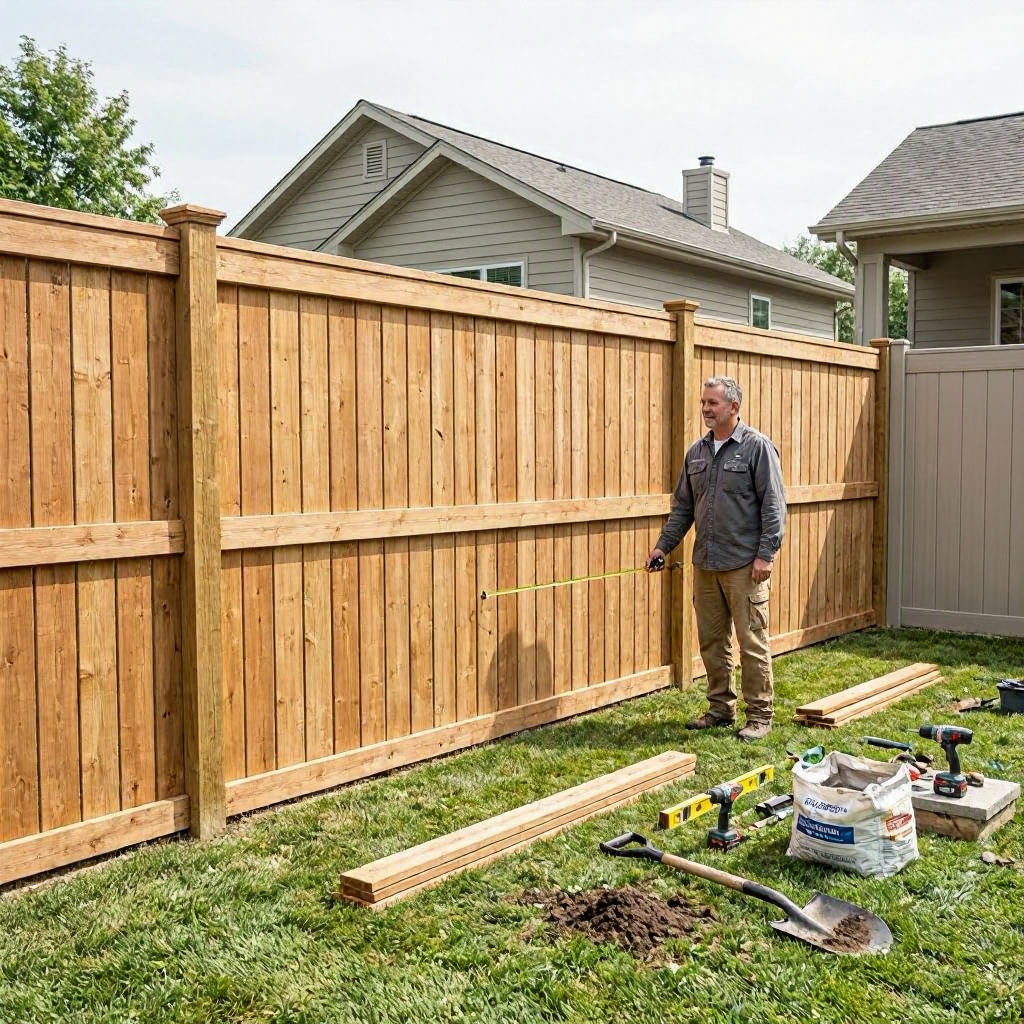
Fence installation cost by material and property size
Understanding Fence Installation Costs
Fence installation adds privacy, security, and value to your US property, but costs can vary widely based on material choices and the size of your lot. Homeowners often search for "fence installation cost by material and property size" to budget accurately before getting quotes. Expect total prices to range from a few thousand dollars for a small yard to tens of thousands for larger properties, influenced by local labor rates, terrain, and custom features.
Prices depend on factors like your location, fence height, soil conditions, and whether you need gates or special grading. Urban areas in California or New York typically cost more than rural Midwest spots due to higher wages and regulations. Always get multiple written estimates from local pros to pin down your actual expense.
This guide breaks down costs by popular materials and property sizes, explains what drives up the bill, and shares steps to compare quotes without overpaying.
Popular Fence Materials and Their Costs
Material choice is the biggest driver of fence installation cost. Basic chain-link options suit budgets, while premium composites offer longevity. Costs are often quoted per linear foot for a standard 6-foot height, including materials and labor, but add 20-50% for 8-foot or taller fences.
Here's a comparison of common materials:
| Material | Typical Installed Cost per Linear Foot | Key Pros | Key Cons |
|---|---|---|---|
| Chain Link | $10-$25 | Affordable, low maintenance | Less privacy, industrial look |
| Wood (Pressure-Treated Pine) | $15-$35 | Customizable, natural appearance | Requires staining/sealing |
| Cedar or Redwood | $20-$45 | Rot-resistant, attractive | Higher upfront cost |
| Vinyl/PVC | $25-$45 | No painting, weatherproof | Can crack in extreme cold |
| Aluminum | $25-$55 | Rust-proof, modern style | Higher cost for ornate designs |
| Steel | $30-$60 | Very durable, secure | Needs painting to prevent rust |
| Composite/WPC | $30-$65 | Wood-like, low maintenance | Premium price |
These ranges reflect national averages reported by US home improvement sources, but your quote could be 30-50% higher in high-cost regions or lower in competitive markets. For example, a 100-foot chain-link fence might total $1,000-$2,500 installed, while vinyl could hit $2,500-$4,500.
Wood Fences
Wood remains popular for its classic look and affordability. Pressure-treated pine starts low but may need replacement in 10-15 years without upkeep. Cedar holds up better in humid climates like the Southeast.
Labor for digging post holes and setting them in concrete adds up, especially on rocky soil. Factor in staining costs if you want color protection.
Vinyl and PVC Fences
Vinyl appeals to busy homeowners in suburbs from Texas to Florida. It mimics wood without the rot or painting. Installation is straightforward since panels snap together, potentially lowering labor.
However, poor-quality vinyl can fade or warp. Opt for UV-protected brands.
Metal Fences: Chain Link, Aluminum, and Steel
Chain-link is the budget king for backyards enclosing pools or pets, common in family homes across the Sun Belt. Aluminum suits modern properties and won't corrode near coasts.
Steel offers strength for ranch-style properties but requires galvanizing. Metal fences often install faster, trimming labor time.
Composite and Emerging Options
Composites blend wood fibers and plastic for a maintenance-free hybrid. They're pricier but last 25+ years. Bamboo or recycled plastic appears in eco-focused installs, though availability varies by state.
How Property Size Impacts Total Costs
Fence costs scale directly with linear footage, but larger properties bring economies of scale on labor while adding challenges like uneven terrain. Measure your perimeter accurately, subtracting gates and excluding house sides if attaching there.
Small lots (under 150 linear feet) suit starter homes or townhomes. Medium (150-300 feet) fit suburban yards. Large (300+ feet) are for acreage or rural homes.
Example totals for a basic 6-foot fence (using mid-range material costs; adjust for your quote):
| Property Size (Linear Feet) | Chain Link Total Estimate | Wood Total Estimate | Vinyl Total Estimate |
|---|---|---|---|
| Small (100 ft) | $1,000-$2,500 | $1,500-$3,500 | $2,500-$4,500 |
| Medium (200 ft) | $2,000-$5,000 | $3,000-$7,000 | $5,000-$9,000 |
| Large (500 ft) | $5,000-$12,500 | $7,500-$17,500 | $12,500-$22,500 |
Larger installs often see per-foot costs drop 10-20% due to continuous work, but sloped land or corners multiply expenses. A quarter-acre lot might need 300-400 feet, pushing wood installs toward $10,000.
Gate additions: A standard single walk gate adds $150-$500; driveway double gates $1,000-$5,000.
Labor Costs for Fence Installation
Labor typically accounts for 40-60% of the total bill. Expect $5-$15 per linear foot for basic installs, higher ($10-$25) for custom work. Crews of 2-4 pros take 1-3 days for small jobs, longer for big ones.
Factors hiking labor:
- Terrain: Flat lawns are cheap; hills require stepped posts and extra concrete.
- Soil type: Clay or rock needs digging equipment, adding $500-$2,000.
- Old fence removal: $3-$10 per foot if replacing.
- Urgency: Weekend or rush jobs cost 20-50% more.
In union-heavy states like those in the Northeast, rates skew higher. Always confirm if the quote includes post-hole digging, concrete, and backfill.
Additional Costs Beyond Materials and Labor
Budget 10-30% extra for incidentals:
- Permits: Many cities require them for fences over 4-6 feet. Check your local building department; fees run low but inspections add time.
- HOA approval: Common in planned communities; submit plans early.
- Site prep: Grading sloped yards or tree removal: $500-$3,000.
- Gates and hardware: Latches, hinges: $50-$300 each.
- Utilities locate: Free via 811 service before digging to avoid lines.
For pools, add compliance costs for self-closing gates per local codes.
Factors That Drive Up or Down Your Total Price
Location tops the list: Coastal or metro areas charge more for transport and regs. Home age matters if attaching to an old structure.
Terrain and access: Remote sites or no-driveway access bump fees. Fence height and style: 4-foot picket vs. 8-foot privacy doubles costs. Season: Spring/summer demand raises prices 10-20%. Contractor experience: Specialists charge more but warranty better.
To lower: Choose simple designs, bundle with landscaping, or buy materials wholesale for DIY.
DIY Fence Installation: When It Makes Sense
DIY saves 30-50% on labor for straight runs on flat ground. Rent an auger ($50-$100/day) and buy precut panels from Home Depot or Lowe's.
Safe for: Chain-link or basic wood on small lots (under 100 feet). Total material cost: $5-$20 per foot.
Skip DIY if:
- Slopes or poor soil (collapse risk).
- Over 6 feet (structural issues).
- Near utilities or property lines (disputes).
- Local codes require permits/pros.
Safety first: Wear gloves, use level ground, set posts 30% below frost line (check local depth). Test soil stability.
Many homeowners regret DIY due to crooked lines or weak posts. For anything complex, hire out.
Hiring a Professional: Steps to Get Started
Pros handle permits, warranties, and code compliance. Look for licensed, insured fence contractors via Angi or local directories.
Get 3-5 written estimates. Visit sites if possible.
Key Questions to Ask Before Signing
Prepare this list:
- Is the quote fixed-price or time-and-materials?
- What does it cover: labor, materials, permits, cleanup, warranty?
- Post spacing, depth, concrete type?
- Material grade (e.g., galvanized steel)?
- Timeline and weather delays?
- Payment terms (avoid full upfront)?
- Licensed/bonded/insured? References?
- Subcontractors involved?
Written estimates should detail line items: 200 feet vinyl at $30/ft, labor $2,000, gate $400, total $8,000.
Comparing Quotes and Spotting Overcharges
Line up bids side-by-side:
- Same specs? Reject vague "ballpark" numbers.
- Material brands equal?
- Labor hours realistic (e.g., 200 feet: 8-16 hours)?
- Hidden fees: trip charges, disposal?
Common upsells: Unneeded toppers, premium concrete, or "upgraded" posts. Negotiate by mentioning competitor bids.
Watch for lowball bids missing permits, leading to fines.
Permits, HOAs, and Regulations
Fences over 42 inches often need permits in US cities/counties. Height limits: 6 feet rear/side, 4 feet front.
HOA rules: Pre-approval for style, color, materials. Fines for non-compliance.
Call 811 for free utility marking. Renters: Get landlord OK first; they may cover exterior.
Insurance, Warranties, and Long-Term Value
Homeowners insurance rarely covers new installs unless storm-damaged. Check home warranties for boundary fences.
Contractor warranties: 1-5 years on labor, lifetime on materials. Manufacturer warranties separate (e.g., vinyl fading).
Document everything: Photos before/after, receipts. Boosts resale value 50-100% of cost per some real estate reports.
For financing, explore HUD 203(k) loans for rehabs including fences: hud.gov/hud-partners/single-family-203k. General improvements: hud.gov/helping-americans/home-improvements.
Ways to Reduce Your Fence Installation Bill
- Shop materials: Big-box stores vs. local yards.
- Phase it: Install in sections.
- Simple design: Stock panels over custom.
- Off-season: Winter deals in mild climates.
- Tax credits? Rare, but check energy-efficient options.
Maintain annually: Clean metal, seal wood, inspect posts. Prevents $1,000+ repairs.
Real Homeowner Examples
In Atlanta suburbs, a 250-foot cedar fence for a 1/4-acre yard cost $8,500 after HOA tweaks. A Phoenix chain-link pool surround (150 feet) hit $3,200, including self-latch gate.
In Seattle, sloped vinyl for 400 feet topped $18,000 due to terracing. Quotes varied $4,000; negotiating matched specs saved 15%.
These show why site visits beat online calculators.
Your fence investment pays in privacy and curb appeal. Start with measurements, check regs, then quote-shop. Local pros give the real numbers tailored to your yard.
(Word count: 2987) ---

About the TDL Expert Panel
TDL Expert Panel · TheDigitalLife Editorial Team
TDL Expert Panel is the editorial team behind TheDigitalLife. The team researches, reviews, and creates practical guides to help everyday readers make better decisions about home repair costs, refunds, AI tools, digital safety, productivity, and useful online resources. Each guide is written to be clear, useful, and easy to understand.