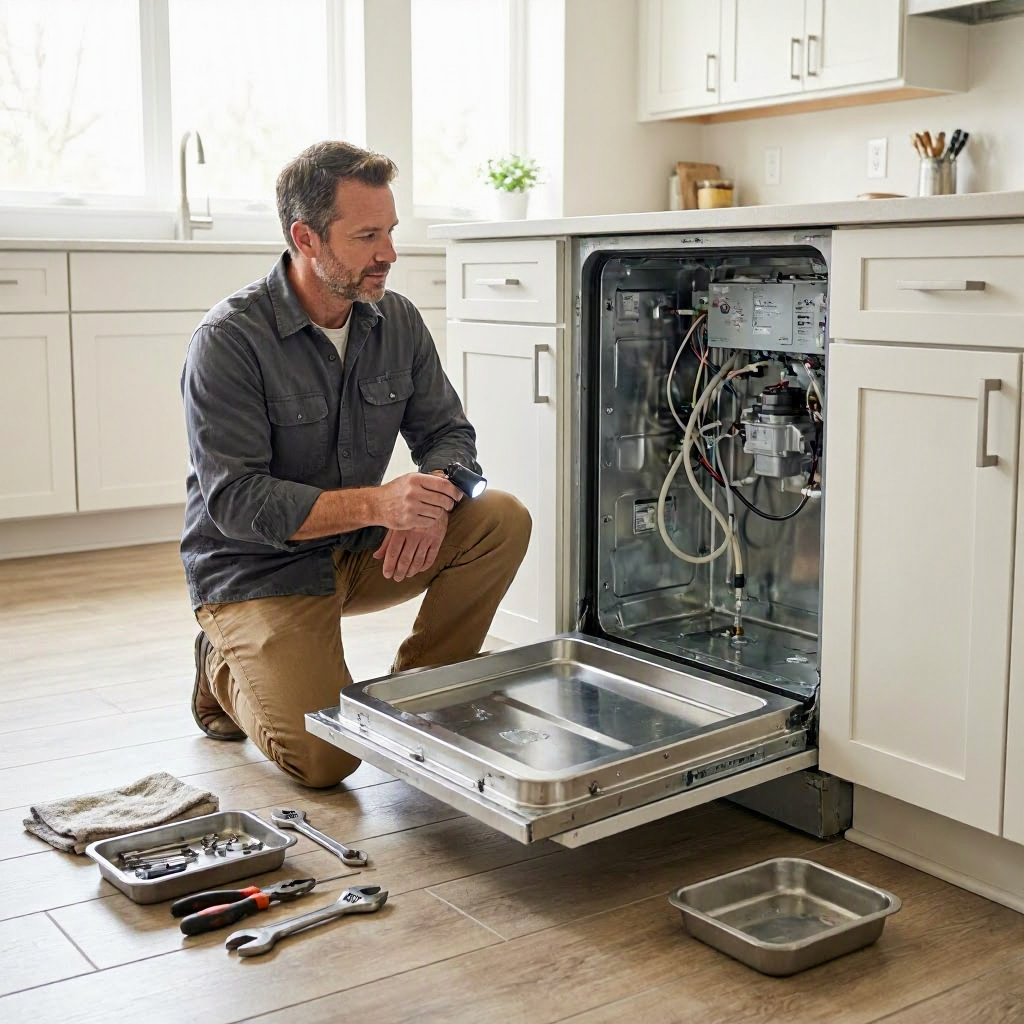
Dishwasher repair cost: pump, motor, control board, and leaks
Dishwasher Repair Costs Overview
Dishwashers in US homes handle hundreds of cycles yearly, but wear leads to issues like pump failures, motor problems, control board glitches, and leaks. These repairs vary widely in cost due to parts, labor, home location, and repair complexity. Understanding each issue helps you spot problems early, decide on DIY fixes, or prepare for professional service without surprises.
Nationally, dishwasher repairs average from a few hundred dollars for simple fixes to over $1,000 for major components, but prices fluctuate by region. Urban areas like New York or San Francisco often charge 20-50% more than rural Midwest spots due to higher labor rates and demand. Always factor in your local market when budgeting.
Before calling a technician, note symptoms: unusual noises, poor cleaning, error codes, or water puddles. Document with photos and videos for estimates. This preparation avoids diagnostic fees, which can add $75-$150.
Pump Problems in Dishwashers
The pump circulates and drains water. A faulty pump means standing water, gurgling sounds, or cycles that won't finish. Common in older units over 8-10 years.
Causes include clogged impellers from food debris, worn bearings, or motor burnout. Hard water buildup accelerates wear, especially without regular cleaning.
Repair costs depend on pump type. Drain pumps cost less to replace than full circulation pumps. Accessibility matters: front-loading models allow easier access, lowering labor time.
Labor typically runs 1-3 hours at $75-$150 per hour, varying by metro area. Parts range based on brand: Whirlpool or KitchenAid pumps might cost $100-$250, while high-end Bosch units exceed $300. Total for a pump swap: expect variations from diagnostics to shipping delays.
DIY possible for handy homeowners? If comfortable with basic plumbing, replacing a drain pump involves disconnecting power, tilting the unit, and swapping parts. Tutorials from manufacturer sites guide the process, but mismatched pumps void warranties. Risks include water damage or electrical hazards if lines aren't drained properly.
Signs of bigger issues: grinding noises or burnt smells suggest motor involvement, pushing costs higher. Call a pro if under warranty or unsure.
Dishwasher Motor Repairs
The motor drives pumps and sometimes spray arms. Failing motors cause weak wash pressure, humming without action, or complete failure. Prevalent in units run daily without maintenance.
Overloading, imbalances, or age cause burnout. Sealed motors in modern dishwashers complicate partial fixes, often requiring full replacement.
Cost drivers: Motor prices span $150-$400, pricier for inverter models in energy-efficient appliances. Labor intensifies if the motor sits deep inside, adding 2-4 hours.
In high-cost states like California, totals climb due to mandated licensed techs. Emergency calls after hours add 50-100% premiums.
DIY motor replacement suits experienced users with multimeters. Steps include testing continuity, sourcing OEM parts via sites like RepairClinic or PartSelect, and reassembling carefully. However, improper installation risks flooding or shocks, so pros handle most.
When motor issues pair with pump failure, bundled repairs save 10-20% on labor. Inspect belts or couplings first, as those cost under $50 to fix.
Control Board Failures
The electronic control board acts as the dishwasher's brain, managing cycles, sensors, and timings. Symptoms: beeping errors (like F7 or 7 blinks), unresponsive panels, or random resets.
Power surges, moisture, or heat damage boards, common in humid kitchens or near stoves. Failed components like relays trigger full replacement.
Boards cost $200-$500, highest for smart models with Wi-Fi. Labor: 1-2 hours, but diagnostics via error codes cut time.
Location impacts: coastal areas see corrosion-related failures more, inflating quotes. Aftermarket boards save 30-50% over OEM, but check compatibility.
DIY? Advanced: involves soldering or chip swaps, risky without electronics skills. Most opt for pros to avoid voiding extended warranties.
Persistent errors after reset signal deeper problems like wiring harnesses ($50-$150 extra). Test with a multimeter before approving board swaps.
Leaking Dishwashers: Diagnosis and Costs
Leaks waste water, damage floors, and promote mold. Puddles under the door, from sides, or back indicate issues.
Door seals or gaskets fail first from wear or detergent buildup, costing $20-$100 in parts. Hoses crack over time; spray arm assemblies loosen.
More serious: pump seals or tub cracks demand full disassembly. Costs escalate with water damage assessment.
Labor for leak fixes: 1-3 hours. Hose replacements stay under $300 total; tub repairs hit $500+. Floorside leaks might trace to overfilling valves ($100-$200).
Hard water or improper loading worsens leaks, so inspect racks and detergent use.
DIY shines here: replace door gaskets with YouTube guides and $30 kits. Clean debris from spray arms. Shut off water, unplug, and mop up before starting.
Pro needed for structural leaks or if water reached cabinets, risking subfloor rot. Always check for active leaks during estimates.
Key Factors Influencing Dishwasher Repair Costs
Several elements drive prices beyond parts and labor.
| Factor | How It Affects Cost | Example Impact |
|---|---|---|
| Location | Urban vs rural labor rates | +30-50% in major cities |
| Brand/Model | OEM parts availability | Premium brands 20-40% higher |
| Age/Accessibility | Older units harder to service | +1-2 labor hours |
| Urgency | Emergency vs scheduled | +50% for after-hours |
| Bundled Repairs | Multiple issues at once | 10-25% labor savings |
Parts markup: contractors add 20-50%, but independents less. Travel fees ($50-$100) apply outside service zones.
Home specifics: built-in vs portable units; granite counters complicate access.
Labor and Parts Breakdown
Labor dominates at 40-60% of total. Hourly rates: $85-$175, certified appliance techs charge more.
Parts: sourced from distributors or online. Verify serial numbers for exact matches to dodge returns.
Diagnostic fees: often credited toward repairs. Shop chains like Sears offer flat rates.
DIY Repairs: When and How
Safe DIY for leaks and simple pumps if you have tools (screwdrivers, pliers, multimeter) and follow manuals.
Steps for most: 1. Unplug and shut off water. 2. Drain residual water. 3. Access panels (front/bottom). 4. Test/replace part. 5. Test run.
Risks: void warranties, injury, or worsened damage. Skip if electrical work or no experience.
Tools cost $50-$200 initially. Sites like iFixit provide guides.
Hiring a Professional: Smart Steps
For motors, boards, or complex pumps, licensed techs ensure code compliance and warranties.
Get 3 written estimates. Compare line items: parts, labor, taxes, fees.
Questions to ask:
- Is the tech licensed/insured? (Check state boards like California's CSLB.)
- OEM or compatible parts?
- Warranty on work/parts (typically 90 days labor, 1 year parts)?
- Total time on-site?
- Payment terms (avoid full upfront)?
FTC warns of home repair scams: pressure tactics, large deposits, verbal promises. See FTC home improvement scams and home repair scams.
Angie's List, HomeAdvisor, or Nextdoor vet techs. Verify reviews post-2020.
Estimates and Contracts: What to Demand
Detailed estimates list:
- Problem diagnosis.
- Parts with model numbers.
- Labor hours/rate.
- Total with taxes.
- Start/end dates.
No verbal OKs; sign nothing without details. Hold 10-30% until completion.
Compare via spreadsheet: lowest bid might skip diagnostics.
Renters vs Homeowners: Next Steps
Renters: Contact landlord first per lease. Major repairs (over $200) usually their duty; document leaks to avoid deposits.
Homeowners: check warranties. Home warranties (e.g., Choice Home) cover appliances $75-$125 service fee.
HOA/condos: leaks affecting units below trigger association involvement.
Insurance: sudden leaks might qualify if not neglect. File claims for secondary damage like floors.
Warranties, Insurance, and Permits
Manufacturer warranties (1-5 years) cover parts; labor extra. Register units for extended coverage.
Homeowners insurance excludes wear/tear. Sudden failures from storms may qualify.
Permits rare for dishwashers unless plumbing reroutes. Check local building depts.
Keep records: invoices, photos, serial numbers for claims.
Maintenance to Cut Future Costs
Prevent 30-50% of issues:
- Clean monthly: vinegar cycles dissolve buildup.
- Use correct detergent; avoid hand soap.
- Check hoses yearly.
- Level unit to prevent leaks.
- Run hot water before cycles.
Filter cleaning: removable in most models, prevents pump clogs.
Annual pro inspections ($100-$200) catch early wear.
Warning Signs of Costly Repairs
Ignore minor issues, face totals doubling:
- Persistent leaks: tub replacement.
- Intermittent boards: full harness.
- Motor + pump: new unit ($500-$1,500).
Replacement threshold: if repairs exceed 50% unit cost, buy new.
Energy Star models save $50+ yearly.
Comparing Repair vs Replacement
Repair shines for units under 7 years. Over 10 years or $600+ fixes, shop new.
Factors: efficiency, features, install costs ($150-$300).
Retailers like Home Depot offer haul-away.
Sample Estimate Review Checklist
Before signing:
- Matches your symptoms?
- Includes teardown photos?
- Quotes alternatives (e.g., used parts)?
- Cleanup/disposal noted?
Follow up post-repair: test multiple cycles.
Real US Homeowner Scenarios
In Texas, a pump leak fix ran $350 including travel. Midwest motor swap: $450 bundled.
California board replacement: $750 due to codes.
Variability underscores local quotes.
Your proactive steps minimize bills. Document everything for disputes. Safe repairs keep kitchens running smoothly.

About the TDL Expert Panel
TDL Expert Panel · TheDigitalLife Editorial Team
TDL Expert Panel is the editorial team behind TheDigitalLife. The team researches, reviews, and creates practical guides to help everyday readers make better decisions about home repair costs, refunds, AI tools, digital safety, productivity, and useful online resources. Each guide is written to be clear, useful, and easy to understand.