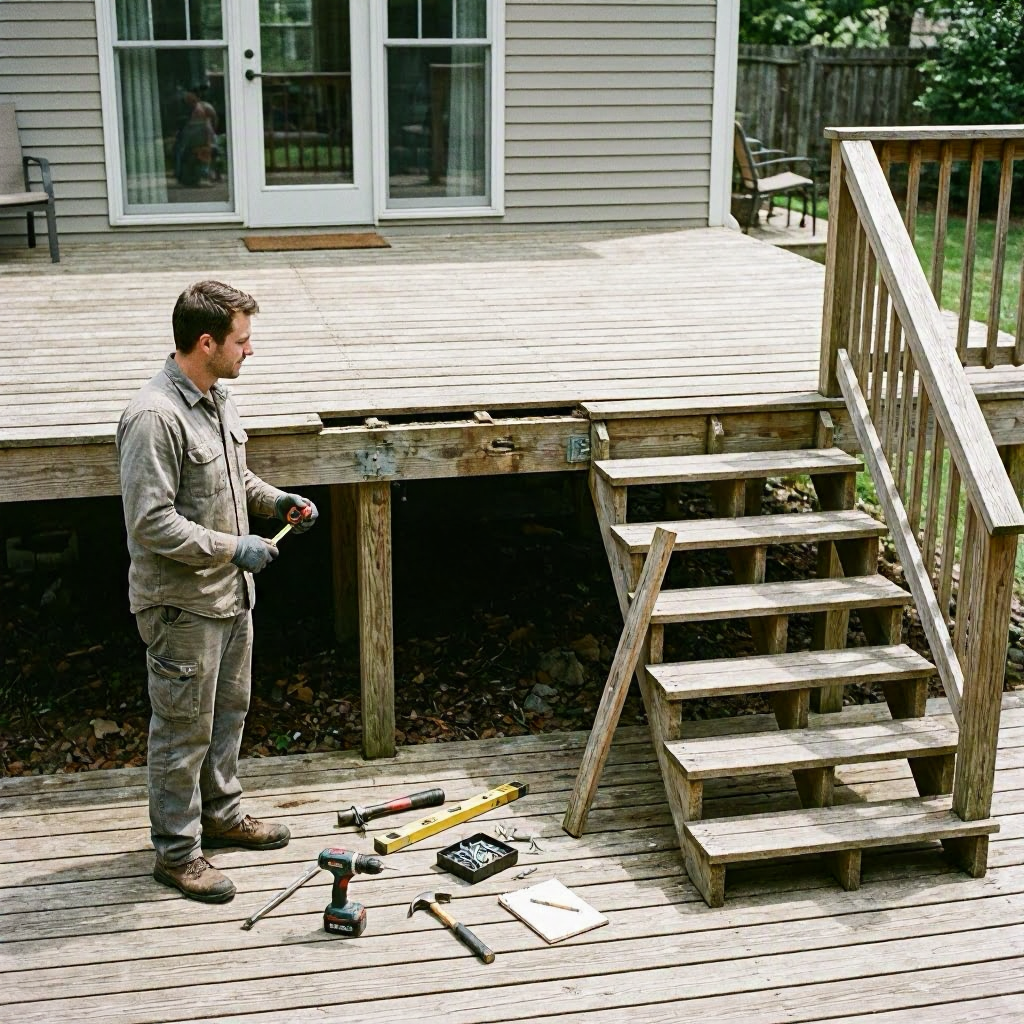
Deck repair cost: boards, railings, stairs, and structural supports
---
Why Deck Repairs Matter and What Drives Costs
Decks provide valuable outdoor living space for many US homeowners, but exposure to weather, foot traffic, and time leads to wear. Common issues include rotting boards, loose railings, wobbly stairs, and failing structural supports. Addressing these promptly prevents safety hazards like collapses or falls, which the Consumer Product Safety Commission has linked to thousands of injuries annually from faulty decks.
Repair costs vary widely based on your location, deck size, materials, access difficulty, and repair extent. Urban areas like those in California or New York often see 20-50% higher labor rates than rural Midwest spots due to demand and regulations. A simple board replacement might run a few hundred dollars, while full structural work could reach several thousand, depending on inspection findings.
Factors like material choice, labor hours, demolition needs, and disposal also influence the total. Pressure-treated lumber keeps costs lower than premium composites or tropical hardwoods. Always start with a visual inspection or hire a pro for hidden damage before budgeting.
How to Inspect Your Deck Before Estimating Repairs
Before calling contractors, perform a basic safety check to identify issues with boards, railings, stairs, and supports. This helps you understand scope and avoid surprise upsells.
Walk the deck and probe with a screwdriver for soft spots. Check railings by leaning against them, stairs for bounce, and supports for cracks or tilting. Look underneath for water damage, rust, or insect activity.
Document everything with photos, noting measurements and locations. For structural concerns, tap posts and beams; hollow sounds signal rot. If your deck is over 30 inches high or attached to the house, local codes often require railings and permits for changes.
Renters should notify landlords immediately, as leases typically assign structural maintenance to owners. Homeowners in HOAs must review rules for exterior work.
Deck Board Repair Costs and Considerations
Deck boards, or decking, bear the most visible wear from sun, rain, and spills. Rot often starts at ends or knots, leading to splinters or cupping.
Replacing a few boards involves demo, new cuts, and fastening. Extent matters: scattered fixes cost less than full resurfacing.
Factors Affecting Board Repair Costs
Labor dominates for larger jobs, as pros handle demo and precise fitting. Material costs range from $2 to $10 per square foot for basics like pressure-treated pine versus composites that resist fading.
Access impacts pricing: elevated decks need scaffolding, adding hours. Disposal of old boards incurs fees, especially if treated wood requires special handling.
Size example: Fixing 100 square feet of boards might involve 10-20 labor hours plus materials, varying by region.
DIY for Boards vs Hiring a Pro
Simple board swaps suit handy homeowners with tools like a circular saw and drill. Buy matching lumber from local suppliers like Home Depot or Lowe's.
DIY saves 50-70% on labor but risks mismatched boards or weak fasteners. Follow manufacturer guides for spacing to allow drainage.
Hire for widespread rot or if boards attach to critical joists. Pros ensure code-compliant height and gaps.
Deck Railing Repair Costs and Considerations
Railings prevent falls and must meet IRC standards: 36-42 inches high for decks over 30 inches off ground, with balusters spaced under 4 inches.
Issues include loose posts, cracked balusters, or sagging caps. Metal or vinyl railings corrode; wood ones rot at bases.
Repair might mean tightening hardware or full replacement. Posts anchored in concrete fail first from frost heave in northern states.
Factors Affecting Railing Repair Costs
Hardware like lag bolts and brackets adds up quickly for stability. Custom heights or curves increase labor.
Proximity to house affects demo: ledger-attached railings tie into framing. Painting or staining post-repair boosts costs.
For a standard 8-foot railing section, factor in materials and 4-8 hours labor.
DIY for Railings vs Hiring a Pro
Tightening loose railings or replacing balusters can be DIY with a level and wrench. Source balusters from lumber yards.
Skip DIY if posts need digging or concrete work, as improper anchoring risks collapse. Pros use post anchors compliant with local wind/snow loads.
Deck Stair Repair Costs and Considerations
Stairs connect decks to ground or multi-level designs, with treads, risers, and stringers prone to slipping or cracking.
Code requires 7-3/4 inch max riser height, 10-inch min treads, and non-slip surfaces. Rot hides under treads.
Full rebuilds happen if stringers bow. Handrails must extend fully.
Factors Affecting Stair Repair Costs
Stringer replacement demands framing skills and shoring. Tread materials match decking for consistency, affecting price.
Sloped yards complicate access, hiking labor. A set of 5-7 stairs might need temporary supports during work.
DIY for Stairs vs Hiring a Pro
Replace treads if stringers are sound: measure twice, secure with deck screws. Add grip tape for safety.
Pro required for stringer work, as misalignment causes trips. In seismic zones like California, extra bracing applies.
Structural Support Repair Costs and Considerations
Supports like posts, beams, joists, and ledger boards form the backbone. Ledger issues from house attachment cause pulls; posts rot at bases.
Joist hangers and carry beams fail silently, risking total collapse. Engineer inspections often precede major fixes.
This category drives highest costs due to shoring, demo, and potential foundation ties.
Factors Affecting Structural Repair Costs
Engineering reports, required in many areas, add upfront fees. Footing digs or sistering joists multiply labor.
Materials like galvanized steel beams outlast wood. Full rebuilds for 200-square-foot decks escalate quickly.
Propping during repair prevents accidents.
When Structural Repairs Demand Professionals
Always hire licensed contractors for structural work. DIY risks lives; codes mandate permits and inspections.
Look for sinking posts, horizontal cracks, or bouncing under load as red flags.
| Repair Type | Key Cost Drivers | DIY Feasibility |
|---|---|---|
| Deck Boards | Material type, square footage, demo/disposal | High for small areas; low for full resurface |
| Railings | Post anchors, baluster count, height/custom | Medium; avoid concrete work |
| Stairs | Stringer condition, tread material, slope | Low; framing pros needed |
| Structural Supports | Engineering, shoring, beam size, footings | None; licensed required |
General Factors Influencing All Deck Repair Costs
Deck age, climate, and build quality set baselines. Coastal humidity accelerates rot; freeze-thaw cycles crack supports.
Labor rates vary: $50-150/hour nationally, higher in cities. Minimum charges apply for small jobs.
Urgency premiums hit during peak seasons. Bundle repairs like boards and railings for discounts.
Material sourcing: Local mills cheaper than chains for bulk wood.
Permits, Inspections, and Code Compliance
Most deck repairs over minor cosmetics need permits, especially structural changes. Check your city or county building department online.
Inspections verify load capacity and attachments. Ledger flashing prevents water intrusion per code.
Fines for unpermitted work reach thousands; resale inspections flag issues.
Renters: Landlords handle permits.
Insurance, Warranties, and Financing Options
Homeowners insurance covers sudden deck collapses from covered perils like storms, not gradual rot. File claims with photos and pro estimates.
Contractor warranties typically cover labor 1-5 years; materials vary by brand.
Home warranties may include decks if specified.
For financing, HUD's 203(k) loans bundle repairs with mortgages: HUD 203(k). General improvements info at HUD Home Improvements.
HOA approvals needed for visible changes.
Hiring Contractors: Steps to Get Fair Estimates
Get 3 written quotes for non-emergencies. Use Angi or local directories, verifying licenses via state boards like California's CSLB.
Questions to Ask Before Approving Work
- Is the estimate fixed-price or time-and-materials?
- Does it include demo, disposal, permits, and cleanup?
- Who performs the work: you or subs? Are you licensed/insured?
- What warranties on labor and materials?
- Payment terms: deposits under 30%, no full upfront?
- Timeline and weather contingencies?
Review for line items: labor by hour/area, materials specified.
Compare apples-to-apples: reject vague "misc" charges.
| Estimate Checklist Item | What to Verify |
|---|---|
| Scope of Work | Matches inspection; details methods |
| Materials | Types, quantities, brands |
| Labor | Hours, rates, inclusions |
| Permits/Inspections | Who obtains, costs |
| Warranty | Duration, what covered |
| Total Price | Breakdown, taxes separate |
DIY Safety Limits and When to Stop
Safe DIY: surface boards, railing hardware, stair treads.
Unsafe: structural mods, heights over 6 feet without scaffolding, electrical for lighting.
Wear PPE; use stable ladders. If unsure, consult pros.
Maintenance to Avoid Future Deck Repairs
Annual checks prevent 80% of major costs. Clean debris, reseal wood yearly, trim plants from house.
Tighten fasteners biannually. Reapply sealant every 1-3 years based on exposure.
Elevate pots; fix leaks promptly.
Maintenance tasks and frequencies:
- Visual Inspection: Monthly, catches rot early
- Sealing/Staining: Annually, blocks moisture
- Hardware Check: Biannual, prevents loosening
- Under-Deck Cleaning: Spring/Fall, reduces mold
Special Considerations for Renters, Condo Owners, and HOAs
Renters: Review lease; notify landlord in writing for safety issues. Don't pay unless agreed.
Condo/townhome: Shared supports may fall under association. Get board approval.
Mobile home decks: Check park rules; lighter framing common.
Final Steps Before Repairs Begin
Gather quotes, photos, measurements. Verify contractor references.
For urgent safety: temporary shoring via rental, then pro fix.
Keep all records for insurance, taxes, or resale.
By understanding these elements, you can budget realistically, spot fair deals, and ensure a safe deck for years. ---

About the TDL Expert Panel
TDL Expert Panel · TheDigitalLife Editorial Team
TDL Expert Panel is the editorial team behind TheDigitalLife. The team researches, reviews, and creates practical guides to help everyday readers make better decisions about home repair costs, refunds, AI tools, digital safety, productivity, and useful online resources. Each guide is written to be clear, useful, and easy to understand.