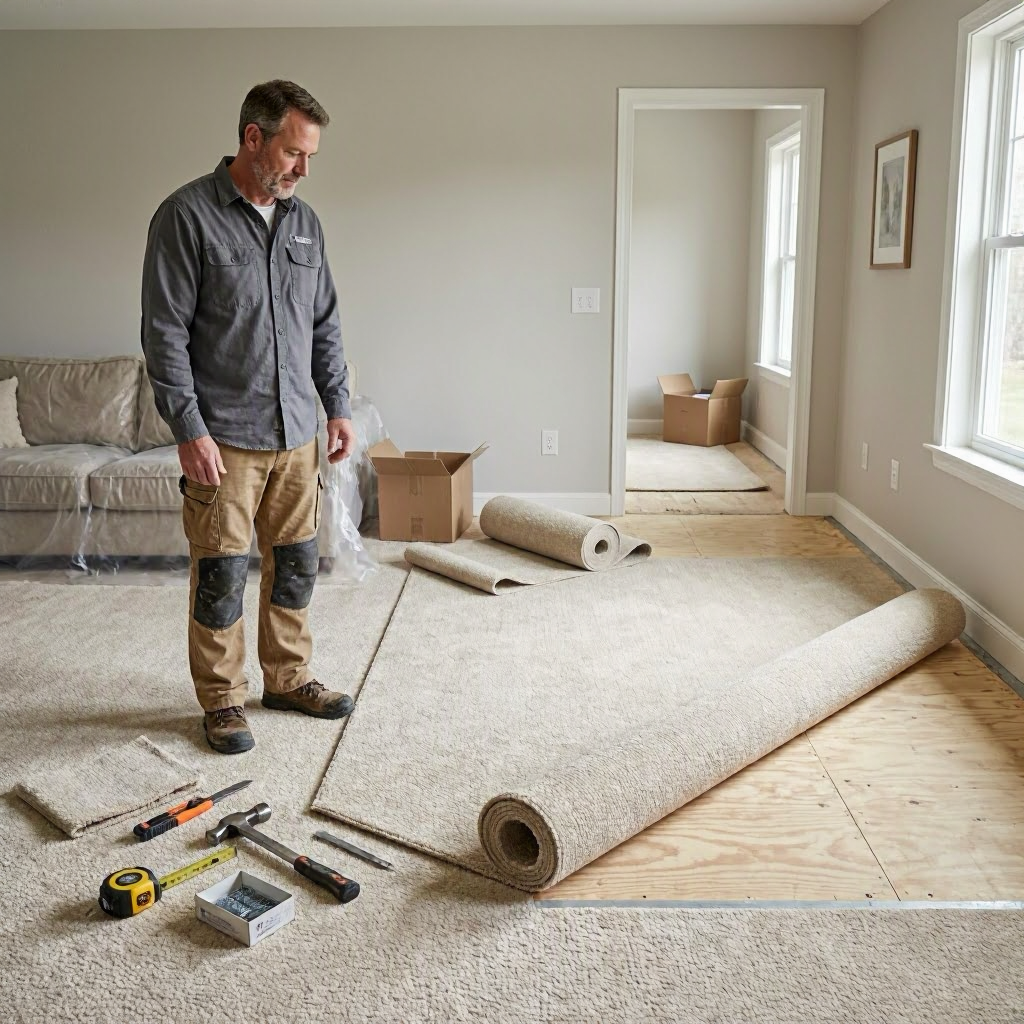
Carpet replacement cost by room and whole house
When to Consider Replacing Your Carpet
Carpet replacement becomes necessary when wear and tear affects appearance, comfort, or safety. Common signs include persistent stains that cleaning won't remove, fraying edges, buckling from moisture, or odors from deep dirt buildup. In older homes, carpets over 10-15 years old often harbor allergens, dust mites, and mold, impacting indoor air quality.
For United States homeowners, replacement timing depends on your home's layout, traffic patterns, and budget. High-traffic areas like hallways and living rooms show damage first, while bedrooms might last longer. Renters should check their lease before acting, as landlords typically handle major flooring updates.
Replacing carpet room by room spreads costs over time, while whole-house projects offer bulk savings on labor. Always inspect the subfloor for water damage or unevenness before starting, as hidden issues can double expenses.
Key Factors That Influence Carpet Replacement Costs
Carpet replacement costs vary widely across the US due to local labor rates, material availability, home specifics, and project scope. Expect total installed costs from basic to premium setups, but prices fluctuate by region, contractor demand, and seasonal factors like supply chain issues.
Material Choices and Their Impact
Carpet materials drive up to 50% of the total cost. Nylon offers durability for busy homes at a mid-range price, while polyester suits budgets but wears faster in high-traffic spots. Wool provides luxury feel and stain resistance but costs more and needs professional cleaning.
Pad underlayment adds $0.50 to $1.50 per square foot, cushioning footsteps and extending carpet life. Thicker pads suit heavier carpets, but skipping them risks premature wear. Additional materials like tack strips, seam tape, and adhesives add minor fees.
Shop at US retailers like Home Depot or Lowe's for samples, comparing fiber type, pile height (cut vs. loop), and stain treatments. Premium options like Berber or frieze hide dirt better in family homes.
Labor and Installation Expenses
Labor typically accounts for 40-60% of the bill, higher in urban areas like New York or San Francisco where rates exceed rural Midwest figures. Installers charge per square foot or by room, including old carpet removal, subfloor prep, and stretching for a taut fit.
Complex jobs like stairs or patterned carpet matching increase labor by 20-50%. Removal of glued-down carpet or disposal of bulky rolls incurs extra charges. Pros handle power stretching tools safely, avoiding bubbles or seams that DIYers often face.
Room Size, Layout, and Prep Work
Measure accurately, adding 10% buffer for cuts and waste. Standard rooms average 200-400 square feet, but irregular shapes raise costs due to more seams. Stairs add $100-300 per flight for custom cutting and nosing.
Subfloor repairs for rot, leveling, or moisture barriers can add hundreds. In humid climates like Florida, vapor barriers prevent mold. Asbestos testing in pre-1980s homes may be required if old carpet hides tiles.
Location and Seasonal Variations
Costs skew higher in coastal states due to shipping and wages. Winter projects might discount labor but raise heating needs during install. Post-hurricane areas see surges from demand.
Get 3-5 written quotes from local installers via Angi or HomeAdvisor, noting inclusions.
| Cost Factor | What Affects It | Potential Impact |
|---|---|---|
| Material Type | Nylon, polyester, wool, triexta | Low-end: budget synthetics; High-end: wool blends |
| Room Size/Layout | Square footage, stairs, angles | Straight rooms cheaper; Curves/stairs add 20-50% |
| Old Carpet Removal | Glued vs. stretched, disposal fees | $1-3/sq ft extra; Dump fees $50-200 |
| Subfloor Prep | Leveling, moisture barriers | Minor: $0.50/sq ft; Major repairs: $500+ per room |
| Location | Urban vs. rural, state wages | 30-100% variance; e.g., higher in CA/NY |
Carpet Replacement Costs by Room
Break down costs by common room types, focusing on typical US home sizes. These are broad ranges for installed carpet including basic removal and pad; actual bids depend on inspection. Always factor local variables.
Bedrooms
Average bedroom: 120-200 square feet. Low-traffic use allows mid-grade carpet. Total cost: $400-1,500 per room, lower for smaller guest rooms.
Moisture from bathrooms nearby might need antimicrobial treatments. Berber styles hide footprints well for kids' rooms.
Living Rooms and Family Rooms
High-traffic: 250-400 square feet. Durable nylon or olefin recommended. Expect $800-2,500, plus pattern matching if furniture stays.
Open-concept spaces blend with hardwoods, but transitions add $50-100 each. Pet owners choose stain-resistant options.
Dining Rooms and Hallways
Dining: 150-250 square feet, often formal wool blends. $500-1,800. Hallways (50-150 sq ft linear) cost more per foot due to traffic: $300-1,000.
Narrow halls limit equipment access, raising labor. Dining spills demand solution-dyed fibers.
Kitchens, Bathrooms, and Entryways
Avoid carpet here due to moisture; use area rugs over vinyl. If replacing existing, small kitchen/entry: $300-800. Waterproof options like R2X-treated synthetics help.
Ventilation during install prevents mildew. Entryways endure dirt, needing frequent vacuuming post-install.
Stairs and Multi-Level Homes
Stairs: 40-80 sq ft per flight. Bulky install. $400-1,200 per flight, including landings.
Banisters and turns complicate cutting. Multi-level homes multiply this.
Whole House Carpet Replacement Costs
For a typical 2,000-3,000 square foot US single-family home, whole-house replacement streamlines labor. Range: $5,000-15,000+, saving 10-20% vs. piecemeal due to one mobilization.
Multi-story homes add for stairs and carrying tools upstairs. Bulk material buys discount. Schedule off-peak for deals.
Older homes (pre-1970s) may need subfloor updates, pushing toward upper end. Mobile homes use lighter materials, lowering costs.
Strategies to Lower Your Carpet Replacement Bill
Save without skimping on quality. Buy remnants or overstock from mills via Flooring America outlets for 20-40% off. Off-season installs (late fall) cut labor.
Remove old carpet yourself if stretched (not glued), saving $1-2/sq ft, but rent a disposal trailer ($50/day). Choose 12-15 ft wide rolls to minimize seams.
Shop sales at Carpet One or independent yards. Finance via store cards at 0% intro APR, but pay off quickly. HUD's Title I loans suit low-income homeowners for energy-efficient upgrades including flooring.
Compare quotes itemizing materials/labor. Negotiate disposal inclusion.
DIY Carpet Replacement: Is It Worth It?
DIY suits small areas like a single bedroom if you're handy. Tools needed: knee kicker ($20 rental), utility knife, pry bar, gloves. Prep saves most: vacuum, remove furniture, break down baseboards.
Steps: Roll up old carpet from corners, pull tack strips, clean subfloor, lay pad/strips, cut new carpet oversized, stretch into place. YouTube tutorials from This Old House guide safely.
Skip DIY for stairs, large rooms, or subfloor issues - pros prevent injuries from heavy rolls (100+ lbs). Uneven installs void warranties. Time: 1-2 days per room for novices.
Renters: Get landlord approval first; DIY might violate leases.
Hiring a Professional: What to Expect
Professionals ensure code-compliant installs, vital in condos/HOAs. Licensed flooring contractors (check state boards like CSLB in CA) carry insurance for slip/fall claims.
Written estimate must detail sq footage, materials, removal, pad, warranty (1-5 years labor). Ask: "Are subs used? Payment terms? Cleanup included?"
Get BBB ratings, references. Avoid door-knockers post-floods.
Questions to Ask Carpet Installers
- What brands do you carry, and can I supply my own?
- Is asbestos/mold testing needed for my home's age?
- How do you handle subfloor moisture or damage?
- What's the warranty on stretching/seams?
- Do you pull permits if required (rare for carpet)?
- Schedule and cleanup plan?
Compare apples-to-apples: same grade carpet.
Permits, Inspections, and Insurance Considerations
Carpet replacement rarely needs permits unless subfloor work affects structure. Check local building department for rentals/HOAs.
Homeowners insurance covers sudden damage (e.g., appliance flood) but not wear. File claims promptly with photos. Home warranties (e.g., via Choice Home Warranty) might cover if policy includes flooring.
Document pre-install: photos, measurements. HOAs approve colors in common-view areas.
For financing, explore HUD's 203(k) rehab loans blending repairs.
Maintenance to Delay Future Replacements
Extend life 5-10 years with care. Vacuum weekly using beater bar on low pile. Professional steam clean yearly ($0.20-0.40/sq ft).
Use pads under furniture, rotate for even wear. Spot-clean spills immediately with mild detergent. No steam on wool.
Entry mats trap 80% dirt. Air out after cleans.
| Maintenance Task | Frequency | Benefit |
|---|---|---|
| Vacuum | Weekly | Removes 90% allergens/dirt |
| Spot Clean | As needed | Prevents stains spreading |
| Prof Clean | Yearly | Revives fibers, kills mites |
| Rotate Rug | 6 months | Even wear in traffic paths |
Special Situations: Renters, Condos, and Older Homes
Renters: Notify landlord in writing with photos. Leases often mandate landlord approval for flooring changes; they may reimburse or handle.
Condo owners: Review bylaws for shared walls/floors; noise during install matters.
Older homes: Test for lead/asbestos if disturbing subfloors. Mobile homes need low-profile carpet to avoid door clearance issues.
Whole-house in rentals: Propose to landlord for rent credit.
By understanding these elements, you can budget realistically, vet pros, and make informed choices tailored to your US home. Always prioritize local quotes for precision.

About the TDL Expert Panel
TDL Expert Panel · TheDigitalLife Editorial Team
TDL Expert Panel is the editorial team behind TheDigitalLife. The team researches, reviews, and creates practical guides to help everyday readers make better decisions about home repair costs, refunds, AI tools, digital safety, productivity, and useful online resources. Each guide is written to be clear, useful, and easy to understand.