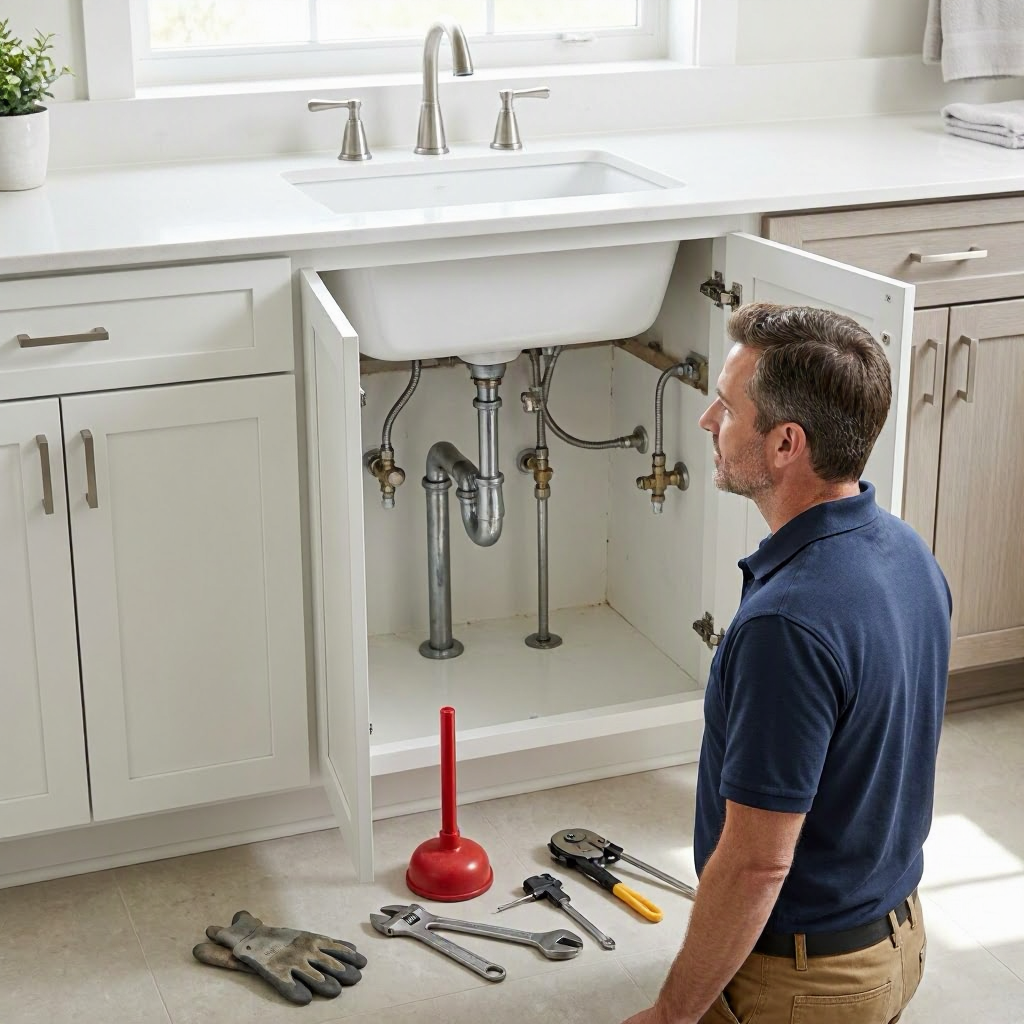
Bathroom vanity replacement cost: cabinet, sink, faucet, and plumbing
Why Replace Your Bathroom Vanity?
Replacing a bathroom vanity can refresh your space, fix water damage, or update an outdated look. A typical vanity setup includes the cabinet, countertop (often with an integrated sink), sink basin, faucet, and plumbing connections like supply lines and drains. This project addresses common issues such as warped cabinets from moisture, leaky faucets, cracked sinks, or poor plumbing fit.
Homeowners often tackle this during a bathroom remodel or when minor damage escalates. Renters should check their lease first, as major replacements usually fall to the landlord. Costs vary widely based on your location, vanity size, materials, and whether you handle demolition or hire help.
What Does a Full Bathroom Vanity Replacement Involve?
A complete replacement starts with shutting off water, removing the old unit, and capping lines temporarily. Next comes installing the new cabinet, securing it to the wall, adding the countertop and sink, connecting the faucet, and hooking up plumbing. Professionals handle drain modifications or wall adjustments if needed.
Expect 4-8 hours for a straightforward swap, longer if walls need repair or pipes reroute. Always document the old setup with photos before demo to reference during reinstall.
Cost Breakdown for Vanity Components
Costs depend on factors like regional labor rates, material quality, and project scope. In high-cost areas like California or New York, expect 20-50% more than in the Midwest. Here's a general breakdown of material ranges; get local quotes for precision.
| Component | Basic Range (USD) | Mid-Range (USD) | High-End (USD) | Key Notes |
|---|---|---|---|---|
| Cabinet | $150-$500 | $500-$1,200 | $1,500+ | Single vs. double basin; stock vs. custom. MDF cheaper than solid wood. |
| Sink | $50-$200 | $200-$400 | $400+ | Undermount, vessel, or drop-in; porcelain or quartz. |
| Faucet | $50-$150 | $150-$300 | $300+ | Centerset vs. widespread; finishes like brushed nickel. |
| Countertop | $100-$300 | $300-$700 | $800+ | Laminate vs. granite; size matters (36-60 inches common). |
| Plumbing Parts | $50-$150 | $150-$300 | $300+ | P-trap, supply lines, shutoff valves; upgrades like braided hoses. |
Total materials often fall between $400-$3,000. Add 40-60% for labor in pro installs. These are national ballpark figures; shop big-box stores like Home Depot or Lowe's for stock options, or custom shops for premium.
Plumbing-Specific Costs and Considerations
Plumbing ties into the vanity via supply lines (hot/cold water) and drain (P-trap to wall or floor). Simple swaps reuse existing lines, but offsets or vent issues raise complexity.
Basic plumbing refresh: $100-$400 in parts and labor. If relocating the drain or faucet holes don't align, costs climb to $500-$1,500 due to pipe cutting or wall opens. Older homes (pre-1980) may need galvanized pipe upgrades to PEX or copper, adding $200-$800.
Hire a licensed plumber for any drain work beyond tightening fittings, as code requires proper venting to avoid sewer gas. Check local building codes via your city department before starting.
Labor Costs: What You're Paying For
Labor makes up 40-70% of the total bill. A handyman or general contractor charges $50-$150 per hour nationwide, with plumbers at $75-$200 per hour. A full replacement takes 4-12 hours, depending on access.
Factors bumping labor:
- Tight bathroom access (narrow doors).
- Demo of tiled surrounds.
- Wall repairs after removal.
- After-hours or emergency service.
Flat-rate bids range $500-$2,000 for the full job. Always confirm if the quote includes cleanup and disposal; hauling fees add $50-$200 extra.
Factors That Drive Up the Total Price
Several variables influence your final bill. Understanding them helps you budget and spot padded estimates.
- Location: Coastal cities or urban areas have higher rates due to demand and wages.
- Vanity Size and Type: 24-inch powder room unit cheaper than 72-inch double-sink master bath.
- Material Quality: Builder-grade laminate under $1,000 total; quartz counters and soft-close drawers push $3,000+.
- Home Age and Layout: 1920s homes often need plumbing reroutes; slab foundations limit under-cabinet access.
- Demolition Extent: Removing old tile backsplash or flooring adds $200-$600.
- Urgency: Weekend or leak emergencies tack on 20-50%.
- Accessibility: Second-floor units require hauling upstairs, increasing labor.
| Cost Factor | Low Impact Example | High Impact Example | Potential Added Cost |
|---|---|---|---|
| Size | 24" single sink | 60" double | +$500-$1,500 |
| Materials | Laminate/MDF | Quartz/solid wood | +$800-$2,500 |
| Plumbing | Reuse lines | Relocate drain | +$400-$1,200 |
| Location | Rural Midwest | San Francisco | +30-100% |
| Demo | Freestanding cabinet | Built-in with tile | +$200-$800 |
Use this to discuss bids: "My space is a standard 36-inch first-floor bath; why is labor double the low end?"
DIY vs. Professional Installation: When to Choose Each
DIY suits handy homeowners with basic skills and a standard setup. If your old vanity pulls out easily, pipes align, and no wall damage exists, save $500-$1,500 on labor. Tools needed: adjustable wrench, hacksaw, drill, level, silicone caulk. Time: 4-8 hours over a weekend.
Steps for safe DIY: 1. Turn off water at shutoff valves; drain lines. 2. Disconnect plumbing; remove screws/nails holding cabinet. 3. Measure new unit; shim for level install. 4. Apply silicone; connect faucet/sink last. 5. Test for leaks; caulk edges.
Warnings: Skip DIY if plumbing involves soldering, drain offsets, or electrical (GFCI outlets). Mismatched holes can cause leaks, leading to mold. Bad installs void manufacturer warranties.
Hire a pro for:
- Complex plumbing.
- Custom sizes.
- Older homes with unknown pipe materials.
- If you're uncomfortable with water shutoffs.
Contractors carry insurance, protecting you from flood damage claims.
Permits, Inspections, and Code Compliance
Most vanity swaps don't require permits, but plumbing changes (new drain lines) often do in cities like Los Angeles or Chicago. Check your local building department; fees run $50-$300 if needed.
Inspections ensure proper venting and trap placement per International Plumbing Code (IPC), adopted in most states. Skipping can fail home sales or insurance claims. HOAs may restrict exterior venting or styles.
How to Get Reliable Estimates and Avoid Overpaying
Before calling pros, measure your space (width, depth, height to pipes), note wall material, and take timestamped photos/videos of the current setup.
Get 3-5 written quotes from licensed contractors via Angi, HomeAdvisor, or local referrals. No upfront payment over 10-20% deposit.
Essential questions to ask:
- Is this a flat rate or time-and-materials? Itemize labor/parts.
- Licensed and insured? (Plumbers need state license in most areas.)
- Warranty on work/parts? (Typically 1 year labor.)
- Includes demo, disposal, cleanup?
- Timeline and payment schedule?
- Subcontractors involved?
Review estimate checklist:
- Line-item breakdown (no vague "miscellaneous").
- Total tax and fees clear.
- Start/end dates.
- Change order process.
Compare apples-to-apples: Reject bids missing disposal or assuming major plumbing you don't need. Walk away from cash-only demands or no-insurance claims.
Special Considerations for Renters, Homeowners, and Condos
Renters: Contact your landlord or property manager immediately. Leases often cover fixtures; DIY risks deposit loss. Send photos and a polite note: "Noticed vanity leak; can we schedule repair?"
Homeowners: Full control, but check homeowners insurance for sudden leaks (not wear-and-tear). Home warranties (e.g., via American Home Shield) may cover if under service contract.
Condo/HOA owners: Vertical plumbing stacks might involve association approval. Exterior drains or shared walls need board OK.
Financing options: For low-income updates, explore HUD's Title I loans or 203(k) rehab mortgages. Visit HUD home improvements or HUD 203(k) for details.
Strategies to Lower Your Bathroom Vanity Replacement Bill
- Shop sales: Big-box stores offer 20-40% off vanities seasonally.
- DIY demolition: Haul old unit to curb; save $100-$300.
- Stock over custom: Pre-made fits 90% of baths.
- Bundle jobs: Pair with faucet or light swap for volume discount.
- Mid-grade materials: Quartz-look laminate mimics high-end at half price.
- Off-peak timing: Schedule in winter for lower rates.
Potential savings: 20-40% with planning. Reuse existing countertop if viable.
Signs Your Vanity Replacement Can't Wait
Water stains or soft cabinet floors signal rot; delay risks floor damage ($1,000+ fix). Leaky faucets waste 10% of home water use, hiking bills. Musty smells indicate mold behind walls.
Address promptly to avoid $500 mold remediation.
Maintenance to Extend Vanity Life and Cut Future Costs
Prevent 80% of replacements with habits:
- Wipe spills immediately; use coasters under soap dispensers.
- Tighten drain monthly; inspect under sink quarterly.
- Vent fan during showers to cut humidity.
- Re-caulk seams yearly.
- Upgrade to touchless faucets for less drip.
Keep receipts, photos, and manuals for warranty claims. Solid maintenance adds years to your investment.
Replacing your bathroom vanity balances cost with function. By understanding components, shopping smart, and vetting pros, you'll avoid surprises. Always prioritize safety: for plumbing doubts, call a licensed expert. Local quotes give your true bottom line.

About the TDL Expert Panel
TDL Expert Panel · TheDigitalLife Editorial Team
TDL Expert Panel is the editorial team behind TheDigitalLife. The team researches, reviews, and creates practical guides to help everyday readers make better decisions about home repair costs, refunds, AI tools, digital safety, productivity, and useful online resources. Each guide is written to be clear, useful, and easy to understand.