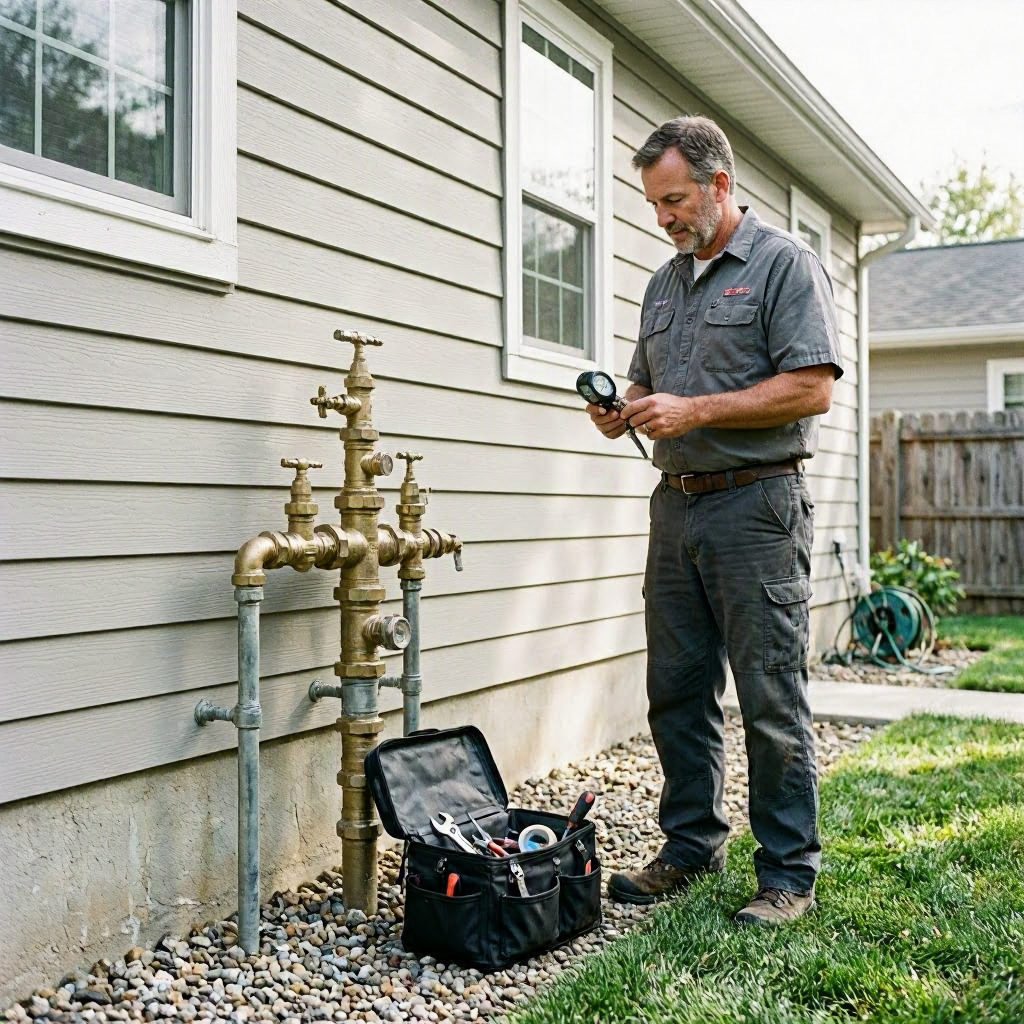
Backflow preventer installation cost and testing fees
Understanding Backflow Preventers
A backflow preventer is a plumbing device designed to stop contaminated water from flowing back into your home's clean water supply or the municipal system. It acts as a safeguard against reverse flow, which can happen due to pressure changes, back siphoning, or back pressure. In the United States, these devices are often required by local plumbing codes to protect public health, especially in homes with irrigation systems, wells, boilers, or secondary water sources.
Without a properly installed and tested backflow preventer, you risk water contamination that could lead to health issues or fines from your water utility. Many cities and counties mandate installation for certain setups, like lawn sprinklers connected to the main line. If your water pressure drops suddenly or you notice discolored water after using sprinklers, it might signal a backflow issue.
Homeowners typically encounter this during property inspections, new installations, or utility notices. Renters might see it if the landlord handles exterior plumbing for irrigation.
When Do You Need a Backflow Preventer Installed or Tested?
Backflow preventers become necessary in specific scenarios tied to local regulations. For example, if you have an underground sprinkler system, most US municipalities require a testable backflow preventer at the point of connection to prevent chemicals from lawn treatments from entering the potable water supply.
Other common triggers include:
- Installing a new irrigation system or pool.
- Adding a well, rainwater collection, or graywater system.
- Home sales, where buyers' lenders or inspectors flag missing devices.
- Annual utility compliance checks, as many water providers like those in California, Texas, or Florida enforce testing.
Testing is usually annual or biennial, depending on the device type and local rules. Your water bill or utility might include notices about certification deadlines. Ignoring these can result in service shutoffs or penalties.
If you're a homeowner buying a used house with sprinklers, check the property records or ask the seller about existing backflow devices. For new builds, builders often install basic ones, but upgrades may be needed for code compliance.
Types of Backflow Preventers and Their Cost Implications
Several types exist, each suited to different water pressures and uses. Choosing the right one affects both upfront installation costs and long-term testing fees.
- Atmospheric Vacuum Breaker (AVB): Simple, non-testable device for low-hazard, low-pressure uses like hose bibs. Least expensive but not suitable for underground sprinklers.
- Pressure Vacuum Breaker (PVB): Testable, for above-ground irrigation. Handles higher pressures but requires venting.
- Double Check Valve Assembly (DCVA): Testable, for non-health hazard situations like commercial irrigation. Durable for year-round use.
- Reduced Pressure Zone (RPZ) Assembly: Most protective, testable device for high-hazard risks like chemical injection systems. Often required near contamination sources.
The type influences costs because RPZ units are larger, need more robust installation, and have stricter testing protocols. Your local building department or water utility specifies the approved type, often listing certified models.
Factors like water pressure, freeze protection, and orientation (horizontal vs. vertical) also play a role. A plumber assesses this during a site visit.
Breaking Down Backflow Preventer Installation Costs
Installation costs vary widely based on location, home setup, and device type. Expect total costs from several hundred to over $1,500, but always get local quotes since prices differ by region, such as higher in coastal California versus rural Midwest areas.
Material Costs
The device itself ranges from basic AVBs under $100 to RPZ assemblies exceeding $500. Add fittings, shutoff valves, pressure gauges (for testable units), and insulation kits for cold climates. Underground installations require vaults or enclosures, adding $200 to $800.
Shop at US suppliers like Home Depot or plumbing wholesalers, but confirm the model is approved by your utility. Reusing an old unit saves money if it's serviceable, but most need replacement every 10-20 years.
Labor Costs
Plumbers charge for diagnostics, shutdown coordination with your water utility, trenching (if needed), and startup testing. Labor typically accounts for 40-60% of the total, influenced by job complexity. A straightforward above-ground PVB install might take 2-4 hours, while an RPZ with vault excavation could span a full day.
Hourly rates for licensed plumbers run higher in urban areas. Emergency installs, like after a failed inspection, increase fees due to after-hours work.
Key Factors Affecting Installation Price
Several elements drive the final bill. Here's a breakdown:
| Cost Factor | Why It Matters | Potential Impact |
|---|---|---|
| Device Type | Basic vs. advanced protection levels | $100-$1,000+ difference |
| Location of Install | Above-ground easy access vs. buried lines | Adds $300-$1,000 for digging |
| Home Age/Layout | Older pipes may need upgrades | Extra $200-$500 for adapters |
| Accessibility | Tight spaces or slopes complicate work | 20-50% labor increase |
| Regional Labor Rates | Urban vs. rural; union vs. independent | Varies by state/city |
| Urgency | Routine vs. code violation deadline | 25-100% premium |
Trenching for irrigation lines often pushes costs up, especially if concrete slabs are involved. Winter installs in northern states require freeze-proofing, hiking material needs.
Annual Testing and Certification Fees
Once installed, testable backflow preventers like DCVAs and RPZ units require professional annual or biennial certification. Testing fees generally range from $75 to $250 per visit, covering gauge checks, valve function tests, and reporting to your utility.
Certified testers use specialized tools to verify no leaks or failures. They submit results electronically or via forms to your local water authority, ensuring compliance. Failed tests mean repairs, adding $100-$400.
Frequency depends on your area: some utilities like those in Arizona mandate yearly for RPZs, while others allow every two years for lower-risk setups. Track your schedule via utility portals or apps.
Homeowners with multiple devices (e.g., main line plus irrigation) pay per unit. Bundling tests with a trusted plumber can lower per-unit costs.
Permits, Inspections, and Local Code Requirements
Many US jurisdictions require permits for backflow installations, especially if plumbing lines are altered. Contact your city or county building department early. Permit fees vary but often fall under $100, plus inspection costs.
Plumbers typically handle paperwork, but verify they're licensed for backflow work. Some states like Texas require certified installers registered with the water district.
Inspections confirm proper sizing, support, and drainage. Skipping this risks fines up to $1,000 or water shutoff. For HOAs, check covenants for approved vendors.
DIY vs. Professional Installation: Safety and Feasibility
DIY is rarely recommended for backflow preventers due to plumbing code complexities and contamination risks. Simple AVBs on hose bibs might be DIY-friendly if you're handy, using basic tools like pipe cutters and Teflon tape. Buy pre-assembled kits and follow manufacturer instructions.
However, testable assemblies demand professional calibration and utility approval. Mistakes can void warranties, fail inspections, or create hazards. Trenching risks hitting gas lines or utilities—always call 811 first.
Hire a licensed plumber with backflow certification. Search via your state's contractor board or utility recommended lists. For safety, pros coordinate water shutoffs to avoid flooding.
Getting Accurate Estimates and Avoiding Overcharges
Before committing, gather 3-5 written estimates from licensed locals. Provide details like system type, location, and photos of existing setup.
Essential Questions to Ask Plumbers
- Is this device type code-compliant for my address and utility?
- Does the quote include materials, labor, permits, testing, and cleanup?
- How long is the warranty on parts and labor?
- Will you pull permits and schedule inspections?
- What's the payment schedule—no full upfront for jobs over $500?
- Do you handle utility notifications and initial test?
Request itemized bids: separate lines for device, valves, labor hours, etc.
Comparing Quotes Effectively
Look beyond lowest price:
- Check licenses via state boards (e.g., CSLB in California).
- Verify insurance and backflow certification.
- Read reviews on Angi or BBB for local feedback.
- Ask about experience with your utility's requirements.
Beware upsells like unnecessary vaults or premium brands. If one quote is 50% higher without explanation, probe deeper. Non-emergency work? Wait a week for better rates.
Sample estimate checklist:
- Dated and detailed line items.
- Total with taxes.
- Scope of work described.
- No vague "miscellaneous" fees.
- Your signature required before starting.
Insurance, Warranties, and Long-Term Maintenance
Homeowners insurance rarely covers backflow preventers unless sudden damage like a burst pipe occurs—maintenance is typically excluded. Home warranties might include testing if plumbing is covered; review your policy.
Manufacturer warranties last 1-5 years on defects. Contractor labor warranties vary—aim for 1 year minimum.
Prevent future costs with maintenance:
- Winterize by draining or insulating.
- Inspect annually for corrosion.
- Schedule tests promptly.
- Keep records: invoices, test reports, photos.
Document everything for resale or claims. HUD resources like home improvement loans (hud.gov/helping-americans/home-improvements) can finance if bundled with rehabs.
Considerations for Renters, Homeowners, Condos, and HOAs
Renters: Review your lease—landlords handle major plumbing like irrigation backflows. Notify in writing with photos; they may credit repairs if habitability issue.
Homeowners: Full responsibility, but check if prior owners installed one.
Condos/HOAs: Shared systems often fall under association rules. Exterior or stack plumbing might require board approval and vendor lists. Budget for assessments.
Mobile homes with wells need devices per state health codes.
Financing Options for Larger Installs
For costs exceeding $1,000, consider home equity lines or FHA 203(k) loans for bundled improvements (hud.gov/hud-partners/single-family-203k). Local utilities sometimes offer rebates for compliant installs—check their sites.
Shop financing transparently: compare APRs, no prepayment penalties.
Real Homeowner Scenarios
Take Sarah in suburban Atlanta: Her sprinkler backflow failed a utility test, leading to a $900 RPZ install after three quotes. She saved by choosing a vault-less option.
Or Mike in Denver: DIY AVB on spigots cost $50, but pros fixed irrigation DCVA for $650 including test.
These show planning pays off.
In summary, understanding cost drivers empowers better decisions. Always prioritize licensed pros for compliance and safety, and document for peace of mind.

About the TDL Expert Panel
TDL Expert Panel · TheDigitalLife Editorial Team
TDL Expert Panel is the editorial team behind TheDigitalLife. The team researches, reviews, and creates practical guides to help everyday readers make better decisions about home repair costs, refunds, AI tools, digital safety, productivity, and useful online resources. Each guide is written to be clear, useful, and easy to understand.