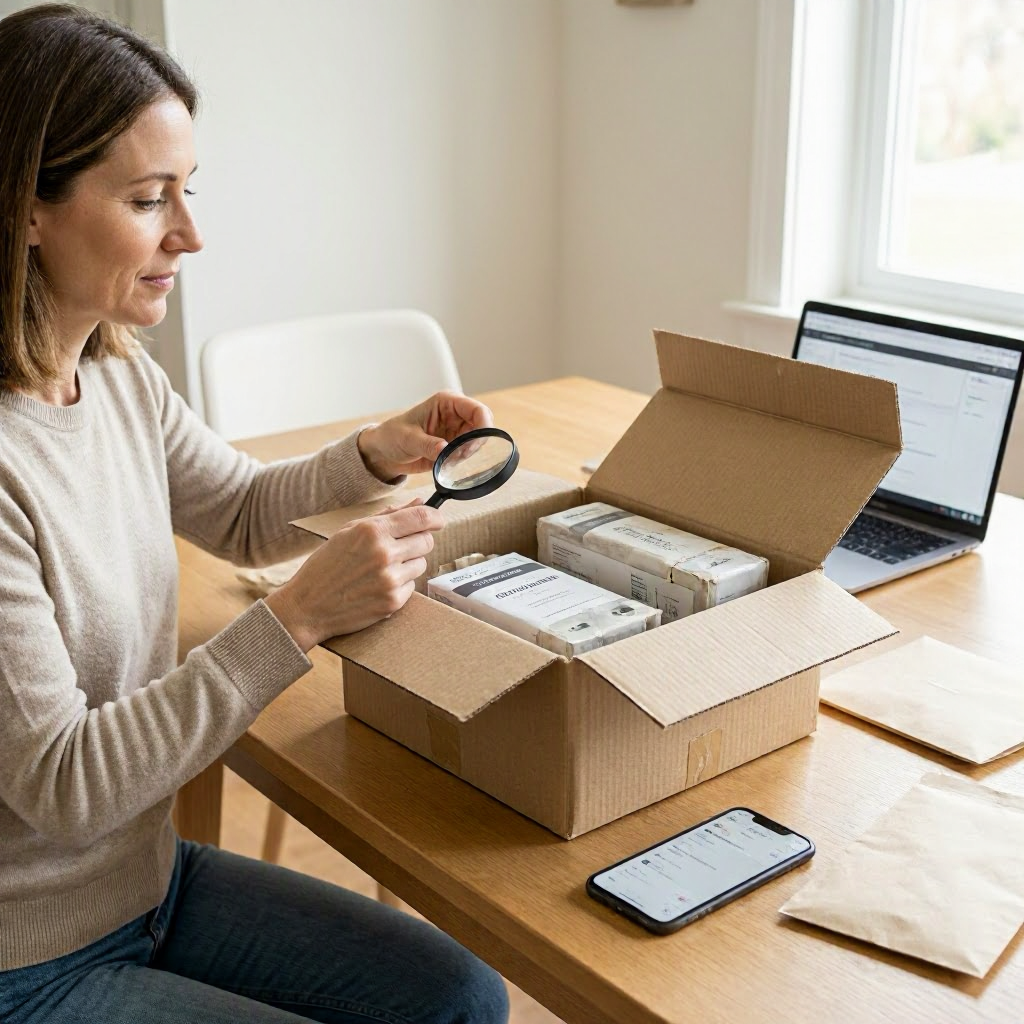
What to do if a counterfeit product was delivered
Recognizing a Counterfeit Product Delivery
Receiving a package that looks suspicious can be frustrating, especially if you suspect the item inside is fake. Counterfeit products often mimic popular brands like electronics, designer bags, cosmetics, or medications, but they fall short in quality, safety, and performance. In the US, online shoppers face this issue frequently through marketplaces, independent websites, or social media ads.
First, compare the received item to the official brand's website or product images. Check for differences in logos, materials, stitching, packaging, or serial numbers. For example, a "luxury" watch might have blurry engravings or lightweight metal, unlike the genuine version.
Policies vary by retailer and state, so review your order confirmation and the seller's listing immediately. This is general information to help you take practical steps, not legal or financial advice.
Common Signs Your Product Is Counterfeit
Counterfeits share telltale flaws. Look for these red flags right away:
- Poor packaging: Generic boxes, misspelled labels, or no authenticity holograms.
- Low quality: Cheap materials, uneven seams, or colors that fade quickly.
- Missing documentation: No user manual, warranty card, or certificates.
- Suspicious pricing: The listing price was far below retail with no discount explanation.
- Seller clues: New account, few reviews, or overseas shipping from unverified sources.
Take photos of the item unopened, then opened, next to the original listing screenshot. Note any smells, like strong chemicals in "perfume," which can indicate fakes.
For high-risk categories like batteries, baby products, or supplements, stop using the item immediately. Counterfeits may pose health or safety risks.
Step 1: Verify and Document the Issue Thoroughly
Before contacting anyone, build a strong case. Start by checking your order details:
- Log into your marketplace or retailer account.
- Download the order confirmation, invoice, and tracking info.
- Screenshot the product listing, price, description, and seller profile.
Next, inspect the product methodically:
- Unbox carefully and photograph the exterior, labels, and any inserts.
- Compare features to the brand's official site (e.g., apple.com for Apple products).
- Test safely if possible, like checking if a charger works or if software recognizes it as genuine.
- Note batch codes, UPCs, or serial numbers and verify them online via the manufacturer's tool.
Keep the item in its received condition. Do not discard packaging or receipts, as they prove delivery.
| Documentation Checklist for Counterfeit Claims | Why It Matters |
|---|---|
| Order confirmation and receipt | Shows what you paid for and when |
| Product listing screenshots | Proves promises vs. reality |
| Unboxing and item photos (multiple angles) | Visual evidence of fakes |
| Packaging, labels, and tags photos | Highlights poor quality |
| Serial number or UPC verification | Links to official databases |
| Tracking number and delivery confirmation | Confirms receipt date |
| Seller messages or communications | Records any promises made |
Save everything in a dedicated folder, dated and organized. This evidence strengthens requests to sellers, marketplaces, or your bank.
Step 2: Contact the Seller Through Official Channels
Most resolutions start here. Use the platform's messaging system to avoid scams.
- On marketplaces like Amazon or eBay: Open the order page, select "Contact Seller," and describe the issue clearly.
- Direct retailer sites: Use the order status page or help center chat/email.
Sample message: "Order #[number]: I received an item that appears counterfeit. Photos attached show discrepancies in [specifics, e.g., logo, materials] compared to your listing and the brand's site. Please provide a prepaid return label and full refund per your policy."
Attach your photos and evidence. Ask for a response within 48 hours and a confirmation number.
Give them 3-5 business days to reply. If no answer, escalate via the platform's dispute tool. Avoid sharing personal payment info or moving chats to email/text.
Marketplace buyer protection often covers counterfeits, but check the specific rules on their help page. For instance, Amazon's A-to-z Guarantee may apply if the seller doesn't resolve it.
Step 3: Initiate a Return or Refund Request
If the seller agrees, follow their instructions precisely.
- Request a prepaid return label to avoid shipping costs.
- Print and use it at USPS, UPS, or FedEx; get a drop-off receipt.
- Ship within the return window (often 30 days, but verify).
Photograph the item before packing, then the sealed box with label. Track the return and save updates.
Refunds typically post to your original payment method in 3-10 business days. Monitor your statement and follow up if delayed.
If the seller refuses or ghosts you:
- File a marketplace claim: Use the order page's "Report a Problem" or "Open Case" button. Upload evidence.
- Policies vary; some platforms side with buyers on clear counterfeits.
This step resolves most cases without further escalation.
Step 4: Escalate to the Marketplace or Retailer Support
No seller response? Contact platform support.
- Log in and use the help center's "Order Issues" or "Counterfeit Report" section.
- Provide your case number, evidence, and timeline.
For major sites:
- Amazon: Use "Your Orders" > Problem with Order > Item Not as Described.
- Walmart Marketplace: Seller Help > Dispute.
- eBay: Resolution Center.
Expect a review within days. They may refund, replace, or reimburse shipping.
If it's a fake storefront (not a known marketplace), check for a physical US address via WHOIS domain lookup or BBB.org. But prioritize payment disputes if no resolution.
Step 5: Dispute the Charge with Your Payment Provider
If the above fails, turn to your payment method. This is key for counterfeits, as "item not as described" disputes often succeed.
Credit cards (Visa, Mastercard, Amex, Discover): Strongest protections under US law (Fair Credit Billing Act).
- Call the number on the back of your card or app.
- Explain: "I received a counterfeit item; seller/marketplace didn't refund."
- Provide evidence (they'll request it).
Dispute within 60 days of statement date typically. Your issuer investigates; merchant responds.
Debit cards: Similar, but funds may be temporarily unavailable.
PayPal/VenPal: Use their Resolution Center within 180 days.
Buy Now Pay Later (Affirm, Afterpay): Check their dispute process.
| Payment Method | Typical Dispute Window | Key Phrase to Use |
|---|---|---|
| Credit Card | 60 days from statement | "Item not as described/counterfeit" |
| Debit Card | 60 days | Same as credit |
| PayPal | 180 days | "Significantly not as described" |
| Gift Cards | Varies; often none | Check issuer policy |
Track the dispute number. Issuers must acknowledge within 30 days and resolve in two billing cycles. No guarantees, as outcomes depend on evidence.
CFPB.gov has tools for credit card disputes: consumerfinance.gov/consumer-tools/credit-cards.
Step 6: Report the Counterfeit and Seller
Help protect others by reporting.
- Marketplaces: Use "Report Seller" or "Intellectual Property Complaint" forms.
- Brand owners: Contact via their official site (e.g., Nike's counterfeit report page).
- FTC: File at reportfraud.ftc.gov for scams/counterfeits. Include details for patterns.
- Customs and Border Protection (CBP): If international, report via cbp.gov.
State attorney general offices handle local complaints; find yours at naag.org.
For safety issues, check CPSC.gov/recalls: cpsc.gov/Recalls.
Reporting doesn't guarantee your refund but aids investigations.
Product Safety Risks with Counterfeits
Counterfeits aren't just disappointing, they can be dangerous. Fake electronics may overheat or explode; bogus cosmetics cause infections; phony meds lack active ingredients.
- Stop using immediately for personal care, kids' items, auto parts, or tools.
- Check FDA.gov for drug/device alerts or EPA for pesticides.
- If harmed, document medical visits and report to CPSC or FDA.
Keep the item for evidence, stored safely.
When to Consider Legal or Additional Help
Rarely needed, but if high-value (e.g., $1,000+ fake jewelry) and no resolution:
- Small claims court in seller's state (if US-based).
- Consult state consumer protection office.
This is general info; verify with official sites.
Preventing Counterfeit Purchases in the Future
Learn from this to shop safer:
- Buy from authorized retailers or verified marketplace sellers.
- Use credit cards for purchases over $50.
- Research sellers: Long history, real reviews, US address.
- Verify sites: HTTPS, clear policies, no grammar errors.
- Avoid deals too good to be true.
Tools like Fakespot.com analyze reviews; BBB.org checks businesses.
Set calendar reminders for returns. Enable purchase notifications.
Real US Shopper Scenarios
Scenario 1: Amazon fake headphones. Buyer noticed poor sound and fake serial. Contacted seller (no reply), opened A-to-z case, got refund in 7 days.
Scenario 2: eBay designer bag. Stitching off; disputed via eBay, PayPal chargeback won after evidence upload.
Scenario 3: Independent site "iPhone." Charger sparked; reported to FTC, bank reversed $800 charge.
These show evidence wins cases.
Additional Tips for Smooth Resolutions
- Be polite but firm in communications.
- Follow up weekly with reference numbers.
- Monitor accounts for 60+ days post-refund.
- Use two-factor authentication on shopping accounts.
Policies can vary by platform, payment method, and state. Always check official order pages and statements.
This guide equips you with steps tailored to counterfeit deliveries. For personalized situations, use retailer support or CFPB/FTC resources.
(Word count: 3124)

About the TDL Expert Panel
TDL Expert Panel · TheDigitalLife Editorial Team
TDL Expert Panel is the editorial team behind TheDigitalLife. The team researches, reviews, and creates practical guides to help everyday readers make better decisions about home repair costs, refunds, AI tools, digital safety, productivity, and useful online resources. Each guide is written to be clear, useful, and easy to understand.