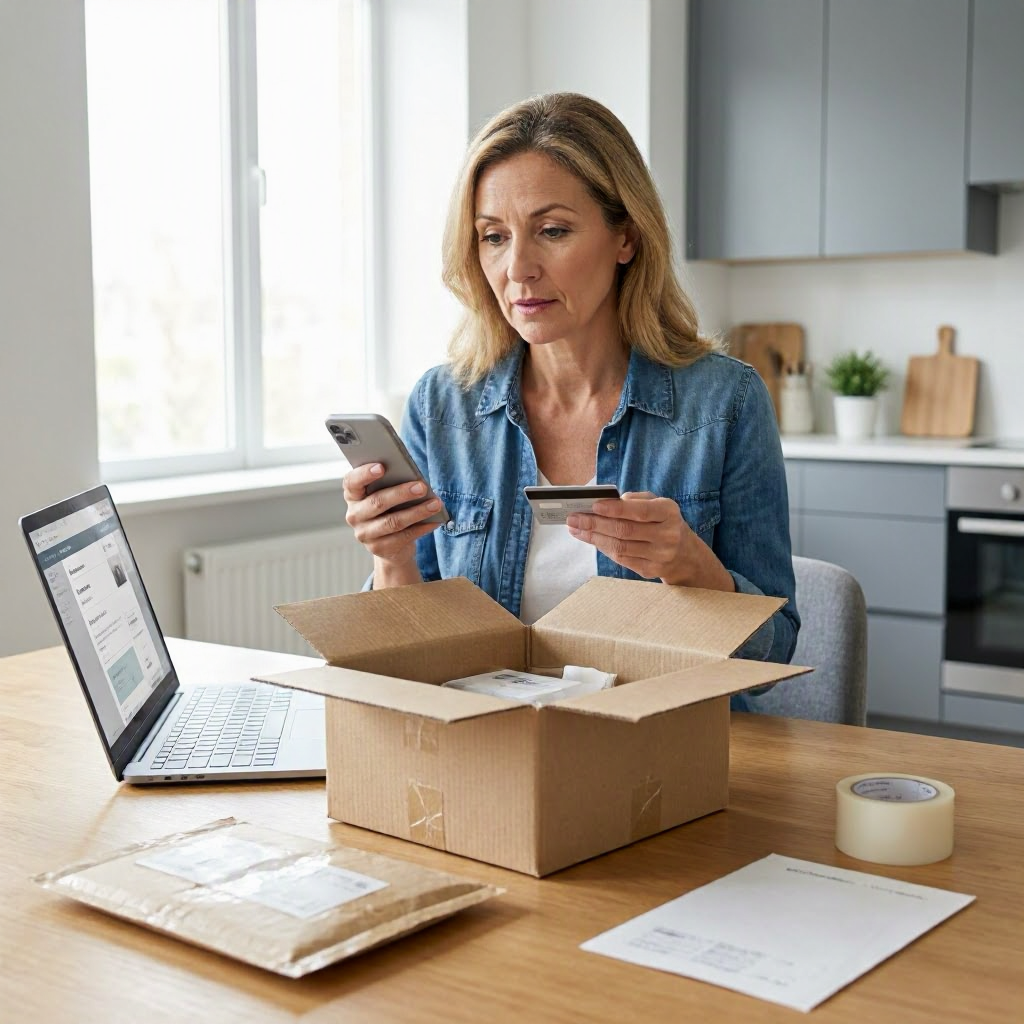
What to do if an Amazon or Walmart marketplace order fails
Understanding Order Failures on Amazon and Walmart Marketplaces
An order failure on Amazon or Walmart marketplaces typically happens when a third-party seller doesn't deliver as promised. This can include packages that never ship, arrive damaged or wrong, go missing after marking as delivered, or items that don't match the listing. These issues affect many U.S. shoppers each year, but marketplaces like Amazon and Walmart offer buyer protections to help resolve them.
Policies vary by seller, item, and timing, so always check your specific order page and the marketplace's help center. This guide walks you through practical steps tailored to Amazon and Walmart marketplace orders, focusing on verification, contacts, documentation, and escalation. Remember, this is general information, not legal or financial advice, and outcomes depend on your proof and platform rules.
First Steps: Check Your Order Status and Records
Before contacting anyone, gather and review your records to confirm the problem. Log into your Amazon or Walmart account using the official app or website to avoid fake login pages.
Start with your order confirmation email and the order details page. Note the order number, seller name, expected delivery date, shipping estimate, and payment method. For Amazon, check the "Your Orders" section; for Walmart, use "Purchase History" under your account.
Next, examine the tracking number. Click it to see updates from carriers like USPS, UPS, or FedEx. Look for:
- "Out for delivery" status without arrival.
- "Delivered" marks with no package at your door, porch, or mailbox.
- Delivery photos (if available from Amazon or Walmart).
- Notes about neighbor delivery, lockers, or pickup points.
Take screenshots of everything: order page, tracking history, emails, and listing description. Photograph your doorstep or delivery area if marked delivered but missing. This proof strengthens your case later.
If the order shows as unshipped past the estimated date, note the seller's shipping policy from their listing or profile. Save the original listing screenshots, as sellers sometimes edit descriptions after sales.
Common Types of Marketplace Order Failures
Marketplace orders fail for specific reasons. Here's a table summarizing frequent issues and what to check first:
| Failure Type | What to Check First | Initial Action |
|---|---|---|
| Never Shipped | Order status, seller shipping estimate | Screenshot tracking (or lack of it), contact seller |
| Missing After "Delivered" | Tracking photo, carrier notes, neighbors | File carrier inquiry, then seller claim |
| Damaged on Arrival | Packaging, item condition, delivery photo | Photo everything, request replacement/refund |
| Wrong or Not-as-Described | Listing screenshots, item photos | Message seller with proof comparison |
| Late Beyond Estimate | Original shipping window, tracking updates | Ask seller for update or extension |
Use this to pinpoint your issue quickly. For example, if it's a missing package marked delivered, check porch pirates common in U.S. suburbs by asking neighbors discreetly.
Contacting the Third-Party Seller Safely
Always communicate through the official marketplace messaging system. On Amazon, use "Contact Seller" from your orders page. On Walmart Marketplace, select "Need Help?" next to the order.
Avoid sharing personal details, payment info, or moving chats to email/text unless the platform directs it. Craft a clear message like:
"Order #[number]: Item has not arrived/not as described/damaged. Tracking shows [status]. Please provide update, replacement, or refund within 48 hours. Attached screenshots."
Include:
- Order number.
- Specific problem.
- Tracking details.
- Request: refund, replacement, or investigation.
- Deadline for response.
Sellers must respond within platform timelines (check help centers). Save all chats, including timestamps and seller ID. If no reply in 2-3 business days, escalate.
For U.S. shoppers, note time zones; sellers may be overseas, delaying responses. Document names of seller reps if provided.
Escalating to Amazon or Walmart Buyer Protection
If the seller ignores you or denies the claim, use the marketplace's tools. Amazon's A-to-z Guarantee covers eligible orders for non-delivery, wrong items, or defects if filed timely (usually within 90 days of invoice). Walmart's Marketplace Guarantee protects against similar issues for orders paid via their platform.
Steps for Amazon: 1. Go to "Your Orders," select the issue, and choose "Problem with order." 2. Pick the reason (e.g., "Where's my stuff?"). 3. Upload photos, tracking screenshots, and messages. 4. Submit; Amazon reviews and decides.
For Walmart: 1. From purchase history, select "Help" or "Return/Refund." 2. Describe issue, attach proof. 3. Platform mediates.
Decisions can take 2-7 days. If approved, expect refund to original payment or replacement. Denials happen if proof lacks or outside windows, so appeal with more docs if possible. Track claim numbers and save approval/denial emails.
Handling Shipping Carrier Issues
Sometimes the failure traces to the carrier. If tracking shows issues like "attempted delivery" or carrier errors:
- Contact USPS (usps.com), UPS (ups.com), or FedEx (fedex.com) via their official sites with tracking number.
- Request a search or redelivery.
- For Amazon orders, use their "Track Package" for carrier coordination.
- Walmart provides similar tracking links.
File carrier claims only after marketplace steps, as platforms often handle this. Save inquiry numbers and agent notes. U.S. carriers have 30-60 day windows for missing packages; verify on their sites.
Payment Disputes and Chargebacks as a Last Resort
If marketplace resolution fails, consider disputing the charge. This reverses the payment but can affect seller ratings and your account.
Review your bank/credit card statement for merchant name (e.g., "Amazon Marketplace" or "Walmart Mkt"). Credit cards offer strong protections under U.S. law via the Fair Credit Billing Act.
Steps: 1. Attempt seller/marketplace resolution first (required by most issuers). 2. Contact your card issuer (number on back of card or app). 3. Explain: "Order failed; no item received despite claim denial. Proof attached." 4. Provide: statement copy, order details, chats, tracking.
Debit cards and PayPal have processes too; apps like Venmo less so. Chargebacks succeed ~60-80% with good proof but take 30-90 days. Monitor statements during.
Payment apps like PayPal (if used) have buyer protection; file via their resolution center.
Documentation: Your Strongest Tool
Keep everything organized in a folder. Here's a checklist table:
| Document Type | Why Keep It | How to Capture |
|---|---|---|
| Order Confirmation/Receipt | Proves purchase date, amount, seller | Screenshot/email save |
| Tracking History | Shows status changes | Full page screenshots over time |
| Listing Description | Compares to received item | Before/after purchase screenshots |
| Photos (Item, Packaging, Doorstep) | Visual proof of condition/location | High-res, timestamped from phone |
| Seller/Marketplace Messages | Records communications | Export chat or screenshots |
| Claim/Dispute Numbers | Tracks escalations | Note dates, reps' names |
| Bank Statements | Transaction details | Redact sensitive info for sharing |
Print key items or use cloud backups. This prevents "he said/she said" disputes.
Spotting Scams in Marketplace Orders
Some "failures" stem from fraudulent sellers. Watch for:
- Unrealistic low prices on high-demand items.
- New seller profiles with few reviews.
- Requests to pay outside platform (gift cards, wire).
- Fake tracking from unsolicited texts/emails.
Verify via official Amazon/Walmart apps. Report suspicious sellers: Amazon via "Report Abuse"; Walmart through order help. FTC notes rising marketplace scams targeting U.S. shoppers during holidays.
If fraud suspected, freeze card and report to FTC at ReportFraud.ftc.gov.
When to File a Consumer Complaint
Exhausted all steps? Escalate to U.S. resources:
- FTC (consumer.ftc.gov): For scams, fake sellers. File online complaint.
- CFPB (consumerfinance.gov/complaint): Payment disputes unresolved.
- State Attorney General: Search "[your state] attorney general consumer protection."
Complaints help investigations but rarely yield direct refunds. Use for patterns, like repeated seller issues.
Real U.S. Shopper Examples
Consider Sarah from Texas: Ordered electronics from Amazon marketplace seller. Marked delivered, but missing. She screenshot tracking photo (empty porch), messaged seller (no reply), filed A-to-z claim (approved, refunded in 5 days).
Mike in Florida with Walmart: Damaged baby gear. Photographed box/item, contacted seller (offered partial refund), escalated to guarantee (full refund + shipping label). Key: timely photos.
Students buying textbooks or seniors ordering essentials face similar hurdles; proof wins cases.
Preventing Future Marketplace Order Failures
Shop smarter:
- Buy from sellers with 95%+ ratings, many orders.
- Use credit cards for protection.
- Track orders daily via app notifications.
- Opt for Amazon Prime/Walmart+ for faster, insured shipping.
- Avoid urgency ads pushing third-party links.
Check return policies pre-purchase. Set calendar reminders for delivery windows.
Additional Tips for Specific Scenarios
Late Orders During Peak Seasons
Holidays strain carriers. If delayed 7+ days past estimate, request extension or cancel. Platforms often auto-refund holds.
Counterfeit or Unsafe Items
If received but suspect fake (e.g., poor quality electronics), photo packaging/barcodes. Report to marketplace; check CPSC.gov for recalls. Return via platform.
Subscription-Like Marketplace Traps
Some sellers push add-ons. Review order for recurring; cancel via account.
Multi-Item Orders
Failures affect parts only. Claim per item; track partial refunds.
Policies can vary by state sales tax rules or item categories (e.g., no guarantees on digital goods). Always verify on official sites.
Final Thoughts on Resolutions
Most Amazon/Walmart marketplace failures resolve via seller contact or platform claims, often within weeks. Persistence with proof pays off. If payment involved banks like Chase or cards from Capital One, their apps speed disputes.
Stay calm, document meticulously, and use official channels. U.S. consumers have tools to protect purchases, but check specifics for your case. For more, visit marketplace help centers or FTC resources.

About the TDL Expert Panel
TDL Expert Panel · TheDigitalLife Editorial Team
TDL Expert Panel is the editorial team behind TheDigitalLife. The team researches, reviews, and creates practical guides to help everyday readers make better decisions about home repair costs, refunds, AI tools, digital safety, productivity, and useful online resources. Each guide is written to be clear, useful, and easy to understand.