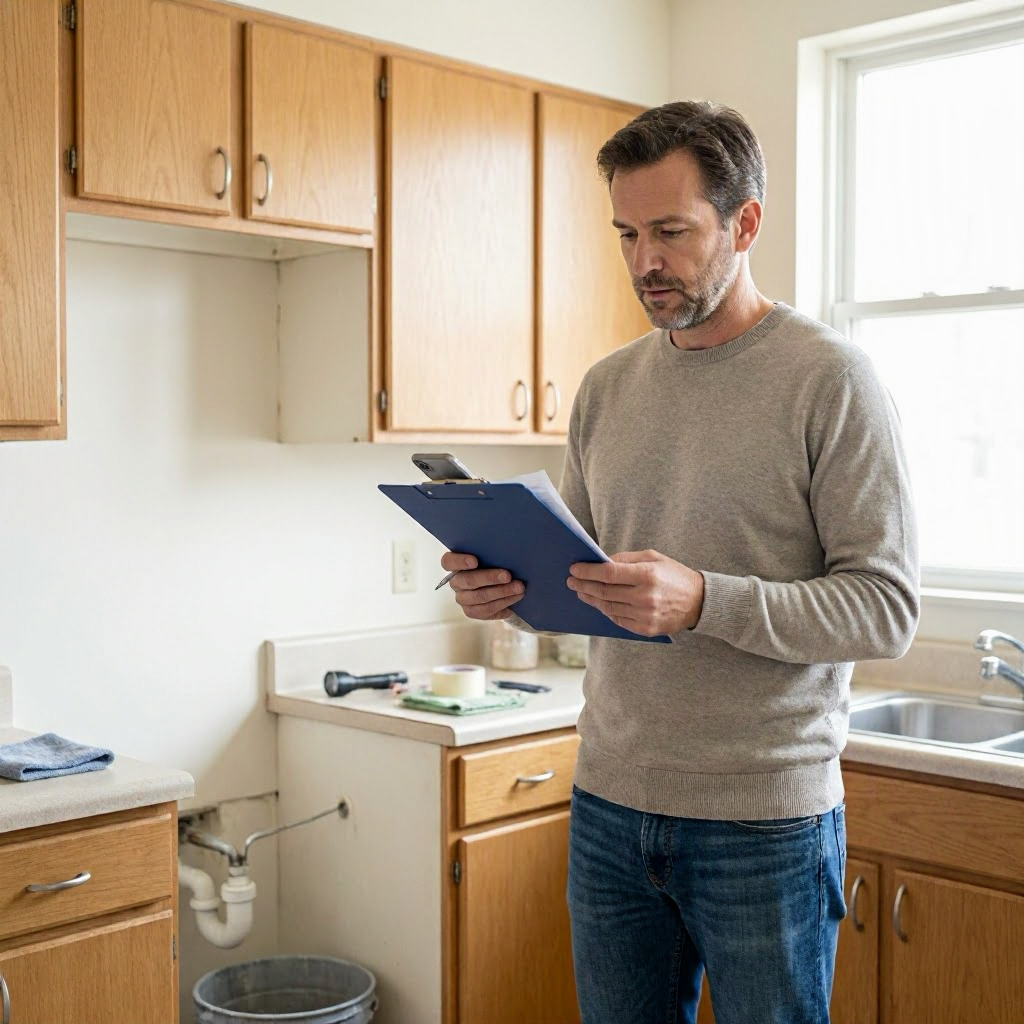
What to do when your landlord won't make repairs
---
Understanding Landlord Repair Responsibilities
Landlords in the United States generally have a legal duty to keep rental properties in habitable condition. This means providing working heat, safe electrical systems, plumbing that functions, no major pest infestations, and structures free from serious hazards like leaking roofs or broken stairs. These basics come from the implied warranty of habitability, recognized in most states.
However, exact rules vary widely by state, city, and even local housing codes. For example, what counts as "habitable" in California might differ from Texas. Always check your state's landlord-tenant laws through official sources, such as your state attorney general's website or court self-help center. This article offers general steps to consider, but it is not legal advice. Consult legal aid or a qualified attorney for your situation.
Ignoring repair issues can lead to bigger problems, like health risks or eviction risks if you act without guidance. Start by reading your lease carefully, as it may outline repair procedures. Note any clauses about maintenance responsibilities.
Step 1: Assess the Repair Need and Check Your Lease
Before taking action, determine if the issue affects habitability. Minor cosmetic problems, like peeling paint without lead hazards, usually fall on tenants. Serious issues, such as no hot water or broken locks, typically require landlord action.
Gather these initial documents right away:
- Your lease agreement, highlighting any repair-related sections.
- Rent receipts and payment records.
- Previous emails or notes about the problem.
Take dated photos or videos of the issue from multiple angles, including measurements if relevant (like a hole size). Keep a log of when the problem started and how it impacts daily life, such as "No heat since January 15, indoor temperature 55°F."
Contact your local building or housing code enforcement office to learn if the issue violates codes. Search for "[your city/county] housing code enforcement" on an official government site. They may inspect for free and cite the landlord.
Step 2: Put Your Repair Request in Writing
Verbal requests often fail, as landlords may deny them later. Send a written repair request via certified mail, return receipt requested, or email with read receipt if allowed in your lease. This creates a paper trail.
Include:
- Your name, unit address, and date.
- Clear description of the problem, with photos attached.
- How it affects livability (e.g., "Mold in bathroom causes breathing issues").
- A reasonable deadline, like 14 days, based on urgency.
- A polite request for confirmation of receipt.
Here's a general sample outline for a repair request letter (adapt it, but do not use as official legal notice without review):
``` [Your Name] [Your Address] [Date]
[Landlord's Name] [Landlord's Address]
Re: Repair Request for [Unit Address]
Dear [Landlord's Name],
I am writing to request repairs for [describe issue, e.g., "leaking kitchen faucet causing water damage and mold"]. This began on [date] and affects habitability because [explain impact].
Photos are attached. Please complete repairs by [reasonable date, e.g., 14 days from now]. Confirm receipt in writing.
Thank you, [Your Name] [Your Phone/Email] ```
Keep copies of everything sent, including mailing receipts. Follow up if no response in 3-5 days.
Step 3: Give a Reasonable Timeframe and Follow Up
Landlords often get 7 to 30 days to fix issues, depending on severity and state law. Emergencies like no heat in winter or sewage backups need faster action, sometimes 24-48 hours. Verify your local "reasonable time" through state tenant resources.
If no action, send a follow-up letter restating the issue and new deadline. Document all communications: note dates, names, and summaries of calls. Use a simple log like:
| Date | Contact Method | Person Spoken To | Summary |
|---|---|---|---|
| Jan 20 | Certified Mail | N/A | Sent initial request |
| Jan 25 | Phone | Jane Doe | Promised fix by Feb 1 |
This table helps organize records for later use.
Common Repair Problems and First Checks
Many repair disputes involve similar issues. Use this table to identify quick steps:
| Repair Issue | Why It Matters | First Check |
|---|---|---|
| No heat or AC | Health/safety risk | Thermometer reading; local winter heat rules (e.g., 68°F minimum in some states) |
| Plumbing leak/flood | Mold, damage | Photos of water damage; check if tenant-caused |
| Pest infestation | Health code violation | Extermination history; neighbor complaints |
| Broken locks/doors | Security | Police report if break-in related |
| Electrical hazards | Fire risk | Outlet tester; sparks noted |
Rules vary, so confirm with your local code office.
What to Do If the Landlord Ignores Your Requests
After written notices and reasonable time, consider escalation. Do not act alone, as improper steps can risk eviction.
Option 1: Contact Local Housing Inspectors or Health Department
Most cities have code enforcement that can inspect rentals. They issue violation notices to landlords, often for free. Find yours via "[your city] code enforcement" on .gov sites. Provide your documentation.
In some areas, health departments handle mold or pests. Inspections create official records pressuring landlords.
Option 2: "Repair and Deduct" Where Allowed
In states like California, Michigan, or New York, tenants may pay for repairs and deduct costs from rent after proper notice. Limits apply, like 1-2 months' rent. Other states ban this.
Check state law first: search "[your state] repair and deduct tenant rights." If using, get bids from licensed pros, pay, and provide receipts. Notify landlord before deducting.
Option 3: Rent Withholding or Escrow
Some states allow withholding rent until repairs, placing it in escrow. This is risky and illegal in places like Florida without court order. Missteps can lead to eviction.
Verify via state housing department or legal aid. Never withhold without guidance.
Option 4: Call and Report to Agencies
For subsidized housing, contact your local HUD office (hud.gov/topics/rental_assistance/tenantrights). Private rentals may involve state attorney general consumer protection or fair housing offices.
Fair Housing Act covers discrimination-related repairs, like accessibility for disabilities.
Pursuing Legal Remedies Through Court
If other steps fail, consider small claims court for repair costs or rent reduction. No lawyer needed in most cases; filing fees are $30-$100, often waivable.
Preparing for Small Claims
- Gather all documentation: letters, photos, logs, receipts.
- Calculate damages: repair costs, lost rent value (e.g., 20% reduction for no AC).
- File a complaint at your local court clerk's office. Forms often online.
- Serve the landlord per court rules (sheriff or certified mail).
- Attend the hearing with organized evidence.
Courts may order repairs, rent refunds, or habitability fixes. Appeals possible, but rules vary. Check your county court's self-help site for forms.
Do not ignore any eviction notices during this. Respond immediately.
Finding Free or Low-Cost Legal Help
You do not need to handle this alone. Start with:
- Legal aid organizations: Use the Legal Services Corporation finder at lsc.gov/about-lsc/what-legal-aid/get-legal-help. Eligibility often for low-income.
- Court self-help centers: Many superior courts offer free workshops and form reviews.
- Tenant unions: Local groups like those in New York City or tenant rights hotlines.
- State bar referral: Call your state bar for $35 consults (search "[state] bar lawyer referral").
- LawHelp.org: State-specific guides.
Prepare questions like: "What are repair deadlines in [my city]?" or "Can I withhold rent here?"
For HUD rentals, call 1-800-669-9777 (verify on HUD site) or local public housing agency.
Keeping Detailed Records Throughout
Records win cases. Store everything in a folder:
- All correspondence.
- Inspection reports.
- Repair bids/receipts.
- Witness statements (neighbors).
- Utility bills showing impacts (e.g., higher electric from no AC).
Scan to digital backups. Note names, dates, times for every interaction.
State and Local Variations to Verify
Landlord-tenant laws differ significantly:
- Strict habitability states (e.g., New Jersey): Broad landlord duties.
- Conservative states (e.g., Alabama): Fewer tenant remedies.
- Cities like San Francisco or New York have rent boards for disputes.
Always verify: Use Nolo.com state surveys (for general info), state legislature sites, or local tenant handbooks. Enter your ZIP code on HUD's site for resources.
Avoiding Scams and Pitfalls
Beware companies offering "guaranteed repair wins" or charging for free court forms. Verify lawyers via state bar sites. Never pay by wire or gift card for "legal help."
If a "landlord fixer" contacts you, hang up and report to attorney general. Fake notices may mimic official ones, so check court stamps or watermarks.
Do not move out without advice, as "constructive eviction" claims need proof.
When the Problem Is an Emergency
Sewage backups, gas leaks, or fire hazards demand immediate action. Call 911 if unsafe, then landlord, then code enforcement. Document and seek temporary relocation reimbursement if offered in your area.
Long-Term Prevention Tips
Review leases before signing for maintenance clauses. Annual walk-throughs help spot issues early. Build relationships with property managers.
Resources for Further Help
- HUD Tenant Rights: hud.gov/topics/rental_assistance/tenantrights – Federal overview.
- Legal Aid Finder: lsc.gov/about-lsc/what-legal-aid/get-legal-help – Local offices.
- State-specific: Search "[your state] tenants rights handbook" on .gov sites.
Track changes in laws, as COVID-era protections evolved differently by state.
This general information empowers first steps, but rules depend on your location and facts. Read notices carefully, meet deadlines, and seek qualified help promptly. Keeping calm and documented positions you best.
(Word count: 2624) ---

About the TDL Expert Panel
TDL Expert Panel · TheDigitalLife Editorial Team
TDL Expert Panel is the editorial team behind TheDigitalLife. The team researches, reviews, and creates practical guides to help everyday readers make better decisions about home repair costs, refunds, AI tools, digital safety, productivity, and useful online resources. Each guide is written to be clear, useful, and easy to understand.